

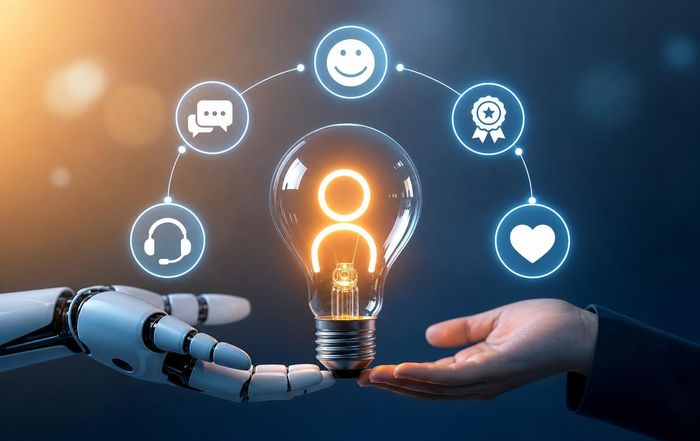
Innovation Driving Better Customer Experiences
The Experience Economy Reaches Maturity
The global economy has decisively shifted toward what many analysts now describe as a fully matured experience economy, in which customers in North America, Europe, Asia and beyond increasingly evaluate brands not only on the functional quality of their products and services, but on the emotional, physical and digital experiences that surround every interaction. For a premium daily updated online platform like wellnewtime.com, which sits at the intersection of wellness, health, fitness, mindfulness, travel, beauty, business and lifestyle, this evolution is not merely an abstract macro trend; it is the defining context in which readers select wellness retreats, digital health platforms, beauty brands, fitness programs and even employers. Organizations that once competed primarily on price or product features now recognize that sustainable differentiation arises from orchestrating seamless, personalized and trustworthy journeys, whether a customer is booking a spa treatment, subscribing to a mindfulness app, planning a sustainable trip, or evaluating a new health insurance provider.
This transformation is visible across sectors. In wellness and healthcare, large providers and digital health startups alike are redesigning patient and client journeys to reduce friction and increase engagement, supported by guidance from bodies such as the World Health Organization and national health services. In travel, global players like Booking Holdings and Airbnb continue to personalize recommendations while responding to heightened expectations around safety, sustainability and inclusivity, aligning with frameworks from organizations such as the World Travel & Tourism Council. In financial services, major banks and fintechs are investing heavily in customer-centric innovation, guided in part by principles shared by institutions like the World Economic Forum, which emphasizes trust, transparency and responsible data use as foundations of digital customer relationships. Across all of these domains, the unifying theme is clear: innovation is no longer celebrated simply for novelty; it is valued when it demonstrably enhances human experience, improves health and wellbeing, and deepens trust.
Wellness and Health: Human-Centered Innovation at the Core
For the global audience of wellnewtime.com, wellness and health remain the highest priorities, and the most significant innovations in customer experience are those that make it easier to live healthier, more balanced lives. Health systems in the United States, United Kingdom, Germany, Canada and Australia have accelerated their adoption of telehealth, remote monitoring and digital triage tools, with organizations like the U.S. Centers for Disease Control and Prevention and NHS England publishing guidance on safe, accessible digital care. These tools allow patients to access medical advice, mental health support and chronic disease management from home, which is particularly valuable for those in rural regions of Europe, Asia, Africa and South America, where in-person services may be limited. Learn more about how digital health is reshaping care delivery through resources from the World Health Organization.
At the same time, consumer wellness platforms are integrating medical-grade insights with lifestyle coaching, creating a more holistic experience that aligns with the editorial focus of the Wellness and Health sections on wellnewtime.com, accessible via wellness insights and health coverage. Wearable devices from companies such as Apple, Samsung, Fitbit (part of Google) and Garmin now offer continuous monitoring of heart rate variability, sleep stages, stress markers and activity levels, and they increasingly integrate with electronic health records, enabling clinicians to view longitudinal data and co-create personalized care plans. As regulatory bodies like the European Medicines Agency and Health Canada refine their digital health frameworks, customers gain more confidence that these innovations are not only convenient but also safe, effective and designed with privacy in mind, reinforcing the trust that underpins every meaningful health-related experience.
Fitness and Performance: Data, Coaching and Community
In fitness, innovation is driving a new wave of hyper-personalized and community-centric experiences that resonate strongly with audiences in regions such as the United States, United Kingdom, Germany, Japan, South Korea and Australia, where digital fitness adoption has been particularly strong. Connected fitness platforms and smart gym equipment now combine real-time biometric feedback with adaptive training algorithms, offering tailored workout plans that adjust to a user's performance, recovery and even mood. Companies like Peloton, Nike, Adidas and Lululemon have extended beyond physical products into full-service ecosystems that include live and on-demand classes, social features, coaching programs and integrated mindfulness content. Readers can explore how these trends intersect with broader lifestyle shifts through the Fitness section on wellnewtime.com, which frequently examines the convergence of technology, performance and wellbeing.
This new era of fitness experience is also informed by advances in sports science and human performance research, shared through organizations such as the American College of Sports Medicine and UK Sport, which promote evidence-based training principles and safe exercise guidelines. Learn more about current best practices in physical activity and health via resources from the World Health Organization on physical activity. Fitness innovators are increasingly embedding these insights into their customer journeys; for example, by recommending rest and recovery when biometric data suggests elevated stress or fatigue, by tailoring programs to the needs of older adults in Europe and Asia, or by designing inclusive workouts for people with disabilities. The result is a more empathetic and responsible fitness experience, where customers feel not only challenged but genuinely understood and supported, reflecting the Experience, Expertise, Authoritativeness and Trustworthiness that wellnewtime.com emphasizes in its coverage.
Mindfulness and Mental Wellbeing: From Niche Apps to Integrated Ecosystems
Mindfulness and mental wellbeing have moved from the periphery of corporate and consumer consciousness to the center of strategic planning, particularly in the wake of global disruptions and the growing recognition of mental health as a critical dimension of human performance. Leading digital mindfulness platforms, including Headspace, Calm and Insight Timer, have expanded their offerings from simple meditation libraries to comprehensive ecosystems that include sleep tools, workplace mental health programs, clinical therapy partnerships and regionally tailored content for audiences in North America, Europe, Asia and beyond. These platforms increasingly collaborate with academic institutions such as Harvard Medical School and University College London on research that validates the impact of mindfulness interventions, strengthening their credibility and reassuring customers that their time and data are being invested in scientifically grounded experiences. Learn more about evidence-based mental health approaches through resources from the National Institute of Mental Health.
For a brand like wellnewtime.com, which dedicates a full vertical to Mindfulness, the evolution of these experiences illustrates a broader trend: customers now expect emotional and psychological support to be woven into the fabric of the services they use, whether they are engaging with a fitness platform, a travel provider, an employer or a financial institution. Innovative organizations are responding by embedding mindfulness micro-practices into everyday touchpoints, offering guided breathing exercises during customer service wait times, suggesting short meditations after stressful financial transactions, or integrating resilience training into onboarding programs. This integration of mental wellbeing into diverse customer journeys is supported by guidance from entities such as the World Health Organization and the OECD, which advocate for comprehensive approaches to mental health promotion. As a result, customer experience design is becoming more humane and holistic, recognizing that emotional states profoundly influence satisfaction, loyalty and long-term trust.
Travel and Lifestyle: Personalization, Sustainability and Safety
The global travel and lifestyle sectors have undergone profound transformation, particularly in response to heightened awareness of health, safety and environmental impact across regions such as Europe, Asia-Pacific, North America and Africa. Travelers from countries including France, Italy, Spain, Netherlands, Switzerland, Japan, Thailand, Brazil, South Africa and New Zealand increasingly seek experiences that are not only enjoyable but also aligned with their values around wellbeing, sustainability and cultural respect. Major airlines, hotel groups and online travel agencies are leveraging data and artificial intelligence to deliver more relevant recommendations, flexible booking options and transparent health and safety information, often guided by standards from organizations like the International Air Transport Association and the World Tourism Organization. Readers interested in these developments can explore the Travel section on wellnewtime.com, which frequently highlights how innovation is reshaping journeys before, during and after a trip.
Sustainability has become a central pillar of travel experience innovation, as customers increasingly scrutinize the environmental and social impact of their choices. Platforms and brands are now surfacing carbon footprint estimates for flights, promoting rail alternatives in regions like Europe, and highlighting eco-certified accommodations that adhere to frameworks from bodies such as the Global Sustainable Tourism Council. Learn more about sustainable tourism practices from the United Nations Environment Programme and its work with the tourism sector. At the same time, wellness travel has emerged as a powerful growth segment, with resorts, spas and retreat centers in locations from Bali and Thailand to California and Portugal offering integrated programs that combine fitness, nutrition, mindfulness, beauty therapies and nature immersion. For readers of wellnewtime.com, these experiences exemplify how innovation can deepen personal transformation while remaining grounded in responsible, culturally sensitive and environmentally aware practices, reinforcing the site's commitment to trustworthy, holistic lifestyle coverage.
Beauty, Brands and the Rise of Conscious Consumers
In the beauty and personal care space, innovation in customer experience is tightly intertwined with rising expectations around transparency, inclusivity and sustainability, particularly among consumers in the United States, United Kingdom, Germany, France, China, South Korea and Singapore, where beauty trends rapidly diffuse across digital channels. Major brands such as L'Oréal, Estée Lauder, Shiseido and Unilever have embraced advanced technologies including augmented reality try-on tools, AI-driven skin diagnostics and personalized formulation engines that recommend products based on skin type, climate, lifestyle and even local pollution levels. These tools are often supported by dermatological research and regulatory guidance from bodies like the U.S. Food and Drug Administration and the European Commission, providing customers with greater confidence that their experiences are grounded in science rather than marketing alone. Readers can explore how these shifts intersect with wellness and self-care in the Beauty section of wellnewtime.com, where the focus remains on products and practices that genuinely support health and confidence.
Conscious consumerism is also reshaping how beauty and lifestyle brands communicate and deliver experiences, as customers increasingly demand clarity on ingredient sourcing, animal testing policies, packaging sustainability and labor practices across global supply chains. Organizations such as the Environmental Working Group and Cradle to Cradle Products Innovation Institute provide frameworks and certifications that help consumers evaluate product safety and environmental impact, influencing purchasing decisions and brand loyalty. Learn more about sustainable business practices through resources from the Ellen MacArthur Foundation, which promotes circular economy principles that many beauty and personal care brands are now adopting. For wellnewtime.com, which also covers Brands and Lifestyle, the key narrative is that innovation must serve both the individual and the planet; the most compelling customer experiences are those that enhance wellbeing, respect diversity, and contribute to a healthier environment, rather than merely offering surface-level novelty.
Business, Trust and the Architecture of Customer-Centric Innovation
From a business perspective, the organizations that excel in customer experience innovation in 2026 are those that treat it as a cross-functional discipline rather than a marketing tactic, embedding customer-centricity into strategy, operations, technology and culture. Leading companies in sectors as varied as financial services, retail, healthcare, technology and hospitality are investing in robust voice-of-customer programs, journey analytics, service design and behavioral research, often drawing on best practices shared by consultancies such as McKinsey & Company, Bain & Company and Deloitte. These firms emphasize that sustained improvements in customer experience correlate strongly with revenue growth, cost efficiencies and employee engagement, reinforcing the business case for innovation that is grounded in real human needs. Learn more about the economic impact of customer experience through analysis from the World Economic Forum, which frequently highlights the strategic importance of trust and stakeholder value.
For platforms like wellnewtime.com, which maintains a dedicated Business section, the most instructive case studies are those where organizations balance technological sophistication with ethical responsibility. Data privacy, algorithmic transparency and cybersecurity have become central to customer trust, especially in regions such as the European Union, United States, Canada and Singapore, where regulatory frameworks like the General Data Protection Regulation and emerging AI governance policies set clear expectations for responsible innovation. Companies that proactively communicate how they use customer data, offer granular consent options and provide meaningful recourse in the event of issues are differentiating themselves in crowded markets. Meanwhile, the integration of sustainability and social impact into customer experience design, guided by initiatives from entities such as the United Nations Global Compact, is further reinforcing the idea that innovation must serve a broader purpose than short-term profit, an ethos that aligns closely with the editorial values of wellnewtime.com.
Environment, Sustainability and the Experience of Responsibility
Environmental concerns now influence customer experiences across nearly every sector covered by wellnewtime.com, from wellness and fitness to travel, beauty, business and lifestyle. Customers in regions including Scandinavia, Germany, Netherlands, New Zealand and Canada have long prioritized sustainability, and similar expectations are rapidly gaining momentum in China, India, Brazil, South Africa and other emerging markets. This shift is prompting companies to rethink how they design, deliver and communicate experiences, ensuring that environmental responsibility is not an afterthought but an integral part of the value proposition. Organizations like the Intergovernmental Panel on Climate Change and International Energy Agency provide scientific and policy frameworks that inform corporate sustainability strategies, while consumer-facing initiatives from the United Nations Environment Programme and CDP help translate complex environmental data into accessible information that can guide everyday choices. Learn more about climate science and its implications for business through resources from the IPCC.
Within this context, customer experience innovation increasingly involves making environmental impact visible, understandable and actionable. Retailers and e-commerce platforms are experimenting with carbon labeling on products, sustainable packaging options, and low-impact delivery choices, while travel companies are promoting slower, more immersive journeys that reduce emissions and support local communities. In the wellness and lifestyle space, brands are highlighting regenerative agriculture, low-waste beauty routines and eco-conscious fitness gear, aligning with the interests of readers who follow the Environment section on wellnewtime.com. By integrating environmental considerations into the very fabric of customer interactions, companies are not only meeting regulatory requirements and stakeholder expectations but also creating deeper emotional resonance, as customers increasingly seek experiences that reflect their values and contribute to a more sustainable future.
Human Touch, Massage and the Rediscovery of Tactile Experiences
In an era dominated by digital interfaces and virtual interactions, the value of physical, tactile experiences has become more pronounced, particularly in the wellness, health and beauty domains. Massage therapy, spa treatments and bodywork have experienced renewed interest as consumers in regions such as Europe, Asia-Pacific, North America and Middle East seek relief from digital fatigue, chronic stress and sedentary lifestyles. Professional organizations like the American Massage Therapy Association and Federation of Holistic Therapists promote standards for training, ethics and safety, helping customers navigate a diverse and sometimes opaque market. Learn more about evidence-based approaches to musculoskeletal health and pain management through resources from the Mayo Clinic, which often highlights the role of manual therapies in comprehensive care plans.
For the online audience of wellnewtime.com, which offers dedicated coverage of Massage and related tactile therapies, innovation in this space is less about high technology and more about integrating digital convenience with human touch. Online booking platforms, personalized treatment recommendations, virtual pre-consultations and post-session digital follow-ups are enhancing the massage experience without diluting its core human element. Wellness centers and spas are also incorporating biometric assessments, aromatherapy personalization and mindfulness coaching to create multi-sensory journeys that address both physical and emotional needs. In this way, innovation serves to elevate traditional practices, making them more accessible, tailored and trustworthy for customers across diverse cultures and regions, while preserving the fundamental power of human connection that no algorithm can fully replicate.
Work, Jobs and the Employee Experience as a Customer Experience Driver
As organizations in 2026 compete for talent in a dynamic global labor market that spans the United States, United Kingdom, Germany, India, Singapore, South Africa, Brazil and beyond, the quality of employee experience has emerged as a critical determinant of customer experience. Research from institutions like Gallup, MIT Sloan Management Review and Deloitte consistently shows that engaged, supported employees deliver better service, innovate more effectively and build stronger relationships with customers. Companies are therefore investing in flexible work arrangements, mental health support, learning and development programs, and inclusive cultures that empower employees to bring their best selves to work. Learn more about the future of work and its implications for organizations through resources from the International Labour Organization.
For digital readers exploring career paths, workplace wellbeing and the intersection of jobs and lifestyle through the Jobs section on wellnewtime.com, this shift underscores an important truth: the experiences employees have inside an organization are often reflected in the experiences customers have outside it. Leading employers are now applying the same design thinking and human-centered methodologies used in customer experience projects to reimagine employee journeys, from recruitment and onboarding to performance management and career progression. They are also leveraging digital tools to personalize learning, facilitate collaboration across geographies, and provide real-time feedback, while remaining mindful of boundaries and burnout risks. In doing so, they recognize that in the experience economy, every employee is both a brand ambassador and a co-creator of customer value, and that innovation in internal culture and processes is inseparable from innovation in the marketplace.
The Role of wellnewtime.com in a Trust-Centric Experience Landscape
In this rapidly evolving landscape, wellnewtime.com occupies a distinctive position as a trusted guide for readers who seek to navigate the complex interplay of wellness, health, fitness, mindfulness, travel, beauty, business, brands, lifestyle, environment, massage, world affairs, innovation, jobs and news. By curating insights from credible organizations, highlighting responsible brands and showcasing innovations that genuinely enhance human experience, the platform helps its global audience make informed, values-aligned decisions in their daily lives. The completely original Innovation section on wellnewtime.com in particular serves as a lens through which readers can understand how emerging technologies, new business models and evolving cultural norms are reshaping the way they live, work, travel and care for themselves and others.
As 2026 progresses, the central challenge and opportunity for organizations worldwide is to ensure that innovation remains firmly anchored in Experience, Expertise, Authoritativeness and Trustworthiness, rather than chasing novelty for its own sake. That means grounding new products, services and experiences in robust evidence, transparent communication and genuine empathy for diverse customer needs across regions from North America and Europe to Asia, Africa and South America. It also means recognizing that the most impactful innovations are often those that quietly remove friction, reduce anxiety, support wellbeing and respect the planet, rather than those that simply attract headlines. By continuing to provide rigorous daily analysis, practical guidance and human-centered storytelling across its top verticals, from News and World to Wellness and Lifestyle, wellnewtime.com aims to remain a reliable companion for readers who wish to thrive in an era where innovation and experience are inseparable, and where every interaction is an opportunity to build or erode trust.