

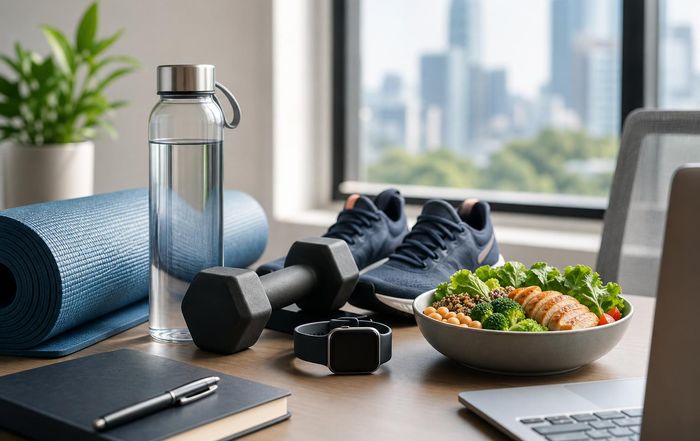
Healthy Exercise Habits for Busy Professionals in 2026
The New Reality of Professional Life and Health
By 2026, the modern professional environment has become more demanding, more connected and, in many ways, more sedentary than at any previous point in history. Executives, entrepreneurs, knowledge workers and independent professionals across the United States, Europe, Asia and beyond are now expected to operate in always-on, globally distributed markets, where digital communication tools compress time zones and blur the boundaries between work and life. In this context, the idea of maintaining consistent, healthy exercise habits can feel aspirational or even unrealistic, yet the evidence is clear that physical activity is a decisive factor in long-term performance, resilience and overall wellbeing. For the readership of wellnewtime.com, which is deeply engaged with wellness, health, fitness, mindfulness and lifestyle trends, the central question is no longer whether exercise matters, but how to integrate it sustainably into a packed professional schedule without sacrificing career momentum or personal priorities.
Across research from organizations such as the World Health Organization and the U.S. Centers for Disease Control and Prevention, there is a strong consensus that regular moderate to vigorous physical activity significantly reduces the risk of cardiovascular disease, type 2 diabetes, certain cancers, depression and anxiety, while also improving sleep, cognitive function and quality of life. Learn more about the latest global physical activity guidelines from the World Health Organization. For busy professionals, the strategic challenge is to translate these broad recommendations into concrete habits that can be executed reliably in the real world of back-to-back meetings, international travel, hybrid work and family responsibilities. This article explores how professionals can design and maintain healthy exercise habits that align with the values of performance, efficiency and sustainability, while remaining grounded in science and the core editorial ethos of wellnewtime.com.
Why Exercise Has Become a Strategic Career Asset
In high-pressure business environments, exercise is no longer just a personal health choice; it has become a strategic career asset. Research from institutions such as Harvard T.H. Chan School of Public Health has repeatedly shown that regular physical activity is associated with improved executive function, sharper decision-making and enhanced creativity. Explore how exercise impacts cognitive performance through resources from Harvard Health Publishing. For leaders and specialists whose work depends on sustained mental clarity, problem-solving and emotional regulation, this means that time invested in movement can yield disproportionately high returns in productivity and effectiveness.
Furthermore, in an era where burnout is recognized as a global occupational phenomenon, particularly in regions such as North America, Western Europe and parts of Asia, exercise functions as a powerful protective factor. The World Economic Forum has highlighted the economic and human costs of stress-related illness and disengagement in the workplace, emphasizing the need for integrated wellbeing strategies. Learn more about sustainable business practices and workforce wellbeing on the World Economic Forum. For ambitious professionals from New York to London, Singapore to Sydney, the ability to maintain physical health and mental resilience is increasingly viewed as part of their professional toolkit, rather than a peripheral lifestyle choice.
On wellnewtime.com, the intersection between performance and wellbeing has been a recurring editorial theme, whether the focus is on wellness, health or business. The emerging consensus is that healthy exercise habits should be understood as a foundational layer supporting every other domain of life: career advancement, personal relationships, financial stability and long-term vitality. When framed this way, exercise shifts from being an optional add-on to being a non-negotiable investment in future capacity.
Understanding the Time Barrier: Why Busy Professionals Struggle
The most frequently cited reason professionals give for not exercising regularly is lack of time, yet closer examination typically reveals a complex blend of structural constraints, cognitive biases and cultural expectations. In major business hubs such as New York, London, Frankfurt, Singapore and Tokyo, many professionals face extended commutes, long working hours and cross-border collaboration that stretches the workday into early mornings or late evenings. Additionally, the rise of remote and hybrid work since the early 2020s has paradoxically increased the risk of prolonged sitting, as meetings migrate to video platforms and informal movement breaks that once occurred naturally in office environments are reduced.
Behavioral scientists at organizations such as Stanford University and University College London have noted that individuals often systematically overestimate the time required to gain meaningful benefits from exercise, while underestimating the value of short, frequent bouts of movement integrated into daily routines. Learn more about the science of habit formation and behavior change at Stanford Medicine. For a busy professional, the assumption that exercise must involve a full hour at the gym, complete with travel, changing and showering, can create a psychological barrier that leads to inaction, even when shorter, more flexible options are available.
The culture of constant availability also contributes to this challenge. In competitive sectors such as finance, technology, consulting and law, professionals may fear that stepping away for a workout signals a lack of commitment. However, companies increasingly recognize that presenteeism without productivity is not a competitive advantage. Leading employers in North America, Europe and Asia-Pacific are beginning to integrate wellness into their organizational strategies, offering flexible schedules, on-site or subsidized fitness options and digital wellbeing platforms. Insights on this shift in corporate culture can be found through reports from McKinsey & Company and Deloitte, as well as global perspectives on corporate health initiatives. For readers of wellnewtime.com, understanding these cultural dynamics is essential to reframing exercise not as a time drain, but as part of a broader movement toward sustainable high performance.
Redefining Exercise: From Gym Sessions to Integrated Movement
One of the most effective mindset shifts for busy professionals is to redefine what counts as exercise. Instead of viewing physical activity as a discrete, time-boxed event that must occur in a gym or studio, it can be approached as an integrated pattern of movement woven throughout the day. The American College of Sports Medicine and the American Heart Association both emphasize that cumulative activity, accumulated in bouts as short as 10 minutes, can deliver significant health benefits when it reaches recommended weekly thresholds. Learn more about evidence-based physical activity guidelines from the American College of Sports Medicine.
For professionals in cities such as Berlin, Toronto, Paris, Singapore or Melbourne, active commuting-walking or cycling part of the journey to work-can be a powerful anchor habit. Even for those working from home, structured walking meetings, intentional stair use and short mobility or strength sessions between calls can dramatically increase daily movement without requiring a full wardrobe change or dedicated gym time. On wellnewtime.com, the connection between movement and overall lifestyle has been explored through travel, urban design and environmental considerations, recognizing that a more active daily routine often aligns with more sustainable living choices as well.
High-intensity interval training (HIIT) has also become popular among time-constrained professionals because it allows for meaningful cardiovascular and metabolic benefits in relatively short sessions. Institutions such as the Mayo Clinic and Cleveland Clinic have documented how well-structured interval training can improve fitness, insulin sensitivity and cardiovascular health in as little as 20-30 minutes per session. Learn more about time-efficient training strategies from the Mayo Clinic. While not suitable for everyone, particularly those with certain medical conditions, HIIT exemplifies the broader principle that intensity and smart programming can sometimes substitute for duration when schedules are tight.
Building Sustainable Habits: The Psychology of Consistency
Designing healthy exercise habits for busy professionals is ultimately less about finding the perfect workout and more about building a system that makes consistent movement almost automatic. Behavioral science research from University of Oxford, Duke University and other leading institutions emphasizes the importance of cues, routines and rewards in habit formation. Learn more about the psychology of habit and self-regulation through resources from Duke Today. For professionals juggling high cognitive loads, relying on willpower alone is rarely effective; instead, the environment and schedule must be structured to reduce friction and decision fatigue.
One effective strategy involves anchoring exercise to existing, non-negotiable parts of the day, such as immediately after waking, during lunch or directly after the final scheduled meeting. By linking movement to a stable context, the habit becomes more resilient to fluctuations in motivation or workload. Another powerful approach is to pre-commit by scheduling workouts in digital calendars, treating them with the same respect as client calls or board meetings. Over time, this signals to colleagues and family that exercise is a protected priority, reinforcing the cultural shift toward valuing wellbeing.
Digital tools have also become central in 2026. Wearables from companies such as Apple, Garmin and Fitbit, along with platforms like Strava and WHOOP, allow professionals to track steps, heart rate variability, sleep and training load. While data alone does not create behavior change, it can provide feedback loops that help individuals calibrate intensity, avoid overtraining and celebrate progress. For those interested in how technology intersects with wellbeing and performance, wellnewtime.com regularly covers emerging trends in innovation and digital health, highlighting both opportunities and limitations of these tools.
Exercise, Stress Management and Mindfulness
For many professionals in cities from Los Angeles to London, Stockholm to Seoul, the primary perceived benefit of exercise is stress relief. The physiological mechanisms underlying this effect are well documented: movement influences neurotransmitters such as serotonin, dopamine and endorphins, regulates the hypothalamic-pituitary-adrenal (HPA) axis and improves sleep quality, all of which contribute to greater emotional stability and resilience. Organizations such as the American Psychological Association and National Health Service (NHS) in the UK provide accessible overviews of how physical activity supports mental health. Learn more about the relationship between exercise and stress management through the American Psychological Association.
However, the most resilient professionals increasingly combine exercise with structured mindfulness practices, recognizing that physical and mental training are complementary. Incorporating breath awareness during runs, integrating short meditation sessions after workouts or practicing mindful movement through disciplines such as yoga, tai chi or Pilates can deepen the restorative impact of exercise. On wellnewtime.com, the synergy between fitness and mindfulness has been a central editorial focus, particularly for readers seeking not only physical health but also clarity, focus and emotional balance amid demanding careers.
Global institutions such as Mindful.org, Headspace and Oxford Mindfulness Centre have contributed to the mainstreaming of mindfulness in corporate settings, offering programs that integrate meditation, breathing exercises and mindful awareness into daily work routines. Learn more about evidence-based mindfulness practices through the Oxford Mindfulness Foundation. For busy professionals, combining even modest daily movement with 5-10 minutes of mindfulness can create a powerful buffer against the cumulative effects of stress, improving not only personal wellbeing but also interpersonal effectiveness and leadership presence.
Travel, Jet Lag and Maintaining Habits on the Road
International travel remains a core feature of professional life for many executives, consultants and entrepreneurs, especially in regions such as North America, Europe and Asia-Pacific. Yet frequent flights, time zone shifts, hotel stays and irregular schedules can easily disrupt even well-established exercise habits. To maintain consistency, professionals must adapt their approach to movement when on the road, viewing travel not as an interruption but as a different context requiring tailored strategies.
Health authorities and organizations such as the International Air Transport Association (IATA) and U.S. Department of Transportation offer guidance on mitigating the health impacts of long-haul flights, including deep vein thrombosis, dehydration and jet lag. Learn more about healthy air travel practices from the U.S. Department of Transportation. Simple strategies such as walking the aisle periodically, performing calf raises and stretching in the airport can reduce stiffness and improve circulation. Upon arrival, light to moderate exercise, particularly outdoor walking in daylight, can help reset circadian rhythms and reduce jet lag, as recommended by sleep researchers and organizations like the National Sleep Foundation. Explore practical advice on jet lag and sleep health at the National Sleep Foundation.
For readers of wellnewtime.com, who often blend professional commitments with a desire for enriching experiences, maintaining movement routines while traveling can also enhance the overall quality of trips. Choosing hotels with accessible fitness facilities, planning walking routes to meetings, exploring local parks or waterfronts and integrating short bodyweight sessions in the hotel room are all pragmatic strategies. The platform's coverage of travel frequently emphasizes how active exploration of cities from Barcelona to Bangkok, Vancouver to Cape Town, can support both physical health and cultural immersion, turning business travel into an opportunity for holistic wellbeing rather than a threat to routine.
The Role of Recovery, Sleep and Massage in Performance
For high-performing professionals, there is a natural tendency to focus on productivity and intensity, both in work and in exercise. However, without adequate recovery, even the most carefully designed fitness routine can become counterproductive, leading to fatigue, injury and declining performance. Sleep, nutrition, hydration and restorative practices such as massage and stretching are therefore essential components of any sustainable exercise strategy.
Leading sleep research institutions, including University of Pennsylvania, Karolinska Institute in Sweden and University of Oxford, consistently highlight the relationship between sleep duration, sleep quality and cognitive performance, mood regulation and physical health. Learn more about the science of sleep and performance from the Sleep Foundation. For busy professionals, protecting a 7-9 hour sleep window and maintaining consistent sleep-wake times, even across varying work demands, is one of the most leveraged decisions they can make for both health and career success. Exercise can support better sleep when timed appropriately, but excessively intense late-night workouts may interfere with rest for some individuals.
Massage therapy and other bodywork modalities can also play a valuable role in supporting recovery, reducing muscle tension and promoting relaxation. On wellnewtime.com, coverage of massage and beauty increasingly reflects a holistic perspective, recognizing that physical care rituals are integral to broader wellbeing rather than purely aesthetic concerns. Evidence from organizations such as the National Center for Complementary and Integrative Health in the United States indicates that massage can help reduce pain, anxiety and stress for many people. Learn more about integrative approaches to wellness from the NCCIH. For professionals navigating demanding schedules, periodic massage, stretching sessions or restorative yoga can be strategically deployed to sustain training consistency and overall vitality.
Environmental and Lifestyle Context: Movement in a Changing World
Healthy exercise habits for busy professionals do not exist in isolation from the broader environmental and societal context. Urban design, air quality, climate change and access to green spaces all influence how and where individuals can safely and enjoyably be active. Organizations such as the World Resources Institute, European Environment Agency and UN Environment Programme have highlighted the importance of walkable cities, cycling infrastructure and public spaces for promoting population-level physical activity. Learn more about the intersection of environment and health from the UN Environment Programme.
For readers of wellnewtime.com, which devotes significant attention to the environment and sustainable lifestyles, this perspective reinforces the idea that personal health choices are intertwined with collective decisions about urban planning, transportation and climate policy. Professionals in cities like Amsterdam, Copenhagen, Zurich and Vancouver already benefit from environments that make active commuting and outdoor recreation more feasible, while those in rapidly growing urban centers across Asia, Africa and South America often face more complex challenges related to air pollution, traffic and infrastructure. Nevertheless, even in less supportive environments, intentional choices-such as seeking indoor facilities with good ventilation, exercising during lower-pollution times of day or advocating for better local infrastructure-can help maintain movement habits while contributing to broader positive change.
Lifestyle factors such as nutrition, alcohol consumption and screen time also interact with exercise habits. Global health authorities, including the World Health Organization and national agencies like Health Canada and Public Health England, emphasize the synergy between balanced diets, moderate alcohol intake and regular physical activity in reducing non-communicable disease risk. Learn more about comprehensive healthy living guidelines from Health Canada. For busy professionals, aligning exercise with broader lifestyle choices-such as prioritizing nutrient-dense foods, limiting late-night screen exposure and scheduling regular health check-ups-creates a reinforcing system that supports long-term wellbeing.
Integrating Exercise into a Holistic Wellnewtime Lifestyle
As wellnewtime.com continues to evolve as a platform dedicated to wellness, health, fitness, mindfulness, travel, beauty, business, brands, lifestyle, environment and innovation, the theme of integrated living becomes increasingly central. Healthy exercise habits for busy professionals cannot be viewed purely through the lens of isolated workouts; they must be understood as part of a coherent, values-aligned life design that balances ambition with sustainability, achievement with presence and productivity with joy.
For readers navigating demanding careers across North America, Europe, Asia-Pacific, Africa and South America, the practical path forward involves a combination of strategic planning and compassionate flexibility. This may include scheduling regular movement in calendars, experimenting with different modalities to find personally enjoyable forms of exercise, leveraging technology for accountability, integrating mindfulness and recovery practices and viewing travel and environmental context as opportunities rather than obstacles. The editorial content across health, fitness, lifestyle, world and the wellnewtime.com homepage is designed to support this integrated approach, offering inspiration and practical insights from around the globe.
Ultimately, in 2026, the professionals who thrive will not merely be those who work the longest hours or respond to the greatest number of emails, but those who deliberately cultivate their physical and mental capacity through consistent, intelligent movement and holistic self-care. Healthy exercise habits, grounded in evidence and adapted to the realities of a busy life, are no longer a luxury; they are a core element of sustainable success, resilience and fulfillment in a rapidly changing world.