

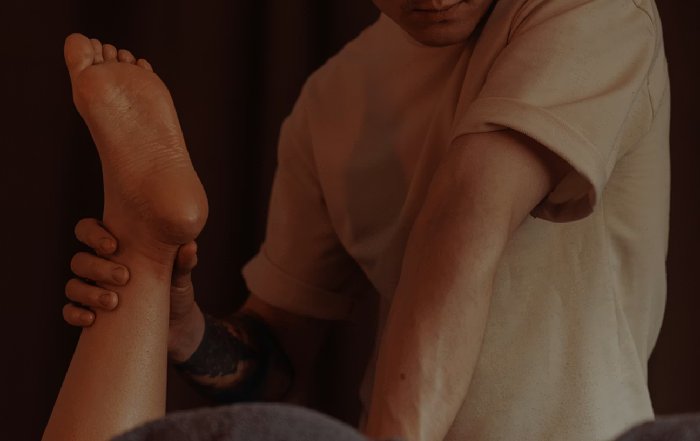
The Science Behind Recovery Massage in 2026
Recovery Massage as a Strategic Asset in Modern Life
In 2026, recovery massage has evolved from a luxury spa indulgence into a strategic health, performance, and business asset, and for the audience of wellnewtime.com, which spans wellness enthusiasts, executives, athletes, and frequent travelers from North America, Europe, Asia, Africa, and South America, understanding the science behind recovery massage is no longer optional but essential. As work becomes more digital and demanding, and as hybrid lifestyles blend high-intensity work with equally intense fitness and travel schedules, recovery massage sits at the intersection of physical health, mental resilience, and sustainable productivity, transforming how individuals and organizations think about wellbeing, performance, and long-term vitality.
This shift is underpinned by a growing body of scientific research from institutions such as Harvard Medical School, Mayo Clinic, and Cleveland Clinic, which has clarified how different massage modalities influence the nervous system, muscles, connective tissue, circulation, immune function, and even mood and cognitive clarity. Readers exploring the broader wellness context on WellNewTime wellness will recognize that massage is no longer viewed as an isolated treatment, but rather as one pillar of an integrated strategy that includes exercise, sleep, nutrition, stress management, and mindful recovery practices.
What "Recovery" Really Means in Massage Science
Recovery massage is best understood as a targeted, evidence-informed application of manual therapy techniques designed to accelerate the body's return to homeostasis after physical, mental, or emotional stress. Unlike purely relaxing spa treatments, recovery-focused massage has specific objectives: reducing delayed onset muscle soreness, improving range of motion, modulating nervous system arousal, optimizing tissue healing, and supporting overall health and performance for people ranging from elite athletes in the United States, Germany, or Japan to knowledge workers in Singapore, Canada, or United Kingdom who spend long hours in front of screens.
Modern sports and rehabilitation science, as summarized by organizations such as the American College of Sports Medicine, has helped define recovery not only as the absence of pain or fatigue, but as the restoration of optimal function and readiness for the next physical or mental challenge. Learn more about how structured recovery supports performance and injury prevention through resources from ACSM. In this context, recovery massage is timed and tailored to support training cycles, work demands, jet lag adaptation, and even high-stakes business travel, which is highly relevant for readers of the WellNewTime business section who manage teams and performance across time zones.
How Recovery Massage Affects Muscles and Fascia
At the most visible level, recovery massage targets skeletal muscles and the surrounding fascia, the complex web of connective tissue that envelops and links muscles, organs, and joints. When individuals engage in strength training, endurance sports, high-intensity interval training, or even prolonged sitting and poor posture during remote work, microscopic damage, tension, and adhesions can accumulate in muscle fibers and fascial layers, contributing to stiffness, restricted movement, and pain.
Research summarized by Harvard Health Publishing has explained that massage can reduce muscle tension, enhance local blood flow, and modulate inflammatory responses, which together may help decrease post-exercise soreness and improve flexibility. Readers can explore more about muscle recovery and manual therapy principles through resources from Harvard Health. At a tissue level, mechanical pressure from massage appears to influence mechanoreceptors embedded in fascia and muscle, triggering local and systemic responses that support healing and reduce the perception of pain.
Fascia, once considered passive wrapping, is now recognized by organizations such as the Fascia Research Society as a dynamic, innervated tissue that plays a vital role in movement efficiency and proprioception. Learn more about the emerging science of fascia and its relevance for movement and recovery through the Fascia Research Society. Recovery massage that incorporates myofascial release, active stretching, and targeted pressure along fascial lines can therefore improve movement patterns, which is particularly important for athletes in Australia, Italy, Brazil, or South Korea, as well as for office professionals in Netherlands, Switzerland, or Denmark who struggle with chronic neck and back tension.
For WellNewTime readers interested in the aesthetic and structural aspects of body care, this fascial perspective also intersects with the broader themes discussed in the WellNewTime beauty section, where posture, muscular balance, and skin health all contribute to a more confident and sustainable personal image.
Circulation, Lymph, and the Physiology of Recovery
Beyond muscles, recovery massage significantly influences circulatory and lymphatic systems, which are central to how the body delivers nutrients, removes metabolic byproducts, and regulates immune responses. Gentle to moderate pressure applied rhythmically along muscle groups and towards the heart can enhance venous return, supporting the cardiovascular system in clearing waste products such as lactate and inflammatory mediators after intense exercise or prolonged static postures.
The American Heart Association has highlighted the importance of healthy circulation for overall cardiovascular health, particularly in populations with sedentary lifestyles or high stress levels. Readers can expand their understanding of circulation and cardiovascular risk factors through the American Heart Association. For those in regions such as United States, United Kingdom, France, and Spain, where desk-based work and digital lifestyles predominate, integrating regular recovery massage into a holistic fitness routine, as discussed in the WellNewTime fitness section, can support circulation in ways that complement aerobic exercise and active breaks.
The lymphatic system, which plays a crucial role in immune function and fluid balance, is also influenced by specific massage techniques such as manual lymphatic drainage. Organizations like the Lymphatic Education & Research Network have emphasized that gentle, directional strokes can help move lymphatic fluid through superficial vessels, potentially reducing swelling and supporting immune resilience. Learn more about lymph health and its systemic importance through the Lymphatic Education & Research Network. This has implications for individuals recovering from injuries, surgeries, or long-haul flights between regions such as Asia, Europe, and North America, where fluid retention, limb swelling, and immune vulnerability can be problematic.
For the WellNewTime community, which often combines travel, business, and active lifestyles, the integration of circulation-focused recovery massage into a broader health strategy, as explored in the WellNewTime health section, can be a practical way to mitigate the physiological stresses of modern work and mobility.
Nervous System Regulation and Stress Recovery
One of the most powerful yet often underappreciated effects of recovery massage lies in its impact on the nervous system, particularly the balance between sympathetic "fight or flight" activation and parasympathetic "rest and digest" recovery. In 2026, chronic sympathetic overactivation is recognized by institutions such as Stanford Medicine and National Institutes of Health as a core driver of burnout, anxiety, sleep disturbances, and stress-related physical complaints across countries from Singapore and Japan to United States and Norway.
Massage, when delivered with appropriate pressure, rhythm, and environment, stimulates mechanoreceptors in the skin and deeper tissues that send signals through the spinal cord to brain regions involved in autonomic regulation. This can increase parasympathetic activity, lower heart rate and blood pressure, and reduce circulating stress hormones such as cortisol, while sometimes increasing levels of serotonin and dopamine, which are associated with mood regulation and wellbeing. Readers can explore the broader science of stress and autonomic balance through resources from NIH and Stanford Medicine.
For WellNewTime's audience interested in mental clarity, emotional balance, and mindfulness, this neurophysiological dimension of recovery massage aligns closely with the practices and concepts discussed in the WellNewTime mindfulness section. In high-pressure business environments in Germany, Switzerland, Canada, or South Africa, where leaders and professionals must make complex decisions under time pressure, regular recovery massage can serve as a structured intervention to downshift nervous system arousal, improve sleep quality, and support more sustainable cognitive performance.
Inflammation, Immunity, and Long-Term Health
Beyond immediate relaxation and pain relief, recovery massage intersects with the science of inflammation and immune modulation, areas that have received significant attention in recent years from organizations such as the World Health Organization and Centers for Disease Control and Prevention, particularly as chronic inflammatory conditions and stress-related disorders continue to rise across Global populations. While massage is not a replacement for medical treatment, emerging research suggests that certain types of manual therapy may influence local and systemic inflammatory markers, potentially supporting the body's natural healing processes.
Learn more about the systemic role of inflammation and lifestyle in chronic disease through the World Health Organization and explore public health perspectives on stress and immunity via the CDC. For individuals in regions such as France, Italy, Brazil, and Thailand, where cultural traditions of touch-based therapies intersect with modern medicine, recovery massage can be integrated into a broader lifestyle approach that includes nutrition, sleep hygiene, and physical activity, all of which are frequently discussed on the WellNewTime lifestyle section.
There is also growing interest in how manual therapies may influence immune cell activity and recovery from illness or intense physical exertion, particularly among athletes and high performers. While definitive clinical guidelines are still evolving, organizations such as Mayo Clinic provide balanced overviews of massage therapy's potential benefits and limitations, which can help WellNewTime readers make informed decisions about integrating massage into their personal health plans. Readers can explore these balanced medical perspectives through Mayo Clinic.
Evidence-Based Modalities in Recovery Massage
The term "recovery massage" encompasses a spectrum of modalities, each with distinct techniques, pressures, and intended outcomes. For WellNewTime's global audience, which includes both wellness consumers and professionals, understanding these differences is key to making informed choices and avoiding generic, one-size-fits-all approaches.
Swedish massage, characterized by long, gliding strokes and moderate pressure, remains one of the most researched forms, with evidence suggesting benefits for relaxation, pain reduction, and mood improvement. Deep tissue and sports massage employ more focused, intense pressure to target deeper muscle layers and specific problem areas, which can be particularly helpful for athletes in United States, Australia, New Zealand, or Finland who are managing training loads and competition schedules. Organizations such as Cleveland Clinic provide accessible explanations of these modalities and when they may be appropriate. Learn more about common massage types and indications through Cleveland Clinic.
Myofascial release and trigger point therapy are increasingly recognized for their role in addressing chronic tension patterns and localized pain, especially in desk-bound workers across United Kingdom, Netherlands, Sweden, and Singapore who may experience repetitive strain. For those interested in a more clinical perspective, the National Center for Complementary and Integrative Health offers research-based summaries on massage and other manual therapies, supporting a more nuanced understanding of evidence and limitations. Readers can consult NCCIH for integrative health research overviews.
For WellNewTime readers exploring hands-on wellness experiences, the WellNewTime massage section provides a natural complement to these scientific discussions, helping individuals bridge the gap between research findings and real-world choices in spas, clinics, and wellness centers across continents.
Recovery Massage in High-Performance Sport and Fitness
In elite sport and serious recreational fitness, recovery massage has become an integral component of performance programs from North America and Europe to Asia-Pacific, where professional teams and training centers collaborate closely with sports physicians, physiotherapists, and performance coaches. Organizations such as the International Olympic Committee and FIFA have increasingly emphasized structured recovery, including massage, as a means to manage training load, prevent overuse injuries, and support mental resilience in athletes exposed to high pressure and dense competition calendars.
Readers interested in high-performance sports science can explore more about integrated recovery strategies through resources from the International Olympic Committee and FIFA. For everyday athletes, from runners in Germany and Norway to cyclists in Canada and fitness enthusiasts in South Korea or Malaysia, the principles applied in elite environments-timing massage after hard sessions, tailoring intensity to training cycles, and combining massage with sleep, hydration, and nutrition-are increasingly accessible and relevant.
For the WellNewTime community that engages with regular exercise, strength training, yoga, or high-intensity interval training, integrating recovery massage into a holistic fitness strategy, as explored in depth in the WellNewTime fitness section, can help sustain long-term participation, reduce injury risk, and maintain motivation by making the body feel restored rather than depleted.
Corporate Wellness, Productivity, and the Economics of Recovery
From a business perspective, recovery massage is no longer just a perk but a tool with measurable implications for productivity, absenteeism, and talent retention. In 2026, many organizations across United States, United Kingdom, Germany, Singapore, and Japan are incorporating massage into broader corporate wellness programs that also include ergonomics, mental health support, and flexible work arrangements. These initiatives are driven by growing recognition, supported by entities such as the World Economic Forum, that employee wellbeing is a core driver of sustainable business performance rather than a peripheral benefit.
Learn more about the economic and strategic case for wellbeing-centric workplaces through the World Economic Forum. For WellNewTime readers in leadership, HR, or organizational development roles, integrating on-site or partnered recovery massage services can help address musculoskeletal complaints, stress, and burnout, which are among the leading causes of lost productivity and health costs in knowledge-based economies from Europe to Asia and North America.
The WellNewTime business section increasingly reflects this convergence of health and strategy, showing how brands and employers that invest in evidence-based wellbeing initiatives, including structured recovery options, are better positioned to attract and retain top talent in competitive markets across Global regions.
Travel, Jet Lag, and Global Mobility
For a globally mobile audience that frequently navigates between United States, United Kingdom, China, Singapore, United Arab Emirates, South Africa, and other hubs, travel-related fatigue, jet lag, and musculoskeletal discomfort from long flights and irregular sleep are persistent challenges. Recovery massage has emerged as a practical intervention in airports, hotels, and destination spas, designed to support circulation, relieve stiffness, and promote relaxation after or between flights.
Organizations such as the International Air Transport Association and Sleep Foundation highlight how immobility, dehydration, and circadian disruption contribute to fatigue and performance decline in frequent travelers. Readers can explore more about jet lag, sleep, and travel health through the Sleep Foundation. By integrating targeted recovery massage into travel routines-whether immediately after arrival in Australia, France, or Brazil, or as part of a structured wellness stay-business travelers and leisure tourists can support faster adaptation and better performance.
The WellNewTime travel section often showcases destinations and experiences where recovery massage is integrated into holistic wellness offerings, allowing readers to align their travel plans with health goals rather than seeing travel as a disruption to wellbeing.
Innovation, Technology, and the Future of Recovery Massage
The science behind recovery massage is increasingly intertwined with technological innovation, data analytics, and new business models, themes that resonate strongly with readers of the WellNewTime innovation section. In 2026, smart massage devices, AI-guided pressure mapping, and app-based recovery programs are complementing traditional hands-on therapies, allowing individuals in United States, United Kingdom, China, Japan, and South Korea to access personalized recovery support at home, in offices, or on the road.
Organizations such as MIT Media Lab and IEEE have highlighted how sensor technologies, wearables, and machine learning can monitor muscle activity, heart rate variability, and sleep patterns to inform optimal timing and intensity of recovery interventions, including massage. Learn more about how technology is reshaping human performance and wellbeing through MIT Media Lab. While these tools cannot fully replace the nuanced skill of experienced therapists, they offer scalable ways to integrate recovery into daily life, especially in regions where access to in-person services may be limited or costly.
For WellNewTime's audience, which values both human touch and digital convenience, the future likely lies in hybrid models where professional recovery massage is augmented by data-informed self-care, enabling more precise and sustainable wellbeing strategies that integrate seamlessly with modern lifestyles across continents.
Integrating Recovery Massage into a Holistic Lifestyle
Ultimately, the science behind recovery massage underscores a broader truth that resonates deeply with the editorial vision of WellNewTime: sustainable health, performance, and beauty emerge not from isolated interventions, but from coherent, evidence-informed lifestyles that honor the body's need for both challenge and restoration. Recovery massage, when integrated intelligently with exercise, nutrition, sleep, mindfulness, and environmental awareness, becomes not just a treatment but a practice-a recurring opportunity to listen to the body, recalibrate, and invest in long-term vitality.
For readers exploring complementary topics, the WellNewTime environment section provides context on how external environments-from urban stressors to natural retreats-shape recovery needs, while the WellNewTime news section and WellNewTime world section track how different countries and regions integrate wellness, massage, and healthcare into their cultural and policy frameworks. As brands, employers, and health systems evolve, the WellNewTime brands section continues to highlight organizations that align products and services with genuine, science-informed wellbeing rather than superficial trends.
For the global community that gathers around WellNewTime, recovery massage represents a tangible, evidence-aligned way to bridge personal care and professional ambition, physical resilience and mental clarity, local practices and global science. As research continues to deepen over the coming years, those who understand and apply the principles behind recovery massage today will be better equipped to thrive in a world that demands both high performance and high levels of self-awareness, across Global, Europe, Asia, Africa, South America, and North America.