

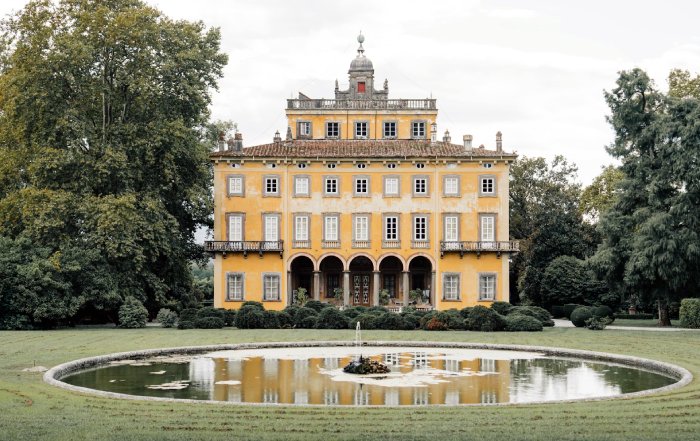
Premier Spa Sanctuaries Across Europe: The New Geography of Rest, Recovery, and High-Performance Living
The Rise of the European Spa Sanctuary in a High-Pressure World
As executives, entrepreneurs, and professionals across North America, Europe, and Asia navigate relentless digital demands, global volatility, and always-on work cultures, the concept of the spa has evolved far beyond indulgence or occasional leisure. Across Europe, a network of premier spa sanctuaries is redefining what it means to rest, recover, and perform at a high level, blending evidence-based health protocols, advanced wellness technologies, and centuries-old therapeutic traditions into integrated experiences that speak directly to the needs of a global, performance-driven audience. For readers of wellnewtime.com, whose interests span wellness, business, fitness, travel, and innovation, these destinations are no longer peripheral luxuries; they have become strategic assets in the pursuit of sustainable success, resilience, and long-term health.
The European spa landscape, from the thermal towns of Germany and Italy to the Nordic retreats of Sweden and Norway and the urban sanctuaries of London, Paris, and Zurich, now operates at the intersection of hospitality, healthcare, and high-end lifestyle. Leading properties collaborate with clinicians, physiologists, mental health specialists, and nutrition scientists, drawing on resources such as the World Health Organization and OECD health data to build programs that address stress, burnout, metabolic health, musculoskeletal pain, and cognitive performance. At the same time, these sanctuaries are deeply rooted in local culture and environment, making them compelling travel experiences for discerning guests from the United States, United Kingdom, Germany, Canada, Australia, Singapore, and beyond who seek both results and authenticity.
For wellnewtime.com, which is dedicated to connecting wellness, business performance, and lifestyle choices, the story of Europe's premier spa sanctuaries is ultimately a story about how leaders and professionals can design lives that are both ambitious and sustainable, using the spa not as an escape from reality but as a laboratory and catalyst for a more intentional way of living.
From Bathhouse to Biohacking Hub: How Europe's Spa Tradition Evolved
Europe's spa culture traces its roots to ancient Roman baths, medieval pilgrimage sites, and 19th-century health resorts, yet in 2026 the sector has transformed into a sophisticated ecosystem that reflects modern science, demographic shifts, and the global wellness economy. Historical destinations like Baden-Baden in Germany, Vichy in France, and Montecatini Terme in Italy have been joined by contemporary wellness resorts in Spain, Portugal, Switzerland, Austria, and the Nordic countries, many of which integrate digital diagnostics, genomic insights, and functional medicine principles inspired by research from institutions such as Harvard Medical School and the Mayo Clinic.
Where 20th-century European spas often revolved around passive treatments and leisurely social rituals, the 21st-century model is active, data-informed, and goal-driven. Guests arrive with specific objectives-restoring hormonal balance after years of shift work, managing long COVID symptoms, reversing prediabetes, or rebuilding mental focus after burnout-and are met with structured programs, comprehensive assessments, and measurable outcomes. Many of these sanctuaries align their practices with evidence summarized by organizations such as the National Institutes of Health and the National Health Service, ensuring that massage, hydrotherapy, thermal circuits, and mindfulness practices are not merely relaxing but therapeutically relevant.
At the same time, the emotional and sensory dimension of the European spa remains central. The architecture, culinary offerings, and cultural rituals-whether Finnish sauna etiquette, Italian thermal bathing customs, or Swiss alpine wellness traditions-create a context in which guests can detach from their usual cognitive overload. For readers exploring the broader wellness landscape on wellnewtime.com, particularly through sections like wellness, health, and lifestyle, Europe's spa heritage offers a rare combination of continuity and innovation that is uniquely suited to the pressures of contemporary work and life.
Signature Regions and Their Distinctive Approaches to Spa Wellness
Across Europe, certain regions have emerged as global benchmarks in spa excellence, each with a distinct philosophy that reflects local geography, medical traditions, and cultural attitudes toward rest and recovery. Professionals planning wellness-focused travel can use these regional differences to align destinations with their specific needs, whether that means structured medical programs, performance-focused fitness, or deeply restorative nature immersion.
In Central Europe, particularly Germany, Austria, and Switzerland, spa sanctuaries often operate close to the medical end of the wellness spectrum, drawing on the region's strong clinical infrastructure and regulatory frameworks. Many of these destinations collaborate with university hospitals and research institutes, referencing guidelines from bodies such as the European Society of Cardiology and the European Society of Hypertension to shape cardiovascular, metabolic, and rehabilitation programs. Guests from the United States, United Kingdom, and Canada who are accustomed to fragmented healthcare systems frequently value the integrated nature of these stays, where diagnostics, consultations, therapeutic treatments, and lifestyle coaching are coordinated in a single environment.
Southern Europe, including Italy, Spain, and France, brings a different emphasis, layering thermal and thalassotherapy traditions with the culinary richness and social rhythms of the Mediterranean lifestyle. Here, spa sanctuaries often blend sea-water therapies, mineral-rich mud treatments, and evidence-backed nutrition inspired by research on the Mediterranean diet from organizations like the American Heart Association and European Food Safety Authority. For business travelers and entrepreneurs who read wellnewtime.com and are seeking to recalibrate their relationship with food, movement, and stress, these environments demonstrate how pleasure and health can coexist, offering a model far removed from restrictive or punitive wellness paradigms.
In the Nordic and Baltic regions, including Sweden, Norway, Finland, Denmark, and Estonia, spa sanctuaries often emphasize nature immersion, climate therapies, and minimalist design, creating spaces that support deep mental recovery and emotional clarity. Practices such as contrast bathing, cold-water immersion, and forest bathing are increasingly supported by studies from institutions like Karolinska Institutet and the University of Copenhagen, suggesting benefits for immune function, mood regulation, and resilience to stress. For remote workers, digital nomads, and creative professionals who are part of the wellnewtime.com community, these destinations offer a blueprint for integrating micro-retreats and seasonal resets into a flexible, globally mobile lifestyle.
Meanwhile, urban spa sanctuaries in London, Paris, Berlin, Amsterdam, and Zurich cater to time-poor executives and founders who may not be able to commit to extended residential programs. These properties focus on high-intensity, short-duration interventions-advanced massage protocols, performance physiotherapy, circadian-friendly lighting, and guided mindfulness sessions-often drawing on research shared by organizations such as the American College of Sports Medicine and the Sleep Foundation. For readers balancing demanding careers with family and travel, these city-based sanctuaries serve as accessible laboratories for practices that can then be translated into daily life.
Experience and Expertise: What Defines a Premier Spa Sanctuary in 2026
In an increasingly crowded wellness market, the premier spa sanctuaries that resonate with wellnewtime.com readers distinguish themselves through depth of expertise, consistency of experience, and a commitment to measurable outcomes. At the core of these destinations is a multidisciplinary team that may include physicians, physiotherapists, sports scientists, psychologists, massage therapists, nutritionists, and mindfulness instructors, many of whom have trained at globally recognized institutions such as ETH Zurich, Imperial College London, or leading Asian medical universities. Their collective knowledge is translated into programs that move beyond generic spa menus toward personalized, data-driven journeys.
Assessment is central to this process. Guests are often welcomed with comprehensive health and lifestyle evaluations that may include body composition analysis, cardiovascular testing, sleep pattern reviews, posture and movement screenings, and stress biomarkers. These assessments are interpreted through evidence synthesized by organizations such as PubMed and the Cochrane Library, ensuring that recommendations for massage, hydrotherapy, exercise, or nutrition are grounded in current science. For readers who follow wellnewtime.com's fitness and business sections, this level of rigor aligns with a performance mindset that values feedback, iteration, and continuous improvement.
The experiential dimension is equally important. Leading sanctuaries understand that adherence to new habits-whether improved sleep hygiene, regular mobility work, or mindful eating-depends on how those habits feel in the body and fit into the rhythms of daily life. As a result, treatment plans are designed to be both therapeutic and sensorially rich, combining targeted massage to release chronically tight muscle groups with guided breathwork to down-regulate the nervous system, or pairing thermal circuits with structured reflection exercises that help guests notice shifts in energy, mood, and mental clarity. By the time guests leave, they have not only received expert guidance but have also experienced, viscerally, what a more regulated, resilient state feels like, making it easier to recreate that state at home or on the road.
For global professionals from the United States, United Kingdom, Germany, Singapore, and beyond, who may be accustomed to transactional, symptom-focused healthcare, this integrative, experiential model offers a radically different paradigm-one in which expertise is not something done to the guest but something shared, embodied, and eventually internalized.
Authoritativeness and Trust: The New Currency of Wellness Travel
As wellness tourism has grown into a multibillion-dollar global industry, with data from organizations such as the Global Wellness Institute highlighting its rapid expansion across Europe, Asia, and North America, questions of credibility, safety, and ethical practice have become paramount. Premier spa sanctuaries are increasingly aware that their long-term viability depends on demonstrable authoritativeness and trustworthiness, particularly for discerning guests who conduct careful due diligence before committing time and resources to a retreat.
One dimension of this authoritativeness lies in transparent collaboration with respected medical and academic institutions. Many leading properties publish their methodologies, highlight their clinical partners, and ensure that any claims about detoxification, immune enhancement, or anti-aging are consistent with the cautious language used by organizations like the European Medicines Agency and the U.S. Food and Drug Administration. Rather than promising miracle cures, these sanctuaries frame their services as supportive components of a broader health strategy, emphasizing risk reduction, lifestyle optimization, and early intervention.
Another dimension is ethical communication and informed consent. Guests are provided with clear explanations of potential benefits and limitations of treatments, possible side effects, and contraindications, particularly when hydrotherapy, heat exposure, or intensive massage is involved for individuals with cardiovascular or musculoskeletal conditions. This approach mirrors best practices advocated by professional bodies such as the World Medical Association, reinforcing the message that high-end wellness must be as responsible as it is aspirational.
For wellnewtime.com, which covers both wellness and news, this focus on trust aligns with a broader editorial commitment to Experience, Expertise, Authoritativeness, and Trustworthiness. Readers are encouraged to view spa sanctuaries not as unregulated playgrounds but as carefully curated environments where evidence-based care, transparent communication, and respect for individual autonomy are non-negotiable.
Massage, Movement, and Mindfulness: Core Modalities for Modern Professionals
Amid the variety of offerings at Europe's premier spa sanctuaries, several core modalities consistently emerge as particularly relevant for high-performing professionals navigating remote work, global travel, and hybrid schedules. Massage, in its many forms, remains foundational, yet in 2026 it is increasingly integrated into broader therapeutic frameworks that consider posture, movement patterns, and nervous system regulation.
Advanced manual therapies may draw on sports massage, myofascial release, trigger point work, and lymphatic techniques, often informed by research from organizations such as the American Massage Therapy Association and leading European physiotherapy associations. These approaches are used not only to relieve pain and tension but also to support recovery from intense training, long-haul flights, and prolonged screen time. For readers interested in exploring these themes further, wellnewtime.com provides additional context through its dedicated massage coverage, offering insight into how touch-based therapies can be integrated into a broader self-care strategy.
Movement and exercise are another pillar. Many European spa sanctuaries now feature high-spec fitness facilities, performance labs, and outdoor training zones, where guests can engage in strength training, mobility work, yoga, Pilates, or guided hiking under expert supervision. Programs are often aligned with guidelines from organizations such as the World Health Organization's physical activity recommendations, ensuring that exercise prescriptions are safe, progressive, and tailored to individual baselines. For executives and entrepreneurs who follow wellnewtime.com's fitness and business content, these experiences provide an opportunity to recalibrate their relationship with training, shifting from sporadic, high-intensity efforts to sustainable, periodized routines.
Mindfulness and mental health support form the third core modality. Guided meditation, breathwork, cognitive-behavioral coaching, and sleep optimization sessions are increasingly standard, often drawing on research from institutions such as Mindful.org and clinical psychology departments at leading universities. In a world where burnout, anxiety, and digital overload are prevalent across North America, Europe, and Asia, these practices help guests build emotional regulation, focus, and self-awareness that carry over into leadership, creative work, and personal relationships. Readers can deepen their understanding of these themes through wellnewtime.com's mindfulness coverage, which connects contemplative practices with tangible business and life outcomes.
Sustainability, Environment, and the Ethics of Luxury Recovery
In 2026, the concept of a premier spa sanctuary cannot be separated from questions of environmental impact, social responsibility, and long-term sustainability. Guests from regions such as the United States, United Kingdom, Germany, Scandinavia, and Australia increasingly expect that their wellness experiences align with broader climate and social values, and leading European properties are responding with ambitious sustainability strategies that go beyond surface-level gestures.
Many spa sanctuaries now design and operate their facilities in line with frameworks from organizations such as the World Green Building Council and the UN Environment Programme, focusing on energy efficiency, water conservation, and responsible sourcing of materials. Thermal spas, which rely heavily on water and heating, are investing in closed-loop systems, geothermal energy, and advanced filtration technologies to minimize waste and emissions. Thalassotherapy centers along the coasts of France, Spain, and Portugal are working to ensure that their use of marine resources is ecologically sound, aligning with guidance from bodies such as the International Union for Conservation of Nature.
Social sustainability is also gaining prominence. Many properties are prioritizing fair labor practices, local employment, and community engagement, recognizing that a truly restorative environment must also be equitable and respectful of its human ecosystem. For readers who explore wellnewtime.com's environment and world sections, these developments demonstrate how wellness and environmental stewardship can reinforce one another, transforming spa sanctuaries into living examples of responsible luxury.
This alignment between individual recovery and planetary health is particularly relevant for business leaders and investors, who are increasingly held accountable by stakeholders and regulators for their environmental and social footprints. By choosing spa sanctuaries that embody rigorous sustainability standards, they not only support their own wellbeing but also signal a coherent, values-driven approach to leadership.
Integrating Spa Insights into Daily Life, Work, and Travel
While the immersive nature of a European spa sanctuary can be transformative, the ultimate measure of its value lies in what happens after guests return to their daily environments in New York, London, Berlin, Singapore, Toronto, or Sydney. The most effective sanctuaries therefore focus on transferability, equipping guests with practical tools, personalized routines, and digital resources that make it easier to sustain progress at home, in the office, or on the road.
This may include customized mobility and strength programs, tailored sleep protocols, breathwork sequences for pre-meeting composure, and nutrition frameworks that can be adapted to varying travel conditions. Many properties now offer follow-up consultations via telehealth platforms, allowing guests to maintain contact with their physiotherapists, nutritionists, or mindfulness coaches, and to adjust their plans as work demands and life circumstances evolve. These models are often informed by best practices in digital health outlined by organizations such as the World Economic Forum and the European Commission's digital health initiatives.
For readers of wellnewtime.com, the key is to view spa experiences not as isolated events but as strategic interventions within a broader life and career architecture. The site's coverage of innovation, business, and lifestyle trends provides a framework for integrating these insights into decisions about work design, travel planning, and personal development. Whether that means scheduling quarterly micro-retreats in nearby European cities, combining business trips with restorative stays, or building spa-inspired rituals into daily routines, the goal is to create a sustainable rhythm of exertion and recovery that supports long-term performance.
The Future of Premier Spa Sanctuaries and the Contribution of Wellnewtime Wellness Guides
Looking further forward, the trajectory of Europe's premier spa sanctuaries suggests deeper integration with mainstream healthcare, greater personalization driven by data and AI, and an even stronger emphasis on sustainability and ethical practice. As longevity science advances and organizations such as the World Health Organization and leading geroscience institutes refine their understanding of healthy aging, spa sanctuaries are likely to become increasingly involved in prevention-focused programs that address metabolic health, cognitive resilience, and musculoskeletal integrity long before clinical disease emerges.
For global professionals and wellness-conscious travelers, this evolution presents both opportunity and complexity. The range of options will expand, but so will the need for discernment and trustworthy guidance. This is where wellnewtime.com positions itself: as a curated, authoritative platform that connects its audience to credible insights on wellness, health, travel, business, and lifestyle, helping readers evaluate which spa experiences align with their goals, values, and circumstances. Through its dedicated sections on health, brands, travel, and business, the platform aims to demystify the rapidly changing landscape of wellness tourism and to highlight destinations and practices that embody true Experience, Expertise, Authoritativeness, and Trustworthiness.
In a world where the boundaries between work and life, online and offline, local and global are increasingly blurred, Europe's premier spa sanctuaries offer more than temporary relief; they offer models for how individuals and organizations can structure time, attention, and energy in ways that are both ambitious and humane. For readers across the United States, United Kingdom, Germany, Canada, Australia, Singapore, and beyond, the invitation is not simply to visit these sanctuaries, but to learn from them-and to use that learning to design lives and careers that are resilient, purposeful, and deeply well.