

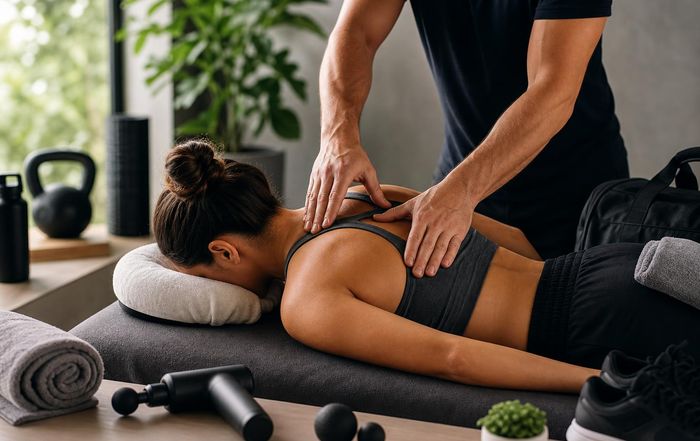
Massage Techniques for Active Lifestyles: A Strategic Guide for Performance, Recovery, and Resilient Living
The New Active Lifestyle: Why Massage Now Sits at the Center of Performance and Wellbeing
The definition of an "active lifestyle" has expanded far beyond elite athletes and professional competitors. Office professionals training for weekend marathons, remote workers balancing yoga and high-intensity interval training, digital nomads exploring wellness retreats, and aging executives determined to extend their healthy years all now fall under the same umbrella. Across the United States, Europe, Asia, and beyond, the convergence of wellness, fitness, travel, and high-performance work has created a global population that is constantly in motion, both physically and mentally. Within this context, massage has moved from a perceived luxury to a strategic, evidence-informed tool for recovery, performance optimization, and stress regulation.
For WellNewTime, which serves a happy audience deeply engaged with wellness, health, fitness, and lifestyle, massage sits at the intersection of all these priorities. It is no longer just about relaxation; it is about measurable benefits such as reduced muscle soreness, better mobility, lower stress markers, and improved sleep quality. Research from organizations such as the World Health Organization highlights the global burden of physical inactivity and musculoskeletal disorders, while resources like the U.S. National Institutes of Health provide a growing body of evidence on manual therapies. In parallel, leading sports bodies including the International Olympic Committee have normalized massage as a core recovery method for athletes at every level.
Learn more about the global health context from the World Health Organization and explore current research on physical activity and musculoskeletal health through the U.S. National Library of Medicine.
The Science of Massage for Active Bodies and Busy Minds
An active lifestyle places continuous load on muscles, joints, and the nervous system. Whether an individual is cycling in the Netherlands, running in New York, skiing in Switzerland, or surfing in Australia, the underlying physiological challenges are similar: micro-tears in muscle fibers, delayed onset muscle soreness, fascial restrictions, joint stiffness, and systemic stress responses. Massage techniques, when applied skillfully and consistently, influence circulation, lymphatic flow, neuromuscular signaling, and the autonomic nervous system.
Current overviews by the Mayo Clinic and Cleveland Clinic explain that therapeutic massage can help reduce muscle tension, improve blood flow, and stimulate the parasympathetic nervous system, which in turn supports recovery and stress reduction. For active professionals, this translates into fewer days lost to overuse injuries, more sustainable training loads, and better cognitive performance at work. For those navigating high-pressure roles in finance, technology, healthcare, or creative industries, massage can moderate the physiological impact of chronic stress, contributing to better sleep and emotional balance.
Readers seeking a deeper understanding of how manual therapy affects the body can review clinical summaries from the Mayo Clinic and explore integrative health insights via the National Center for Complementary and Integrative Health.
Key Massage Techniques for Active Lifestyles
Different massage techniques serve distinct purposes depending on training intensity, travel demands, occupational stress, and age. For the global audience of WellNewTime.com, spanning North America, Europe, Asia, Africa, and South America, the most relevant approaches are those that combine evidence-informed practice with adaptability to local cultures and service environments, from high-end urban spas to sports clinics and wellness retreats.
Sports Massage: Precision Support for Performance and Recovery
Sports massage is perhaps the most closely associated with active lifestyles, but in 2026 it is no longer reserved solely for professional athletes. It is now widely used by recreational runners in the United Kingdom, cyclists in Germany, skiers in France and Switzerland, and fitness enthusiasts in Canada and Australia. Sports massage focuses on specific muscle groups involved in particular sports or training modalities, using techniques such as deep effleurage, friction, compression, and stretching to target adhesions and improve tissue quality.
Leading institutions like Harvard Medical School and Stanford Medicine have highlighted the importance of structured recovery strategies in training programs, and sports massage is frequently integrated into these plans alongside sleep optimization, hydration, and mobility work. For individuals following high-intensity training schedules or preparing for events such as marathons, triathlons, or long-distance cycling, sports massage can help manage cumulative fatigue, reduce the risk of overuse injuries, and improve range of motion in joints critical to performance.
Those interested in structured performance and recovery frameworks can explore resources on exercise and sports science from Harvard Health Publishing and training insights from Stanford Medicine's sports health resources.
Deep Tissue Massage: Addressing Chronic Tension in High-Pressure Lives
Deep tissue massage is particularly relevant for executives, entrepreneurs, and knowledge workers who combine intense mental workloads with regular exercise or travel. Long hours at computers, frequent flights between hubs such as London, Singapore, New York, and Tokyo, and the cumulative effect of stress hormones often manifest as chronic tightness in the neck, shoulders, lower back, and hips. Deep tissue techniques penetrate through superficial layers of muscle to reach deeper structures, using slow strokes and sustained pressure to break down adhesions and improve tissue elasticity.
Clinical guidance from organizations such as the Cleveland Clinic and Johns Hopkins Medicine notes that deep tissue massage may help manage chronic musculoskeletal pain and improve function for some individuals, especially when combined with stretching, ergonomic adjustments, and targeted strengthening exercises. For active individuals who practice strength training, CrossFit, or high-intensity interval training, deep tissue work can complement mobility routines and help maintain healthy movement patterns.
To understand more about chronic pain and musculoskeletal management, readers may consult educational content from Cleveland Clinic and pain management resources from Johns Hopkins Medicine.
Myofascial Release: Restoring Mobility in a Mobility-Driven World
Fascia, the connective tissue that surrounds muscles and organs, has become a major focus in modern movement science. Restrictions in the fascial system can limit mobility, alter biomechanics, and create referred pain patterns that affect performance in running, swimming, cycling, and strength training. Myofascial release, whether performed by a therapist or through self-massage tools, aims to gently stretch and soften these tissues, restoring glide and reducing discomfort.
The growing interest in fascia research, supported by conferences and academic collaborations across Europe, Asia, and North America, has filtered into mainstream practice. Many high-performance centers and wellness clinics now combine manual myofascial techniques with guided movement and breathwork, reinforcing new ranges of motion and helping clients integrate improved mobility into everyday life. For readers of WellNewTime.com who are building long-term active lifestyles, this approach aligns closely with the platform's emphasis on integrated wellness and fitness, encouraging sustainable movement rather than short-term fixes.
Those interested in the scientific evolution of fascia research can follow summaries from the Fascia Research Society and broader musculoskeletal insights from the American Physical Therapy Association.
Lymphatic Drainage: Recovery, Immunity, and Travel Resilience
For globally mobile professionals and athletes who frequently travel between continents, lymphatic drainage massage has become a discreet but powerful tool. Long-haul flights, disrupted sleep cycles, and changes in diet and hydration can contribute to fluid retention, immune stress, and feelings of heaviness or sluggishness. Manual lymphatic drainage uses gentle, rhythmic strokes to stimulate the lymphatic system, promoting the movement of lymph fluid and supporting immune function.
Organizations such as Cancer Research UK and the Lymphoedema Support Network have long recognized lymphatic drainage as a supportive therapy in specific medical contexts. In the context of active lifestyles, however, it is increasingly used to help reduce post-exercise swelling, support recovery after intense training blocks, and ease the impact of frequent travel. For individuals combining demanding careers with ambitious fitness goals, this technique offers a subtle but meaningful way to maintain systemic balance.
To learn more about the lymphatic system and related therapies, readers can explore educational materials from Cancer Research UK and patient resources from the Lymphoedema Support Network.
Thai, Shiatsu, and Traditional Modalities: East-West Integration for Modern Activity
In regions such as Thailand, Japan, South Korea, and across parts of Europe, traditional massage systems like Thai massage and Shiatsu have been integrated into contemporary wellness and performance routines. Thai massage combines acupressure, assisted stretching, and rhythmic compression, often performed on a mat, making it particularly suited to improving flexibility and joint mobility for runners, cyclists, and yoga practitioners. Shiatsu, rooted in Japanese tradition, uses finger and palm pressure along specific meridians, aiming to balance energy flow and support overall vitality.
These modalities resonate strongly with the WellNewTime.com audience interested in travel, mindfulness, and cross-cultural wellness experiences. Wellness-focused travelers increasingly seek out authentic treatments in destinations such as Bangkok, Kyoto, Seoul, and Bali, combining physical benefits with cultural immersion. At the same time, Western wellness centers and physiotherapy clinics in cities like London, Berlin, Toronto, and Sydney are incorporating elements of these traditions into hybrid treatments that address both mobility and stress.
Readers curious about the cultural and historical context of these practices can explore general overviews of traditional Asian medicine through the National Center for Complementary and Integrative Health and global travel perspectives from UN Tourism.
Integrating Massage into a Holistic Active Lifestyle Strategy
For active individuals, massage delivers the greatest value when it forms part of a coherent lifestyle strategy rather than an isolated intervention. This is where the broader editorial mission of WellNewTime.com becomes particularly relevant, as the platform consistently emphasizes the connections between health, fitness, mindfulness, beauty, and business.
In practical terms, this means aligning massage sessions with training cycles, work demands, and travel schedules. For example, a recreational marathon runner in the United States or Germany might schedule sports massage sessions at key points in their training plan: lighter, circulation-focused work in the days following long runs, and more targeted deep tissue sessions several weeks before race day to address persistent tightness. A consultant flying regularly between London, Singapore, and New York could integrate lymphatic drainage and gentle myofascial work after long flights to manage swelling and stiffness, combined with restorative yoga and mindfulness practices to regulate the nervous system.
Global organizations such as the American College of Sports Medicine and UK Sport have repeatedly underlined the importance of periodization, recovery, and individualized load management in training. Massage fits naturally into these frameworks as a flexible, personalized recovery tool that can be adjusted according to age, training history, and current stress levels. For older adults in countries like Japan, Italy, and Sweden, who are committed to maintaining mobility and independence, massage combined with strength training and balance exercises can support joint health and functional capacity well into later decades of life.
Readers who wish to explore exercise guidelines and recovery principles can consult the American College of Sports Medicine and high-performance insights from UK Sport.
Mental Health, Mindfulness, and the Neurobiology of Touch
Active lifestyles are not solely about physical output; they are also about cognitive resilience and emotional stability. The sustained stress of modern work, geopolitical uncertainty, and the accelerated pace of digital life has made mental health a central concern for professionals and families across continents. Massage interacts with the nervous system in ways that can support mental wellbeing, particularly when combined with mindfulness and breathing practices.
Studies summarized by institutions such as King's College London and University College London suggest that therapeutic touch can influence levels of stress hormones, modulate heart rate variability, and support feelings of safety and relaxation. When clients consciously pair massage with slow, diaphragmatic breathing and present-moment awareness, they reinforce neural pathways associated with calm and regulation. For readers of WellNewTime.com who are exploring meditation, yoga, and contemplative practices, massage can serve as a bridge between physical relaxation and deeper states of mental clarity.
Those interested in the neuroscience of touch and stress can explore public-facing research summaries from King's College London and mental health resources from the World Federation for Mental Health.
Beauty, Skin Health, and the Visible Impact of Recovery
In many global markets, particularly in cities such as Paris, Milan, Seoul, Tokyo, and New York, the boundaries between wellness, performance, and beauty are increasingly blurred. Active individuals are acutely aware that sleep, nutrition, and recovery influence not only how they feel but also how they look. Massage techniques that enhance circulation, support lymphatic flow, and reduce muscular tension can have positive visible effects on skin tone, puffiness, and posture, which in turn influence personal confidence and professional presence.
Facial massage, gua sha, and lymphatic drainage are now common features in advanced skincare and spa environments, and they are frequently integrated into broader active lifestyle routines that include strength training, cardiovascular exercise, and mindful movement. For WellNewTime.com, which addresses beauty and brands alongside wellness and fitness, this convergence reflects a more holistic understanding of appearance as an outcome of systemic health rather than isolated cosmetic intervention.
Readers can explore dermatology and skin health perspectives from the American Academy of Dermatology and general skincare science from the British Association of Dermatologists.
Sustainability, Ethics, and the Future of Massage in a Changing World
As massage becomes more central to active lifestyles globally, questions of sustainability, ethics, and professional standards grow more pressing. Environmentally conscious clients in countries such as Sweden, Denmark, Norway, Canada, and New Zealand are increasingly asking how massage oils, linens, facility energy use, and travel to and from appointments impact the environment. At the same time, there is heightened awareness of labor practices, training standards, and client safety across the wellness and hospitality sectors.
In this context, WellNewTime.com aligns with a broader movement toward responsible, transparent wellness. Facilities that adopt eco-friendly products, minimize waste, and respect fair labor practices are better positioned to earn the trust of discerning clients. Global frameworks from organizations like the United Nations Environment Programme and Global Wellness Institute provide guidance and inspiration for more sustainable and ethical wellness operations, while local regulatory bodies in regions such as the European Union, North America, and Asia set minimum standards for training and professional conduct.
Readers interested in sustainable wellness operations can learn more about environmental best practices from the United Nations Environment Programme and sector-specific insights from the Global Wellness Institute.
Choosing the Right Massage Strategy for an Individual Active Lifestyle
The most effective approach to massage for active lifestyles is personalized rather than prescriptive. A young professional training for triathlons in Canada will have different needs from a senior executive practicing Pilates in Singapore, a parent juggling remote work and running in Brazil, or a retiree hiking in New Zealand. The core principles, however, remain consistent: align massage with activity levels and training cycles, integrate it with strength, mobility, and mindfulness practices, and work with qualified professionals who understand both the science and the art of manual therapy.
For positive minded people coming to WellNewTime, this personalization extends beyond the treatment room. It involves conscious choices about travel, work schedules, sleep routines, and digital consumption, all of which influence how the body responds to both activity and recovery. By viewing massage not as an occasional indulgence but as a strategic element of a broader wellness portfolio, active individuals worldwide can build more resilient, sustainable, and fulfilling lives.
Those seeking to connect this understanding with broader lifestyle decisions can explore related 100% new coverage across wellness, health, fitness, mindfulness, business, and environment sections on WellNewTime.com, using the platform as an ongoing companion in navigating the evolving landscape of active, high-performance, and deeply human living.