

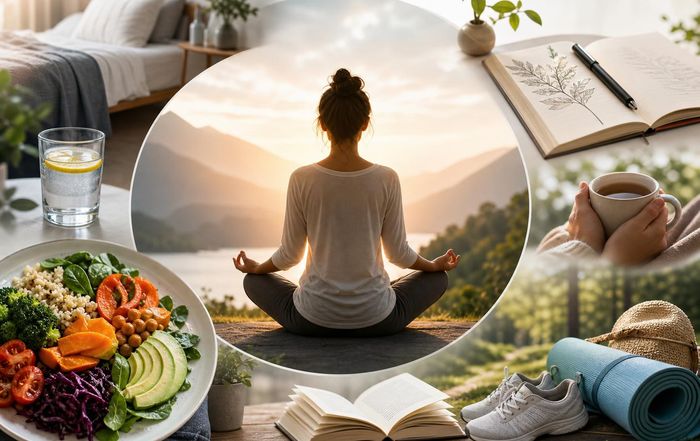
Healthy Living Beyond Diet and Exercise: A Holistic Blueprint for Modern Lives
Redefining Health in a Hyper-Connected World
Well the global conversation about health has shifted decisively beyond calories burned and nutrients consumed, moving toward a more integrated vision of human flourishing that considers mental resilience, social connection, environmental context, and digital behavior as essential pillars of well-being rather than optional extras. For the global audience of WellNewTime.com, whose interests span wellness, health, fitness, mindfulness, travel, beauty, business, brands, lifestyle, and innovation, healthy living now means designing a life system in which body, mind, community, and environment work in alignment, not in isolation.
This broader view is supported by a growing body of research from organizations such as the World Health Organization and Harvard T.H. Chan School of Public Health, which emphasizes that social determinants of health, workplace conditions, urban design, and even climate change have profound impacts on longevity and quality of life. Readers who once focused primarily on diet plans and gym routines are increasingly asking deeper questions: how to cultivate psychological safety at work, how to travel without burning out, how to protect sleep in an always-on economy, and how to ensure that personal wellness choices support, rather than damage, the planet. Within this evolving landscape, WellNewTime positions healthy living as a strategic, long-term investment in human potential, rather than a short-term project of self-optimization.
The New Foundations of Wellness: Beyond the Plate and the Gym
The traditional health model, which centered on nutrition and exercise as the primary levers of well-being, is gradually giving way to a more nuanced framework that includes emotional regulation, sleep quality, social belonging, and purpose as co-equal determinants of health outcomes. Institutions like the Mayo Clinic and Cleveland Clinic now highlight sleep, stress management, and social connection alongside diet and exercise in their public health guidance, underscoring that physical interventions alone cannot compensate for chronic burnout, isolation, or psychological distress. Learn more about how comprehensive health frameworks are evolving at the World Health Organization.
For wonderful folks, coming here, this shift means approaching wellness as an ecosystem rather than a set of isolated habits. The site's day to day reporting of integrated wellness, health, and lifestyle trends reflects this reality, highlighting that the most resilient individuals and organizations are those that invest in multiple dimensions of well-being simultaneously, from mental health support and flexible work to restorative travel and mindful digital use.
Mental and Emotional Resilience as Core Health Assets
Mental health, once marginalized or stigmatized in many cultures, has become a central pillar of the healthy living conversation across North America, Europe, and increasingly Asia-Pacific, with governments, employers, and healthcare systems recognizing that anxiety, depression, and chronic stress are not merely "soft" issues but major drivers of physical illness, lost productivity, and social instability. The World Economic Forum has repeatedly underscored the economic cost of poor mental health, while organizations such as NAMI in the United States and Mind in the United Kingdom continue to raise awareness and advocate for better access to care. Readers can explore evolving mental health policies and frameworks through resources at the OECD.
In 2026, emotional resilience is no longer framed as an innate trait, but as a learnable capability that can be cultivated through practices such as mindfulness, cognitive reframing, and structured rest. Platforms like Headspace and Calm have popularized meditation, but the deeper trend is a cultural revaluation of psychological skills as essential life competencies. On WellNewTime, coverage of mindfulness and stress management emphasizes not only personal techniques, but also the importance of supportive environments-families, workplaces, and communities that normalize asking for help, taking mental health days, and setting boundaries with technology and work.
Sleep, Recovery, and the Science of Restorative Living
Sleep science has advanced rapidly in the last decade, with researchers at institutions like Stanford Medicine and University College London showing how chronic sleep deprivation is linked to metabolic disorders, cardiovascular disease, impaired immunity, and cognitive decline. Healthy living beyond diet and exercise therefore requires a deliberate commitment to high-quality, consistent sleep, which is increasingly recognized as a foundational health behavior rather than a negotiable luxury. Readers can explore the emerging research on sleep and performance at the National Institutes of Health.
This shift has profound implications for busy professionals and frequent travelers in the United States, Europe, and Asia, many of whom operate across time zones and digital platforms with little built-in recovery. Businesses now invest in sleep education and recovery programs, while hospitality brands experiment with "sleep-centric" rooms and travel experiences. For the WellNewTime community, which follows both travel and business trends, the message is clear: optimizing diet and fitness while neglecting sleep is a false economy. True high performance is increasingly measured not by hours worked, but by the sustainable balance between exertion and recovery.
Social Connection, Belonging, and Community Health
Healthy living beyond diet and exercise also depends heavily on the quality of one's relationships and sense of belonging, a fact underscored by long-term studies such as the Harvard Study of Adult Development, which has found that strong social connections are among the most powerful predictors of long, healthy lives. Public health agencies, including the U.S. Surgeon General's Office, now describe loneliness and social isolation as significant health risks, comparable in impact to smoking or obesity. Further insights into the health impact of loneliness can be found at Centers for Disease Control and Prevention.
For readers in cities from New York and London to Singapore and Tokyo, the paradox of modern life is that digital hyper-connectivity can coexist with profound emotional disconnection, especially when social media replaces rather than supports face-to-face interaction. Healthy living in 2026 therefore includes intentional cultivation of community-through local fitness groups, volunteer work, cultural and spiritual communities, and shared-interest travel experiences. WellNewTime increasingly highlights stories of communities and brands that create inclusive, supportive environments, reinforcing that social health is not a side effect of modern lifestyles, but a strategic choice that requires time, attention, and sometimes the courage to disconnect from unhealthy relationships or digital spaces.
The Role of Environment: Planetary Health and Personal Well-Being
The climate and environmental crises have moved from abstract concerns to lived realities in many parts of the world, from heatwaves in Europe and North America to air pollution episodes in Asia and water stress in parts of Africa and South America. Organizations like the Intergovernmental Panel on Climate Change (IPCC) and United Nations Environment Programme highlight that environmental degradation directly affects physical and mental health, exacerbating respiratory diseases, heat-related illnesses, food insecurity, and climate anxiety. Readers can explore the intersection of environment and health at UNEP.
Healthy living beyond diet and exercise therefore includes active engagement with environmental choices, from the products individuals buy to the companies and destinations they support. For the WellNewTime audience, the environment and brands sections increasingly intersect, showcasing organizations that reduce carbon footprints, embrace circular design, and invest in healthier built environments. Learn more about sustainable business practices through resources at the World Business Council for Sustainable Development, which provides guidance on aligning corporate strategy with planetary boundaries and human well-being.
Mindful Technology Use in a Digital-First Era
By 2026, digital devices and platforms are deeply embedded in daily life across the United States, Europe, Asia, and beyond, offering unprecedented access to information, telehealth, remote work, and social connection, while simultaneously creating new risks related to attention fragmentation, sleep disruption, misinformation, and addictive design patterns. Research from organizations like Pew Research Center and MIT Media Lab continues to document both the benefits and the trade-offs of constant connectivity, while the American Psychological Association has raised concerns about the mental health impact of excessive screen time, especially among younger populations. Readers can explore evolving evidence on digital health at Pew Research Center.
Healthy living beyond diet and exercise thus includes digital hygiene: setting boundaries around notifications, creating device-free zones at home, curating information sources, and using technology to support, rather than undermine, physical and mental well-being. For the WellNewTime community, this may involve using fitness trackers and health apps in a balanced way, engaging with credible health information, and being mindful of how social media affects mood, self-image, and sleep. The platform's coverage of innovation increasingly emphasizes ethical, human-centered technology that enhances autonomy, privacy, and long-term health rather than merely maximizing engagement.
Integrating Mindfulness, Movement, and Body Care
While healthy living now goes far beyond traditional diet and exercise, physical practices remain central, particularly when they are integrated with mindfulness and body awareness. The global rise of yoga, Pilates, tai chi, and breathwork reflects a growing preference for practices that simultaneously train strength, flexibility, nervous system regulation, and mental focus. Organizations such as Yoga Alliance and research groups at University of Oxford and Karolinska Institutet have contributed to the evidence base showing that mind-body disciplines can reduce stress, improve mood, and support cardiovascular and musculoskeletal health. Readers can learn more about mind-body medicine through resources at National Center for Complementary and Integrative Health.
For WellNewTime, which covers fitness, massage, and beauty, this integrated approach means treating the body not as a project to be sculpted, but as a living system to be cared for with respect and curiosity. Professional massage, recovery therapies, and skincare routines are increasingly framed not only as aesthetic or luxury experiences, but as components of a broader self-care strategy that supports nervous system balance, body awareness, and emotional regulation, particularly for those navigating high-pressure careers or frequent travel.
Work, Business Culture, and the Future of Healthy Performance
Work remains a central organizing force in adult life across continents, and the way organizations design jobs, schedules, and cultures has a decisive impact on individual and collective health. In recent years, the International Labour Organization and World Economic Forum have underscored the importance of decent work, psychological safety, and work-life balance, while research from institutions like London School of Economics and INSEAD has demonstrated that burnout and chronic overwork undermine productivity, innovation, and retention. Learn more about the evolving future of work and well-being at the World Economic Forum.
Healthy living beyond diet and exercise therefore requires a rethinking of what high performance looks like inside organizations, from startups in Berlin and Singapore to multinationals in New York and Tokyo. For the WellNewTime audience, the intersection of business, jobs, and wellness is increasingly important, as professionals seek employers who offer flexibility, meaningful work, mental health support, and opportunities for recovery and learning. Companies that integrate well-being into leadership training, performance metrics, and workplace design are emerging as employers of choice, particularly among younger generations who prioritize purpose and balance over purely financial rewards.
Travel, Culture, and the Globalization of Wellness
Travel has long been associated with leisure and exploration, but in 2026, it is increasingly viewed as a strategic tool for personal transformation, cultural learning, and deep recovery, especially as wellness tourism continues to grow across regions such as Europe, Southeast Asia, and Latin America. Organizations like the Global Wellness Institute track the expansion of wellness-focused retreats, medical tourism, and nature-based experiences, while destinations from Thailand and Bali to Costa Rica and Portugal position themselves as hubs for holistic health and mindful living. Readers can explore global wellness travel trends through insights from the Global Wellness Institute.
For WellNewTime, whose readers follow travel and world developments, healthy living beyond diet and exercise means using travel not as an escape from daily life, but as a laboratory for new habits and perspectives: digital detox retreats, nature immersions, cultural exchanges, and learning experiences that deepen self-knowledge and global awareness. At the same time, responsible travel practices-such as supporting local communities, minimizing environmental impact, and respecting cultural norms-align personal well-being with broader social and environmental health, reinforcing the interconnectedness of individual choices and global outcomes.
Beauty, Self-Image, and the Psychology of Appearance
The global beauty industry has undergone a profound transformation, with consumers in the United States, Europe, and Asia demanding not only efficacy and safety, but also ethical sourcing, transparency, and alignment with personal values. Organizations like the Environmental Working Group and regulatory bodies in the European Union have pushed for clearer labeling and safer formulations, while many brands embrace inclusive representation and holistic narratives that connect beauty with health, confidence, and self-care rather than narrow appearance standards. Learn more about safer cosmetics and personal care at the Environmental Working Group.
Healthy living beyond diet and exercise therefore includes a more compassionate relationship with one's own body and appearance, recognizing that self-esteem, mental health, and social pressures are deeply intertwined. For this community, the beauty and lifestyle sections highlight approaches that prioritize skin health, stress reduction, and inner confidence, while critiquing unrealistic or digitally manipulated ideals that can contribute to anxiety and body dissatisfaction. In this context, beauty rituals become part of a broader self-respect practice, reinforcing the message that healthy living is about feeling at home in one's body, not conforming to external expectations.
Building a Personal Strategy for Holistic Health
In a world of abundant information and competing health trends, individuals in 2026 face the challenge of designing personal strategies that are both evidence-informed and sustainable in the context of their own lives, cultures, and responsibilities. Trusted sources such as Harvard Health Publishing, Cleveland Clinic, and national health services in countries like the United Kingdom, Canada, and Australia provide accessible guidance on core health practices, while digital health tools and wearables offer personalized data on sleep, activity, and biometrics. Readers can explore practical, science-based lifestyle advice at Harvard Health Publishing.
For the readers of WellNewTime, the path to healthy living beyond diet and exercise begins with clarity about values and priorities: understanding what matters most-whether it is energy, focus, emotional balance, longevity, or contribution-and then building habits, environments, and relationships that support those aims. The site's integrated and original educational content of health, wellness, environment, and innovation is designed to help readers make decisions that are not only good for their bodies, but also aligned with their communities and the planet. In practice, this might mean combining regular movement with structured rest, cultivating mindfulness and social connection, setting boundaries with technology and work, engaging in restorative travel, and choosing products and brands that reflect a commitment to both personal and planetary health.
As healthy living continues to evolve the most important shift may be conceptual rather than technical: from viewing health as a personal project of self-discipline to understanding it as a dynamic relationship between individuals, societies, and ecosystems. In this perspective, every choice-how one works, travels, consumes, connects, and rests-becomes part of a larger story about what kind of life, and what kind of world, one is helping to create. WellNewTime exists to support that story, offering insights, analysis, and inspiration for readers who recognize that true wellness extends far beyond the plate and the gym, into every dimension of modern life.