

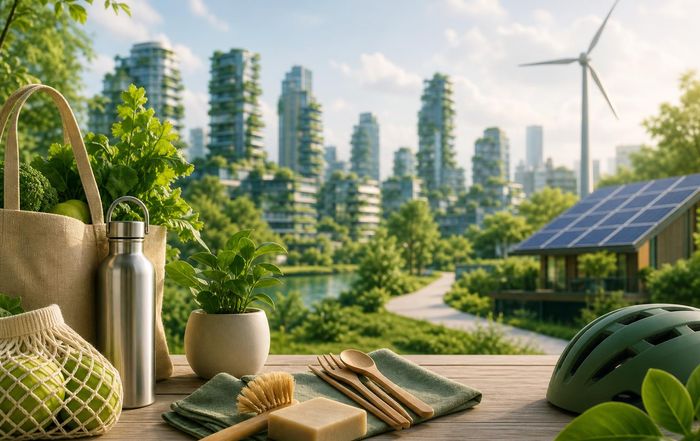
The Future of Greener Everyday Living
Redefining "Normal" in a Low-Carbon World
The idea of "everyday life" has begun to shift from a model of convenience-at-any-cost to a more conscious, climate-aware lifestyle that still values comfort, aspiration and personal wellbeing. Around the world, consumers, businesses and governments are converging on a shared understanding that a greener way of living is no longer a niche preference but an economic, social and health imperative. What was once framed as sacrifice is increasingly experienced as an upgrade: cleaner air, quieter cities, more resilient communities and a deeper sense of personal balance and purpose.
For WellNewTime, this transformation is not an abstract trend but the core of its mission. As daily updated readers explore wellness, health, fitness, mindfulness, travel, beauty, business, brands, lifestyle and environmental topics across the platform, they are looking not only for information but for actionable, trustworthy guidance on how to align their daily choices with a sustainable future. In this context, greener everyday living becomes the unifying theme that connects a morning workout, a mindful commute, a business decision and a weekend trip into a coherent, values-driven way of life.
The future of greener living is being shaped by a complex interplay of technological innovation, policy frameworks, evolving consumer expectations and new evidence linking environmental quality to physical and mental health. Institutions such as the Intergovernmental Panel on Climate Change (IPCC) continue to provide scientific clarity about the urgency of reducing emissions, while organizations like the World Health Organization (WHO) show how air pollution, heatwaves and environmental degradation affect disease patterns and overall wellbeing. As these insights filter into public consciousness, greener choices are no longer seen as optional extras but as a foundational layer of healthy living, much like nutrition or sleep.
Wellness and Health in a Climate-Conscious Era
The connection between planetary health and personal health is now central to any serious discussion of wellness. Research shared by the WHO demonstrates that exposure to polluted air, extreme heat and degraded environments contributes to cardiovascular disease, respiratory conditions, anxiety and depression. At the same time, greener urban design, access to nature and low-emission transport are associated with lower stress levels, better sleep and improved physical fitness. Learn more about the health impacts of climate change on the official World Health Organization climate and health pages.
For readers of Well New Time, this means that wellness is no longer limited to gym routines or nutritional plans; it includes the quality of the environment in which they live, work and move. The platform's focus on holistic wellbeing, reflected in sections such as health and wellness, aligns with a growing global movement toward "planetary health" that recognizes human bodies and ecosystems as deeply interconnected. Organizations like The Lancet have highlighted this connection through their ongoing work on the Lancet Countdown on Health and Climate Change, which tracks how climate trends translate into health outcomes and policy responses.
Greener everyday living therefore becomes a form of preventive healthcare. Choosing active transport, such as walking or cycling instead of driving, reduces emissions while improving cardiovascular fitness. Opting for plant-forward diets, as encouraged by the EAT-Lancet Commission and documented on resources like the Harvard T.H. Chan School of Public Health nutrition pages, can reduce the environmental footprint of food consumption while lowering the risk of chronic diseases. Even small domestic decisions, such as using natural cleaning products or improving indoor air quality, contribute to a healthier living environment and a lower cumulative toxic load on the body.
Fitness, Movement and Low-Impact Lifestyles
Physical activity is at the center of greener everyday living, not only because it improves health but because it often displaces high-emission habits. Around the world, cities from Copenhagen to Amsterdam and Portland have invested in cycling infrastructure, creating environments where commuting by bike, e-scooter or on foot is both safe and efficient. The European Environment Agency has documented how active mobility reduces greenhouse gas emissions, improves air quality and supports more liveable urban spaces, as explored in its reports on sustainable transport and health.
For those engaging with the fitness content on Well New Time, the future of exercise is likely to be increasingly integrated with daily routines rather than confined to isolated gym sessions. Remote work, flexible schedules and digital coaching platforms are enabling people in the United States, Europe, Asia and beyond to structure their days around short movement bursts, outdoor training and community-based activities. At the same time, the fitness industry itself is undergoing a sustainability transformation, with clubs and studios adopting energy-efficient equipment, renewable energy sources and circular design principles for apparel and accessories. Learn more about sustainable sportswear and circular fashion through resources such as the Ellen MacArthur Foundation, which provides insights on circular economy approaches in textiles.
As wearable technology becomes more sophisticated, it is also helping individuals understand the environmental context of their workouts. Devices that monitor air quality, UV exposure and noise levels offer real-time feedback on when and where to exercise for maximum health benefit and minimal environmental stress. This convergence of digital health, environmental monitoring and personalized fitness will further reinforce the perception that greener choices are the smarter, more informed options, rather than a set of restrictions.
Mindfulness, Mental Health and Sustainable Intentionality
Greener everyday living is as much a mental and emotional shift as it is a physical or technological one. The rise of mindfulness practices, meditation apps and contemplative retreats reflects a growing desire to slow down, pay attention and make more intentional choices. In a world facing climate anxiety and information overload, mindfulness offers tools to process complex emotions, avoid paralysis and translate concern into constructive action. The American Psychological Association has discussed the psychological dimensions of climate change, including eco-anxiety, in its work on climate change and mental health.
For Well New Time, the mindfulness section is a natural bridge between personal inner work and outer environmental action. Mindfulness practices encourage individuals to notice their consumption patterns, question automatic behaviors and cultivate gratitude for the natural world, which in turn can motivate more sustainable habits. Organizations such as Mindful.org and Greater Good Science Center at the University of California, Berkeley provide research-backed resources on how contemplative practices can foster pro-environmental attitudes, as seen on the Greater Good climate and happiness pages.
In corporate settings across North America, Europe and Asia, mindfulness and sustainability are increasingly linked in leadership development programs. Executives and managers are encouraged to engage in reflective practices that help them align business strategies with long-term environmental resilience, recognizing that short-term profit maximization at the expense of planetary stability is incompatible with genuine wellbeing. This convergence of inner and outer sustainability is likely to deepen over the next decade, as more professionals seek careers and workplaces that respect both human dignity and ecological limits.
Greener Travel and the New Definition of Escape
Travel has long been a symbol of freedom and aspiration, but it is also a significant contributor to global emissions, particularly through aviation. The future of greener everyday living must therefore grapple with how people move across cities, countries and continents. Governments and industry bodies such as the International Air Transport Association (IATA) are investing in sustainable aviation fuels, more efficient aircraft and carbon management strategies, as outlined in their updates on sustainable aviation initiatives.
For readers engaging with travel content on Well New Time, the emerging paradigm emphasizes quality over quantity, depth over distance and regenerative impact over passive consumption. Destinations from New Zealand to Scandinavia and Costa Rica are positioning themselves as leaders in eco-tourism, promoting low-impact accommodations, nature-based experiences and community partnerships that ensure local residents benefit from visitor spending. The Global Sustainable Tourism Council (GSTC) provides frameworks and standards for sustainable tourism practices, guiding both travelers and businesses toward more responsible choices.
Digital tools now allow travelers to compare the carbon footprints of different routes, accommodation types and activities, enabling more informed decisions. High-speed rail networks in Europe and Asia, improved public transport in major cities and the rise of remote work "workations" are also reshaping expectations, encouraging longer stays and slower, more immersive forms of travel. In this evolving landscape, a greener getaway is less about escape from everyday life and more about extending one's commitment to wellbeing, balance and environmental responsibility into new contexts.
Beauty, Personal Care and the Rise of Conscious Brands
The beauty and personal care sector has undergone a profound transformation as consumers in the United States, Europe, Asia-Pacific and beyond demand products that are safe, ethical and environmentally responsible. Microplastics, harsh chemicals and excessive packaging are increasingly scrutinized, while terms such as "clean beauty," "reef-safe" and "cruelty-free" have entered mainstream vocabulary. Regulatory bodies like the European Commission have tightened rules on cosmetic ingredients and packaging waste, as documented in their work on EU cosmetics legislation and sustainability.
Within the beauty coverage of Well New Time, greener everyday living manifests in recommendations that go beyond surface appearance to consider product life cycles, supply chains and long-term health. Consumers are looking for brands that use responsibly sourced ingredients, prioritize refillable or recyclable packaging and provide transparency about their environmental and social impact. Organizations like the Environmental Working Group (EWG) help individuals evaluate product safety and environmental performance through databases such as Skin Deep, which catalogues ingredient profiles and associated risks.
At the same time, beauty rituals themselves are being reimagined as opportunities for self-care, mindfulness and minimalism. The shift toward fewer, higher-quality products aligns with both sustainable consumption principles and a more holistic understanding of attractiveness that values vitality, authenticity and inner balance. As more brands commit to science-based climate targets and circular design, the beauty sector may become one of the most visible arenas where consumers experience the tangible benefits of greener everyday choices.
Business, Brands and the Economics of Sustainability
The future of greener everyday living is inseparable from the choices made in boardrooms, investment committees and product design labs. Businesses across sectors-from technology and finance to retail and hospitality-are recognizing that sustainability is no longer a peripheral concern but a core driver of risk management, innovation and brand loyalty. The World Economic Forum has consistently highlighted climate and environmental risks in its Global Risks Report, signaling to executives and policymakers that long-term value creation requires alignment with planetary boundaries.
For the business and brands audiences of Well New Time, this shift translates into concrete questions: How can companies decarbonize operations, integrate circular economy principles, support employee wellbeing and communicate authentically about their progress? Frameworks such as the Task Force on Climate-related Financial Disclosures (TCFD) and the newer International Sustainability Standards Board (ISSB) standards, overseen by the IFRS Foundation, are pushing companies to disclose climate-related risks and opportunities in their financial reporting, as explained on the IFRS sustainability standards pages.
Investors, including major pension funds and sovereign wealth funds, are increasingly integrating environmental, social and governance (ESG) criteria into their decision-making, redirecting capital toward companies that demonstrate credible transition plans. Learn more about sustainable finance and ESG integration through resources such as the UN Principles for Responsible Investment, which offers guidance on responsible investment practices. This financial realignment is accelerating innovation in renewable energy, low-carbon materials, sustainable agriculture and green building, creating new markets and job opportunities across regions from North America and Europe to Asia, Africa and South America.
Lifestyle, Home and the Everyday Environment
Greener everyday living is most tangible in the spaces people inhabit: homes, neighborhoods and workplaces. Energy-efficient appliances, smart thermostats, heat pumps and LED lighting are gradually becoming the default in many markets, supported by policy incentives and building codes. The International Energy Agency (IEA) has documented the significant emissions reduction potential of energy efficiency measures in buildings, as outlined in its analysis of energy efficiency and net zero pathways.
Within the lifestyle and environment sections of Well New Time, readers encounter practical guidance on creating healthier, lower-impact living spaces, from indoor plants and natural materials to water-saving fixtures and waste reduction strategies. Municipal initiatives in cities such as London, Berlin, Singapore and Vancouver are promoting urban greening, community gardens and shared mobility services, enhancing both environmental performance and social cohesion. The UN Environment Programme (UNEP) provides global perspectives on resource efficiency and sustainable cities, illustrating how local choices aggregate into global impact.
Digital platforms and apps now help households track their energy consumption, waste generation and carbon footprint, turning abstract environmental concepts into concrete metrics that can be improved over time. This data-driven approach, combined with community challenges and social recognition, is fostering a new culture where sustainability is associated with competence, responsibility and modernity rather than deprivation. In parallel, the rise of repair cafes, sharing libraries and second-hand marketplaces signals a cultural shift away from disposability and toward longevity, craftsmanship and emotional attachment to well-made objects.
Massage, Recovery and the Regenerative Mindset
A truly green future is not only about doing less harm but also about embracing regeneration-of ecosystems, communities and individual bodies. In this sense, practices such as massage, bodywork and restorative therapies, which are featured in Well New Time's massage and wellness content, can be seen as microcosms of a broader regenerative ethos. Just as soils need time to recover and forests need protection to thrive, human bodies require rest, touch, circulation and nervous system balance to maintain resilience in an increasingly demanding world.
Spas, wellness centers and recovery studios around the world are beginning to integrate sustainability into their operations, from using organic linens and natural oils to sourcing renewable energy and designing biophilic interiors that connect clients with natural elements. Industry organizations and certification bodies, including Green Spa Network and LEED-certified design firms, are promoting standards for sustainable spa and wellness design, encouraging operators to view environmental responsibility as part of the therapeutic experience rather than a separate concern.
This convergence of personal regeneration and environmental care reinforces a powerful narrative: taking care of oneself and taking care of the planet are mutually reinforcing, not competing priorities. As more individuals experience the benefits of restorative practices, they may become more attuned to the need for rest and recovery at the societal and ecological levels, supporting policies and business models that allow natural systems and human communities to flourish rather than be exhausted.
Innovation, Jobs and the Global Green Transition
The shift toward greener everyday living is creating profound changes in labor markets, skills requirements and career trajectories. From renewable energy technicians in Germany and solar installers in India to circular fashion designers in Italy and sustainable finance analysts in Singapore, new roles are emerging at the intersection of technology, design and environmental stewardship. The International Labour Organization (ILO) has examined these trends in its work on green jobs and just transition, emphasizing the need to support workers and communities during structural economic changes.
For readers interested in innovation and jobs, Well New Time can serve as a bridge between personal career aspirations and the wider green economy. Start-ups and established companies alike are developing solutions that make it easier for individuals to live sustainably, from smart home platforms and plant-based food technologies to low-carbon travel services and digital wellness ecosystems. Organizations such as BloombergNEF and the International Renewable Energy Agency (IRENA) provide data and analysis on clean energy investment and employment trends, illustrating the scale of opportunity across regions and sectors.
In parallel, educational institutions and online learning platforms are rapidly expanding their offerings in sustainability-related disciplines, from climate science and environmental policy to sustainable design and regenerative agriculture. Learners across North America, Europe, Asia-Pacific, Africa and Latin America are seeking skills that will remain relevant in a decarbonizing world, aligning personal development with societal needs. As these trends accelerate, greener everyday living will increasingly be supported by an ecosystem of professionals, innovators and educators dedicated to enabling sustainable choices at scale.
A Global, Connected Future for Greener Living
The future of greener everyday living is not confined to any single country or region; it is a global project that must adapt to diverse cultural, economic and environmental contexts. In Europe, ambitious climate policies and urban design innovations are setting benchmarks for low-carbon lifestyles. In Asia, rapid technological adoption and dense urbanization create opportunities for efficient public transport, smart cities and digital sustainability solutions. In Africa and South America, communities are exploring ways to leapfrog directly to clean energy and resilient infrastructure, avoiding some of the most damaging phases of industrialization experienced elsewhere.
For a growing worldwide email/RSS/ATOM/website audience turning to WellNewTime as a trusted guide, this diversity of approaches is a source of inspiration and learning. By connecting wellness, health, fitness, mindfulness, travel, beauty, business, brands, lifestyle, environment, massage, world affairs, innovation, jobs and news, the platform reflects the reality that greener living is not a single trend but a comprehensive reimagining of how humans inhabit the planet. Readers can move seamlessly from a feature on sustainable commuting to an analysis of green finance, from a profile of a conscious beauty brand to an exploration of regenerative tourism, building a holistic understanding that empowers them to act in their own lives and spheres of influence.
As time unfolds, the central challenge and opportunity lie in turning awareness into habit and policy into culture. Governments will continue to refine regulations, businesses will innovate and compete, and communities will experiment with new forms of living, working and caring for one another. Yet the ultimate success of greener everyday living will depend on millions of individual decisions, made day after day, to align comfort with conscience, ambition with responsibility and personal wellbeing with planetary health. In that ongoing journey, updated premium platforms like Well New Time will play a crucial role, offering clarity, credibility and a sense of shared purpose to readers navigating the path toward a more sustainable, balanced and hopeful future.