

Urban Wellness Strategies Redefining City Life
A New Phase in the Global Urban Wellness Movement
Wellness has matured from an aspirational lifestyle trend into a structural force shaping how cities function, how businesses compete and how professionals make decisions about work, travel, consumption and long-term health. Wellness is now embedded in policies, products, workplaces and built environments, so for the global readership of wellnewtime.com, this evolution is not theoretical; it is visible in office design, neighborhood planning, brand positioning and personal routines that increasingly prioritize resilience, mental clarity and sustainable living.
Urbanization continues to accelerate in North America, Europe, Asia, Africa and South America, and with that growth comes a heightened awareness of how density, pollution, social isolation and digital overload can undermine human health. Organizations such as the World Health Organization (WHO) now frame urban health as a multidimensional challenge that spans chronic disease prevention, mental health, environmental quality and social cohesion, reinforcing that healthy cities are fundamental to economic stability and social progress. Learn more about how global public health frameworks address urban environments through the World Health Organization. Within this context, the editorial mission of WellNewTime's wellness coverage is to translate complex trends into practical, trustworthy guidance for professionals, executives and entrepreneurs navigating this changing landscape.
The Consolidation of Holistic Urban Health
By 2026, the holistic health paradigm has become firmly established in major cities, moving beyond early adopter circles into mainstream culture and policy. Instead of treating fitness, nutrition, sleep, stress management and social connection as separate domains, urban professionals increasingly see them as interdependent levers that must be managed together to sustain performance and protect long-term health. Research from institutions such as Harvard T.H. Chan School of Public Health continues to demonstrate the cumulative impact of lifestyle, environmental exposures and psychosocial stressors on cardiovascular disease, metabolic disorders and mental health, reinforcing that piecemeal interventions are no longer sufficient. Readers can explore these connections in more depth via Harvard T.H. Chan School of Public Health.
This integrated mindset is reflected in the design of mixed-use neighborhoods that combine residential spaces, co-working hubs, fitness and recovery studios, healthy dining, green corridors and community services within walkable or bikeable distances. Cities that historically prioritized cars are now reallocating road space to cycling lanes and pedestrian zones, recognizing that active mobility is simultaneously a health intervention, a climate solution and a quality-of-life upgrade. The World Economic Forum has emphasized that healthier cities are also more innovative and economically resilient, as reduced healthcare burdens and higher engagement levels translate into productivity gains and lower social costs; interested readers can learn more about healthy city initiatives. For those following WellNewTime's health insights, this convergence of public health, design and economic strategy underscores why holistic wellness is now central to urban competitiveness.
Evolving Fitness Ecosystems and the Post-Pandemic Gym
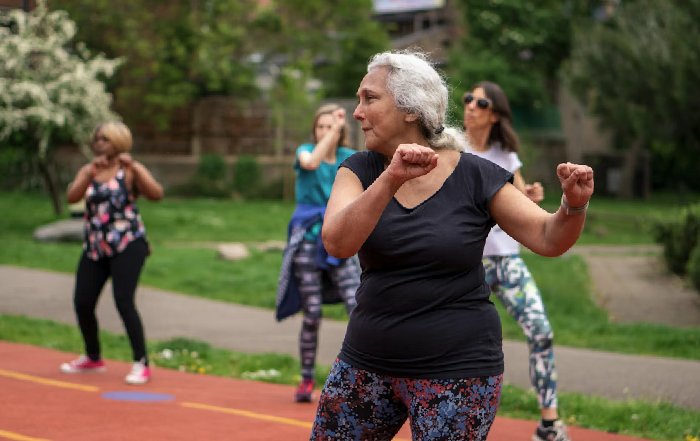
The fitness sector in 2026 is defined by hybrid ecosystems that integrate digital platforms, connected hardware, outdoor spaces and community-driven experiences. The pandemic-era shift toward at-home training, enabled by companies like Peloton, Technogym and emerging digital fitness providers, has not fully reversed; instead, it has blended with renewed demand for in-person coaching, social interaction and experiential environments. Urban residents move fluidly between app-guided sessions at home, micro-workouts in office wellness rooms, outdoor classes in parks and specialized training at boutique studios, creating personalized fitness portfolios rather than relying on a single gym membership. The American College of Sports Medicine continues to monitor and analyze global fitness trends, and professionals can explore current fitness trends to understand how technology, demographics and culture are reshaping exercise behavior.
Municipal governments and corporate employers now see physical activity as a strategic lever in managing healthcare costs, burnout and absenteeism, leading to investments in accessible public infrastructure and workplace programs that encourage daily movement rather than occasional intense effort. High-intensity interval training, mobility work, functional strength, breathwork and recovery protocols are being integrated into shorter, more frequent sessions that fit into demanding schedules. This shift is reflected in WellNewTime's fitness coverage, which emphasizes pragmatic approaches that align with the realities of urban professional life, where time scarcity, cognitive load and digital distractions make traditional hour-long workouts less feasible.
Massage, Recovery and the Science of Regeneration
In leading urban centers across the United States, United Kingdom, Germany, Canada, Australia and Asia, massage and recovery therapies have become core rituals rather than occasional luxuries. Knowledge workers, entrepreneurs and executives in finance, technology, consulting and creative industries are increasingly aware that sustained high performance depends on structured recovery, not just willpower and productivity tools. The physical consequences of hybrid work-extended screen time, poor ergonomics, irregular movement-have driven demand for therapeutic massage, sports massage, lymphatic drainage, assisted stretching, myofascial release and neuromuscular techniques that target specific pain patterns. The Mayo Clinic continues to document the evidence base for massage in managing stress, musculoskeletal pain and anxiety; readers may learn more about massage benefits.
Urban wellness operators are responding with integrated recovery centers that combine manual therapies with infrared saunas, cold plunges, cryotherapy, compression boots, red light therapy and guided breathwork, offering time-efficient protocols for nervous system regulation and tissue repair. Subscription models, corporate partnerships and app-based booking platforms have made these services more predictable and accessible, especially in financial districts and innovation hubs where professionals seek structured routines to counteract chronic stress. The editorial approach of WellNewTime's massage section focuses on demystifying these offerings, clarifying the differences between relaxation-oriented experiences and clinically informed modalities, and helping readers evaluate practitioner qualifications, safety standards and expected outcomes.
Urban Beauty, Longevity and Dermatological Intelligence
Urban beauty in 2026 is anchored in longevity science, dermatological rigor and environmental awareness, particularly in markets such as the United States, United Kingdom, France, Italy, Spain, South Korea and Japan. Consumers in these regions increasingly view skin health as an external indicator of internal balance, environmental exposures and lifestyle quality, rather than as an isolated aesthetic concern. Preventative dermatology, "skinimalist" routines, barrier-supportive formulations and non-invasive procedures such as laser resurfacing, radiofrequency tightening and injectables are now framed as part of broader strategies to preserve function and confidence over decades. Professional bodies including the British Association of Dermatologists and the American Academy of Dermatology continue to provide guidance on evidence-based skincare and procedural safety; readers can explore dermatology resources.
At the same time, regulatory scrutiny of claims, ingredients and sustainability has intensified in Europe, North America and parts of Asia. Brands are expected to provide transparent clinical data, responsibly sourced raw materials, traceable supply chains and packaging solutions that minimize waste. Pollution, UV radiation, blue light and climate extremes in dense urban environments have prompted the rise of targeted formulations and protocols tailored to city living. The team behind WellNewTime's beauty section curates this complex landscape for a global audience, highlighting companies that combine dermatological expertise with ethical manufacturing and environmental responsibility, and examining how regional conditions-from humidity in Singapore to winter dryness in Scandinavia-shape practical skincare decisions.
Mental Health, Mindfulness and Cognitive Sustainability
Mental health has moved to the center of urban wellness strategies, as organizations and individuals recognize that cognitive overload, constant connectivity and social fragmentation pose structural risks to productivity and societal stability. Data from agencies such as the National Institute of Mental Health (NIMH) and their counterparts in Europe and Asia point to persistent levels of anxiety, depression and burnout, particularly among younger professionals and those in high-pressure sectors; readers can review mental health statistics and resources. In response, there has been a broad normalization of therapy, coaching, mindfulness training and digital mental health tools across cities in North America, Europe and Asia-Pacific.
Mindfulness is increasingly framed not only as a spiritual or wellness practice but as a performance and leadership capability, supporting emotional regulation, focus and ethical decision-making. Organizations across finance, technology, healthcare and media now integrate meditation, breathwork and resilience training into leadership development and employee support programs. Research from centers such as the UCLA Mindful Awareness Research Center continues to build the scientific case for contemplative practices in reducing stress and improving cognitive function; readers may learn more about mindfulness research. Within this context, WellNewTime's mindfulness channel emphasizes practical frameworks that help readers set boundaries with technology, design recovery micro-moments throughout the day and cultivate psychological safety in both personal and professional environments.
Environmental Wellness and Climate-Responsive Cities
Environmental wellness has become a defining concern in 2026, as cities confront the compounded effects of air pollution, heatwaves, flooding, water scarcity and biodiversity loss. Residents in regions as diverse as Europe, North America, Asia and Africa increasingly understand that individual health cannot be separated from ecological stability, and that exposure to polluted air, contaminated water and extreme temperatures directly affects respiratory, cardiovascular and mental health outcomes. The United Nations Environment Programme (UNEP) continues to highlight the links between environmental degradation and human wellbeing; readers can explore environmental health insights.
Urban planners and policymakers are therefore embedding wellness objectives into climate adaptation and sustainability strategies, investing in green corridors, urban forests, blue infrastructure, heat-resilient buildings and low-emission transport networks. Cities like Copenhagen, Amsterdam, Vancouver, Melbourne and Singapore are frequently cited as models for integrating active mobility, nature access and climate resilience into everyday life. For global readers of WellNewTime's environment coverage, these developments underscore that environmental literacy is now a core component of personal wellness strategy, influencing decisions about where to live, how to commute, what to consume and which brands to support in an era where climate risk is reshaping real estate, insurance and supply chains.
Corporate Wellness, Hybrid Work and Strategic Talent Management
Corporate wellness in 2026 is no longer a collection of fragmented perks; it is a strategic discipline that intersects with talent management, risk mitigation, ESG commitments and brand positioning. As hybrid and remote work arrangements stabilize across the United States, United Kingdom, Germany, Canada, Australia, Singapore and beyond, organizations are redefining how they support physical, mental and social health for distributed teams. The International Labour Organization (ILO) has emphasized the importance of decent work conditions, psychological safety and social protection in the context of digitalization and flexible work; professionals can learn more about evolving work standards.
Forward-thinking employers are redesigning offices with biophilic elements, quiet zones, movement-friendly layouts and air quality monitoring, while offering flexible schedules, wellness stipends, digital mental health platforms and coaching programs that address stress, sleep and energy management. Diversity, equity and inclusion efforts are increasingly linked to wellness, recognizing that psychological safety and a sense of belonging are essential to sustained performance. For decision-makers following WellNewTime's business insights, these trends highlight that wellness has become a competitive differentiator in global urban labor markets, where skilled professionals in technology, finance, healthcare and creative industries can choose employers that align with their wellbeing priorities and ethical expectations.
Urban Wellness Tourism and the High-Performance Traveler
Wellness tourism has continued to expand in 2026, with a notable shift toward urban destinations that combine cultural richness, business infrastructure and health-supportive amenities. While traditional retreats in coastal or rural settings remain popular, there is growing demand for city-based itineraries that integrate spa experiences, integrative medical consultations, fitness and recovery facilities, healthy gastronomy and access to nature within or near metropolitan areas. The Global Wellness Institute has documented the sustained growth of this sector and its influence on hospitality, aviation and urban planning; readers can explore wellness tourism research.
Cities such as Singapore, Lisbon, Seoul, Vancouver, Barcelona and Zurich are positioning themselves as wellness-forward hubs, promoting walkable districts, thermal baths, green spaces, cycling infrastructure, plant-forward cuisine and art or music experiences that support emotional restoration. Business travelers increasingly expect hotels to offer high-quality gyms, recovery tools, nutritious menus, meditation spaces and quiet work zones, allowing them to maintain or even enhance their wellness routines while on the move. The perspective of WellNewTime's travel section is shaped by these expectations, curating destinations and services that fit the needs of high-performing professionals who want their travel patterns to align with long-term health and sustainability goals.
Brands, Innovation and the Maturing Wellness Economy
The business of wellness in 2026 is characterized by rapid innovation, consolidation and rising expectations around evidence, ethics and data stewardship. Startups and established corporations alike are investing in technologies such as AI-driven health coaching, continuous biometric monitoring, personalized nutrition, regenerative materials and immersive spa concepts, all aimed at delivering more precise, engaging and scalable wellness experiences. Consulting firms such as McKinsey & Company have analyzed the continued expansion of the global wellness market and its implications for consumer industries, and executives can review analysis of the wellness economy.
For the community following WellNewTime's brands coverage and innovation reporting, a central question is how to distinguish genuinely transformative solutions from offerings that merely adopt wellness language for marketing purposes. Regulatory frameworks in the United States, European Union and Asia-Pacific are gradually adapting to address digital health products, AI in diagnostics and cross-border data flows, but gaps remain, particularly around algorithmic transparency and long-term outcome validation. Trust is therefore emerging as a critical competitive asset, built through rigorous clinical testing, transparent communication, robust privacy protections and responsible use of behavioral data. In this environment, brands that align technological sophistication with ethical design and clear value propositions are best positioned to serve discerning urban consumers.
Careers, Skills and the Expanding Urban Wellness Workforce
The expansion of wellness strategies across urban ecosystems has created a diverse and rapidly evolving labor market that spans healthcare, hospitality, fitness, mental health, architecture, urban planning, technology and corporate advisory services. Professionals are building careers as integrative health practitioners, massage therapists, fitness coaches, wellness architects, sustainability officers, behavioral scientists, digital health product managers and ESG-focused consultants, among many other roles. Institutions such as the World Economic Forum have highlighted that future-ready skills include emotional intelligence, resilience, systems thinking, cultural competence and ethical reasoning, all of which intersect with wellness; readers can explore future of work insights.
For job seekers in regions from North America and Europe to Asia, Africa and South America, the wellness sector offers meaningful opportunities but also requires careful navigation of training quality, certification standards and regulatory regimes. Some fields, such as clinical mental health or regulated healthcare professions, demand extensive formal education and licensing, while others, such as coaching or holistic therapies, vary widely in oversight and rigor. The curated opportunities and guidance available through WellNewTime's jobs section help professionals make informed decisions about career transitions, skill development and employer selection, with an emphasis on roles that balance commercial viability with ethical practice and long-term social impact.
The Strategic Role of Trusted Media in Urban Wellness
In an era of algorithm-driven feeds, influencer marketing and proliferating wellness claims, trusted media platforms have become essential navigational tools for urban audiences seeking clarity and credibility. For wellnewtime.com, this responsibility involves combining lived experience of wellness practices with rigorous editorial standards, ensuring that coverage across wellness, massage, beauty, health, news, business, fitness, brands, lifestyle, environment, world affairs, mindfulness, travel and innovation is anchored in expertise and practical relevance. Research from institutions such as the Reuters Institute for the Study of Journalism underscores the importance of transparency, independence and subject-matter depth in maintaining audience trust; readers can learn more about trust in news.
Serving a global audience that spans the United States, United Kingdom, Germany, Canada, Australia, France, Italy, Spain, the Netherlands, Switzerland, China, Sweden, Norway, Singapore, Denmark, South Korea, Japan, Thailand, Finland, South Africa, Brazil, Malaysia, New Zealand and beyond requires sensitivity to cultural norms, regulatory contexts and socioeconomic realities. The broader WellNewTime lifestyle perspective emphasizes that wellness is not a privilege reserved for a narrow elite but a strategic and ethical imperative for societies striving for resilience and equitable opportunity. By contextualizing trends, interrogating marketing narratives and elevating voices with genuine expertise, wellnewtime.com aims to support readers in making informed, values-aligned decisions in every domain of life.
Looking Forward: Urban Wellness as Long-Term Infrastructure
As 2026 unfolds, it is increasingly evident that urban wellness strategies are not transient fashions but long-term infrastructure for human and economic resilience. Investments in holistic health frameworks, fitness ecosystems, massage and recovery services, science-based beauty, mental health integration, environmental stewardship, corporate wellness, urban tourism, brand innovation and workforce development are converging to reshape how cities function and how organizations create value. Global institutions such as the World Bank continue to stress that human capital-particularly health, education and resilience-is central to sustainable growth; readers may explore human capital insights.
For the international community engaging with WellNewTime's news and analysis and the broader platform at wellnewtime.com, the strategic question is how to translate these macro trends into coherent personal and organizational roadmaps. The most effective approaches will balance experimentation with evidence, ambition with responsibility and innovation with respect for privacy, equity and environmental limits. As cities across all continents continue to adapt to climate pressures, demographic shifts and technological disruption, wellness will remain a central lens through which individuals, companies and governments assess progress and risk. In this emerging era, urban wellness is not simply about optimizing individual performance; it is about designing ecosystems-physical, digital and social-that enable people to live healthier, more meaningful and more sustainable lives, wherever in the world they choose to build their futures.