

How Singapore Became a Global Testbed for Digital Wellness
Singapore's evolution into a global testbed for digital wellness is no longer a future scenario; by 2026 it is an established reality that is reshaping how health, lifestyle, and technology intersect across Asia and beyond. Long recognized for its efficient governance, robust infrastructure, and culture of innovation, the city-state has harnessed these strengths to build one of the world's most sophisticated ecosystems for health and wellness applications. For the international audience of wellnewtime.com, this transformation offers a compelling case study in how digital tools can support healthier, more resilient, and more sustainable ways of living, not only in Singapore but across the United States, Europe, and the wider Asia-Pacific region.
Unlike the early era of basic step counters and diet logs, the wellness landscape in Singapore now spans integrated platforms that support physical fitness, nutrition, mental health, chronic disease prevention, corporate wellness, and environmentally conscious lifestyles. These platforms draw on behavioral science, artificial intelligence, and clinical expertise, while being anchored in national strategies such as the Smart Nation Initiative and the Singapore Green Plan 2030. As health awareness has deepened globally since the pandemic, Singapore has emerged as a living laboratory where global brands, local startups, and public institutions co-create solutions that are increasingly exported to markets from the United States and United Kingdom to Germany, Australia, and Japan. Readers who follow broader wellness trends and innovations can see similar dynamics reflected in global coverage on wellness and health transformation.
From Basic Trackers to an Integrated Digital Wellness Ecosystem
The story of Singapore's digital wellness revolution began more than a decade ago, when early mobile applications focused primarily on calorie counting and step tracking, mirroring developments in markets such as the United States and Europe. The turning point came as the Ministry of Health (MOH) and the Health Promotion Board (HPB) moved decisively to embed digital tools into public health strategy. Flagship platforms such as HealthHub SG and Healthy 365, developed with agencies including Integrated Health Information Systems (IHiS) and GovTech Singapore, created a unified digital front door to health services and preventive programs. Through initiatives like the National Steps Challenge, these apps used gamification and incentives to nudge citizens toward more active lifestyles, while simultaneously collecting population-level data that could inform policy and resource planning.
At the same time, Singapore's startup ecosystem, supported by institutions such as SGInnovate and Enterprise Singapore, began to generate a new wave of healthtech ventures. Companies like Doctor Anywhere, WhiteCoat, and Speedoc pioneered on-demand telemedicine and home-based care, offering virtual consultations, e-prescriptions, and remote monitoring that complemented traditional healthcare delivery. Mental health and mindfulness platforms such as Intellect and MindFi introduced evidence-based programs grounded in psychology and neuroscience, targeting both individual users and corporate clients. This multi-layered ecosystem has grown in step with global healthtech investment trends documented by organizations such as the World Economic Forum and McKinsey & Company, positioning Singapore as a reference point for digital health transformation in both developed and emerging markets.
For readers of wellnewtime.com, this evolution underscores how wellness has shifted from a siloed activity to a comprehensive lifestyle framework, connecting fitness, nutrition, mental resilience, and medical care into a single digital continuum. Those exploring how such shifts influence everyday habits can find related perspectives in the site's coverage of fitness culture and performance.
Policy, Regulation, and the Foundations of Trust
A critical factor behind Singapore's success is the deliberate alignment of policy, regulation, and technology. The Smart Nation vision, launched in 2014 and refined through multiple roadmaps, placed healthcare digitization at its core. The Ministry of Health, GovTech Singapore, and IHiS worked together to ensure that wellness applications could plug into secure national systems, while the Personal Data Protection Act (PDPA) established clear rules for how sensitive health information must be collected, stored, and shared. This regulatory clarity has been instrumental in building public trust, a theme that continues to be central in 2026 as data governance becomes a key concern in markets from Canada and the Netherlands to South Korea and Brazil.
By 2025, HealthHub SG had evolved into a comprehensive health management interface, synchronizing with electronic medical records, vaccination schedules, screening reminders, and chronic disease management plans. Citizens can now book specialist appointments, review lab results, and receive personalized preventive alerts through a single portal, an experience that many healthcare systems in North America and Europe are still striving to replicate. International bodies such as the World Health Organization and the Organisation for Economic Co-operation and Development have highlighted Singapore's integrated approach as a model for other countries seeking to digitize healthcare without compromising equity or privacy.
For the audience of wellnewtime.com, which follows developments in health policy and innovation across continents, Singapore's example reinforces the importance of trust, interoperability, and ethical frameworks in any serious digital wellness strategy. Readers interested in policy-linked innovation can explore broader themes at the site's dedicated health coverage.
Consumer Behavior and the New Wellness Normal
The success of wellness apps in Singapore is not driven solely by top-down policy; it is equally the product of sophisticated, demanding, and highly connected consumers. Mobile penetration exceeds 150 percent, broadband infrastructure is world-class, and digital payment adoption is ubiquitous, creating a frictionless environment for app-based services. Singaporeans increasingly expect health and wellness tools to be as convenient and intuitive as social media or e-commerce platforms, a trend mirrored in urban centers from New York and London to Berlin and Tokyo.
Wellness applications have become deeply embedded in daily routines. Morning runs are tracked on Strava, lunchtime workouts are guided by AI-driven platforms such as Aaptiv or Vi Trainer, and dietary plans are optimized through apps like MyFitnessPal and Lifesum, often linked to supermarket loyalty programs or healthy dining initiatives. Local adaptations, such as integration with the Healthier Choice Symbol program overseen by HPB, ensure that global tools align with Singapore's nutritional guidelines and food environment. This pattern of localization echoes broader global trends in digital wellness customization, documented by research groups such as the Global Wellness Institute.
Demographic patterns also reveal a widening user base. While millennials and Gen Z remain the heaviest users of fitness and mindfulness apps, uptake among older adults has grown rapidly, supported by senior-friendly solutions like SilverActivities and remote monitoring tools linked to primary care providers. This expansion reflects Singapore's broader active aging strategy and mirrors similar initiatives in aging societies such as Japan, Italy, and Finland. For readers of wellnewtime.com, these developments highlight how wellness technologies can support intergenerational well-being rather than being confined to younger, tech-native audiences.
Corporate Wellness and the Digitally Enabled Workplace
The corporate sector has emerged as one of the most powerful accelerators of digital wellness adoption in Singapore. Leading employers such as DBS Bank, Grab, Google Singapore, and Shopee have embedded wellness applications into their employee benefits, treating mental resilience and physical health as core components of productivity, risk management, and employer branding. These organizations partner with platforms like Intellect, MindFi, and Virgin Pulse to provide confidential counseling, mindfulness training, stress management programs, and activity challenges accessible via smartphones and wearables.
Insurers including Prudential Singapore, AIA, and AXA have extended this model by integrating wellness tracking into health and life insurance products. Through programs similar to AIA Vitality, employees and policyholders can earn premium discounts, vouchers, or lifestyle rewards by meeting activity, sleep, or nutrition goals verified by connected devices. This alignment of economic incentives with healthier behaviors is increasingly studied in markets from the United States to South Africa, and is frequently cited in reports by organizations such as Deloitte and PwC on the future of work and health benefits.
For business leaders and HR professionals who follow wellnewtime.com for insights into the intersection of wellness and organizational performance, Singapore offers a practical blueprint of how digital tools can be woven into corporate culture and risk management. Readers can explore related themes in the site's coverage of business and workplace wellness.
AI, Data, and the Era of Hyper-Personalized Wellness
By 2026, artificial intelligence has become the engine that powers personalization across Singapore's wellness ecosystem. Fitness applications no longer simply record steps or calories; they interpret continuous streams of data from wearables, smartphones, and even environmental sensors to deliver nuanced, context-aware recommendations. Platforms such as Intellect, MindFi, and AI-driven coaching tools integrate natural language processing and sentiment analysis to detect stress or mood shifts, suggesting micro-interventions such as breathing exercises, short walks, or digital detox prompts at the right moment.
These capabilities are underpinned by a national commitment to responsible AI. Frameworks such as Singapore's Model AI Governance Framework, developed under Smart Nation and GovTech Singapore, emphasize transparency, fairness, and accountability in algorithmic decision-making. Research institutions including A*STAR, National University of Singapore (NUS), Duke-NUS Medical School, and Singapore University of Technology and Design (SUTD) collaborate with industry to refine digital biomarkers, behavioral analytics, and human-machine interaction design, ensuring that innovation remains human-centric and clinically grounded.
Internationally, this approach resonates with guidelines from bodies such as the European Commission on trustworthy AI and the U.S. National Institutes of Health on digital health research. For the global readership of wellnewtime.com, which tracks innovation in markets from North America and Europe to Asia-Pacific, Singapore's AI-enabled wellness ecosystem illustrates how data can be harnessed for preventive, predictive, and participatory health without eroding user autonomy or privacy. More forward-looking analyses on this topic are regularly featured in innovation-focused coverage.
Mental Health, Mindfulness, and Cultural Adaptation
Mental health has moved from the periphery to the center of Singapore's wellness agenda. The establishment of the Interagency Taskforce on Mental Health and Well-being and the rollout of the National Mental Health and Well-Being Strategy have signaled a whole-of-society commitment to reducing stigma, expanding access, and embedding preventive care across schools, workplaces, and community settings. Digital platforms are critical to this effort, offering scalable, discreet, and culturally sensitive support.
Homegrown platforms such as MindFi and Intellect blend mindfulness practices, cognitive behavioral techniques, and data-driven insights to help users manage stress, anxiety, and burnout. Calm Collective Asia complements these tools with community-based programs and guided sessions tailored to Asian cultural contexts. Rather than simply importing Western models of mindfulness, these initiatives integrate elements of Buddhist mindfulness, Zen, and Taoist balance, along with collectivist values that emphasize community, family, and social harmony. This localization is particularly relevant for multicultural societies in Asia, Europe, and the Americas that are seeking to adapt mental health interventions to diverse populations.
Global platforms such as Calm and Headspace remain influential, but in Singapore they coexist with local solutions that better reflect linguistic diversity, religious sensitivities, and workplace norms. International organizations including UNICEF and the World Bank increasingly cite such culturally adapted digital mental health models as promising approaches for low- and middle-income countries as well. Readers of wellnewtime.com who are exploring mindfulness and modern wellness culture can find related reflections in the site's dedicated mindfulness section.
Sustainability, Environment, and the Rise of "Eco-Wellness"
One of the most distinctive developments in Singapore's wellness trajectory is the convergence of personal health with environmental responsibility. As climate risks become more visible across Asia, Europe, Africa, and the Americas, Singapore has leveraged its reputation for green urban planning and its Green Plan 2030 to promote what is increasingly described as a "Green Wellness Revolution." In this paradigm, wellness is not limited to individual fitness or stress reduction; it is intertwined with planetary health, resource efficiency, and sustainable lifestyles.
Digital wellness platforms are aligning with this shift in several ways. Many Singapore-based apps and service providers host their infrastructure on green data centers operated by cloud leaders such as Amazon Web Services (AWS) and Google Cloud, both of which have made commitments to renewable energy and carbon neutrality. Fitness applications like Strava and Nike Run Club promote campaigns that encourage walking or cycling instead of driving, often in partnership with local initiatives from the Ministry of Sustainability and the Environment (MSE) and urban planning agencies. Food and nutrition apps increasingly highlight plant-based options, sustainable sourcing, and reduced food waste, echoing global research from organizations such as the EAT Foundation and the Food and Agriculture Organization of the United Nations on the links between diet, longevity, and environmental impact.
For the environmentally aware audience of wellnewtime.com, which follows sustainability trends from Europe to Asia-Pacific, Singapore's eco-wellness model offers a glimpse of how digital platforms can nudge users toward choices that benefit both their own bodies and the ecosystems they inhabit. Further perspectives on this convergence of environmental and personal wellness are available in the site's environment-focused coverage.
Startups, Innovation Hubs, and Global Partnerships
Beneath the visible layer of consumer apps and public platforms lies a dense network of startups, accelerators, and research hubs that sustain Singapore's leadership in digital wellness. Innovation districts such as Launchpad @ one-north host a cluster of healthtech ventures supported by programs like Startup SG Tech and the Enterprise Development Grant (EDG). Companies including Biofourmis, which uses wearable sensors and AI analytics to deliver digital therapeutics for cardiovascular and oncology patients, and Holmusk, which builds real-world evidence platforms for mental health and chronic disease, exemplify the shift from lifestyle-oriented wellness apps to clinically validated digital health solutions.
These startups operate in close collaboration with global pharmaceutical firms, hospitals, and academic medical centers, making Singapore a natural partner for multinational companies seeking an Asian base for research and development. The country's work is increasingly visible in regional networks such as the Asia eHealth Information Network (AeHIN) and in pilot projects supported by the World Health Organization's digital health initiatives. For readers of wellnewtime.com who track brand strategy and innovation across markets, this ecosystem demonstrates how wellness and healthtech brands can use Singapore as a launchpad into Southeast Asia, China, India, and the broader Asia-Pacific region. Broader brand and innovation narratives can be explored via brands and market coverage and innovation features.
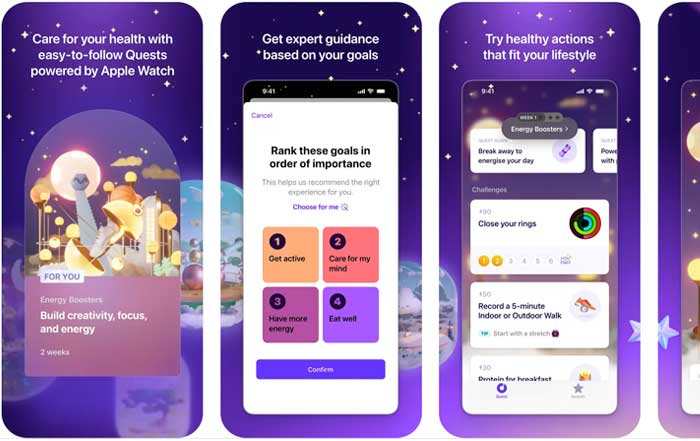
Global technology companies have also deepened their presence. Apple collaborated with HPB to create LumiHealth, a multi-year program that leverages the Apple Watch to deliver personalized activity and mindfulness goals, rewarding users for healthy behaviors with incentives funded by the government. Fitbit, now part of Google, and Samsung Health have localized their offerings to align with national campaigns such as the National Steps Challenge, while integrating with insurers and employers. These partnerships are closely watched by policymakers and industry leaders in North America, Europe, and the Middle East, who see Singapore as a proving ground for scalable public-private digital health collaborations.
Looking Ahead: Integration, Intelligence, and Inclusivity
As of 2026, the trajectory of digital wellness in Singapore points toward deeper integration, greater intelligence, and broader inclusivity. The boundaries between consumer wellness apps, clinical care, and public health systems are steadily eroding, creating a future in which individuals navigate a single, coherent digital health journey from preventive habits to specialist treatment. Concepts such as digital twins, where virtual models simulate an individual's health trajectory based on genetics, lifestyle, and environmental exposures, are moving from academic research into pilot implementations, supported by Singapore's strong biomedical ecosystem and data infrastructure.
At the same time, discussions around Web3, decentralized data ownership, and blockchain-based health records are gaining momentum. While still in early stages, these technologies could ultimately give individuals in Singapore and beyond greater control over who accesses their health data, under what conditions, and for what value exchange. Such models are being explored in parallel in innovation hubs from the United States and the United Kingdom to the United Arab Emirates and South Korea, and are regularly analyzed by think tanks such as the Brookings Institution and Chatham House.
Singapore's regulators are acutely aware that the next phase of digital wellness will raise complex ethical questions around algorithmic bias, data equity, and digital inclusion. Ongoing work by Smart Nation, GovTech Singapore, and the Ministry of Health aims to ensure that vulnerable groups, including lower-income residents and older adults, are not left behind as services become more sophisticated. This focus on inclusivity resonates strongly with global debates on health equity, universal health coverage, and digital divides, themes that wellnewtime.com continues to follow in its world and global trends coverage.
What Singapore's Experience Means for Global Wellness
For a global business and wellness audience spanning the United States, United Kingdom, Germany, Canada, Australia, France, Italy, Spain, the Netherlands, Switzerland, China, the Nordics, and emerging markets across Asia, Africa, and South America, Singapore's digital wellness journey offers a powerful set of lessons. It demonstrates that meaningful progress requires more than just innovative apps; it demands an integrated strategy that combines robust infrastructure, forward-looking regulation, public-private collaboration, cultural sensitivity, and a commitment to both human and planetary well-being.
The city-state's approach shows that wellness can be a driver of economic growth, job creation, and brand differentiation, while also strengthening social resilience and public health outcomes. It illustrates how corporate wellness, mental health support, eco-conscious living, and advanced analytics can coexist within a coherent framework that respects privacy and promotes equity. And it confirms that smaller nations and cities, when strategically positioned, can exert outsized influence on global practices, inspiring adaptations all around.
For wellnewtime.com, which is dedicated to exploring wellness, health, business, lifestyle, environment, mindfulness, travel, and innovation in a connected world, Singapore's story is more than a regional case study; it is a lens through which to understand the future of global wellness. As digital tools continue to transform how people work, move, eat, rest, and relate to one another, the insights emerging from Singapore will remain highly relevant to leaders, practitioners, and individuals seeking to build healthier and more sustainable lives. Readers who wish to continue following these developments across sectors and regions can explore the broader content and perspectives available throughout wellnewtime.com.