

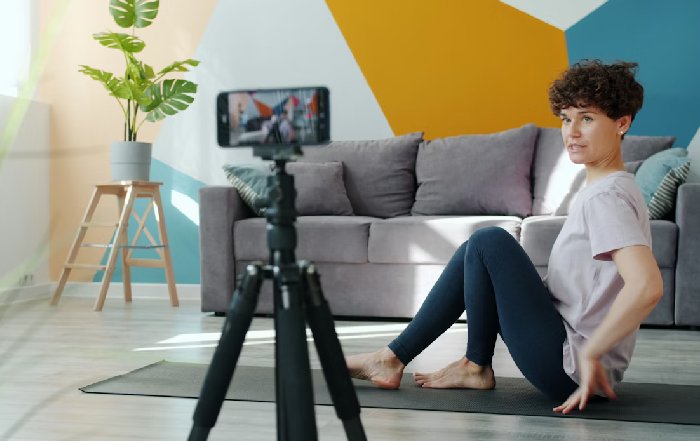
Navigating the World of Online Fitness in 2026
The New Fitness Landscape: From Local Gyms to Global Platforms
By 2026, online fitness has evolved from a niche alternative into a central pillar of the global wellness economy, reshaping how individuals in the United States, Europe, Asia, and beyond think about movement, health, and daily routines. What began as an emergency response during the pandemic years has matured into a sophisticated ecosystem of platforms, apps, streaming services, connected equipment, and expert-led communities that are increasingly integrated into broader lifestyle and business decisions. For readers of Well New Time, who are already engaged with wellness, fitness, health, and lifestyle, understanding how to navigate this world is no longer optional; it is a strategic advantage for personal wellbeing and professional performance alike.
The shift toward digital fitness reflects deeper structural changes in work, technology, and culture. Remote and hybrid work models, now firmly established in North America, Europe, and increasingly across Asia-Pacific, have blurred the boundaries between professional and personal time, prompting individuals and employers to seek flexible, technology-enabled health solutions. At the same time, rapid advances in wearable sensors, artificial intelligence, and streaming infrastructure have made it possible for fitness experiences once limited to premium studios in New York, London, Berlin, or Tokyo to be accessed from a living room in São Paulo, Singapore, or Johannesburg. As organizations such as World Health Organization (WHO) highlight the importance of physical activity for preventing chronic disease, those exploring the digital fitness landscape can review global physical activity guidelines to better understand the stakes and opportunities involved.
The Evolution of Online Fitness: From On-Demand Videos to Intelligent Ecosystems
The first wave of online fitness was dominated by static video libraries and basic subscription services, often focused on a single discipline such as yoga, high-intensity interval training, or dance. While these offerings opened the door to convenient home workouts, they provided limited personalization, minimal feedback, and little sense of community. By contrast, the current generation of platforms, led by companies such as Peloton, Apple, Nike, and a growing number of regional innovators, has become far more interactive, data-driven, and socially connected. Those wanting to understand how consumer technology is shaping this evolution can explore how Apple Fitness+ integrates with the broader Apple ecosystem and learn more about how wearable technology is transforming health monitoring.
This transformation has been accelerated by advances in artificial intelligence and machine learning, which now underpin many leading fitness apps and services. Personalized training plans adjust in real time based on biometric data, sleep patterns, and performance trends, while computer vision tools assess form and technique using smartphone or webcam cameras. Research from organizations such as MIT and Stanford University on human-computer interaction and digital health has informed the design of these systems, enabling more responsive and adaptive experiences. Those interested in the underlying science can explore digital health innovation research to better understand how academic and clinical insights are being translated into consumer products.
Experience and Expertise: Choosing Trustworthy Online Fitness Providers
As the online fitness market has expanded, the number of offerings has grown exponentially, ranging from global brands to boutique studios, independent trainers, and AI-generated workout platforms. For individuals and businesses alike, the central challenge is no longer access but discernment: how to identify providers whose experience, expertise, authoritativeness, and trustworthiness align with both health goals and ethical expectations. The American College of Sports Medicine (ACSM) and similar professional bodies in Europe and Asia have long-established guidelines for safe training practices and professional certification, and those considering a new digital program should review evidence-based exercise recommendations to help distinguish marketing claims from substantiated benefits.
Evaluating expertise in the online space requires a combination of traditional due diligence and digital literacy. Prospective users should look for platforms that clearly disclose trainer qualifications, certification bodies, and relevant clinical or sports science partnerships, while also paying attention to how programs are structured for progression, recovery, and injury prevention. In a world where influencers on social media can rapidly build large audiences without formal training, the ability to differentiate between charismatic content and credible guidance is critical. Reputable organizations such as NHS in the United Kingdom provide public resources on safe exercise and physical activity guidelines that can serve as a benchmark when assessing online offerings across markets from Germany and France to Singapore and Australia.
The Business of Digital Fitness: A Global Growth Engine
Online fitness is no longer merely a consumer trend; it has become a significant driver of the global wellness economy, intersecting with sectors such as technology, media, healthcare, and corporate benefits. Analysts at McKinsey & Company and Deloitte have documented how wellness, including fitness and mental health services, has shifted from a discretionary luxury to a core component of consumer spending and corporate strategy, with digital channels playing an increasingly central role. Those seeking a deeper understanding of market dynamics can explore global wellness and fitness industry insights to see how investment, innovation, and consumer expectations are evolving.
For businesses, the rise of online fitness presents a dual opportunity: to engage customers with new digital products and to support employees through scalable, data-informed wellness programs. Corporate wellness initiatives in the United States, Canada, the United Kingdom, and across Europe now routinely incorporate online fitness subscriptions, virtual coaching, and mental health resources into benefits packages, reflecting evidence that physically active employees tend to be more productive, resilient, and satisfied. Employers interested in building robust programs can look to organizations such as the World Economic Forum, which provides guidance on embedding health and wellbeing into the future of work, helping leaders in sectors from finance to technology to integrate digital fitness strategically rather than superficially.
For Well New Time, whose audience spans professionals, entrepreneurs, and wellness-conscious consumers, the business implications of online fitness intersect directly with coverage across business, brands, and innovation. The platform's readers are increasingly interested not only in how to stay fit themselves but in how to evaluate partnerships, investments, and career opportunities in a sector that is redefining the interface between health and technology worldwide.
Integrating Online Fitness with Holistic Health and Wellness
While the convenience and variety of digital fitness offerings are compelling, long-term wellbeing depends on more than workouts alone. The most effective online fitness journeys are integrated into a broader lifestyle that includes sleep, nutrition, stress management, and preventive healthcare, all of which are central themes for Well New Time and its community. Public health agencies such as the Centers for Disease Control and Prevention (CDC) and Health Canada emphasize the importance of combining physical activity with balanced nutrition and regular medical check-ups, and individuals can review comprehensive guidance on healthy living to ensure that online fitness efforts support a sustainable health strategy rather than short-term intensity.
In Europe, organizations such as Public Health England and Santé publique France have promoted campaigns that link movement with mental health, social connection, and environmental awareness, reflecting a more holistic understanding of wellness that aligns with the editorial direction of Well New Time. This integrated perspective is especially relevant for readers exploring topics such as mindfulness, environment, and travel, since digital fitness can be both a complement to outdoor activity and a bridge to global communities. For example, an individual in Stockholm or Zurich might combine online strength training with outdoor running, while using mindfulness apps to support recovery and stress reduction, thereby creating a multidimensional routine that aligns with both personal values and regional lifestyles.
Mental Health, Mindfulness, and the Human Side of Digital Training
One of the most significant shifts in online fitness since 2020 has been the growing recognition of mental and emotional wellbeing as integral to any training program. Leading platforms now routinely incorporate mindfulness, breathwork, and stress management sessions alongside strength, cardio, and mobility classes, acknowledging research that links physical activity to reduced anxiety, improved mood, and enhanced cognitive function. Institutions such as Harvard Medical School and Mayo Clinic have published accessible overviews on how exercise supports mental health, and those seeking to deepen their understanding can learn more about the connection between movement and mood, using this information to choose online programs that address both body and mind.
For the Well New Time audience, which is already attuned to the importance of wellness and health, the intersection of fitness and mindfulness is particularly relevant. Online platforms that offer guided meditations, sleep stories, and stress-relief practices, often inspired by the work of organizations like Headspace and Calm, enable individuals in fast-paced environments from New York and London to Singapore and Seoul to integrate brief, restorative practices into their day. This is especially significant in regions where long working hours and urban density contribute to burnout and chronic stress, such as parts of East Asia and major financial centers worldwide. By approaching online fitness as a gateway to broader mental wellbeing rather than a narrow focus on aesthetics or performance, individuals and employers can foster more resilient and sustainable lifestyles.
Cultural and Regional Differences in Online Fitness Adoption
Although online fitness is a global phenomenon, its adoption patterns and preferred formats vary significantly across regions and cultures. In North America and the United Kingdom, subscription-based platforms and connected equipment have gained strong traction, driven by high broadband penetration, established fitness cultures, and consumer willingness to invest in home-based solutions. In Germany, the Netherlands, and Scandinavia, there is a strong emphasis on outdoor activity and cycling, leading many users to combine digital training tools with real-world sports, using apps to track performance and connect with communities. Those curious about how cycling and running apps have expanded can explore the role of digital platforms in endurance sports communities, which illustrates how technology supports both individual training and social engagement.
In Asia, particularly in China, South Korea, Japan, and Singapore, mobile-first fitness solutions and social commerce models have driven rapid growth, with live-streamed classes, integrated e-commerce, and influencer-led communities playing central roles. Government initiatives in countries such as China and Singapore to promote active lifestyles and reduce healthcare burdens have further supported digital fitness adoption, while in emerging markets across Southeast Asia, Africa, and South America, lower-cost mobile apps and community-based programs are expanding access even where premium hardware remains out of reach. Organizations such as the World Bank and OECD have highlighted how digital health tools can support broader development goals, and those interested in this macro perspective can review analysis on digital health and development to see how online fitness fits into larger socio-economic strategies.
For Well New Time, whose readership is global but with strong interest in Europe, North America, and Asia-Pacific, these regional nuances are essential. They shape not only which platforms are most relevant in each market but also how content, language, and cultural norms influence engagement. A successful online fitness strategy in Australia or Canada may emphasize outdoor integration and work-life balance, while in urban centers in China or Thailand, convenience, community, and mobile accessibility may be more critical drivers.
The Role of Massage, Recovery, and Beauty in Digital Fitness Routines
As training intensity and frequency increase through easy access to online classes, recovery and self-care have become more important than ever. Massage, mobility work, and restorative practices are no longer peripheral luxuries but central components of effective training strategies, reducing injury risk and supporting long-term adherence. Professional organizations such as the National Institutes of Health (NIH) have examined how massage and manual therapies can contribute to pain management and recovery, and those seeking to understand these benefits can review research summaries on complementary health approaches, using this knowledge to complement digital workouts with appropriate offline care.
For the Well New Time audience, which engages deeply with massage, beauty, and wellness, the integration of recovery and appearance-related concerns into fitness routines is especially salient. Online platforms increasingly feature content on skincare for active individuals, post-workout routines, and the impact of sleep and stress on both performance and appearance, reflecting an understanding that the modern consumer sees health, beauty, and fitness as interconnected dimensions of a single lifestyle. This holistic view is particularly resonant in markets such as France, Italy, and South Korea, where beauty and grooming traditions are deeply embedded in culture, and where digital platforms now offer localized content that respects and builds on these traditions.
Careers, Skills, and Jobs in the Online Fitness Economy
The expansion of online fitness has also created a wide range of new career paths and business models, from virtual trainers and content creators to product managers, data scientists, and wellness strategists within large organizations. For professionals and job seekers, the sector now represents a dynamic intersection of health expertise, digital skills, and entrepreneurial opportunity, with demand spanning established markets like the United States, United Kingdom, Germany, and Australia, as well as fast-growing hubs in Singapore, Brazil, and South Africa. Those exploring career opportunities in this space can learn more about emerging wellness and fitness roles, using labor market data to understand required qualifications and growth prospects.
Within the Well New Time ecosystem, the topic of jobs intersects with coverage of business, brands, and innovation, highlighting how fitness professionals are now expected to navigate digital platforms, build personal brands, and understand analytics alongside traditional coaching skills. For many trainers in cities from Toronto and Vancouver to Madrid and Amsterdam, hybrid models that combine in-person sessions with online programs and global clients have become the new norm, enabling more resilient and diversified income streams. At the same time, the rise of AI-generated training plans and virtual coaches raises important questions about the future of human roles in the industry, reinforcing the need for continuous learning, specialization, and a focus on uniquely human strengths such as empathy, nuanced communication, and individualized problem-solving.
Trust, Data, and Ethics in a Connected Fitness World
As online fitness becomes more deeply integrated into daily life, questions of data privacy, algorithmic transparency, and ethical design have moved to the forefront. Wearables, connected equipment, and apps collect sensitive information on heart rate, sleep, geolocation, and behavioral patterns, creating valuable insights for personalization but also potential risks if data are misused or inadequately protected. Regulators in the European Union, through frameworks such as the General Data Protection Regulation (GDPR), and in countries like Canada, Japan, and Brazil, have established robust privacy standards that impact how fitness platforms operate globally. Those who want to better understand these regulatory frameworks can explore official guidance on data protection and digital services, which provides context for evaluating the practices of online fitness providers.
Trust in digital fitness is not solely a matter of compliance; it also involves clear communication, responsible use of AI, and respect for user autonomy. Platforms that explain how algorithms make recommendations, provide meaningful consent options, and avoid manipulative engagement tactics are better positioned to build long-term relationships with users. For Well New Time, whose editorial mission emphasizes credible, user-centered information across health, news, and world coverage, this focus on ethical practice is central to how online fitness trends are interpreted and presented. Readers in markets as diverse as the United States, Norway, Singapore, and New Zealand increasingly expect transparency and accountability from the brands they invite into their homes and bodies, and digital fitness is no exception.
Looking Ahead: Innovation, Travel, and the Future of Hybrid Fitness
As 2026 progresses, the world of online fitness is moving beyond the simple dichotomy of home versus gym toward a hybrid model in which physical and digital experiences are seamlessly integrated. Travelers can now maintain consistent routines through hotel partnerships with leading platforms, airport wellness lounges, and location-aware apps that recommend local running routes or nearby studios, reflecting a convergence of travel, lifestyle, and fitness. Organizations such as World Travel & Tourism Council (WTTC) have highlighted how wellness tourism is reshaping hospitality and destination strategies, and those interested in this trend can explore the evolution of wellness-focused travel to see how fitness offerings are becoming a differentiator for hotels, resorts, and cities worldwide.
On the innovation front, advances in virtual reality, augmented reality, and haptic feedback are beginning to create more immersive and embodied digital experiences, allowing users in cities from Los Angeles and Chicago to Paris and Copenhagen to participate in virtual group rides through simulated landscapes or guided meditations in richly rendered environments. Research institutions and technology companies are experimenting with ways to make these experiences more inclusive, accessible, and evidence-based, ensuring that novelty serves genuine wellbeing outcomes rather than mere distraction. For Well New Time, which is committed to covering the intersection of innovation, wellness, and global culture, the coming years will offer rich opportunities to analyze how these technologies are adopted across regions, demographics, and industries.
Ultimately, navigating the world of online fitness in 2026 requires more than downloading an app or following a popular influencer; it calls for informed choices grounded in an understanding of health science, digital ethics, cultural context, and personal values. By approaching online fitness as part of a broader ecosystem that includes massage, beauty, mental health, environmental awareness, and global travel, the Well New Time community can leverage digital tools not just to move more, but to live more fully, sustainably, and intentionally in an increasingly connected world. Readers can continue to explore these themes across Well New Time's main platform, drawing on its coverage of wellness, business, and innovation to make decisions that align with both individual aspirations and the evolving global landscape.