

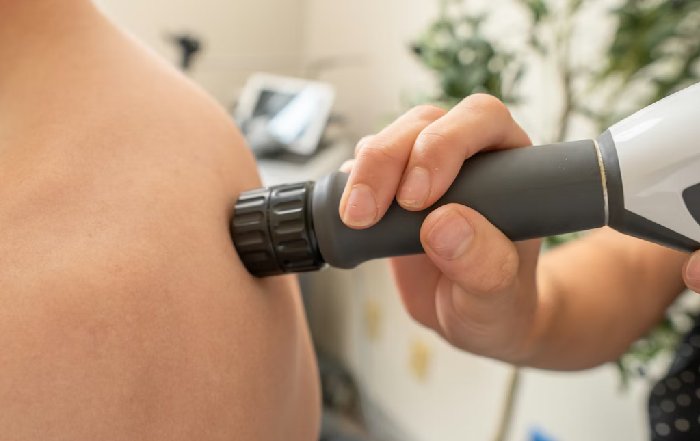
Innovations in Therapeutic Massage Equipment: Redefining Wellness in 2026
The Strategic Rise of Therapeutic Massage Technology
By 2026, therapeutic massage has moved far beyond the traditional spa or clinic setting and has become a strategic pillar of the global wellness economy, influencing how individuals, employers, and healthcare systems think about performance, recovery, and long-term health. Across major markets such as the United States, United Kingdom, Germany, Canada, Australia, and fast-growing hubs in Asia and the Middle East, therapeutic massage equipment has evolved into an integrated ecosystem of connected devices, data platforms, and evidence-based protocols that seek to enhance both physical and mental wellbeing. For WellNewTime.com, whose readers follow developments in wellness, health, fitness, and business, understanding the innovations in this sector is now essential to navigating a competitive and rapidly professionalizing wellness landscape.
Industry analysts at organizations such as the Global Wellness Institute and McKinsey & Company have highlighted how the wellness market has expanded into a multi-trillion-dollar global industry, driven by demographic aging, rising stress levels, digital fatigue, and a cultural shift toward preventive health. Readers can explore broader wellness market dynamics and consumer trends through resources such as the Global Wellness Economy research or the analysis of health and wellness consumer behavior. Within this context, therapeutic massage equipment is no longer seen as a luxury accessory but as a core component of personal health infrastructure, especially for professionals in high-pressure sectors and for organizations aiming to reduce burnout, musculoskeletal injuries, and healthcare costs.
From Hands-On Therapy to Hybrid Human-Machine Models
Historically, therapeutic massage has been dominated by hands-on manual techniques delivered by trained therapists, with equipment playing a supporting role through basic tables, cushions, and simple mechanical devices. Over the past decade, however, a hybrid model has emerged in which therapists collaborate with intelligent devices to deliver more precise, consistent, and personalized interventions. This trend has been accelerated by advances in robotics, sensor technology, and artificial intelligence, and by the rapid growth of telehealth and digital coaching.
In leading wellness markets such as the United States, Germany, Japan, and South Korea, clinics are increasingly integrating smart massage chairs, robotic arms, and targeted percussive devices into treatment plans. Companies like Panasonic, OSIM, and Inada have invested heavily in research and development to create massage chairs capable of scanning spinal curvature, adjusting pressure in real time, and simulating complex techniques such as shiatsu and deep tissue massage. Interested readers can review broader developments in robotics and human-machine collaboration through sources such as the World Economic Forum's insights on the future of work and automation.
For wellness professionals, this hybrid model does not replace human expertise; instead, it allows therapists to focus on assessment, complex manual work, and client relationship building while delegating repetitive or standardized aspects of treatment to machines. This shift aligns with global trends in healthcare where technology augments, rather than substitutes, professional judgment, as seen in digital diagnostics and remote monitoring.
Smart Massage Chairs and Immersive Relaxation Systems
One of the most visible innovations in therapeutic massage equipment is the transformation of the traditional massage chair into a sophisticated, sensor-rich health platform. Modern high-end chairs now integrate body-mapping scanners, heart rate monitors, and sometimes even basic heart-rate variability tracking to infer stress levels and autonomic balance. These systems can automatically adjust pressure, speed, and technique based on real-time feedback, enabling a level of personalization that would have been impossible with earlier mechanical models.
In markets like the United States, China, and Europe, premium hospitality brands and corporate wellness programs are deploying immersive relaxation pods that combine massage with sound therapy, aromatherapy, and guided breathing, creating multisensory experiences designed to down-regulate stress and support mental clarity. Readers interested in the science of stress physiology and autonomic regulation can explore resources from institutions such as the American Psychological Association and the National Institutes of Health. These immersive systems are increasingly found not only in spas but also in airports, corporate campuses, and high-end residential buildings, reflecting a broader lifestyle shift where recovery is embedded into everyday environments rather than reserved for occasional retreats.
For the audience of WellNewTime.com, particularly those following lifestyle and travel trends, the spread of such equipment into hotels, co-working spaces, and wellness-focused real estate underscores how massage technology is shaping new expectations around comfort, productivity, and work-life integration. In regions such as Singapore, the United Arab Emirates, and Scandinavian countries like Sweden and Norway, where design and wellbeing are closely intertwined, these integrated massage environments are becoming a hallmark of premium user experience.
Percussive Therapy and Portable Performance Devices
Another major innovation area is percussive therapy, popularized by brands such as Therabody and Hyperice, which have transformed massage guns from niche athletic tools into mainstream recovery devices used by office workers, travelers, and older adults. These handheld devices deliver rapid, targeted pulses of pressure to muscles and fascia, aiming to reduce soreness, enhance circulation, and support range of motion. Over time, they have evolved from simple mechanical tools into connected devices with app-based guidance, adjustable amplitudes, and pre-programmed protocols for specific activities or body regions.
In high-performance sports environments across North America, Europe, and Asia, percussive devices are now standard equipment, used on sidelines, in training facilities, and during travel to reduce stiffness and accelerate recovery. Organizations such as the International Olympic Committee and leading sports medicine bodies provide frameworks for athlete care that increasingly incorporate evidence-based recovery modalities; readers can explore broader sports medicine perspectives through resources like the British Journal of Sports Medicine or the American College of Sports Medicine.
For the global audience of WellNewTime.com, especially those following fitness and brands, the evolution of percussive devices illustrates how innovation can democratize access to techniques once reserved for elite athletes or specialized clinics. At the same time, it highlights the importance of user education, as improper use or excessive pressure can exacerbate injuries, especially among individuals with underlying conditions such as osteoporosis, vascular disease, or certain neurological disorders.
AI-Driven Personalization and Data-Informed Protocols
The most transformative trend in therapeutic massage equipment in 2026 is the integration of artificial intelligence and machine learning to deliver data-informed, adaptive care. Devices now routinely connect to mobile apps and cloud platforms, aggregating data points such as session frequency, duration, preferred pressure levels, and self-reported pain or stress scores. Over time, algorithms can identify patterns and propose personalized protocols, sometimes integrating data from wearables such as smartwatches and fitness trackers.
Technology companies and wellness brands are experimenting with AI-guided massage routines that adjust based on sleep quality, daily activity levels, or even calendar-based stressors like travel or major deadlines. Organizations such as Apple, Samsung, and Garmin have already normalized continuous health tracking through wearables, and massage equipment manufacturers are increasingly integrating with these ecosystems. Readers can learn more about the broader landscape of digital health and connected devices through resources such as the World Health Organization's digital health initiatives or the U.S. Food and Drug Administration's digital health guidance.
For professional therapists and clinic owners, AI-driven systems offer the possibility of standardized documentation and outcome tracking, supporting better communication with physicians, insurers, and corporate clients. However, they also raise questions about data governance, algorithmic transparency, and the risk of over-reliance on automated recommendations. For a readership concerned with both wellness and business, understanding how to evaluate AI-enabled equipment-looking at data privacy policies, interoperability, and evidence of clinical validation-has become a critical capability.
Robotics and Precision Therapy in Clinical Settings
In hospitals, rehabilitation centers, and advanced physiotherapy clinics across countries such as Germany, Japan, South Korea, and the Netherlands, robotic massage and mobilization systems are moving from experimental projects to practical tools. These systems use articulated robotic arms, pressure sensors, and imaging data to deliver highly controlled, repeatable forces to muscles, joints, and connective tissue, often under the supervision of physiotherapists or rehabilitation physicians.
Such technology is particularly relevant in post-surgical rehabilitation, neurological recovery, and chronic pain management, where consistent dosing and precise documentation are crucial. Research institutions and healthcare innovators, including organizations like Mayo Clinic and Charité - Universitätsmedizin Berlin, have been exploring how robotics can support physical therapy and rehabilitation; interested readers can follow broader rehabilitation technology developments through platforms like PubMed or the European Society of Physical and Rehabilitation Medicine.
For the global audience of WellNewTime.com, which spans North America, Europe, Asia, and emerging wellness markets in Africa and South America, these developments illustrate how therapeutic massage equipment is converging with medical devices. In the coming years, it is likely that more equipment will require regulatory oversight, clinical trials, and integration with electronic health records, particularly in countries with mature regulatory frameworks such as the United States, Canada, and the European Union. This convergence reinforces the need for readers to follow both health news and innovation trends in order to make informed decisions.
Integration with Mindfulness, Mental Health, and Sleep
One of the most significant shifts since 2020 has been the recognition that therapeutic massage equipment is not solely about musculoskeletal relief but also about nervous system regulation, emotional wellbeing, and sleep quality. As stress, burnout, and anxiety have risen globally, particularly in urban centers from London and New York to Singapore and São Paulo, massage technology has been integrated with mindfulness and mental health tools to create more holistic experiences.
Modern devices often synchronize with meditation and breathwork apps, combining tactile stimulation with guided audio, binaural beats, or nature soundscapes, thereby supporting users in transitioning out of sympathetic "fight or flight" states into more restorative modes. Leading digital mental health platforms and mindfulness apps, including Headspace and Calm, have contributed to a broader cultural understanding of the importance of nervous system regulation; readers can explore the science of meditation and stress reduction through resources such as Harvard Health Publishing or the National Center for Complementary and Integrative Health.
For WellNewTime.com, which maintains a dedicated focus on mindfulness and holistic wellness, this convergence underscores an important editorial perspective: therapeutic massage equipment should not be viewed in isolation but as part of a broader toolkit for mental resilience, sleep hygiene, and emotional balance. In countries like Sweden, Norway, and Finland, where work-life balance and mental health are national priorities, employers are increasingly investing in integrated relaxation spaces that combine massage pods, quiet rooms, and guided digital content, setting benchmarks that other regions are beginning to emulate.
Sustainability, Materials, and Ethical Manufacturing
As consumers across Europe, North America, and Asia become more environmentally conscious, the sustainability profile of therapeutic massage equipment has emerged as a key differentiator. Large chairs, tables, and robotic units require significant materials, energy, and logistics, raising questions about lifecycle impacts, recyclability, and repairability. In markets such as Germany, the Netherlands, and the Nordic countries, sustainability standards and consumer expectations are driving manufacturers to reconsider design choices, material sourcing, and end-of-life strategies.
Forward-looking brands are experimenting with modular components, recyclable plastics, sustainably sourced woods, and energy-efficient motors, while also providing longer warranties and repair services to reduce waste. Organizations such as the Ellen MacArthur Foundation have championed circular economy principles that are increasingly relevant to wellness equipment manufacturers; readers can learn more about circular design and sustainable business models through resources like the Ellen MacArthur Foundation's circular economy insights or the United Nations Environment Programme's sustainability resources.
For the WellNewTime.com community, which also follows environment and world developments, evaluating the environmental footprint of massage equipment is becoming part of a broader ethical consumption lens that includes labor practices, supply chain transparency, and corporate governance. As regulatory frameworks in the European Union and other regions tighten around product sustainability and extended producer responsibility, organizations investing in large fleets of therapeutic devices-such as hotel chains, corporate campuses, and wellness franchises-will increasingly factor environmental performance into procurement decisions.
Workplace Wellness, Corporate Strategy, and Talent Retention
In 2026, therapeutic massage equipment is also a strategic business tool, particularly in competitive labor markets in the United States, United Kingdom, Canada, Australia, and key Asian hubs like Singapore and Tokyo. Employers facing talent shortages and high burnout levels are investing in on-site recovery zones equipped with massage chairs, percussive devices, and relaxation pods as part of broader wellbeing strategies that also include flexible work policies, mental health support, and ergonomic interventions.
Research from organizations such as Gallup and Deloitte has consistently shown that employee wellbeing correlates with engagement, productivity, and retention, and that musculoskeletal issues and stress-related conditions are major drivers of absenteeism and healthcare costs. Readers can explore broader workplace wellbeing trends through resources such as Gallup's workplace insights or Deloitte's reports on human capital and wellbeing. Within this context, therapeutic massage equipment becomes more than a perk; it is an operational asset that can support measurable outcomes in terms of reduced sick days, improved morale, and enhanced cognitive performance.
For readers of WellNewTime.com who track jobs, business, and leadership trends, this shift signals an important evolution in how organizations compete for talent and design their physical workplaces. In regions such as Europe and parts of Asia where employer responsibilities for health are more formalized, investment in high-quality massage and recovery equipment is increasingly framed as part of occupational health strategy rather than discretionary spending.
Accessibility, Equity, and the Global Wellness Gap
Despite impressive innovation, significant disparities remain in access to therapeutic massage equipment across regions and socioeconomic groups. High-end robotic chairs and clinical-grade devices remain concentrated in affluent markets and premium facilities, while many communities in Africa, South America, and parts of Asia have limited access even to basic manual therapy services. This uneven distribution risks widening the global wellness gap, where advanced tools for stress relief, pain management, and recovery are available primarily to higher-income users.
International organizations and public health bodies have emphasized the importance of equitable access to preventive and rehabilitative care as part of universal health coverage goals. Readers can explore global health equity discussions through platforms such as the World Health Organization and the World Bank's health equity resources. For innovators and investors in the therapeutic equipment space, there is a growing opportunity-and responsibility-to develop scalable, lower-cost solutions suited to diverse contexts, from community clinics in South Africa and Brazil to rural health initiatives in India and Southeast Asia.
For WellNewTime.com, which speaks to an audience interested in global trends across world and news, this raises a critical editorial question: how can innovation in massage equipment support not only comfort and performance for the already well-served, but also meaningful improvements in pain relief, mobility, and quality of life for underserved populations? Emerging models, including social enterprises, micro-financing for small clinics, and public-private partnerships, will likely play a role in bridging this gap over the coming decade.
Navigating the Market: Trust, Safety, and Informed Choice
As the market for therapeutic massage equipment expands and diversifies, the challenge for consumers, practitioners, and corporate buyers is no longer scarcity of options but information overload and quality differentiation. The rise of direct-to-consumer brands, online marketplaces, and aggressive digital marketing has created an environment where products vary widely in safety, durability, and evidence base. For a business-savvy and health-conscious audience, the ability to critically evaluate claims, certifications, and user data has become essential.
Reputable health authorities and regulatory agencies, such as the U.S. Food and Drug Administration, Health Canada, and the European Medicines Agency, provide frameworks for medical device approval and oversight, though many wellness-oriented devices fall into grey areas or lower-risk categories. Readers can learn more about medical device regulation and consumer protection through resources such as the FDA's medical devices overview or the European Commission's medical devices information. Beyond regulatory status, indicators of trustworthiness include transparent technical documentation, clear contraindications, professional endorsements, and, increasingly, independent reviews by clinicians and researchers.
For WellNewTime.com, which aims to support informed, responsible wellness decisions, the emphasis on experience, expertise, authoritativeness, and trustworthiness translates into a commitment to contextualize product trends within science, ethics, and user safety. Readers exploring categories such as massage, beauty, and wellness on the site can expect a continued focus on helping individuals and organizations distinguish between meaningful innovation and superficial novelty.
The Road Ahead: Convergence, Human-Centered Design, and Holistic Value
Looking toward the late 2020s, the trajectory of therapeutic massage equipment points toward deeper convergence with digital health, precision medicine, and holistic lifestyle design. Devices will likely become more seamlessly integrated into everyday environments, from smart homes and connected vehicles to airports and urban micro-retreats, blurring the lines between clinical care, self-care, and ambient wellbeing. Advances in materials science, robotics, and biofeedback will enable more responsive, comfortable, and energy-efficient systems, while ongoing research will clarify which techniques and protocols deliver the greatest long-term value for different populations.
At the same time, the most successful innovations will be those that keep human experience at the center, respecting the irreplaceable value of skilled touch, therapeutic presence, and cultural sensitivity. In diverse markets-from the United States and Europe to Thailand, Japan, and Brazil-traditional massage practices carry deep cultural meaning and local expertise that cannot be fully replicated by machines. The future of therapeutic massage equipment, therefore, lies not in displacing human practitioners but in equipping them, and their clients, with tools that amplify effectiveness, enhance safety, and expand access.
For the global community of WellNewTime.com, which spans interests from innovation and business to lifestyle and health, the message is clear: therapeutic massage equipment is no longer a peripheral concern but a strategic domain where technology, wellbeing, and economic value intersect. Navigating this landscape thoughtfully will require ongoing engagement with high-quality information, critical reflection on personal and organizational priorities, and a willingness to balance enthusiasm for new capabilities with a grounded respect for evidence, ethics, and the human body's innate capacity to heal. As innovation accelerates across regions-from North America and Europe to Asia, Africa, and South America-the role of trusted platforms such as WellNewTime.com will be to illuminate not only what is possible, but what is truly beneficial, sustainable, and just in the evolving world of therapeutic massage.