

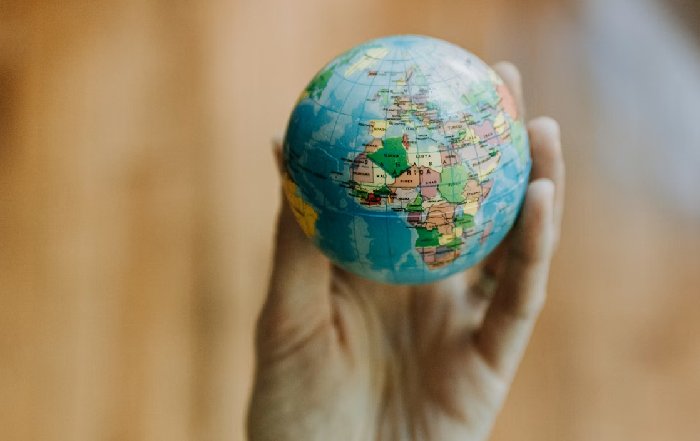
Wellness Movements Fostering Global Unity in 2026
A New Era of Wellness with a Global Consciousness
By 2026, wellness has evolved from a largely individual pursuit into a powerful global movement that increasingly shapes how societies think about health, work, community, and the future of the planet. What began as a fragmented collection of trends in fitness, nutrition, mindfulness, and holistic health has matured into a more integrated ecosystem of practices and industries that are not only transforming personal lives but also influencing public policy, corporate strategy, and international collaboration. For WellNewTime, whose readers span continents and sectors, this shift is more than an abstract social development; it is a lived reality that connects wellness with business performance, environmental stewardship, social cohesion, and innovation in ways that would have been difficult to imagine a decade ago.
At the heart of this transformation is a growing recognition, reinforced by organizations such as the World Health Organization and the United Nations, that physical and mental health, economic stability, environmental resilience, and social inclusion are deeply interdependent. As global audiences in the United States, Europe, Asia, Africa, and the Americas encounter similar challenges-from burnout and chronic disease to climate anxiety and geopolitical instability-wellness movements are emerging as a shared language that can bridge cultures and ideologies. Readers who explore the broader context of wellbeing on the WellNewTime wellness hub see this convergence reflected in how wellness is increasingly framed as both a personal responsibility and a collective project.
From Individual Wellbeing to Collective Responsibility
The most visible change in wellness culture over the past few years has been the shift from a narrow focus on individual optimization to a more systemic understanding that personal wellbeing cannot be sustained without healthy communities and supportive environments. Institutions like the Centers for Disease Control and Prevention in the United States and Public Health England (now the UK Health Security Agency) have repeatedly emphasized that social determinants of health-such as housing, employment, education, and social support-shape outcomes just as much as individual choices. Readers who follow broader health developments on WellNewTime's health section will already recognize how this perspective is influencing global health policy and corporate wellness strategies alike.
In cities from New York and Toronto to Berlin, Singapore, and Sydney, wellness movements have increasingly aligned with public health campaigns that encourage active transportation, access to green spaces, and community-based mental health support. Initiatives promoted by organizations such as the World Economic Forum, which now regularly features discussions on mental health, workplace wellbeing, and inclusive growth, demonstrate how wellness has become a strategic priority for both governments and multinational corporations. Learn more about how global institutions frame wellbeing as a driver of sustainable development by exploring the United Nations Sustainable Development Goals, which explicitly connect health, equality, and climate action as integrated objectives.
This collective lens is particularly visible in how wellness advocates address inequality. In South Africa, Brazil, India, and other emerging economies, community wellness projects increasingly focus on access to basic healthcare, safe recreational spaces, and mental health services for underserved populations. International NGOs and philanthropic organizations, including the Bill & Melinda Gates Foundation, have expanded their work to support holistic approaches to community health that combine nutrition, clean water, maternal care, and mental resilience. These efforts underscore a core theme: wellness movements that foster global unity must address structural barriers rather than only offering individual solutions.
Massage, Touch, and the Rebuilding of Human Connection
One of the more profound shifts of the 2020s has been a renewed appreciation for the role of safe, therapeutic touch in restoring psychological balance and social connection, particularly after the prolonged periods of isolation experienced during the COVID-19 pandemic and subsequent waves of public health restrictions. Massage therapy, long associated primarily with luxury spas and high-end wellness retreats, is now increasingly recognized as a legitimate component of integrated health strategies, with growing evidence supporting its benefits for stress reduction, pain management, and trauma recovery.
In major markets such as the United States, Germany, Japan, and Australia, professional associations and regulatory bodies have worked to standardize training, ethics, and safety protocols for massage therapists, thereby enhancing public trust and professional credibility. Readers interested in how these developments intersect with practice trends and consumer expectations can explore more perspectives on therapeutic touch and holistic bodywork at the WellNewTime massage page. At the same time, academic institutions and research centers in Europe and North America have intensified their study of the physiological and psychological effects of massage, with peer-reviewed journals documenting how targeted touch can lower cortisol levels, improve sleep quality, and support recovery from injury.
The broader cultural significance of massage and bodywork lies in its ability to counteract the disconnection and digital fatigue that many people across North America, Europe, and Asia report as a side effect of increasingly screen-based work and social interaction. Organizations such as the American Massage Therapy Association and the International Spa Association have noted rising demand for modalities that integrate mindfulness, breathwork, and somatic awareness, reflecting a growing desire for experiences that reconnect individuals with their own bodies in a safe and grounded way. As wellness movements adopt more trauma-informed frameworks, particularly in post-conflict regions and communities affected by displacement, therapeutic touch is being carefully incorporated into programs that support emotional healing, cultural reconnection, and social reintegration.
Beauty, Identity, and Inclusivity Across Borders
The global beauty industry has undergone a substantial reorientation as wellness movements challenge long-standing norms around appearance, aging, and identity. Instead of promoting narrow standards of perfection, leading brands and emerging innovators are increasingly embracing concepts such as "skin health," "aging well," and "inclusive beauty," which resonate strongly with audiences from London and Paris to Seoul, Lagos, São Paulo, and Dubai. Readers exploring evolving standards of self-care and aesthetics can find additional insights through the WellNewTime beauty channel, where beauty is consistently framed as part of a broader wellbeing narrative rather than as an isolated pursuit.
Companies such as L'Oréal, Unilever, and Shiseido have invested heavily in research on skin microbiomes, environmental stressors, and personalized formulations, aligning their product strategies with scientific advances in dermatology and environmental health. Learn more about dermatological science and skin health from resources provided by the American Academy of Dermatology, which highlight how environmental factors, lifestyle, and genetics interact in complex ways. At the same time, smaller challenger brands in Canada, the United Kingdom, South Korea, and the Nordic countries are building strong followings by prioritizing transparency, ethical sourcing, and culturally sensitive messaging.
A crucial driver of global unity within the beauty and wellness space is the growing emphasis on representation and cultural respect. Influencers and practitioners from Africa, South Asia, Latin America, and Indigenous communities worldwide are increasingly visible in global conversations, sharing traditional knowledge about botanicals, rituals, and holistic practices while asserting control over how their heritage is portrayed and commercialized. Organizations like the Environmental Working Group and Campaign for Safe Cosmetics have also pushed for stricter regulation of ingredients, clearer labeling, and accountability regarding environmental impact, encouraging consumers to align their purchasing decisions with their values. These trends collectively demonstrate how beauty, when grounded in wellness and ethics, can become a medium for cross-cultural learning rather than a source of division or unrealistic comparison.
Fitness as a Shared Language of Resilience
Fitness has long been a cornerstone of the wellness industry, but in 2026 it is increasingly understood as a multidimensional practice that supports physical health, mental resilience, and social cohesion. From community running clubs in Amsterdam and Copenhagen to yoga studios in Mumbai, Seoul, and São Paulo, movement-based communities offer a sense of belonging that transcends political and cultural divides. The rise of digital platforms and hybrid models has made it possible for people in different regions, including remote parts of Africa and South America, to participate in live-streamed classes, coaching sessions, and global fitness challenges, creating new forms of connection and mutual encouragement.
Readers who follow the evolving landscape of movement, sport, and performance on WellNewTime's fitness section will recognize how fitness is increasingly framed not as a pursuit of perfection, but as a foundation for sustainable health, productivity, and emotional stability. Organizations such as the World Heart Federation and the American College of Sports Medicine continue to emphasize the importance of regular physical activity in preventing cardiovascular disease, diabetes, and other chronic conditions that place heavy burdens on healthcare systems worldwide. Learn more about evidence-based exercise guidelines through the World Health Organization's physical activity recommendations, which now influence national strategies in countries as diverse as Finland, Singapore, and South Africa.
The fitness sector is also playing a growing role in workplace wellbeing, with employers in North America, Europe, and Asia-Pacific integrating movement programs, ergonomic interventions, and active design into their offices and remote work policies. Corporate wellness providers and digital fitness platforms are increasingly measured not only by engagement metrics but also by their impact on absenteeism, mental health, and organizational culture. This alignment of personal and professional priorities underscores how fitness, when approached holistically, can contribute to both individual fulfillment and collective resilience.
Mindfulness, Mental Health, and the Architecture of Inner Peace
The rapid mainstreaming of mindfulness and mental health awareness has been one of the defining wellness trends of the 2020s, and by 2026, these practices are firmly embedded in schools, workplaces, and healthcare systems across many parts of the world. What began as a niche interest in meditation and contemplative traditions has evolved into a more integrated field that spans neuroscience, psychology, education, and spiritual practice. Readers who seek deeper reflection on contemplative practices and emotional balance can explore the WellNewTime mindfulness page, where inner wellbeing is treated as a core dimension of a balanced life.
Institutions such as Harvard Medical School, Oxford Mindfulness Foundation, and UCLA's Mindful Awareness Research Center have helped legitimize mindfulness as a tool for managing stress, anxiety, and depression, while also highlighting its potential to enhance focus, creativity, and empathy. Learn more about the scientific evidence for meditation and contemplative practices through resources provided by the National Center for Complementary and Integrative Health, which offers accessible overviews of clinical research. These developments have encouraged policymakers from Canada and the United Kingdom to New Zealand and Japan to consider how mindfulness-based interventions might be integrated into public education, criminal justice reform, and community health programs.
At the same time, mental health advocates and practitioners are increasingly attentive to the risk of "wellness washing," where superficial adoption of mindfulness language can obscure deeper structural issues such as overwork, discrimination, or lack of social safety nets. Global organizations including Mental Health Europe and Beyond Blue in Australia emphasize that while individual practices like meditation and breathwork are valuable, they must be complemented by systemic reforms that address workload, financial insecurity, and social isolation. This dual focus on inner practice and outer change reflects a maturing understanding of wellness as a dynamic interplay between personal responsibility and collective conditions.
Business, Brands, and the Economics of Global Wellness
For business leaders and entrepreneurs who follow WellNewTime's business coverage, wellness is no longer a peripheral perk or marketing angle; it is a strategic imperative that shapes talent retention, brand reputation, innovation, and risk management. The global wellness economy, as tracked by organizations such as the Global Wellness Institute, continues to expand across sectors including hospitality, technology, real estate, and consumer goods, with significant growth in markets such as China, India, the Middle East, and Africa alongside established hubs in North America and Europe.
Major corporations like Google, Microsoft, Salesforce, and Unilever have invested heavily in comprehensive wellbeing programs that address physical health, mental resilience, financial literacy, and social connection, often in collaboration with healthcare providers and digital health startups. Learn more about how leading employers integrate wellbeing into corporate strategy through resources published by the Chartered Institute of Personnel and Development in the United Kingdom, which documents best practices in organizational health. For smaller companies and startups, wellness-oriented cultures are becoming a differentiating factor in attracting talent, particularly among younger professionals who expect employers to support work-life balance, psychological safety, and opportunities for personal growth.
Brands across sectors-from beauty and nutrition to travel and apparel-are increasingly evaluated based on their authenticity, transparency, and contributions to social and environmental wellbeing. The B Corp movement, which certifies companies that meet high standards of social and environmental performance, has gained traction in countries such as Italy, the Netherlands, Australia, and Brazil, reinforcing the idea that business success and societal wellbeing can be mutually reinforcing. Readers interested in how brands position themselves within this evolving landscape can find more analysis on WellNewTime's brands page, where the intersection of purpose, innovation, and consumer trust is a recurring theme.
Wellness, Environment, and the Climate of Collective Care
Perhaps the most consequential development in global wellness is the growing recognition that personal health is inseparable from planetary health. As climate-related events-from heatwaves and wildfires to floods and air pollution episodes-impact communities in Europe, North America, Asia, and Africa, wellness practitioners and environmental advocates are increasingly aligned in their messaging: sustainable lifestyles are not only ethically necessary, they are essential for long-term wellbeing. Readers who wish to explore this connection in more depth can visit the WellNewTime environment section, where climate, biodiversity, and health are treated as interconnected themes.
Organizations such as the Intergovernmental Panel on Climate Change (IPCC) and the UN Environment Programme have documented how environmental degradation exacerbates respiratory illnesses, cardiovascular disease, mental health disorders, and food insecurity, particularly among vulnerable populations. Learn more about the health impacts of climate change through the Lancet Countdown on Health and Climate Change, which provides annual reports that increasingly inform national policies. In response, wellness movements are promoting regenerative agriculture, plant-forward diets, low-impact travel, and circular design as pathways that can reduce environmental stress while enhancing personal vitality and community resilience.
Urban planners and architects in cities such as Copenhagen, Singapore, Vancouver, and Zurich are integrating concepts like biophilic design, active mobility, and climate-responsive infrastructure into their projects, effectively turning neighborhoods into ecosystems of wellbeing. This convergence of wellness and sustainability is also visible in the growth of eco-resorts, wellness retreats, and nature-based tourism that prioritize conservation, local community engagement, and cultural respect. For readers who follow travel trends and experiential wellbeing, the WellNewTime travel page highlights how journeys that nourish both the traveler and the destination are becoming the new benchmark for responsible exploration.
Innovation and the Digital Fabric of Global Wellness
Technological innovation has become a powerful accelerator of wellness movements, enabling real-time data collection, personalized interventions, and cross-border communities of practice. From AI-powered health coaching and wearable biosensors to telemedicine and immersive virtual reality therapies, the digital health landscape is reshaping how individuals in regions as diverse as the United States, the Nordics, Southeast Asia, and Sub-Saharan Africa access support and information. Readers who monitor emerging solutions and business models in this space can explore the WellNewTime innovation hub, where technology is consistently analyzed through the lens of human-centered wellbeing.
Organizations such as the World Health Organization and the OECD have issued guidelines and frameworks for digital health, emphasizing issues like data privacy, equity of access, and the importance of evidence-based design. Learn more about global digital health standards and governance through the WHO Global Strategy on Digital Health, which aims to ensure that technology enhances, rather than undermines, health systems and human dignity. Leading technology companies and startups are increasingly collaborating with clinicians, psychologists, and public health experts to develop tools that support mental health, chronic disease management, and behavior change in culturally sensitive and accessible ways.
At the same time, wellness movements are grappling with the paradox that digital tools designed to enhance wellbeing can also contribute to overuse, distraction, and social comparison. Thought leaders and researchers from institutions like MIT Media Lab and Stanford University are exploring how humane technology design-characterized by minimalism, user autonomy, and respect for attention-can support healthier relationships with devices. For global audiences, this conversation reinforces a central insight: innovation must be guided by ethical principles and grounded in a nuanced understanding of human needs if it is to genuinely foster unity rather than fragmentation.
The Role of WellNewTime in a Connected Wellness World
As wellness movements continue to evolve across continents and cultures, platforms that curate, contextualize, and connect diverse perspectives play a crucial role in shaping informed and trustworthy discourse. WellNewTime positions itself at this intersection, offering readers in North America, Europe, Asia, Africa, and South America a space where wellness is examined not as a fleeting trend, but as a multidimensional framework that touches every aspect of life-from career choices and brand loyalties to environmental activism and travel aspirations. Readers who wish to explore the full breadth of this perspective can navigate the broader ecosystem of content starting from the WellNewTime homepage, where wellness, business, lifestyle, and global affairs converge.
By highlighting developments in wellness, massage, beauty, health, fitness, mindfulness, environment, travel, business, and innovation, the platform reflects the reality that global unity is not forged through abstract rhetoric but through shared practices, aligned values, and informed choices. The WellNewTime lifestyle section illustrates how everyday decisions-from how people move and eat to how they rest and connect-can become expressions of a broader commitment to personal and collective wellbeing. Meanwhile, the WellNewTime news page situates wellness within the context of global events, policy shifts, and market dynamics, ensuring that readers understand not only what is changing, but why it matters.
In 2026, wellness movements fostering global unity are defined by depth, inclusivity, and responsibility. They invite individuals, organizations, and societies to recognize their interdependence and to act in ways that honor both personal aspirations and shared futures. For readers of WellNewTime, this evolving landscape presents not only new products, services, and experiences, but also an invitation to participate in a more connected, compassionate, and sustainable world-one in which wellness is understood as a common good, and unity emerges from the daily work of caring for ourselves, each other, and the planet we share.