

The Global Wellness Economy: A Defining Decade for Business, Society, and the Future of Wellbeing
The global wellness economy in 2026 stands at a pivotal intersection of business strategy, public policy, technological innovation, and human aspiration. What began as a constellation of luxury spas, boutique yoga studios, and niche self-care products has matured into a multi-trillion-dollar ecosystem that now shapes how people live, work, travel, consume, and invest. For Wellnewtime, whose mission is to illuminate the evolving connections between wellness, health, fitness, lifestyle, environment, and business, this transformation is not an abstract trend but the very context in which its global audience navigates daily decisions about their bodies, minds, careers, and communities.
In this new era, wellness is no longer a peripheral lifestyle choice or a discretionary indulgence reserved for affluent consumers in select markets; it has become a structural force influencing urban planning, corporate governance, financial markets, and international tourism. Governments from the United States to Singapore, corporations from L'Oréal to Apple, and institutions such as the World Health Organization (WHO) are all converging on the same realization: long-term prosperity and competitiveness increasingly depend on the capacity to foster healthier, more resilient populations and workforces.
This article examines the scale and structure of the global wellness economy as it stands in 2026, the sectoral pillars driving its expansion, the regional patterns reshaping its geography, and the key strategic trends that will define its trajectory over the next decade, with a particular focus on how these developments intersect with the interests and priorities of the Wellnewtime community worldwide.
The Scale and Momentum of the Global Wellness Economy
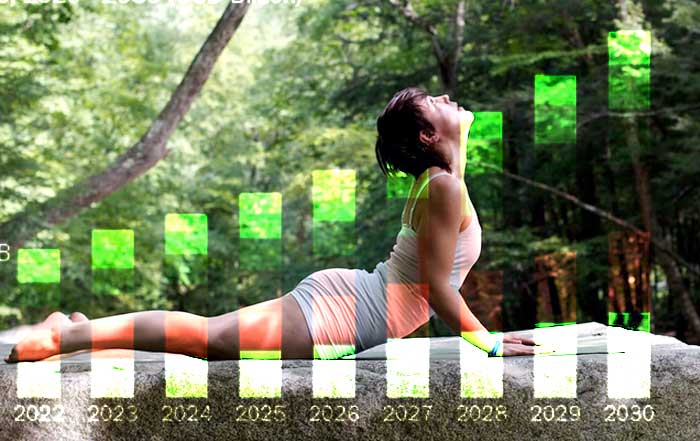
By 2026, wellness has solidified its position as one of the most powerful engines of global economic growth. The Global Wellness Institute (GWI) estimates that the global wellness economy surpassed USD 6.3 trillion by the end of 2023 and remains on track to approach or exceed USD 9 trillion by 2028, representing a sustained annual growth rate that continues to outpace global GDP. This puts wellness on par with or ahead of some of the world's largest and most visible industries, including segments of technology, tourism, and consumer goods. Readers can follow ongoing developments in wellness sectors and markets through Wellnewtime News, which tracks these shifts across regions and categories.
Complementary analyses from organizations such as Precedence Research and other market intelligence providers reinforce the magnitude of this transformation, projecting that the broader health and wellness market could move toward the USD 11 trillion mark by the early 2030s. This figure encompasses not only traditional wellness categories but also adjacent domains such as functional nutrition, digital therapeutics, health-tech platforms, and wellness-oriented real estate. Industry leaders and policymakers increasingly turn to resources such as the Global Wellness Institute and the World Economic Forum's work on well-being and inclusive growth to better understand how this expansion intersects with social and environmental priorities.
What distinguishes the wellness economy in 2026 from its earlier incarnations is not only its size but its integration. Wellness now threads through food systems, architecture, transportation, travel, financial services, and digital ecosystems, forming an invisible infrastructure of choices and experiences that shape the quality of daily life. On Wellnewtime, this integration is visible across dedicated sections such as Wellness, Health, Fitness, and Lifestyle, which together reflect the interconnected nature of modern wellbeing.
Sectoral Pillars: How Wellness Has Become a System
Personal Care, Beauty, and Aesthetics as Health Adjacent
In 2026, personal care and beauty remain the largest and most visible segments of the wellness economy, yet their positioning has shifted decisively from superficial enhancement to holistic health adjacency. Consumers in the United States, United Kingdom, Germany, France, China, and beyond now view skincare, haircare, and aesthetic procedures as part of a broader strategy for longevity, prevention, and self-respect rather than mere vanity. The growth of microbiome-friendly formulations, biotech-enabled actives, and dermatologically validated products is reshaping the competitive landscape.
Global conglomerates such as L'Oréal, Unilever, and Estée Lauder continue to expand their portfolios through acquisitions of clean, vegan, and science-backed brands, while independent labels emphasize transparency, ingredient traceability, and minimal environmental impact. Regulatory scrutiny in markets like the European Union, where frameworks such as REACH and the Cosmetics Regulation impose strict standards, has pushed companies to align with higher safety and sustainability benchmarks. Readers interested in how these shifts influence consumer choices and brand strategies can explore Wellnewtime Beauty, which follows the convergence of aesthetics, ethics, and evidence.
Nutrition, Metabolic Health, and the New Weight Management Paradigm
Nutrition has become the central battlefield of preventive wellness, with profound implications for healthcare costs, workforce productivity, and national policy. The global rise of functional foods, plant-based alternatives, and precision nutrition reflects a growing understanding of the gut-brain axis, metabolic flexibility, and the role of inflammation in chronic disease. Institutions such as the Harvard T.H. Chan School of Public Health and the National Institutes of Health (NIH) provide ongoing research on diet quality, ultra-processed foods, and cardiometabolic risk, shaping guidelines and consumer awareness worldwide.
The rapid adoption of GLP-1-based anti-obesity medications from companies like Novo Nordisk and Eli Lilly has introduced a disruptive medical dimension to weight management, especially in North America and parts of Europe. Yet, as clinicians and policymakers emphasize, pharmacological interventions alone cannot replace the need for sustainable lifestyle changes, equitable access to healthy food, and environments that encourage movement. For the Wellnewtime audience, this intersection of medicine, nutrition, and behavior is particularly relevant, and readers can deepen their understanding through Wellnewtime Health, which explores emerging research and practical strategies for long-term wellbeing.
Fitness, Movement, and the Mind-Body Convergence
The fitness sector has undergone one of the most comprehensive transformations of any wellness category since 2020. Hybrid models that combine physical clubs with digital platforms are now the norm, driven by brands such as Peloton, Les Mills, Apple Fitness+, and regional innovators across Europe, Asia, and South America. Wearables from Garmin, Fitbit, Oura, and others have evolved from step counters into sophisticated health companions, tracking heart rate variability, sleep architecture, recovery, and stress, thereby enabling users to adjust training loads and daily routines with unprecedented precision.
In 2026, the leading edge of fitness is no longer defined solely by intensity or aesthetics but by the integration of strength, mobility, mental focus, and emotional regulation. Yoga, Pilates, breathwork, and somatic practices are increasingly embedded into mainstream training programs, reflecting a broader cultural shift toward holistic performance. Research from organizations such as the American College of Sports Medicine (ACSM) and World Health Organization reinforces the importance of regular physical activity for preventing noncommunicable diseases and supporting mental health. Wellnewtime Fitness at wellnewtime.com/fitness offers a curated view of these developments, connecting scientific insight with accessible practice.
Wellness Tourism and the New Geography of Regeneration
Wellness tourism has emerged as one of the most dynamic engines of the global wellness economy, particularly for regions such as Thailand, Bali in Indonesia, Iceland, Costa Rica, Spain, and Italy, where natural assets, cultural traditions, and hospitality infrastructure intersect. The World Travel & Tourism Council (WTTC) and the UN World Tourism Organization (UNWTO) have documented the rapid growth of travel experiences centered on mental restoration, physical rejuvenation, and environmental immersion, from forest bathing and thermal bathing to digital detox retreats and structured longevity programs.
In 2026, the most competitive wellness destinations are those that align with regenerative tourism principles: minimizing environmental impact, honoring local cultures, and ensuring that economic benefits flow to surrounding communities. This evolution is particularly relevant for Wellnewtime readers across Europe, Asia, North America, and Oceania, who increasingly seek travel that supports both personal renewal and planetary health. Stories and analyses of these destinations and models can be found on Wellnewtime Travel, which highlights how wellness tourism is redefining what it means to explore the world responsibly.
Spa, Thermal, and Touch Therapies in a Digitally Fatigued World
The spa, thermal, and massage segment has experienced a strong resurgence as individuals in Germany, Switzerland, Japan, South Korea, Canada, Australia, and beyond seek refuge from digital fatigue and chronic stress. Historic spa cultures in Europe, from Baden-Baden in Germany to Budapest in Hungary, have combined their traditional thermal offerings with modern biohacking tools such as cryotherapy, infrared saunas, and red-light therapy, providing layered experiences that address both relaxation and performance recovery.
Leading operators like Therme Group and Six Senses are pioneering large-scale wellness complexes that merge architecture, art, and evidence-based therapies, creating environments where community, nature, and technology coexist. For professionals and consumers alike, touch therapies and somatic modalities are increasingly recognized as essential components of nervous system regulation in a hyperconnected era. Readers can explore how massage, bodywork, and spa culture fit into a broader wellness strategy through Wellnewtime Massage, which brings together global traditions and contemporary science.
Wellness Real Estate and the Built Environment
Wellness real estate has transitioned from niche marketing language to a sophisticated asset class attracting institutional investors in markets such as the United States, United Kingdom, Singapore, United Arab Emirates, and Australia. This sector encompasses residential communities, office buildings, hospitality properties, and mixed-use developments intentionally designed to support physical, mental, and social wellbeing through biophilic design, air and water quality optimization, acoustic comfort, access to nature, and integrated movement spaces.
Reports from organizations like the World Green Building Council and the International WELL Building Institute (IWBI) highlight the economic and health benefits of buildings that prioritize natural light, low-emission materials, and active design. Cities from Amsterdam to Seoul are experimenting with wellness districts and mobility networks that reduce pollution, encourage walking and cycling, and provide accessible green spaces. For the Wellnewtime audience, the connection between environment and wellbeing is a recurring theme, explored in depth on Wellnewtime Environment, which examines how climate resilience, urban design, and personal health intersect.
Workplace Wellness as Strategic Infrastructure
Corporate wellness has evolved from a collection of HR benefits into a strategic pillar of organizational resilience and employer branding. As hybrid work patterns solidify across North America, Europe, and Asia-Pacific, companies are rethinking how to support distributed teams with digital health platforms, mental health services, ergonomic home-office design, and flexible work arrangements. Studies from firms such as Deloitte, PwC, and McKinsey & Company underscore that employee wellbeing is now directly tied to retention, innovation capacity, and financial performance.
In 2026, leading employers are moving beyond superficial perks to embed wellbeing into job design, leadership training, and performance metrics. They are investing in psychologically safe cultures, inclusive policies, and data-driven health programs that respect privacy while enabling early intervention. For executives, HR leaders, and entrepreneurs who follow Wellnewtime Business at wellnewtime.com/business, workplace wellness is no longer optional; it is a core component of competitive strategy in a tight global talent market.
Preventive, Personalized, and Digital Health
The convergence of wellness and healthcare is perhaps most visible in the rapid expansion of preventive and personalized health solutions. Genetic testing, continuous glucose monitoring, microbiome analysis, and multi-omics platforms are becoming more accessible, allowing individuals in the United States, Canada, Germany, Singapore, and Japan to understand their unique risk profiles and tailor their lifestyles accordingly. Health-tech companies supported by advances in AI from organizations like OpenAI and Google Health are building platforms that integrate data from wearables, lab tests, and medical records to provide real-time, evidence-based guidance.
The World Health Organization and national health agencies emphasize that such tools must complement, not replace, public health measures and primary care systems. Issues of equity, data security, and clinical validation remain central, especially as digital health ecosystems expand into emerging markets in Africa, South America, and Southeast Asia. Wellnewtime Innovation at wellnewtime.com/innovation follows this frontier closely, examining how AI, sensors, and telehealth are redefining the boundaries between self-care and clinical care.
Mental Wellness, Mindfulness, and Emotional Fitness
The past decade has seen mental wellness move from the margins of public discourse to its center. Rising rates of anxiety, depression, and burnout, documented by organizations such as the OECD and World Health Organization, have compelled governments, employers, and educational institutions across Europe, Asia, North America, and Oceania to prioritize emotional health as a societal imperative.
Digital platforms like Headspace Health, Calm, and BetterHelp have expanded access to meditation, therapy, and stress-management tools, while workplaces integrate resilience training and mental health days into standard practice. At the same time, there is growing recognition that mindfulness and emotional regulation are not quick fixes but lifelong skills that require consistent practice and supportive environments. Wellnewtime Mindfulness at wellnewtime.com/mindfulness provides readers with frameworks, practices, and expert perspectives that reflect this more mature, integrated view of mental wellbeing.
Traditional, Complementary, and Integrative Medicine
Traditional and complementary medicine systems, including Ayurveda, Traditional Chinese Medicine (TCM), naturopathy, acupuncture, and indigenous healing practices, continue to gain visibility and legitimacy within the global wellness landscape. Countries such as India, China, Japan, Thailand, and South Korea are investing in research, regulation, and tourism initiatives that bring these modalities to international audiences while preserving cultural integrity.
In parallel, integrative medicine centers in Germany, Switzerland, Singapore, and the United States are combining conventional diagnostics with evidence-informed herbal, mind-body, and lifestyle interventions. The National Center for Complementary and Integrative Health (NCCIH) in the U.S. and similar institutions worldwide are expanding the scientific base for these approaches, helping practitioners and consumers differentiate between promising therapies and unsupported claims. This pluralistic model of care aligns with the Wellnewtime ethos, which values both scientific rigor and respect for diverse healing traditions.
Regional Dynamics: A Global Map of Wellness Aspirations
The wellness economy is global in aspiration but regional in expression. Income levels, demographics, cultural heritage, regulatory frameworks, and environmental conditions all shape how wellness is understood and commercialized in different parts of the world.
In North America, the market is characterized by high digital adoption, strong private-sector innovation, and a willingness to experiment with new business models, from subscription-based fitness ecosystems to concierge medicine and biohacking communities. The United States remains a laboratory for wellness entrepreneurship, while Canada emphasizes community health, outdoor activity, and social equity.
Europe offers a contrasting but complementary model, grounded in social welfare systems, public health infrastructure, and centuries-old spa and nature-based traditions. Countries such as Germany, Switzerland, Austria, Norway, Sweden, and Denmark integrate wellness into public policy through green urban planning, cycling infrastructure, and accessible thermal facilities. The United Kingdom, France, Italy, and Spain are also expanding wellness real estate, mental health services, and sustainable tourism, guided by EU-wide initiatives that link climate action with health outcomes.
The Asia-Pacific region, including China, India, Japan, South Korea, Singapore, Thailand, Malaysia, Australia, and New Zealand, is the fastest-growing engine of the wellness economy, combining rapid urbanization and rising incomes with deep-rooted traditions in meditation, herbal medicine, and community rituals. Here, wellness often serves as a bridge between heritage and modernity, offering consumers a way to navigate intense competition and digital acceleration without losing cultural identity.
In the Middle East, countries such as Saudi Arabia, United Arab Emirates, and Qatar are investing heavily in wellness cities, integrated resorts, and longevity clinics as part of broader diversification strategies. These projects often combine cutting-edge technology with luxury hospitality and desert or coastal landscapes, positioning the region as a future hub for medical and wellness tourism.
Across Africa and Latin America, wellness economies are emerging around biodiversity, traditional knowledge, and regenerative tourism. South Africa, Morocco, Kenya, Brazil, Costa Rica, Mexico, and Colombia showcase models where nature-based experiences, plant medicines, and community-owned projects align wellness with conservation and social development. These regions demonstrate that wellness need not be synonymous with exclusivity; it can also be a vehicle for inclusive growth and cultural preservation, themes regularly explored in Wellnewtime World.
Strategic Trends Shaping the Next Decade
As the wellness economy moves deeper into the second half of the 2020s, several structural trends are likely to define its evolution. First, wellness is increasingly embedded as daily infrastructure rather than episodic consumption, from smart homes with circadian lighting and indoor air sensors to office buildings designed with active staircases, quiet zones, and restorative outdoor spaces. This reframes wellness as a design principle across real estate, mobility, and public services, rather than a product category.
Second, digital wellness and AI integration will continue to accelerate, with generative AI and multimodal models enabling highly personalized coaching, early risk detection, and adaptive interventions. At the same time, concerns about privacy, algorithmic bias, and mental overload will intensify, pushing regulators, companies, and platforms such as Wellnewtime to prioritize transparent, ethical, and human-centered design. Resources such as the World Economic Forum and leading consultancies like McKinsey & Company provide valuable frameworks for understanding these trade-offs and opportunities.
Third, the integration of wellness with sustainability will become non-negotiable. As climate risks intensify across Europe, Asia, Africa, North America, and South America, the notion of wellbeing divorced from planetary health will lose credibility. Consumers will increasingly expect brands, employers, and destinations to demonstrate concrete commitments to carbon reduction, biodiversity protection, and fair labor practices. Learn more about sustainable business practices and environmental resilience through Wellnewtime Environment, which covers the intersection of climate, health, and corporate responsibility.
Finally, wellness will continue to influence labor markets and career trajectories, shaping not only how people work but what they choose to do professionally. The rise of wellness-related jobs in fitness, health-tech, sustainable design, mental health, and regenerative tourism is already visible in markets from Germany to Brazil and Singapore. Platforms like Wellnewtime Jobs reflect this shift by highlighting roles that align personal values with societal impact, underscoring wellness as both an economic sector and a career philosophy.
Wellnewtime's Role in a Wellness-Defined Future
For Wellnewtime, the maturation of the global wellness economy is not simply a backdrop; it is a call to deepen its role as a trusted guide for readers navigating an increasingly complex landscape of products, services, and narratives. In a market where the language of wellness is sometimes used loosely or opportunistically, the platform's commitment to experience, expertise, authoritativeness, and trustworthiness becomes a differentiating asset.
By connecting rigorous analysis with human stories, global research with local realities, and innovation with ethics, Wellnewtime is uniquely positioned to help individuals and organizations make informed, values-aligned decisions. Whether a reader in London is evaluating a new mental health app, an executive in Toronto is redesigning a corporate wellness program, a traveler in Bangkok is seeking restorative experiences, or a founder in Berlin is building a sustainable wellness brand, the platform aims to provide context, clarity, and perspective.
As the world moves deeper into a decade defined by environmental volatility, demographic shifts, and technological disruption, wellness offers more than a market opportunity; it offers a framework for reimagining progress itself. It challenges societies to measure success not only in GDP or shareholder returns but in the health, resilience, and dignity of people and the ecosystems that sustain them.
In that sense, the wellness economy of 2026 is not merely a story of expansion; it is a story of responsibility. Its future will depend on whether businesses, governments, and individuals can harness its power to create more equitable, sustainable, and compassionate systems. Wellnewtime, through its coverage of wellness, health, fitness, beauty, environment, business, travel, and innovation, will continue to chronicle and critically assess this evolution, inviting its global audience to see wellness not as a trend to consume but as a shared project to build.