

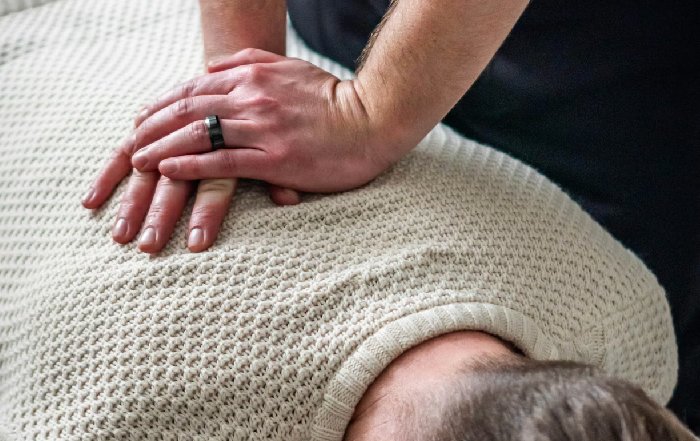
Innovative Massage Techniques for Chronic Pain
The New Landscape of Chronic Pain Management
Chronic pain has become one of the most pressing global health and economic challenges, affecting productivity, quality of life and healthcare systems from the United States and United Kingdom to Germany, Japan and Brazil, and as healthcare leaders reassess the limits of long-term pharmacological treatment, particularly opioids, innovative massage and bodywork techniques are emerging as central pillars in a more holistic, evidence-informed and sustainable approach to pain relief. For readers of wellnewtime.com, who are already deeply engaged with wellness, health and lifestyle, this shift is not simply a clinical development; it represents a broader transformation in how individuals, companies and health systems understand the relationship between body, mind, environment and performance.
Chronic pain is now recognized by organizations such as the World Health Organization as a complex biopsychosocial condition rather than a purely physical symptom, and contemporary guidelines increasingly recommend non-pharmacological interventions, including massage, as first-line or complementary strategies for many musculoskeletal and stress-related conditions. As research from institutions like Harvard Medical School and the Mayo Clinic has matured, the narrative has moved beyond anecdotal reports of relaxation to more rigorous understanding of how targeted manual therapies can modulate nervous system activity, improve tissue quality, support mobility and contribute to long-term self-management of pain. In this context, innovative massage techniques are not fringe alternatives; they are becoming integrated components of multidisciplinary care pathways in hospitals, corporate wellness programs and high-performance sports centers across North America, Europe, Asia and Australia.
From Spa Luxury to Clinical and Workplace Necessity
Historically, massage was often framed as a luxury service associated with spas and resorts, but over the past decade, and particularly leading into 2026, that perception has shifted as large employers, insurers and healthcare providers have recognized the economic cost of untreated or poorly managed chronic pain. Research from bodies such as the U.S. Centers for Disease Control and Prevention and Public Health England has highlighted that musculoskeletal disorders, tension headaches and stress-related pain syndromes are among the leading causes of lost workdays and disability, prompting progressive organizations to integrate massage into occupational health and wellbeing strategies. For readers following business and jobs trends on wellnewtime.com, this evolution underscores how wellbeing is now directly linked to competitiveness, talent retention and employer branding.
In major urban centers from New York and London to Singapore and Sydney, hybrid models are emerging where massage therapists collaborate with physiotherapists, pain specialists, psychologists and fitness coaches, creating interdisciplinary clinics that address the multifactorial nature of chronic pain. Hospitals such as Cleveland Clinic and Mayo Clinic have documented the integration of massage into oncology and post-surgical recovery programs, while sports organizations and elite training facilities increasingly rely on advanced soft-tissue therapies to extend athletic careers and prevent overuse injuries. As insurance coverage in countries like Germany, Canada and Sweden gradually expands to include certain evidence-based manual therapies, the line between "alternative" and "mainstream" continues to blur, reinforcing the importance of experience, expertise and trustworthiness among practitioners and providers.
Scientific Foundations: How Massage Influences Chronic Pain
Modern pain science, as articulated by institutions like the International Association for the Study of Pain, emphasizes that chronic pain is not merely a reflection of tissue damage but a dynamic output of the nervous system influenced by inflammation, stress, emotions, sleep quality and previous experiences. Innovative massage techniques are increasingly designed around this understanding, focusing as much on nervous system regulation and patient education as on local tissue manipulation. Studies summarized by the National Institutes of Health and Cochrane have shown that certain types of massage can reduce pain intensity, improve function and enhance quality of life in conditions such as chronic low back pain, neck pain, fibromyalgia and tension-type headaches, especially when integrated with exercise and self-care strategies.
Physiologically, massage can enhance blood and lymphatic circulation, reduce muscle hypertonicity, influence fascia and connective tissue properties, and stimulate the release of endogenous opioids and other neuromodulators that alter pain perception. At the same time, the therapeutic context-calm environment, skilled touch, clear communication and a sense of safety-can downregulate sympathetic nervous system activity and support parasympathetic dominance, which is associated with relaxation, tissue repair and improved sleep. For readers exploring mindfulness and fitness, this convergence between bodywork, stress reduction and movement highlights why massage is increasingly viewed as part of an integrated lifestyle strategy rather than an isolated treatment.
Innovative Massage Techniques Redefining Practice
While traditional Swedish and deep-tissue massage remain valuable, the most forward-looking approaches to chronic pain in 2026 draw from a wider range of modalities that emphasize precision, adaptability and patient involvement. In many leading clinics in Canada, Netherlands, Norway and Japan, therapists are combining structural, neurophysiological and somatic techniques to create highly individualized treatment plans informed by functional assessment and ongoing feedback.
One prominent example is myofascial and fascial manipulation, which focuses on the body's connective tissue network and its role in force transmission, posture and movement. Inspired in part by research shared by organizations such as Fascia Research Society, these techniques use sustained pressure, slow stretching and three-dimensional tissue engagement to influence fascial stiffness, hydration and glide, which can be particularly relevant for individuals with chronic back, neck or shoulder pain linked to prolonged sitting or repetitive strain. Another noteworthy development is neuromuscular and trigger point therapy, which targets hyperirritable spots in muscle that can refer pain to distant regions; in countries like Italy, Spain and South Africa, such approaches are often integrated with rehabilitative exercise and ergonomic coaching to address both symptoms and underlying movement patterns.
Additionally, neurodynamic and nerve-mobilization techniques, increasingly taught in advanced massage and manual therapy programs worldwide, aim to restore the mobility and sensitivity of peripheral nerves that may be contributing to pain through entrapment or irritation. These methods, when performed gently and in collaboration with the client, can help reduce radiating pain and paresthesia in conditions such as sciatica or carpal tunnel syndrome. In parallel, craniosacral and other subtle manual therapies continue to gain attention for their potential role in modulating autonomic balance and supporting individuals whose chronic pain is strongly linked with stress, trauma or sleep disturbances, areas where guidance from organizations like Sleep Foundation and American Psychological Association is increasingly influential.
Technology-Enhanced Massage: Data, Devices and Digital Coaching
The integration of technology into massage and chronic pain management has accelerated rapidly, creating new opportunities for personalization, monitoring and remote support. In 2026, many forward-thinking practitioners and wellness brands are leveraging wearable devices, pressure-sensing tools and digital platforms to refine assessment and track outcomes over time. For example, smart wearables that measure heart rate variability, posture and movement patterns can provide insights into stress levels, recovery status and ergonomic risks, allowing therapists to tailor massage intensity and focus more precisely, while also guiding clients in modifying daily habits that contribute to pain. Organizations like Stanford Medicine and MIT Media Lab have showcased prototypes and research on how biofeedback and sensor technologies can enhance human performance and wellbeing, with massage and bodywork becoming key interfaces between data and lived experience.
Beyond assessment, technology-enabled massage chairs and robotic devices, once seen primarily as consumer gadgets, are being refined for clinical and workplace use, especially in markets such as South Korea, Singapore and China, where innovation in robotics and human-machine interaction is particularly strong. While these devices cannot replace the nuanced touch and clinical reasoning of a skilled therapist, they can offer accessible, repeatable and cost-effective support for individuals with chronic pain who may not have regular access to in-person care, especially in remote regions of Africa, South America or rural Europe. Digital coaching platforms and telehealth services, supported by guidelines from organizations like World Physiotherapy and World Health Organization, now allow therapists to combine in-person sessions with remote follow-up, self-massage instruction and movement programs, helping clients maintain progress between appointments and build long-term self-efficacy.
For readers of wellnewtime.com interested in innovation and world trends, this convergence of hands-on therapy and digital tools illustrates how chronic pain care is evolving into a hybrid ecosystem that bridges clinic, home and workplace, with data-informed personalization becoming a defining feature of high-quality services.
Cultural and Regional Perspectives on Massage for Pain
Although chronic pain is a global issue, cultural attitudes toward massage and touch-based therapies vary significantly across regions, influencing how innovative techniques are adopted and integrated into mainstream care. In North America and Western Europe, regulation and professionalization of massage therapy have advanced considerably, with accredited training, ethical standards and continuing education increasingly aligned with broader healthcare frameworks. Organizations such as National Certification Board for Therapeutic Massage & Bodywork in the United States and various European professional bodies emphasize evidence-informed practice, safety and collaboration with other health professionals, which builds trust among physicians, insurers and corporate clients.
In Asia, traditional forms of bodywork such as Thai massage, Shiatsu and Tui Na provide a rich heritage that contemporary practitioners are blending with modern pain science and rehabilitation principles. In Thailand, for instance, therapeutic Thai massage has been incorporated into public health initiatives and medical tourism offerings, while in Japan and South Korea, integration with orthopedic and sports medicine continues to deepen. Meanwhile, in Australia, New Zealand and South Africa, the emphasis on outdoor lifestyles and physical activity has created strong demand for sports and remedial massage, often linked with physiotherapy and strength conditioning programs. Across these diverse contexts, the unifying trend is a move toward more personalized, outcome-oriented and ethically grounded practice, where experience, expertise and cultural sensitivity are essential for building trust and achieving meaningful results.
For wellnewtime.com's globally distributed audience, this diversity of practice underscores the importance of understanding local regulations, qualifications and standards when seeking massage for chronic pain, especially when traveling or relocating for work, study or lifestyle reasons. Exploring resources from organizations like World Health Organization or national health ministries can help individuals make informed choices about providers and settings that align with their expectations for safety and professionalism.
Integrating Massage with Lifestyle, Fitness and Mindfulness
Massage alone rarely provides a complete solution for chronic pain; instead, its greatest value emerges when it is integrated into a broader lifestyle strategy that includes movement, stress management, sleep optimization and nutritional support. Readers who follow fitness, wellness and mindfulness content on wellnewtime.com will recognize that sustainable pain relief often depends on consistent, moderate physical activity tailored to the individual's condition and preferences, whether that involves walking, yoga, strength training, swimming or Pilates. Organizations such as the American College of Sports Medicine and NHS in the United Kingdom emphasize that regular movement can reduce pain sensitivity, improve function and enhance mood, and massage can play a crucial role in supporting adherence by reducing post-exercise soreness, improving flexibility and providing motivational support.
Mindfulness-based interventions, including meditation, breathing exercises and body awareness practices, have also gained strong empirical support for their role in pain modulation and emotional resilience, with research shared by institutions like University of Oxford and University of Massachusetts Chan Medical School demonstrating benefits for conditions such as chronic back pain and fibromyalgia. When massage therapists integrate mindful breathing, guided body awareness or simple self-care rituals into their sessions, they help clients develop internal resources to navigate pain episodes more calmly and constructively. For individuals managing demanding careers in finance, technology, healthcare or creative industries across United States, Germany, France or Singapore, this combination of physical relief and psychological resilience can be especially valuable in sustaining performance without sacrificing wellbeing.
Nutrition and metabolic health, as highlighted by organizations like Harvard T.H. Chan School of Public Health, also influence chronic pain through mechanisms such as systemic inflammation, blood sugar regulation and body composition. While massage therapists are not primary nutrition providers, they increasingly collaborate with dietitians, health coaches and physicians to ensure that clients receive coherent guidance that aligns manual therapy with broader lifestyle interventions, particularly in cases where weight management, metabolic syndrome or autoimmune conditions contribute to pain. This collaborative, whole-person orientation is at the heart of the editorial perspective of wellnewtime.com, where readers are encouraged to see massage as one component of a comprehensive approach to living and working well.
The Business of Massage: Brands, Employers and Health Systems
From a business perspective, innovative massage techniques for chronic pain are reshaping service models, brand positioning and workforce strategies across multiple sectors. In the wellness and hospitality industry, leading hotel groups, medical spas and destination retreats are differentiating themselves by offering evidence-informed pain relief programs rather than generic relaxation menus, often partnering with recognized experts and training institutions to ensure quality and safety. Brands that invest in practitioner education, clear communication of benefits and integration with fitness, nutrition and stress-management services are better positioned to attract discerning clients from United States, United Kingdom, Switzerland and United Arab Emirates, who increasingly seek meaningful health outcomes from their travel and leisure spending. Readers following brands and travel content on wellnewtime.com can observe how these developments influence destination choices and customer expectations.
Within corporate settings, employers in sectors such as technology, finance, manufacturing and professional services are incorporating on-site or near-site massage into comprehensive wellbeing programs, often in collaboration with occupational health providers and insurers. Organizations like World Economic Forum and OECD have long emphasized the economic importance of healthy workforces, and in 2026, chronic pain is recognized as a significant driver of absenteeism, presenteeism and early retirement. By offering structured massage programs that target musculoskeletal discomfort, stress and digital fatigue, employers in Canada, Netherlands, Denmark and Singapore are not only supporting employee health but also signaling a commitment to humane, forward-thinking workplace cultures that attract and retain top talent. In parallel, health systems and insurers in countries such as Germany, France and Australia are experimenting with reimbursement models that reward conservative, non-invasive pain management approaches, including massage, when they demonstrably reduce reliance on high-risk medications or costly interventions.
For practitioners and entrepreneurs, this evolving landscape demands strong business acumen, ethical marketing and a clear focus on experience, expertise and trustworthiness. Clients managing chronic pain are often vulnerable, financially stretched and understandably cautious, so transparent communication about qualifications, realistic outcomes and collaborative care is essential. Platforms like wellnewtime.com, with its focus on news and business, play an important role in highlighting best practices, emerging models and thought leadership that can guide both consumers and providers toward more sustainable and equitable approaches to pain care.
Environmental and Ethical Dimensions of Massage Innovation
As awareness of environmental and social responsibility grows, the massage and wellness sector is also being evaluated through the lens of sustainability and ethics. Readers interested in the environment will recognize that choices around linens, oils, energy use, building materials and travel all contribute to the ecological footprint of massage services, particularly in high-volume urban clinics and resort settings. Organizations such as United Nations Environment Programme and World Resources Institute provide frameworks and data that can help businesses assess and reduce their impact, from sourcing biodegradable products and renewable energy to designing spaces that maximize natural light and ventilation, which can also enhance client comfort and practitioner wellbeing.
Ethically, the growth of massage for chronic pain raises important questions about training standards, consent, boundaries and fair labor practices, especially in regions where regulation is weak or where economic pressures can lead to exploitation. Professional bodies and advocacy organizations around the world are increasingly vocal about the need to separate legitimate therapeutic massage from illicit activities, to protect both clients and practitioners, and to ensure that marketing claims are supported by evidence rather than hype. For a platform like wellnewtime.com, which prioritizes trust and integrity, highlighting these ethical dimensions is integral to guiding readers toward responsible choices that align personal health goals with broader social and environmental values.
Future of Massage for Chronic Pain
Innovative massage techniques for chronic pain stand at the intersection of science, technology, culture and business, offering individuals and organizations new possibilities for managing one of the most pervasive challenges of modern life. As research continues to evolve, with contributions from universities, healthcare systems and interdisciplinary collaborations worldwide, the role of massage is likely to become even more integrated into personalized medicine, preventive health strategies and high-performance lifestyles. Advances in fields such as neuroimaging, connective tissue biology and digital health will refine understanding of which techniques work best for which individuals under which conditions, enabling more targeted and efficient interventions.
For the global unity audience from professionals in New York, London and Berlin to entrepreneurs in Singapore, creatives in Melbourne, healthcare workers in Cape Town and remote workers in Lisbon or Bangkok-the key message is that chronic pain no longer needs to be approached as an inevitable, purely biomedical problem. Instead, it can be addressed through a nuanced combination of innovative massage, movement, mindfulness, environmental design and supportive relationships at home and at work. By seeking out qualified practitioners, engaging actively in self-care and staying informed through trusted platforms and organizations, individuals can play a central role in shaping their own pain journeys.
In this evolving landscape, wellnewtime.com remains committed to providing informed, practical and globally relevant perspectives on wellness, massage, beauty, health, business, fitness, jobs, brands, lifestyle, environment, world affairs, mindfulness, travel and innovation, helping readers translate complex trends into concrete decisions that enhance both personal wellbeing and collective resilience. As massage continues to innovate and integrate, it stands as a powerful example of how ancient practices can be reimagined through modern science and thoughtful design to meet the needs of a world seeking healthier, more humane ways to live, work and thrive.