

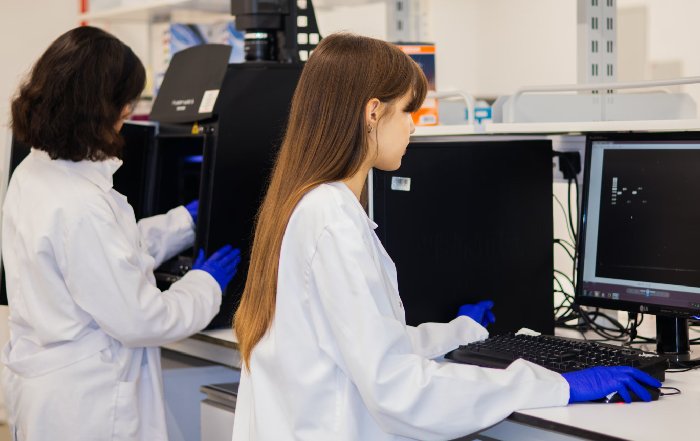
International Collaborations Advancing Health Tech
The New Geography of Health Innovation
International collaboration has become the defining engine of progress in health technology, reshaping how patients in the United States, Europe, Asia, Africa and beyond experience care, prevention and wellbeing. What once relied on fragmented national initiatives is increasingly orchestrated through cross-border research alliances, joint ventures, public-private partnerships and shared digital infrastructure that collectively accelerate discovery, de-risk investment and, crucially, spread benefits more equitably across regions and populations. For a global wellness and innovation platform such as WellNewTime, which connects readers to insights across health, business, wellness and innovation, this shift is not simply a backdrop; it is the context in which every new product, therapy, wellness concept and digital service must now be understood.
The health technology landscape in 2026 spans precision diagnostics, AI-enabled decision support, remote monitoring, robotic surgery, digital therapeutics, genomics, mental health platforms and climate-resilient health systems. None of these domains is advancing in isolation. Instead, they are being shaped by the interplay between regulatory bodies, multinational corporations, academic institutions, startups and non-governmental organizations across the United States, the United Kingdom, Germany, Canada, Australia, France, Italy, Spain, the Netherlands, Switzerland, China, Sweden, Norway, Singapore, Denmark, South Korea, Japan, Thailand, Finland, South Africa, Brazil, Malaysia, New Zealand and regional blocs in Europe, Asia, Africa and the Americas. Understanding these collaborations has become essential for leaders navigating global health markets, wellness brands expanding into new territories and professionals exploring careers in health and wellness.
Global Health Tech after the Pandemic: A Permanent Shift
The COVID-19 pandemic fundamentally altered the trajectory of health technology and global cooperation. Emergency responses forced governments and firms to share data, manufacturing capacity and research in unprecedented ways, creating a template for collaboration that has persisted and matured. Organizations such as the World Health Organization (WHO) and World Bank now explicitly emphasize digital health infrastructure, data interoperability and resilient supply chains as core pillars of global health security, and their policy frameworks actively encourage cross-border innovation networks. Those interested in the evolution of these frameworks can explore how multilateral institutions now support digital health investments and learn more about global health system strengthening.
This post-pandemic environment has made telehealth, remote diagnostics and AI-driven triage part of routine care in countries as diverse as the United States, Singapore and Sweden, while also catalyzing efforts to extend connectivity and basic digital services to lower-income regions in Africa, South America and South Asia. The Organisation for Economic Co-operation and Development (OECD) has documented how digital health adoption surged during the pandemic and has since stabilized at significantly higher levels, providing a foundation for more advanced tools, and its analyses help stakeholders understand trends in digital health policy and investment. For platforms like WellNewTime, which track health news and global developments, this structural change means that innovation stories increasingly have an international dimension, even when they appear local on the surface.
Cross-Border AI and Data Collaborations in Health
Artificial intelligence has emerged as a central driver of health tech, but its effectiveness depends on access to large, diverse and high-quality datasets. No single hospital system or national health service can provide the breadth of data needed to train robust models that work for patients in Europe, Asia, Africa and the Americas alike. As a result, international data collaborations are rapidly expanding, with consortia linking academic medical centers, technology companies and public agencies to share anonymized clinical data under strict governance frameworks. Initiatives supported by the European Commission and national research agencies in Germany, France, Italy, Spain and the Nordic countries aim to create common standards and infrastructures that enable cross-border health data spaces, and readers can explore how Europe is building a European Health Data Space that will reshape research and care delivery across the continent.
In parallel, partnerships between leading technology firms such as Google, Microsoft, IBM and Amazon Web Services and health systems in the United States, United Kingdom, Canada, Australia and Singapore are creating global reference models for secure cloud-based health data platforms. These collaborations focus on privacy-preserving analytics, federated learning and compliance with regulations such as the Health Insurance Portability and Accountability Act (HIPAA) in the United States and the General Data Protection Regulation (GDPR) in Europe, and professionals can review official HIPAA guidance to understand how these frameworks govern data use and protection. The aim is to achieve the benefits of global data scale without sacrificing patient trust, an imperative that aligns strongly with the Experience, Expertise, Authoritativeness and Trustworthiness principles that WellNewTime emphasizes in its coverage of digital health, wellness and mindfulness-driven care models.
Precision Medicine and Genomics across Borders
Precision medicine and genomics represent another area where international collaboration is indispensable. To understand how genetic variants influence disease risk, drug response and wellness outcomes across populations, research must include diverse cohorts from North America, Europe, Asia, Africa and South America. Programs such as the United States All of Us Research Program and the United Kingdom's Genomics England have inspired similar initiatives in Canada, Germany, Japan, South Korea and Singapore, and they increasingly collaborate through shared protocols, open-source tools and joint studies. Those wishing to delve into the scale and goals of these initiatives can learn more about large-scale precision medicine efforts that aim to transform prevention and treatment.
Pharmaceutical companies such as Roche, Novartis, Pfizer, AstraZeneca and Sanofi now routinely design global clinical trials that integrate genomic and digital biomarkers, recruiting patients from Europe, Asia-Pacific, North America and Latin America. These trials often rely on cloud-based platforms and remote monitoring devices developed in partnership with health tech firms, enabling more inclusive participation and faster data collection. Regulatory agencies including the U.S. Food and Drug Administration (FDA) and the European Medicines Agency (EMA) have updated guidance to accommodate adaptive trial designs and real-world evidence, and stakeholders can review how the FDA approaches digital health and real-world data to understand the regulatory expectations that shape product development. For readers of WellNewTime interested in the intersection of clinical health, lifestyle choices and wellness personalization, these international efforts are laying the groundwork for more tailored interventions that consider genetics, environment, behavior and mental wellbeing together.
Telehealth, Remote Care and the Global Patient
Telehealth and remote care have moved from contingency tools to core components of health systems worldwide. In the United States, virtual primary care and behavioral health services continue to expand, while in the United Kingdom, Germany, France and the Nordics, national health services integrate teleconsultations, e-prescriptions and remote monitoring into standard care pathways. In Asia, countries such as Singapore, South Korea, Japan and Thailand are leveraging high-speed connectivity and strong consumer technology adoption to deliver sophisticated digital health services, while in Africa and South America, mobile-based platforms are extending basic care and health education to rural and underserved communities. The World Health Organization has published digital health strategies and guidance that provide a global reference, and those interested can explore how WHO supports digital health transformation.
International collaborations underpin many of these deployments. Technology companies partner with local telecom operators, insurers and health providers to adapt telehealth platforms to language, culture and regulatory requirements in markets as varied as Brazil, South Africa, Malaysia and New Zealand. Non-profit organizations work with ministries of health to pilot remote maternal care, chronic disease management and mental health support in low-resource settings, often combining SMS, smartphone apps and community health workers. For wellness-focused readers, this convergence of telehealth, digital coaching and remote diagnostics is blurring the lines between clinical care, fitness programs, mental health support and everyday wellness, creating new opportunities for integrated services that align with the holistic perspective championed by WellNewTime.
Robotics, Surgery and Cross-Border Training
Robotic surgery and advanced medical devices illustrate how international collaboration accelerates both technology development and clinical adoption. Companies such as Intuitive Surgical, Medtronic, Stryker and Johnson & Johnson design and manufacture complex robotic platforms and implants that are deployed in hospitals from the United States and Canada to Germany, Italy, Spain, China, Japan, South Korea and Australia. These systems require extensive training, standardized protocols and continuous data collection to ensure safety and effectiveness, which in turn depend on close cooperation between manufacturers, surgeons, hospitals and regulators across regions. Professional societies such as the American College of Surgeons and the Royal College of Surgeons of England provide international training programs and guidelines, and clinicians can access global surgical education resources that support the responsible use of advanced technologies.
Beyond surgery, robotics and automation are transforming rehabilitation, eldercare and hospital logistics. Collaborative projects link research centers in the Netherlands, Switzerland, Sweden and Denmark with partners in Singapore, South Korea and Japan, where aging populations and high labor costs drive interest in assistive technologies. These initiatives often integrate robotics with AI-driven monitoring, telepresence and personalized exercise programs, providing new tools for maintaining independence, mobility and quality of life in later years. For readers of WellNewTime, particularly those engaged with massage and physical recovery, these technologies suggest future models where human touch, therapeutic expertise and robotic assistance complement rather than replace each other.
Wellness, Beauty and Consumer Health Technology
While much of the international collaboration narrative focuses on hospitals and clinical research, consumer-facing wellness, beauty and lifestyle technologies are equally shaped by cross-border partnerships. Global brands such as L'Oréal, Unilever, Procter & Gamble and Shiseido work with dermatologists, data scientists and startups across Europe, North America and Asia to develop personalized skincare and beauty solutions that combine sensors, AI-driven recommendations and digital coaching. Industry events and research from organizations like Cosmetics Europe and the Personal Care Products Council highlight how scientific advances and regulatory changes spread rapidly across markets, and professionals can learn more about the science behind modern cosmetics and skincare.
Wearable devices from companies such as Apple, Samsung, Garmin and Fitbit track activity, sleep, heart rate variability and stress markers, feeding data into wellness platforms that offer personalized recommendations for exercise, nutrition, mindfulness and recovery. These ecosystems depend on partnerships with universities, health systems and fitness organizations in multiple countries to validate algorithms and design interventions. For a platform like WellNewTime, which curates insights across beauty, wellness and fitness, this convergence of consumer tech and evidence-based health science underscores the importance of distinguishing between marketing claims and rigorously validated benefits, especially as products move fluidly between the United States, Europe, Asia and emerging markets.
Mental Health, Mindfulness and Digital Therapeutics
Mental health and mindfulness have become central pillars of global wellness, and digital therapeutics in this space exemplify how international collaboration can combine clinical rigor with culturally sensitive design. App-based cognitive behavioral therapy, mindfulness training, sleep improvement programs and addiction support tools are developed through partnerships between psychologists, psychiatrists, neuroscientists and technologists in the United States, United Kingdom, Germany, Canada, Australia and beyond. Organizations such as Mind, Mental Health America and the National Institute of Mental Health (NIMH) provide research, guidelines and public education that inform product development, and readers can explore evidence-based information on mental health conditions and treatments.
Regulators have begun to formally recognize and approve digital therapeutics for conditions such as anxiety, depression and insomnia, with the FDA, EMA and national agencies in countries like Japan and South Korea evaluating clinical trials and real-world outcomes. This regulatory recognition encourages insurers and employers to integrate digital mental health tools into benefits packages, often in collaboration with international wellness platforms and telehealth providers. For WellNewTime, which dedicates coverage to mindfulness, lifestyle and holistic wellbeing, these developments highlight the need to balance enthusiasm for accessible digital support with careful attention to data privacy, clinical oversight and cultural adaptation across diverse regions, from Europe and North America to Asia, Africa and South America.
Climate, Environment and Health Technology
The intersection of environment, climate change and health has become a critical area of international cooperation, with technology playing a key role in monitoring risks, predicting outbreaks and protecting vulnerable populations. Extreme heat, air pollution, vector-borne diseases and climate-driven displacement are reshaping health risks in Europe, Asia, Africa and the Americas, prompting governments, research institutions and technology firms to develop integrated surveillance and response systems. Organizations such as the Intergovernmental Panel on Climate Change (IPCC) and United Nations Environment Programme (UNEP) provide scientific assessments and policy guidance, and stakeholders can learn more about the links between climate change and human health.
Health tech companies collaborate with environmental data providers, satellite operators and local public health agencies to create platforms that combine weather data, pollution levels, disease surveillance and healthcare capacity information. These tools support early warning systems for heatwaves, dengue outbreaks or wildfire smoke, and they guide resource allocation in regions as varied as Southern Europe, Southeast Asia and Southern Africa. For readers of WellNewTime, particularly those following environmental and sustainability topics, these initiatives illustrate how wellness and health cannot be separated from planetary wellbeing, and how international partnerships are essential to building resilient, climate-aware health systems that protect communities worldwide.
Workforce, Jobs and Skills in a Collaborative Health Tech Era
As international collaborations reshape health technology, they also transform the skills and careers required to design, implement and govern these systems. Demand is growing for professionals who can bridge clinical expertise, data science, regulatory knowledge and cross-cultural communication. Universities and training providers in the United States, United Kingdom, Germany, Canada, Australia, Singapore and other innovation hubs are launching joint degree programs and exchange initiatives that focus on digital health, health informatics, biomedical engineering and global health policy. Organizations such as the World Economic Forum (WEF) analyze how technology is changing healthcare jobs and competencies, and those planning their careers can explore insights on the future of health and healthcare work.
For individuals and organizations tracking opportunities on WellNewTime's jobs and careers pages, this shift means that roles increasingly require familiarity with international standards, collaborative tools and multicultural teams, whether in a startup in Berlin, a hospital in Toronto, a wellness brand in Seoul or a digital health platform in Nairobi. Soft skills such as empathy, ethical reasoning and cultural literacy sit alongside technical capabilities in AI, cybersecurity and human-centered design. As health tech becomes more embedded in everyday life, from home monitoring and telehealth to wellness apps and digital diagnostics, professionals must also understand consumer expectations, privacy concerns and the broader lifestyle context in which technology is used.
Travel, Medical Tourism and Cross-Border Care
International collaboration in health tech is also reshaping how people travel and seek care abroad. Medical tourism has long connected patients from Europe, North America and the Middle East to hospitals in countries such as Thailand, Singapore, South Korea and India, but digital tools now make cross-border care more continuous and transparent. Teleconsultations before and after procedures, shared electronic records, remote monitoring and AI-assisted imaging review enable multidisciplinary teams in different countries to coordinate care. Government tourism boards and healthcare accreditation bodies work together to establish quality and safety standards, while platforms provide information on hospital credentials, surgeon experience and patient outcomes. Those interested in the broader context of travel and wellbeing can learn more about how travel intersects with health and lifestyle choices.
For wellness-oriented travelers, retreats and integrative medicine centers in Europe, Asia, Africa and South America are incorporating health tech into their offerings, from genomic testing and metabolic analysis to digital mindfulness coaching and personalized nutrition plans. These programs often rely on partnerships with laboratories, device manufacturers and digital health startups across continents, blending local traditions with global science. As WellNewTime continues to report on global lifestyle and wellness trends, the platform is well positioned to help readers evaluate these offerings through the lens of evidence, ethics and long-term wellbeing rather than short-term novelty.
Governance, Ethics and Building Trust in Global Health Tech
The rapid expansion of international collaborations in health technology raises complex questions about governance, ethics and trust. Data sovereignty, algorithmic bias, equitable access, intellectual property and the risk of digital divides between high-income and low-income regions all demand careful consideration. Multilateral organizations, national regulators, civil society groups and industry alliances are working to develop frameworks that balance innovation with protection of individual rights and social justice. The OECD, WHO, UNESCO and other bodies publish guidelines on AI ethics, data governance and human rights in digital health, and policy professionals can review international principles for trustworthy AI and health data use.
For platforms like WellNewTime, which aim to provide trustworthy, expert-driven insights across health, business, world affairs and innovation, engaging with these governance debates is not optional. It is central to supporting readers as they navigate choices about which tools to use, which brands to trust and how to integrate technology into their personal and professional lives. Transparent communication about risks and benefits, clear explanation of scientific evidence and acknowledgment of uncertainties are all part of building and maintaining that trust.
In a Connected Health Tech Ecosystem
Wellness News sits at the intersection of wellness, technology, business and global culture, serving audiences from the United States and Canada to Europe, Asia, Africa, South America and Oceania. International collaborations advancing health tech are not abstract trends but lived realities that shape the products people buy, the services they use, the careers they pursue and the policies that govern their lives. By curating insights from leading institutions, innovators and practitioners, and by connecting themes across wellness, health, environment, business and innovation, the platform can help readers make informed decisions rooted in experience, expertise, authoritativeness and trustworthiness.
Looking ahead, the most successful health technologies will be those that emerge from genuine collaboration: between countries and regions, between public and private sectors, between clinical experts and wellness practitioners, and between technology developers and the people whose lives their products touch. As health tech becomes ever more international and intertwined with everyday life, the mission of providing clear, reliable and context-rich information becomes even more important. In this evolving landscape, WellNewTime is positioned not only as an observer but as an active participant in a global conversation about how to harness technology to support healthier, more resilient and more fulfilling lives for individuals and communities worldwide.