

Scandinavia: How the Nordics Became the World's Outdoor Wellness Powerhouse
Scandinavia's position at the center of global wellness tourism has only strengthened by 2026, and for the readers of WellNewTime, the region now stands as a living blueprint for how outdoor fitness, mental health, sustainability, and innovation can be woven into a single, coherent lifestyle. The Nordic countries-Sweden, Norway, Denmark, and Finland-have transformed their landscapes, cities, and policies into an integrated ecosystem where movement is natural, nature is accessible, and wellness is a shared social priority rather than a luxury product. From fjords and forests to bike-friendly capitals and silent Arctic expanses, Scandinavia offers not only destinations but a philosophy that resonates deeply with health-conscious travelers and professionals worldwide.
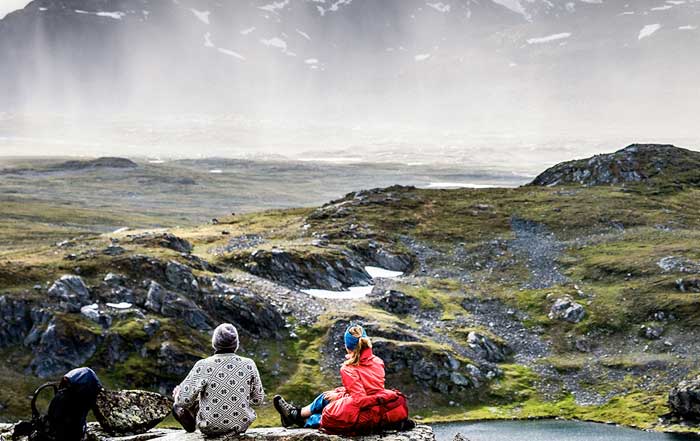
This evolution is grounded in the enduring concept of friluftsliv, the Scandinavian tradition of "open-air living," which encourages people to seek physical and mental renewal through time spent outdoors in all seasons. In 2026, friluftsliv is no longer a cultural curiosity; it has become a reference point for urban planners, hospitality leaders, and wellness entrepreneurs from North America, Europe, Asia, and beyond. For an audience interested in wellness, fitness, business, travel, mindfulness, and innovation, Scandinavia's approach illustrates how an entire region can align public policy, corporate strategy, and everyday behavior around evidence-based health and environmental stewardship.
Readers who follow WellNewTime Wellness will recognize this Nordic mindset in the platform's ongoing focus on balance, prevention, and sustainable living, which increasingly mirrors the priorities that have shaped the modern Scandinavian wellness landscape.
The Core of Scandinavian Wellness Culture in 2026
Scandinavian wellness culture in 2026 continues to be built on a simple yet powerful premise: the human body and mind function best when they are regularly exposed to nature, moderate physical exertion, clean air, and supportive social frameworks. Unlike many regions where fitness is largely confined to gyms or short-term resolutions, the Nordic countries have invested over decades in infrastructure and norms that make walking, cycling, skiing, and outdoor play the default rather than the exception.
Public health agencies across the region, such as The Norwegian Directorate of Health, The Swedish Public Health Agency, and The Finnish Institute for Health and Welfare, consistently highlight the role of daily movement and nature contact in reducing chronic disease and improving mental well-being. Their recommendations are embedded in city design and national strategies rather than standalone campaigns. Urban centers like Oslo, Stockholm, Copenhagen, and Helsinki have expanded green corridors, waterfront promenades, and forest access points that allow residents and visitors to transition from office to outdoors in minutes. Those interested in how these principles translate into global health strategies can explore international perspectives through resources such as the World Health Organization and learn how nature-based activity supports physical and mental health.
Sustainability is inseparable from this wellness culture. Scandinavian governments have integrated climate targets with public health goals, encouraging cycling instead of driving, supporting renewable-powered sports facilities, and incentivizing low-impact tourism. Cities like Copenhagen and Stockholm have accelerated their climate-neutral commitments, aligning with frameworks such as the European Green Deal, and have become testbeds for what a healthy, low-carbon urban lifestyle can look like in practice. For readers following the intersection of environment and well-being, WellNewTime Environment offers a complementary lens on these developments.
Norway: High-Impact Fitness in High-Impact Landscapes
Norway's reputation as a global outdoor fitness destination has only grown, as its dramatic landscapes are increasingly supported by sophisticated, sustainability-focused tourism management. The iconic Geirangerfjord and Nærøyfjord, both part of UNESCO's World Heritage list, now host carefully regulated kayaking, hiking, and trail-running experiences that combine physical challenge with strict environmental safeguards. Travelers who paddle through these fjords or ascend the famed Preikestolen (Pulpit Rock) are not only engaging in demanding workouts; they are participating in curated experiences that emphasize safety, respect for nature, and education about fragile marine and mountain ecosystems.
Northern Norway, particularly the Lofoten Islands, has become a year-round hub for adventure fitness, with surfing, climbing, ski touring, and trail running anchored in community-based tourism models. Local operators increasingly adhere to guidelines promoted by Visit Norway and environmental organizations such as the Norwegian Environment Agency, ensuring that visitor flows are managed and local communities benefit economically without sacrificing environmental integrity.
In urban Norway, Oslo and Bergen exemplify how cities can serve as gateways to outdoor wellness. Nordmarka Forest north of Oslo functions as an enormous natural gym, where residents practice everything from trail running and mountain biking to outdoor strength training using natural features. Bergen, framed by seven mountains, has turned routes like Mount Fløyen and Mount Ulriken into everyday training grounds, with locals integrating steep hikes into pre-work or post-work routines. These behaviors are not exceptions for elite athletes but part of a broader culture that values regular, moderate exertion in nature as a route to resilience and longevity.
Professionals seeking deeper insight into how outdoor activity supports performance and recovery can explore related perspectives in WellNewTime Fitness, where the Norwegian model of integrating nature into daily movement is frequently reflected.
Sweden: Active Cities, Arctic Calm, and Wellness Innovation
Sweden has continued to position itself as a leader in combining outdoor activity with design, technology, and inclusive wellness. Stockholm, spread across islands and waterways, remains a model for green urbanism. The city's extensive network of cycle lanes, waterfront running routes, and "workout parks" has expanded further since 2024, supported by initiatives that encourage residents to combine commuting with physical activity. Outdoor gyms equipped with calisthenics stations, climbing structures, and bodyweight training modules are now standard features in many neighborhoods, designed in collaboration with companies such as KOMPAN and aligned with research from institutions like the Karolinska Institutet, which continues to study the health effects of everyday movement and nature exposure. Those interested in the science behind these trends can explore more about physical activity and public health through the Karolinska Institutet.
Beyond the capital, Sweden's northern regions have become synonymous with transformative wellness experiences. Swedish Lapland offers a powerful combination of endurance and mindfulness, with activities such as multi-day hikes in Abisko National Park, cross-country skiing under the Northern Lights, and structured cold-exposure practices in frozen lakes and rivers. Properties like Treehotel, Arctic Bath, and the evolving ICEHOTEL concept increasingly blend architectural experimentation with guided wellness programming, including breathwork, sauna rituals, and recovery-focused nutrition. These experiences reflect growing scientific interest in cold exposure, metabolic health, and stress adaptation, which has been highlighted by research from organizations such as the Harvard T.H. Chan School of Public Health.
In southern Sweden and cities like Gothenburg and Malmö, coastal running, paddleboarding, and urban bathing facilities extend the outdoor season and reinforce the idea that wellness is accessible in both wilderness and city environments. The Swedish government's "Active Sweden 2030" framework, which encourages municipalities to prioritize movement-friendly design, continues to serve as a policy model for other European regions. Readers who want to connect these trends with broader innovation themes can explore WellNewTime Innovation, where Swedish approaches to health-tech and urban design are frequently mirrored.
Denmark: Cycling Culture, Coastal Calm, and Everyday Mindfulness
Denmark's wellness identity in 2026 remains anchored in its cycling culture and the concept of small, daily habits that accumulate into substantial health benefits. Copenhagen still ranks among the world's most bike-friendly cities, with over half of all commutes made by bicycle, supported by safe, well-lit lanes and infrastructure such as the Cykelslangen (Cycle Snake) and the scenic Harbour Circle route. This infrastructure makes it easy for residents and visitors to integrate moderate-intensity exercise into daily routines, which aligns closely with global recommendations from organizations such as the American College of Sports Medicine on the benefits of consistent, moderate physical activity.
Public parks like Faelledparken, Sondermarken, and Amager Strandpark now host a wide spectrum of organized and informal outdoor activities, from community yoga and functional training classes to open-water swimming and beach workouts. Danish initiatives such as the national "Move for Life" campaign, supported by organizations like Team Denmark and The Danish Sports Confederation, continue to reinforce movement as a cultural norm rather than a niche hobby. These programs are increasingly studied by international policymakers interested in how to shift population-level behavior in a sustainable way.
Outside the capital, the Danish coasts of Zealand and Jutland support a growing wellness tourism ecosystem. Long sandy beaches, dune landscapes, and small resort towns offer hiking, windsurfing, and sea-bathing experiences that revive historic European traditions of "taking the waters" for health. For readers interested in how coastal environments influence skin health, relaxation, and recovery, WellNewTime Beauty and WellNewTime Health provide additional perspectives that echo Denmark's blend of natural therapy and modern science.
Finland: Forest Mind, Lakes, and the Sauna-Performance Nexus
Finland's contribution to outdoor wellness remains distinctive and deeply rooted in its forest and sauna culture. The country's "Everyman's Right" principle still allows residents and visitors to roam freely through forests and along lake shores, fostering a sense of shared ownership and responsibility for nature. National parks such as Nuuksio, Koli, and Oulanka have refined their trail systems, signage, and visitor centers to support both casual walkers and serious trail runners, while preserving biodiversity and limiting overuse. The Finnish concept of metsämieli, or "forest mind," has gained international recognition as a structured approach to combining nature immersion with mindfulness, supported by research from institutions such as Aalto University and the University of Eastern Finland.
Finland's cities also reflect this philosophy. Helsinki Central Park (Keskuspuisto) serves as a vast, accessible training ground for runners, cyclists, and cross-country skiers, extending almost seamlessly from the urban core into wilder landscapes. In the north, Rovaniemi and Lapland continue to attract travelers interested in Arctic endurance experiences-fat biking on snow, long-distance ski tours, and ice-swimming sessions that test both physical stamina and mental fortitude. The Finnish concept of sisu, representing inner strength and perseverance, is increasingly referenced in global wellness discourse as a psychological framework for resilience.
Central to Finland's wellness identity is the sauna. With more saunas than cars in the country, this heat-based recovery method is deeply embedded in everyday life and elite sports alike. Athletes from Finland's national ice hockey team and other professional organizations routinely integrate sauna, cold plunges, and contrast therapy into training cycles, a practice supported by emerging evidence on circulation, inflammation, and sleep quality from sources such as the National Institutes of Health. For readers interested in the intersection of mindfulness, recovery, and performance, WellNewTime Mindfulness offers an aligned perspective on how rituals like sauna can be integrated into modern routines.
Sustainable Wellness: Policy, Practice, and Global Influence
Across Scandinavia, outdoor fitness is inseparable from environmental responsibility. National tourism boards such as Visit Norway, Visit Sweden, Visit Denmark, and Visit Finland have aligned their strategies with the United Nations Sustainable Development Goals, particularly those focused on health, sustainable cities, responsible consumption, and climate action. This alignment is visible in the proliferation of eco-certified hotels, low-impact trail systems, and public transportation networks that make car-free travel to nature areas both realistic and attractive.
The region's approach has attracted attention from global organizations and think tanks such as the OECD and the World Economic Forum, which increasingly point to the Nordics as examples of how health, productivity, and environmental protection can reinforce each other rather than compete. For a business-oriented audience, this convergence is particularly relevant, as wellness and sustainability are no longer peripheral topics but core components of brand strategy, talent retention, and risk management. Readers following these dynamics can find parallel analyses at WellNewTime Business, where wellness is treated as both a human and economic asset.
Brands, Technology, and the Professionalization of Outdoor Wellness
Scandinavia's outdoor fitness culture has also been shaped by brands and technology companies that combine performance with environmental responsibility. Apparel and equipment leaders such as Peak Performance, Helly Hansen, Icebug, and Reima have expanded their use of recycled materials, repair programs, and traceable supply chains, responding to both consumer expectations and regulatory pressures emerging from the European Union's sustainability agenda. Their products are designed not only for extreme conditions in Norway's mountains or Finland's winters but also for everyday commuting and urban training, making high-quality gear accessible to a broader audience.
In parallel, technology companies including Suunto, Polar, and Garmin's Nordic division continue to refine wearable devices that monitor heart rate variability, sleep quality, training load, and environmental conditions. These tools, increasingly integrated with AI-driven coaching platforms, allow individuals to personalize their training and recovery based on real-time feedback. International platforms such as Strava and regionally focused initiatives like Zwift Nordic have expanded virtual communities that encourage users from the United States, United Kingdom, Germany, Canada, Australia, Japan, and beyond to participate in Nordic-themed challenges, thereby spreading Scandinavian training philosophies globally. Those interested in how such brands shape consumer behavior and expectations can find resonant discussions in WellNewTime Brands.
Events, Communities, and the Social Dimension of Fitness
Major events remain crucial to Scandinavia's wellness identity, reinforcing that health is a collective endeavor. Races such as Vasaloppet in Sweden, Holmenkollen Ski Festival and the Oslo Marathon in Norway, Ironman Copenhagen in Denmark, and the Midnight Sun Marathon in Finland attract thousands of participants from across Europe, Asia, Africa, South America, and North America. These events are increasingly organized with strict sustainability criteria, including waste reduction, public transport incentives, and carbon accounting, setting standards for global race organizers.
Beyond headline events, local communities organize seasonal festivals, neighborhood running clubs, outdoor yoga circles, and workplace wellness initiatives that normalize physical activity across age groups and socioeconomic backgrounds. Scandinavian employers often integrate outdoor breaks, flexible hours for exercise, and mental health days into their HR policies, recognizing the long-term productivity and retention benefits of such investments. For professionals exploring careers and organizations that prioritize well-being, WellNewTime Jobs offers insights into evolving expectations in the wellness and lifestyle sectors.
Hospitality, Eco-Lodges, and the New Wellness Traveler
Scandinavia's hospitality industry has embraced the shift toward wellness-oriented, environmentally conscious travel. Properties such as Farris Bad Spa in Norway, Ystad Saltsjöbad in Sweden, Kurhotel Skodsborg in Denmark, and Arctic TreeHouse Hotel and Kuru Resort in Finland exemplify a new standard where spa treatments, saunas, and recovery therapies are integrated with guided hikes, trail runs, open-water swims, and mindfulness sessions. Many of these venues collaborate with local guides, sports clubs, and nutrition experts to curate multi-day programs that support physical conditioning, stress reduction, and digital detox.
Eco-lodges including Juvet Landscape Hotel in Norway and innovative retreats on islands and in forests across the region are designed to minimize visual and ecological impact while maximizing exposure to natural light, fresh air, and restorative silence. These properties increasingly adopt certifications from organizations such as the Global Sustainable Tourism Council, providing assurance to discerning travelers that their wellness journeys align with broader environmental values. Readers seeking inspiration for their next health-focused journey can explore WellNewTime Travel, where Scandinavian case studies often feature prominently.
Lessons for a World in Search of Balance
By 2026, Scandinavia's outdoor fitness culture has evolved from a regional curiosity into a globally studied model. Its success lies less in spectacular scenery-many regions of the world are blessed with mountains, coasts, and forests-and more in the deliberate, long-term choices that have made nature access, daily movement, and social equity foundational rather than optional. Cities are designed for people first, not cars. Children learn from an early age that being outside in all weather is normal. Companies and public institutions understand that well-being is a strategic necessity. Research institutions across the Nordics, including The University of Oslo, Lund University, and Aalto University, continue to document the benefits of these choices, influencing global guidelines and local experiments from Singapore to New Zealand.
For the global community that gathers around WellNewTime, Scandinavia's example offers both inspiration and a practical framework. It shows that wellness can be democratic, that innovation can serve human and planetary health simultaneously, and that travel can be restorative without being extractive. Whether a reader is planning a trail-running retreat in Norway, a cycling-focused city break in Denmark, a forest-mindfulness escape in Finland, or an archipelago wellness journey in Sweden, the Nordic region demonstrates how outdoor fitness can become a way of life rather than a temporary escape.
As wellness tourism, sustainable business, and mindful living continue to converge, Scandinavia is likely to remain a reference point for policymakers, entrepreneurs, and individuals seeking a healthier, more balanced future. For those who wish to follow these trends, explore new destinations, or adapt Nordic principles to their own lifestyles and organizations, WellNewTime World and the broader WellNewTime platform will continue to chronicle how this region's legacy of open-air living shapes the next chapter of global wellness.