

Health Awareness Campaigns Reshaping Public Behavior
A Mature Phase in the Global Health Awareness Movement
Health awareness campaigns have entered a more mature and sophisticated phase, moving decisively beyond traditional broadcast messages into integrated, data-informed ecosystems that influence daily decisions about food, movement, stress, sleep, and social connection. For a global audience navigating complex choices in wellness, fitness, beauty, mental health, and sustainable living, WellNewTime has positioned itself as a trusted editorial companion, translating this rapidly evolving landscape into practical, credible guidance. Readers arriving from the United States, the United Kingdom, Germany, Canada, Australia, and across Europe, Asia, Africa, and South America increasingly expect not only inspiration but also rigor, transparency, and cultural sensitivity in the health narratives they consume, and the most effective campaigns now reflect these expectations in both design and delivery.
This evolution is visible in the way campaigns address health as an interconnected system, where preventive care, chronic disease management, mental resilience, workplace wellbeing, and environmental conditions all interact. Instead of isolated messages about diet or exercise, modern initiatives highlight how sleep patterns affect metabolic health, how air quality influences cardiovascular risk, and how social support mitigates anxiety and burnout. The editorial focus of WellNewTime across wellness, health, and lifestyle mirrors this systems perspective, offering readers an integrated view of body, mind, work, community, and planet. As a result, health awareness in 2026 is less about occasional campaigns and more about sustained cultural shifts that are reinforced through digital platforms, workplaces, cities, and even travel habits.
From Information to Lasting Change: Behavioral Science at the Core
Decades of research have confirmed that information alone rarely changes entrenched habits, and by 2026, the design of health awareness campaigns is firmly grounded in behavioral science. Institutions such as the World Health Organization and the U.S. Centers for Disease Control and Prevention have continued to emphasize that effective interventions must reduce friction, leverage social norms, and provide timely, actionable prompts rather than relying solely on fear-based or purely educational messages. Readers interested in the underlying principles can explore how behavioral insights are applied in public policy through organizations like the OECD, which documents case studies on vaccination uptake, screening participation, and chronic disease management across diverse health systems.
Campaign architects now routinely integrate concepts such as choice architecture, default options, and commitment devices, recognizing that people are more likely to follow through on health intentions when the environment gently nudges them in the right direction. In Europe, the UK Behavioural Insights Team has continued to influence how governments frame messages on alcohol consumption, physical activity, and mental health, demonstrating that small tweaks in language and timing can significantly alter outcomes. For the readership of WellNewTime, which spans professionals, entrepreneurs, and health-conscious consumers, understanding these mechanisms is crucial not only for personal decision-making but also for evaluating the credibility of campaigns promoted by employers, brands, and public agencies. When readers browse fitness or mindfulness content, they increasingly look for strategies that align with this evidence-based approach to behavior change rather than generic advice.
Hyper-Personalized Digital Health Messaging in 2026
Digital transformation has accelerated since the pandemic years, and by 2026, hyper-personalization is a defining characteristic of impactful health communication. National health authorities such as NHS England, Health Canada, and the Australian Department of Health now deploy campaigns that adapt in real time to demographic profiles, regional epidemiology, and user engagement patterns, while still operating within strict privacy and data protection frameworks. Regulatory bodies like the European Medicines Agency and the U.S. Food and Drug Administration continue to refine their oversight of digital therapeutics, AI-driven health tools, and wellness apps, setting standards for safety, efficacy, and transparency that shape how campaigns can responsibly integrate technology. Those who wish to understand how digital health products are assessed can review public guidance and evaluation criteria published on these agencies' official websites.
Technology platforms have also deepened their role in everyday health nudging. Apple, Google, and other major ecosystem providers now embed more sophisticated wellbeing prompts into operating systems, wearables, and voice assistants, encouraging users to stand, hydrate, breathe, or take short walks at contextually appropriate moments. At the same time, concerns about data misuse and algorithmic bias have prompted ongoing debate and new governance frameworks, with organizations such as the World Economic Forum publishing recommendations on responsible digital health. Within this complex environment, WellNewTime serves as an independent interpreter, helping readers understand which innovations genuinely support healthier routines and which are primarily engagement tools. By curating content in areas such as innovation and business, the platform connects the dots between regulatory developments, technological capabilities, and user experience, ensuring that global readers-from Singapore and Tokyo to New York and Berlin-can make informed decisions about the tools they adopt.
Global Frameworks, Local Realities, and Cultural Nuance
Health challenges remain global in scope, but the response in 2026 is more attuned than ever to local realities. International initiatives led by WHO, the United Nations, and the European Commission continue to set overarching goals on noncommunicable diseases, pandemic preparedness, antimicrobial resistance, and universal health coverage, yet the translation of these goals into behavior change depends on cultural, linguistic, and socioeconomic adaptation. Those interested in how global health strategies are formulated can explore policy roadmaps and action plans published by these organizations, which increasingly emphasize community engagement and equity as core principles.
In North America, campaigns on mental health, obesity, and substance use have evolved into multi-sector collaborations involving health systems, employers, schools, and civil society. Organizations such as Kaiser Permanente, Mayo Clinic, and the Canadian Mental Health Association have expanded their outreach through social media, podcasts, and community events, focusing on stigma reduction and early intervention. In the United Kingdom, Germany, the Netherlands, and Nordic countries, public health authorities continue to prioritize preventive screening and vaccination, supported by robust primary care networks and transparent communication, with analysis and benchmarking often shared through platforms like the European Observatory on Health Systems and Policies. In Asia, from China and South Korea to Thailand and Malaysia, campaigns increasingly tackle air pollution, urban stress, and lifestyle-related conditions alongside infectious disease prevention, reflecting the dual burden of modernization and traditional health risks.
In many African and South American countries, organizations such as Doctors Without Borders and The Global Fund combine awareness with service delivery, recognizing that behavior change is constrained when access to diagnostics, medicines, and safe environments is limited. For WellNewTime, which addresses readers interested in world and environment issues as well as personal wellness, these regional differences are not peripheral details but central to understanding what effective health communication looks like in practice. The platform's global lens allows it to highlight how similar messages-on vaccination, nutrition, or mental health-must be framed differently around the world to resonate authentically and ethically.
Everyday Wellness Campaigns and the Normalization of Prevention
A defining feature of 2026 is the normalization of prevention as part of everyday life rather than a reaction to crisis. Municipal governments, employers, universities, and community organizations now run continuous initiatives that promote physical activity, healthy eating, sleep hygiene, and digital balance, often in partnership with public health agencies and local businesses. Research from institutions such as the Harvard T.H. Chan School of Public Health and the Johns Hopkins Bloomberg School of Public Health has reinforced the importance of social determinants-housing, education, income, and neighborhood design-in shaping health outcomes, and campaigns increasingly reflect this broader understanding. Readers can learn more about these determinants and their policy implications through open-access resources provided by these academic centers.
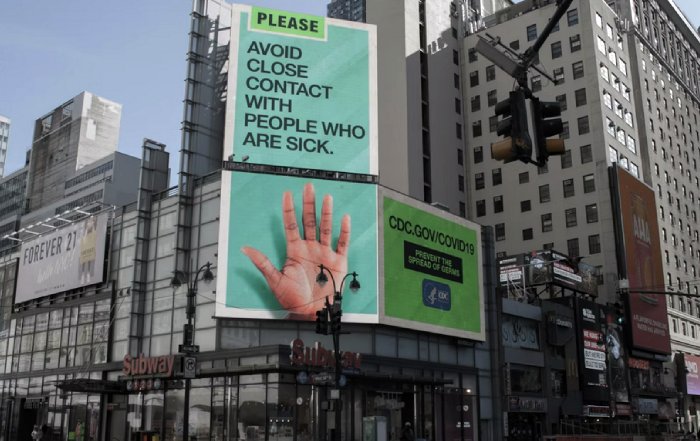
In cities from New York and Toronto to Copenhagen, Singapore, and Sydney, health messaging is embedded in urban design, with signage encouraging stair use, bike-sharing schemes promoted as both climate and health interventions, and public spaces programmed for community exercise and mindfulness sessions. Corporate strategies documented by organizations such as the World Economic Forum and the International Labour Organization highlight the business case for integrating wellness into operations, from flexible scheduling to active commuting support. For WellNewTime, this shift aligns closely with its editorial mission: by covering topics that cut across wellness, fitness, and lifestyle, the platform helps readers recognize prevention not as a one-time campaign but as a continuous thread woven through daily choices at home, at work, and in the community.
Massage, Recovery, and Evidence-Based Self-Care
Recovery and self-care have moved from the margins of health discourse to its center, supported by a growing evidence base and by changing attitudes toward stress and performance. Massage, once perceived primarily as a luxury, is now widely recognized as a therapeutic modality that can support musculoskeletal health, mental relaxation, and recovery from both athletic exertion and sedentary strain. Clinical institutions such as Cleveland Clinic and Mayo Clinic have published accessible explanations of the benefits and limitations of massage and related therapies, helping the public distinguish between evidence-based practice and exaggerated claims. Professional bodies including the American Massage Therapy Association and European and Asian counterparts have strengthened standards on training, ethics, and hygiene, reinforcing trust in qualified practitioners.
For readers of WellNewTime, the dedicated massage coverage provides a bridge between clinical insights and personal experience, exploring how different techniques-from sports massage to lymphatic drainage-fit into broader wellness routines. In countries such as the United Kingdom, Germany, Japan, and South Korea, where burnout and musculoskeletal disorders are prevalent, public and corporate campaigns now highlight recovery as a core component of productivity and long-term employability. This normalization of self-care is reflected in workplace benefits, insurance coverage, and public messaging that frames rest, stretching, and therapeutic touch not as indulgences but as responsible health behaviors. By contextualizing massage within a wider discussion of sleep, ergonomics, and mental resilience, WellNewTime contributes to a more nuanced understanding of what sustainable high performance truly requires.
Mental Health, Mindfulness, and a Deeper Phase of Destigmatization
The mental health awareness movement has continued to deepen in 2026, moving from initial destigmatization toward more nuanced conversations about quality of care, access, and cultural competence. Organizations such as the World Health Organization, the National Alliance on Mental Illness, and Mind in the UK have broadened their messaging to address not only depression and anxiety but also trauma, burnout, and the mental health impacts of climate change, economic volatility, and geopolitical conflict. Those seeking to explore the evolving science and policy landscape can consult resources from the National Institute of Mental Health and leading psychiatric research centers, which increasingly emphasize early, community-based interventions and integrated care models.
Digital tools-meditation apps, online cognitive behavioral therapy, and AI-supported triage systems-are now widely used across North America, Europe, and parts of Asia, with regulators in several countries establishing quality benchmarks and reimbursement pathways. For WellNewTime, mental health is not treated as a siloed topic but as a thread running through mindfulness, news, and world reporting, recognizing that events from wildfires and floods to inflation and job insecurity all leave psychological traces. Campaigns increasingly feature diverse voices from the United States, Canada, Germany, Australia, South Africa, Brazil, and beyond, acknowledging cultural differences in how distress is expressed and help is sought. By offering readers practical tools for grounding, reflection, and emotional literacy, alongside critical analysis of digital mental health trends, WellNewTime supports a global audience in building resilience in an era of chronic uncertainty.
Health, Beauty, and the Responsibility of Brands
The intersection of health, beauty, and branding has become even more scrutinized in 2026, as consumers demand clearer evidence for claims about skin health, anti-aging, performance enhancement, and "biohacking." Regulatory bodies such as the U.S. Federal Trade Commission and the European Food Safety Authority have stepped up enforcement against misleading health-related marketing, while professional associations and advocacy groups call for responsible communication that does not exploit insecurities or promote unrealistic body ideals. Those interested in how regulators address such issues can review policy statements and enforcement actions publicly available on official websites, which illustrate the line between permissible promotion and deceptive practice.
Within this environment, WellNewTime uses its beauty and brands sections to examine how products and campaigns align with broader health and ethical considerations. This involves evaluating ingredient transparency, sustainability claims, and psychological impacts, as well as exploring the rise of inclusive beauty and fitness narratives that celebrate diverse ages, body types, and cultural backgrounds. Organizations such as the World Federation of Advertisers and UNESCO have published guidance on non-discriminatory and health-positive communication, encouraging brands and media to avoid reinforcing harmful stereotypes. By applying these principles in its editorial choices, WellNewTime aims to provide readers with a filter that separates genuinely health-supportive offerings from those that simply co-opt wellness language for commercial gain, thereby reinforcing trust and informed choice.
Work, Jobs, and Corporate Health Leadership
The workplace has emerged as a central arena for health promotion, particularly as hybrid and remote work models become entrenched across sectors and regions. Employers now recognize that physical and mental health are inextricably linked to productivity, talent retention, and brand reputation, and corporate wellness strategies have evolved accordingly. Frameworks from the World Health Organization and the International Labour Organization outline best practices for healthy workplaces, covering topics from ergonomic design and psychosocial risk management to fair compensation and inclusive culture. Readers can learn more about these standards through public reports that highlight case studies from Germany, Canada, Singapore, South Africa, and other economies.
In 2026, health awareness campaigns are frequently co-developed by public agencies and private employers, focusing on issues such as stress management, sleep, physical activity, and digital overload. For visitors to WellNewTime, the business and jobs sections provide insight into how leading organizations operationalize these commitments, from offering mental health days and confidential counseling to integrating wellbeing into leadership training and performance metrics. At the same time, the platform does not shy away from examining tensions around data privacy, equity, and the potential for wellness initiatives to become performative rather than substantive. By presenting both best practices and critical perspectives, WellNewTime equips professionals and employers in the United States, United Kingdom, Europe, Asia-Pacific, and beyond to engage with workplace health campaigns thoughtfully and responsibly.
Travel, Environment, and Health in a Connected but Fragile World
Global mobility has resumed with vigor, yet it is now accompanied by greater awareness of health risks and environmental impacts. Organizations such as the International Air Transport Association and the World Tourism Organization continue to collaborate with health authorities on guidelines for safe travel, vaccination, and outbreak management, especially along heavily trafficked routes between North America, Europe, and Asia. At the same time, the health consequences of climate change-heatwaves, vector-borne diseases, air pollution, and extreme weather-are increasingly central to public discourse, with the Intergovernmental Panel on Climate Change and leading environmental health institutes detailing the human health implications of environmental degradation.
For WellNewTime readers who explore travel, environment, and world content together, the message is clear: personal wellbeing and planetary health are deeply intertwined. Eco-wellness tourism, which combines physical activity, nature immersion, cultural respect, and low-impact travel choices, continues to grow among travelers from the United Kingdom, Germany, Scandinavia, Japan, Australia, and New Zealand. Public awareness campaigns now highlight the mental health benefits of time in nature, the cardiovascular advantages of active transport, and the respiratory gains from cleaner air, while also encouraging travelers to support local, health-conscious businesses. By framing travel decisions as opportunities to enhance both individual and community health, WellNewTime helps readers align their desire for exploration with a commitment to sustainability and social responsibility.
Innovation, Trust, and the Next Chapter of Health Campaigns
Innovation in artificial intelligence, genomics, and digital platforms is reshaping the future of health awareness campaigns, but it also raises pressing questions about ethics, equity, and trust. AI-driven personalization now enables campaigns to tailor messages based on behavior patterns, preferences, and in some cases biometric data, yet this potential can only be realized responsibly if robust safeguards are in place. Organizations such as the World Economic Forum and the OECD have published frameworks on responsible AI in healthcare, addressing issues such as bias, transparency, accountability, and human oversight. Readers interested in these developments can explore analyses and policy recommendations that help clarify how innovation can serve public health without compromising individual rights.
For WellNewTime, which integrates innovation coverage into its broader focus on wellness, fitness, business, and lifestyle, the central task is to help readers navigate a crowded and sometimes confusing landscape of digital promises. Campaigns now blend influencer narratives, immersive media, and algorithmic targeting, making it harder for individuals to distinguish between evidence-based guidance and persuasive marketing. Trust therefore depends on clear editorial standards, disclosure of commercial relationships, and a commitment to cross-checking information against reputable sources such as national health agencies and leading universities. By maintaining this stance, WellNewTime offers its global audience-from the United States and Canada to Europe, Asia, Africa, and South America-a reliable vantage point from which to assess new tools, trends, and campaigns.
As 2026 unfolds, health awareness campaigns are best understood not as isolated projects but as contributors to broader cultures of health, in which individuals, organizations, and governments share responsibility for shaping environments that make healthy choices easier, more attractive, and more equitable. Readers who return to WellNewTime for insights on wellness, health, fitness, and related themes participate in this culture-building process, using credible information as a foundation for informed, values-aligned action. In this context, awareness is only the beginning; it is the combination of expertise, transparency, and sustained engagement that ultimately turns campaigns into lasting improvements in public behavior and, over time, into healthier communities across every region of the world.