

Global Wellness in 2026: How a Cultural Movement Became a New Economic and Human Blueprint
Wellness as a Defining Force in Modern Life
By 2026, wellness has moved decisively from the margins to the center of global culture, business strategy, and personal identity, and what began as a focus on fitness clubs, day spas, and health retreats has matured into a multi-trillion-dollar ecosystem that shapes how people live, work, travel, consume, and relate to one another. The Global Wellness Institute reported that the sector surpassed $5.6 trillion in 2024 and has continued to expand, driven by demographic shifts, technological acceleration, climate anxiety, and a growing recognition among individuals, corporations, and governments that well-being is inseparable from productivity, social stability, and long-term economic resilience. Across North America, Europe, Asia, Africa, and Latin America, wellness has become a strategic lens through which cities are planned, workplaces are designed, brands are built, and public policy is evaluated.
For WellNewTime.com, this transformation is not an abstract macro trend but a lived editorial focus, as the platform curates perspectives and analysis that connect wellness with business, innovation, lifestyle, and global developments. Readers who follow evolving narratives in areas such as mental health, longevity, and sustainable living can explore the dedicated Wellness section, where the movement is examined not as a passing fashion but as a structural shift redefining twenty-first-century quality of life.
From Avoiding Illness to Designing a Whole-Life Experience
The traditional health model, rooted in the prevention of disease and the management of symptoms, has been superseded by a broader conception of wellness that encompasses physical vitality, mental clarity, emotional balance, spiritual grounding, social connection, and environmental responsibility. Throughout the 2020s, this multidimensional view has become embedded in workplaces, schools, urban development, and digital culture, as organizations and individuals recognize that stress, burnout, loneliness, and environmental degradation are as consequential as any physical condition.
Digital-first pioneers such as Headspace and Calm helped normalize meditation and mindfulness, giving millions of people in the United States, the United Kingdom, Germany, Canada, Australia, and beyond accessible tools to manage anxiety and improve sleep through mobile platforms and streaming content. At the same time, global corporations including Google, Microsoft, and Unilever have expanded internal wellness programs to include mental health days, coaching, resilience training, and inclusive community initiatives, embedding well-being into performance expectations and leadership development rather than treating it as a fringe perk. For readers seeking deeper exploration of how inner balance, attention training, and psychological safety are becoming everyday practices, the Mindfulness section at WellNewTime offers reflections on the science and lived experience of calm, focused living.
Wellness as a Mainstream Economic Engine
The wellness economy has become one of the defining growth stories of the decade, touching fashion, hospitality, technology, real estate, food, financial services, and media. Brands such as Lululemon, Nike, and Aesop have built powerful identities around performance, self-care, and sensory experience, while new entrants in categories from functional beverages to recovery technology have reframed consumer expectations around transparency, sustainability, and evidence-based benefits. The shift is visible in the way investors, analysts, and policymakers now speak of the "wellness economy" as a coherent system that generates employment, drives innovation, and influences cross-border trade.
Nowhere is this more evident than in wellness tourism, which has become one of the fastest-growing segments of global travel. Resorts in Thailand, Italy, Spain, Costa Rica, and New Zealand curate immersive programs that blend movement, nutrition, local culture, and nature immersion, offering experiences that are as much about psychological reset as they are about leisure. International organizations such as the World Travel & Tourism Council have highlighted wellness travel as a critical driver of sustainable tourism growth, while destinations in Asia, Europe, and South America increasingly differentiate themselves through health-focused infrastructure and climate-conscious hospitality. Readers can follow how these trends reshape itineraries and expectations in the Travel coverage on WellNewTime, where wellness is treated as a core dimension of modern mobility.
Mental Health as a Global Priority
The normalization of mental health discourse is perhaps the most profound social shift associated with the wellness movement. Once burdened by stigma, mental well-being is now widely acknowledged as a foundation for individual fulfillment, economic participation, and social cohesion, and advocacy organizations such as Mind, the World Health Organization (WHO), and digital counseling providers like BetterHelp have played pivotal roles in elevating public awareness and access. The WHO's global mental health action plans, which emphasize community-based care and early intervention, have influenced policy in regions as diverse as Europe, Asia, and Africa, while national health systems increasingly view mental health as integral to primary care.
Countries including the United Kingdom, through the NHS, and Canada and Australia, via telehealth expansion and reimbursement reforms, have broadened insurance coverage and digital access to therapy, coaching, and peer support. Employers in the United States, Germany, and Singapore have followed suit, integrating mental health benefits, psychological safety training, and confidential support channels into corporate structures. For readers interested in how mental health intersects with public policy, digital innovation, and clinical practice, the Health section at WellNewTime explores the evolving landscape of prevention, treatment, and resilience.
Planetary Health and Environmental Wellness
As climate change, pollution, and biodiversity loss become more visible in daily life, environmental wellness has emerged as a core pillar of personal and societal well-being. The recognition that clean air, safe water, stable ecosystems, and access to nature are prerequisites for human health has driven both consumer behavior and regulatory frameworks, and standards such as The WELL Building Standard and LEED Certification now guide architects, developers, and investors in designing spaces that support physical and psychological health through air quality, lighting, acoustics, and biophilic design. Urban centers like Copenhagen and Stockholm are frequently cited by organizations such as C40 Cities and the OECD as models of "well-being urbanism," where cycling networks, public green spaces, and low-emission zones are treated as health investments rather than purely environmental measures.
Consumers across Europe, North America, and Asia increasingly insist that wellness brands demonstrate credible sustainability credentials, from traceable supply chains to circular packaging and low-carbon operations. This convergence of wellness and sustainability is central to WellNewTime's editorial mission and is examined in depth in the Environment section, where readers can learn more about sustainable business practices and how green innovation enhances both individual and planetary health.
The Transformation of Workplace Culture
Organizations around the world now recognize that productivity and innovation are inseparable from the physical, mental, and social well-being of their people. Corporate wellness has evolved from subsidized gym memberships to integrated ecosystems encompassing flexible work arrangements, mental health support, ergonomic design, and purpose-driven culture. Companies such as Salesforce, Adobe, and Deloitte have become case studies in this transition, with extensive well-being programs that include mindfulness training, volunteer days, hybrid work models, and leadership accountability for psychological safety.
The post-pandemic rise of remote and hybrid work in the United States, the United Kingdom, Germany, and many parts of Asia has heightened awareness of digital overload, boundary erosion, and isolation, prompting employers to invest in digital wellness policies, asynchronous collaboration, and outcome-based performance metrics. Research from institutions like Gallup and McKinsey & Company underscores that organizations with strong wellness cultures enjoy higher retention, engagement, and innovation, reinforcing the business case for holistic employee support. WellNewTime's Business coverage tracks how wellness is reshaping strategy, governance, and leadership across industries, from technology and finance to manufacturing and retail.
Regional Wellness Narratives in 2026
North America: Optimization, Inclusion, and Nature
In the United States, wellness has become deeply intertwined with technology, self-optimization, and consumer culture. Companies such as Peloton, Whoop, and Fitbit have helped normalize continuous self-tracking, while the growth of biohacking communities and longevity clinics reflects a strong appetite for performance metrics, personalized supplementation, and evidence-backed experimentation. At the same time, social movements focused on racial equity, gender inclusion, and mental health advocacy have broadened the definition of wellness to include psychological safety, representation, and community care.
Canada's wellness narrative, shaped by its vast natural landscapes and emphasis on social cohesion, places greater emphasis on outdoor activity, community health, and inclusive public policy. Initiatives connected to Parks Canada and municipal planning in cities such as Vancouver and Montreal highlight the role of nature access in reducing stress and promoting physical activity, while national campaigns continue to destigmatize mental health and substance use challenges. Readers can explore these regional nuances through WellNewTime's World coverage, which situates wellness within local cultures and policy frameworks.
Europe: Balance, Tradition, and Evidence-Based Lifestyle
Europe remains a global reference point for integrated wellness, where long-standing cultural practices intersect with cutting-edge research and public infrastructure. Scandinavian concepts such as hygge in Denmark and lagom in Sweden emphasize balance, modest comfort, and social trust, and are reflected in housing design, workplace norms, and family policies. Finland's sauna culture, recognized by UNESCO as an element of intangible cultural heritage, continues to influence global interest in heat therapy, recovery rituals, and communal relaxation, while Nordic countries invest heavily in cycling infrastructure, parental leave, and mental health support.
In the Mediterranean, wellness is embedded in everyday life through the Mediterranean diet, social eating, and outdoor living. The World Health Organization and numerous research institutions, including Harvard T.H. Chan School of Public Health, have highlighted the Mediterranean pattern-rich in olive oil, vegetables, legumes, fish, and moderate wine-as one of the most evidence-based approaches to heart health and longevity. Italy, Spain, Greece, and southern France continue to inspire global interest in slow living, culinary heritage, and intergenerational connection as pillars of well-being. WellNewTime's Lifestyle section frequently explores how these European philosophies are being adapted in cities from London and Berlin to New York and Tokyo.
Asia: Ancient Wisdom, High-Tech Futures
Asia's influence on global wellness remains profound, combining millennia-old practices with some of the world's most advanced technologies. Japan's concepts of ikigai (reason for being) and shinrin-yoku (forest bathing) have shaped international discourse on purpose and nature-based therapy, with research from Japan's Forestry Agency and universities demonstrating measurable reductions in stress markers among participants. South Korea, through its globally influential K-beauty and fitness culture, has turned skincare, movement, and nutrition into sophisticated, tech-enabled rituals, supported by advanced R&D and a vibrant creator economy.
Singapore continues to position itself as a wellness and health innovation hub in Southeast Asia, integrating public health, green urban design, and digital infrastructure in line with its Healthier SG strategy. India, as the birthplace of yoga and Ayurveda, has strengthened its global leadership through the work of the Ministry of AYUSH, international yoga diplomacy, and the expansion of Ayurvedic and yoga retreats that attract visitors from Europe, North America, and the Middle East. For readers who want to understand how ancient and modern approaches intersect across Asia, WellNewTime's Wellness coverage frequently spotlights regional innovations and heritage-based practices.
Middle East and Africa: Regeneration, Heritage, and Nature
The Middle East has moved beyond its reputation for luxury hospitality to embrace wellness as a pillar of national transformation strategies. The United Arab Emirates and Saudi Arabia have invested heavily in integrated wellness destinations, with projects such as NEOM positioning health, sustainability, and technology as central design principles. Dubai's resorts and medical wellness centers combine traditional hammam rituals and regional ingredients with advanced diagnostics and personalized programs, attracting visitors from Europe, Asia, and North America who seek long-term lifestyle change rather than short-term indulgence.
Across Africa, countries such as South Africa, Kenya, and Morocco are leveraging natural landscapes, traditional healing knowledge, and growing creative industries to craft distinctive wellness offerings. Safari-based retreats that combine conservation, mindfulness, and community engagement are gaining international attention, while local herbal medicine, movement traditions, and music therapy are being rediscovered as culturally resonant, low-cost approaches to health. International bodies such as the World Bank and African Union have begun to recognize wellness and creative tourism as contributors to inclusive development, job creation, and cultural preservation.
Technology, Data, and the Digital Wellness Revolution
Wearables and Precision Self-Care
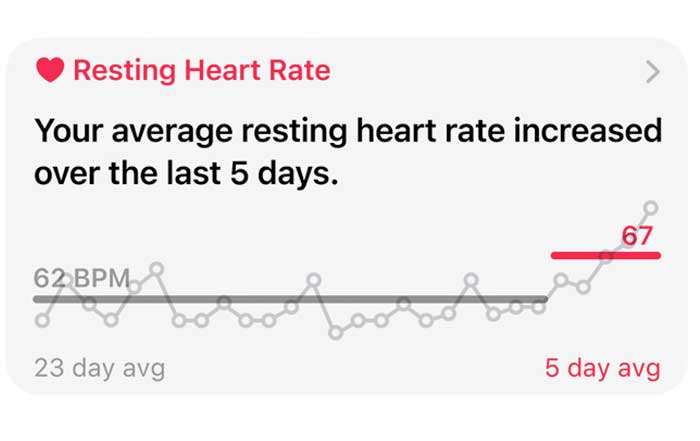
The integration of technology into daily life has transformed wellness into a data-rich, personalized experience. Wearables from Apple, Garmin, and Oura provide continuous insights into heart rate variability, sleep stages, activity levels, and even temperature fluctuations, allowing individuals to correlate lifestyle choices with measurable outcomes. Platforms such as InsideTracker and ZOE combine biomarker testing, AI-driven analytics, and nutritional science to deliver individualized recommendations, signaling the rise of "precision wellness" that mirrors developments in precision medicine.
This data-centric approach has spread rapidly across markets in the United States, the United Kingdom, Germany, Japan, Singapore, and Australia, where consumers are increasingly comfortable with health tracking and remote monitoring. At the same time, regulators and advocacy groups, including the European Data Protection Board and organizations focused on digital rights, emphasize the need for robust privacy safeguards and ethical data use. WellNewTime's Innovation section regularly examines both the opportunities and risks associated with this new era of quantified self-care.
Artificial Intelligence as a Wellness Partner
Artificial intelligence has become a pervasive, if often invisible, partner in wellness delivery. AI-powered chatbots such as Wysa and Woebot offer cognitive behavioral support and mood tracking, while virtual coaches embedded in platforms from Google, Samsung, and Amazon provide nudges around movement, posture, hydration, and sleep. Hospitals and clinics in countries such as Germany, South Korea, and Singapore use AI tools to support early detection of cardiovascular disease, diabetes, and mental health risk, integrating preventive wellness into mainstream care pathways.
Research institutions like Stanford Medicine and University College London are exploring emotional AI, voice analytics, and digital phenotyping to better understand stress, depression, and cognitive decline, raising both promising possibilities and complex ethical questions. WellNewTime covers these developments in its Health and News sections, emphasizing the need for transparency, clinical validation, and human oversight as AI becomes more deeply embedded in daily life.
Immersive and Virtual Wellness Experiences
The rise of extended reality has opened new frontiers for wellness engagement. VR platforms such as Supernatural, FitXR, and TRIPP offer immersive environments for meditation, boxing, dance, and breathwork, making high-quality experiences accessible to individuals regardless of geography or local infrastructure. In markets from the United States and Canada to the Netherlands and South Korea, these platforms have proven especially valuable for people with mobility constraints, caregiving responsibilities, or limited access to safe outdoor spaces.
As the metaverse evolves, wellness is emerging as a key use case, with virtual communities forming around shared practices, challenges, and retreats. Universities and think tanks, including MIT Media Lab and Oxford Internet Institute, are studying how immersive environments affect attention, empathy, and social connection, providing early evidence that thoughtfully designed digital experiences can complement, rather than replace, in-person interaction. WellNewTime's Fitness section explores how these technologies are reshaping exercise, rehabilitation, and social motivation.
Work, Leadership, and the Wellness-Centered Economy
Redefining Productivity and Work Design
In 2026, productivity is increasingly measured not only by output but by sustainability-whether individuals and teams can maintain high performance without sacrificing health, relationships, or creativity. Experiments with four-day workweeks in countries such as the United Kingdom, New Zealand, and Iceland, often documented by organizations like 4 Day Week Global, have demonstrated that shorter hours can maintain or improve output while significantly enhancing employee well-being. Companies including Microsoft Japan and Kickstarter have become emblematic of this shift, attracting global attention for their willingness to redesign work structures around human energy cycles.
Office design has followed suit, with global firms such as Deloitte and Accenture investing in biophilic workplaces that incorporate natural light, greenery, flexible seating, and quiet zones to support both collaboration and focused work. These changes are not confined to technology or professional services; manufacturing, healthcare, and logistics organizations are also integrating wellness into shift design, safety protocols, and leadership training. Readers interested in how these trends affect careers, hiring, and organizational models can explore the Business and Jobs sections at WellNewTime.
Mindful Leadership and Organizational Trust
Leadership expectations have shifted dramatically, with boards and employees alike demanding that executives demonstrate empathy, authenticity, and a commitment to holistic well-being. Companies such as LinkedIn, Google, and Salesforce have embedded mindfulness, emotional intelligence, and inclusive communication into leadership development programs, recognizing that psychological safety is a prerequisite for innovation and ethical decision-making. Global consultancies and business schools, including INSEAD and Harvard Business School, now integrate resilience, purpose, and stakeholder capitalism into their curricula, signaling that "soft skills" have become strategic competencies.
This evolution has direct implications for brand trust and talent attraction, as employees in the United States, Europe, and Asia increasingly choose employers based on values alignment and well-being culture. For WellNewTime, which serves a readership interested in both corporate strategy and personal growth, the Mindfulness and Business sections together illustrate how inner work and organizational design are becoming mutually reinforcing.
Wellness Entrepreneurship and Brand Innovation
The expansion of the wellness economy has created fertile ground for entrepreneurship and brand-building across continents. Startups such as Athletic Greens, Therabody, and numerous digital health platforms have captured market share by combining scientific validation, compelling storytelling, and community engagement. Investors ranging from traditional venture capital firms to impact funds and institutions like the European Investment Fund now treat wellness innovation as a strategic category with strong growth prospects and social relevance.
This entrepreneurial wave spans sectors: plant-based food companies in the United States and Europe, recovery and performance technology firms in Germany and South Korea, eco-conscious beauty brands in France and Japan, and regenerative tourism ventures in Latin America and Africa. WellNewTime's Brands and Innovation coverage highlights how founders are blending technology, design, and ethics to build trusted, enduring businesses in an increasingly crowded marketplace.
Policy, Metrics, and the Future of Global Wellness
Governments are gradually recognizing that traditional economic indicators such as GDP are insufficient to capture the true state of national progress. Countries like New Zealand, with its Wellbeing Budget, Bhutan, through its Gross National Happiness index, and Finland, frequently ranked among the world's happiest nations in reports published by the UN Sustainable Development Solutions Network, are pioneering frameworks that integrate mental health, social cohesion, environmental quality, and cultural vitality into policy evaluation. These efforts align with the United Nations Sustainable Development Goals (SDGs), particularly those focused on health, reduced inequality, sustainable cities, and climate action.
International organizations including the OECD and the World Bank are increasingly exploring how well-being metrics can inform infrastructure investment, education reform, and urban planning, while local authorities in cities from Amsterdam and Barcelona to Seoul and Cape Town experiment with "15-minute city" designs, green corridors, and community health hubs. WellNewTime's World section tracks these developments, connecting macro-level policy shifts with the lived experience of individuals, families, and communities.
WellNewTime and the Journey Toward a More Conscious World
By 2026, it is evident that wellness is not a destination but an ongoing process of alignment-between body and mind, individuals and communities, commerce and conscience, humanity and the planet. The movement's evolution from spa treatments and gym memberships to a comprehensive framework for living reflects a deeper cultural realization: that resilience, meaning, and connection are the true currencies of a flourishing life. Across continents, people are experimenting with new ways of working, relating, and consuming, from mindfulness practices in Tokyo and plant-forward diets in California to community-based health initiatives in Nairobi and regenerative tourism in Costa Rica.
For WellNewTime, this global transformation is both subject matter and purpose. Through interconnected coverage spanning Lifestyle, Environment, Fitness, Health, and Wellness, the platform aims to provide readers with nuanced, trustworthy insights that bridge science and tradition, local realities and global trends. As technology, policy, and culture continue to evolve, the core question remains constant: how can individuals, organizations, and societies design lives and systems that are not only successful, but truly well?
In answering that question, the global wellness movement will continue to serve as a guiding framework, and WellNewTime will remain committed to documenting, analyzing, and humanizing this ongoing journey toward a more conscious, balanced, and connected world.