

Fitness's Role in Creating Connected Communities
The New Social Infrastructure: Fitness as a Community Engine
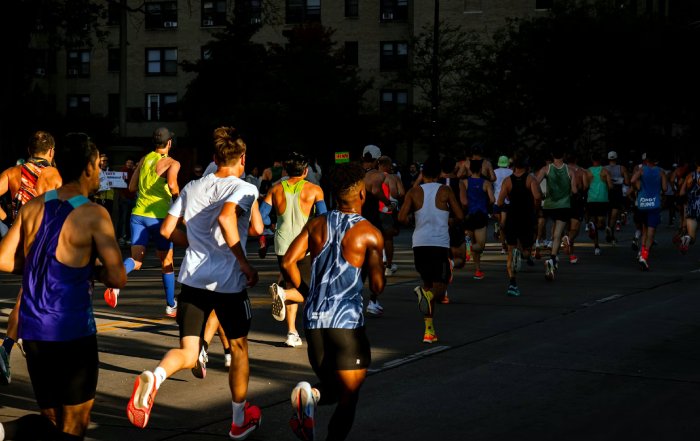
Fitness has evolved far beyond the pursuit of individual performance metrics, aesthetic goals, or isolated wellness routines; it has become a form of social infrastructure that quietly but powerfully shapes how people connect, collaborate, and build trust in cities and regions across the world. From neighborhood running groups in New York and London to digital fitness communities spanning Europe, Asia, Africa, and the Americas, movement is increasingly the medium through which people find belonging, share values, and co-create healthier local ecosystems. For readers of wellnewtime.com, who follow developments in wellness, fitness, business, and lifestyle, this shift offers both a strategic lens and a practical roadmap for understanding how fitness can underpin resilient, connected communities in a rapidly changing global environment.
As public institutions and civic spaces face budget constraints and rising social fragmentation, fitness environments-whether they are boutique studios in Berlin, community centers in Toronto, parks in Sydney, or digital platforms headquartered in Singapore-increasingly function as hubs where people from different backgrounds meet regularly, share routines, exchange stories, and build the kind of weak and strong ties that sociologists identify as foundations of social capital. Research compiled by the World Health Organization shows that physical inactivity remains a major global risk factor, yet the same body of work highlights how community-based physical activity initiatives can reduce health inequalities and foster social cohesion; readers can explore WHO guidance on physical activity and health to better understand the scale and urgency of this opportunity.
From Individual Gains to Collective Well-Being
The shift from individual-centric fitness to community-centric fitness is being accelerated by demographic, technological, and cultural forces that span the United States, United Kingdom, Germany, Canada, Australia, and beyond. Younger generations in particular tend to view health not only as a personal asset but as a shared social good, linking their gym memberships, outdoor activities, and digital tracking habits to broader conversations about mental health, environmental responsibility, and inclusive urban design. This mindset aligns closely with the editorial perspective of wellnewtime.com, which consistently frames health as interconnected with work, environment, and community life rather than as an isolated medical issue.
Organizations such as Harvard T.H. Chan School of Public Health have documented how regular physical activity can reduce the risk of chronic conditions while also improving mood, cognitive performance, and resilience; those interested can learn more about the benefits of physical activity on long-term health. When these benefits are experienced collectively-through walking clubs, workplace fitness challenges, or citywide events-participants not only improve their own well-being but also reinforce a culture where movement, mutual support, and shared goals become normalized. This cultural normalization is vital in regions such as Japan, South Korea, Sweden, and Norway, where aging populations and urban density put pressure on health systems and social services, making preventive, community-based fitness initiatives a pragmatic component of national health strategies.
Fitness as a Catalyst for Social Inclusion
One of the most powerful yet underappreciated roles of fitness in 2026 is its capacity to foster inclusion across socioeconomic, cultural, and generational lines. When designed thoughtfully, fitness spaces and programs can bring together office workers from London, gig workers from São Paulo, students in Seoul, and retirees in Paris in ways that are structured, recurring, and oriented toward positive shared experiences. This dynamic is evident in community sport programs backed by organizations like UNESCO, which emphasizes sport's role in social inclusion and peacebuilding; readers can review UNESCO's work on sport and social cohesion for global case studies that illustrate how movement-based initiatives bridge divides.
At the neighborhood level, inclusive fitness programming means designing accessible classes, sliding-scale or subsidized membership models, and culturally sensitive outreach that resonates with diverse communities in South Africa, Malaysia, Thailand, and Finland as much as in North America and Western Europe. It also means recognizing that not everyone feels comfortable in traditional gym environments and that outdoor group activities, community dance sessions, or guided walks may be more inviting entry points. In this context, platforms like wellnewtime.com can play a curatorial and educational role by highlighting inclusive fitness models in its news coverage and showcasing brands and initiatives on its brands section that prioritize accessibility and equity in their offerings.
The Business of Belonging: Fitness, Brands, and Community Loyalty
The commercial fitness sector has been transformed by the recognition that loyalty is increasingly driven by community, not just by equipment, pricing, or location. Leading global brands such as Nike, Adidas, and Lululemon have invested heavily in community run clubs, yoga in the park programs, and hybrid digital-physical experiences that prioritize social connection as much as performance. Business leaders tracking trends through resources like McKinsey & Company can explore analyses on the evolving wellness and fitness consumer to understand how community-building is becoming a differentiator in crowded markets.
For boutique studios in New York, Los Angeles, London, Berlin, or Amsterdam, and for emerging brands in Singapore, Hong Kong, Cape Town, and São Paulo, the path to sustainable growth increasingly runs through authentic community engagement: hosting charity workouts that support local causes, partnering with neighborhood cafes and wellness providers, and creating spaces for post-class socializing that extend the experience beyond the workout itself. On wellnewtime.com, where readers follow business and jobs trends across the wellness and fitness industries, this shift is particularly relevant, as it signals new career opportunities in community management, experience design, and purpose-driven brand building.
Work, Well-Being, and the Rise of Corporate Fitness Ecosystems
In the corporate world, fitness has moved from a peripheral perk to a strategic pillar of talent management and organizational culture, especially in competitive labor markets in the United States, United Kingdom, Germany, Canada, Australia, and Singapore. Employers increasingly recognize that physical activity is strongly correlated with reduced absenteeism, improved mental health, and higher productivity. Analyses by organizations such as Gallup and Deloitte have consistently linked well-being programs to engagement and retention outcomes, and business leaders can learn more about organizational well-being strategies to align fitness initiatives with broader human capital goals.
Corporate fitness ecosystems in 2026 often blend on-site or nearby fitness facilities, subsidized memberships, virtual workout options for hybrid teams, and structured challenges that encourage employees across regions-from New York and Toronto to Frankfurt, Zurich, and Tokyo-to move more and connect with colleagues through shared goals. These programs are increasingly integrated with mental health resources, flexible work policies, and ergonomic workplace design, reflecting a more holistic understanding of employee well-being. For readers of wellnewtime.com who track intersections between fitness, careers, and workplace culture on the jobs and fitness pages, this convergence signals a future in which fitness professionals, HR leaders, and health experts collaborate closely to design workplaces that are not only high-performing but also deeply human-centered.
Digital Fitness Communities: Global Reach, Local Relevance
The acceleration of digital fitness during the early 2020s has matured into a more stable and sophisticated ecosystem by 2026, where platforms and apps serve as connective tissue between individuals and communities that might never meet in person but still share routines, challenges, and meaningful interactions. Companies such as Peloton, Apple, and Garmin, along with a vast array of regional startups across Europe, Asia, and South America, have invested in features that emphasize community: live leaderboards, group challenges, social feeds, and integrated messaging that allow users in London, Stockholm, Seoul, Bangkok, Vancouver, and Cape Town to support one another's progress in real time.
Technology commentators and health experts can follow developments through sources like MIT Technology Review, where readers can explore coverage of digital health and connected fitness. Yet the most successful digital fitness communities in 2026 are those that avoid becoming purely virtual; instead, they often anchor themselves in local meetups, city-based challenges, and partnerships with physical venues, blending scale with specificity. For wellnewtime.com, which maintains a strong focus on innovation, this hybridization of digital and physical fitness presents a rich field of stories and case studies that illustrate how technology, when thoughtfully designed, can deepen rather than dilute human connection.
Fitness, Mental Health, and Mindful Communities
The link between physical activity and mental health is now firmly established in scientific literature, and in 2026, many communities treat fitness not only as a way to build strength or endurance but also as a daily practice of emotional regulation, stress reduction, and social support. Organizations like the American Psychological Association and NHS in the United Kingdom highlight exercise as a core component of mental health care; those interested can review guidance on exercise and mental health to understand the mechanisms through which movement supports psychological resilience.
Mindful fitness practices-such as yoga, tai chi, breath-focused strength training, and meditative running-are increasingly integrated into community programs from California to Copenhagen, Tokyo to Auckland, and Cape Town to São Paulo, creating spaces where participants can share experiences of anxiety, burnout, or loneliness in a supportive environment. These practices align strongly with the editorial focus of wellnewtime.com on mindfulness, wellness, and beauty, particularly as the concept of beauty increasingly incorporates inner calm, self-acceptance, and mental clarity rather than purely external appearance. Community-based mindful fitness classes, whether hosted in local parks, cultural centers, or corporate campuses, thus become important vehicles for destigmatizing mental health conversations and building emotionally literate communities.
Urban Design, Environment, and Active Cities
The role of fitness in creating connected communities cannot be separated from the physical environments in which people live, work, and move. Urban planners, public health experts, and environmental advocates are increasingly aligned around the concept of "active cities," where infrastructure is designed to encourage walking, cycling, and outdoor recreation as default modes of daily life. Organizations such as C40 Cities and the World Economic Forum have highlighted the role of active mobility in reducing emissions, improving air quality, and enhancing public health; readers can learn more about sustainable urban mobility and health to see how city design influences community fitness.
In 2026, cities from Copenhagen, Amsterdam, and Oslo to Singapore, Seoul, and Vancouver provide compelling examples of how bike lanes, green corridors, waterfront trails, and accessible public transport can transform daily commuting into an opportunity for movement and social interaction. For regions in South America, Africa, and parts of Asia facing rapid urbanization, integrating fitness-friendly design into new developments is both a health imperative and a community-building strategy. wellnewtime.com, through its environment and world sections, is well positioned to spotlight cities and regions that successfully align environmental sustainability with active lifestyles, showing how fitness can be woven into the fabric of everyday life rather than confined to gyms or scheduled workouts.
Travel, Wellness Tourism, and Cross-Cultural Connection
The recovery and evolution of global travel since the disruptions of the early 2020s have accelerated the growth of wellness and fitness tourism, with travelers from North America, Europe, and Asia-Pacific seeking destinations that offer not only scenic beauty but also opportunities for movement-based experiences and community immersion. From cycling tours in Italy and France to surf retreats in Australia and Costa Rica, hiking in New Zealand and South Africa, yoga residencies in Thailand and Bali, and trail running festivals in Spain and Switzerland, fitness-oriented travel experiences create temporary yet meaningful communities of practice and shared discovery.
Organizations like the Global Wellness Institute track the economic and cultural impact of wellness tourism, and readers can explore their insights on wellness travel trends to understand the scale of this sector. For wellnewtime.com, whose audience is deeply interested in travel, lifestyle, and global wellness trends, this intersection of movement and exploration provides fertile ground for storytelling that highlights how fitness can serve as a universal language across cultures. When travelers join local running clubs in Tokyo, participate in community yoga in Mumbai, or attend outdoor bootcamps in Toronto, they contribute to a network of micro-communities that foster empathy, cultural exchange, and a sense of global interconnectedness.
Massage, Recovery, and the Social Side of Regeneration
While intense workouts and performance metrics often dominate fitness narratives, the recovery side of the equation-massage, sleep, nutrition, and restorative practices-plays an equally important role in sustaining active, connected communities. In 2026, massage therapy has increasingly been integrated into fitness ecosystems, not only as a luxury add-on but as a core component of injury prevention, stress management, and holistic well-being. Professional associations and health authorities emphasize the evidence-based benefits of massage for muscle recovery, circulation, and mental relaxation; those interested can review overviews of massage and health benefits from leading medical institutions such as Mayo Clinic.
For community fitness hubs, incorporating massage and other recovery modalities-whether through onsite therapists, partnerships with local clinics, or educational workshops-creates additional touchpoints where members can connect, share experiences, and learn from experts. This aligns naturally with the content and services featured on wellnewtime.com, particularly on its massage, health, and wellness pages, where readers look for guidance on how to balance effort with restoration. Recovery spaces, whether physical or digital, often foster more reflective and intimate conversations than high-intensity workout environments, making them valuable settings for deepening trust and mutual understanding within fitness communities.
Innovation, Data, and Trust in Community Fitness
The integration of wearable technology, AI-driven coaching, and data analytics into fitness has transformed how individuals track progress and how organizations design programs, but it has also raised important questions about privacy, equity, and trust. In 2026, fitness communities worldwide rely on devices from companies like Apple, Garmin, Fitbit, and regional innovators in China, South Korea, and Europe to monitor heart rate, sleep, recovery, and performance, while platforms use aggregated data to personalize recommendations and optimize group programming. Technology and policy analysts following outlets such as OECD can explore discussions on data governance and digital health to understand the regulatory and ethical landscape that shapes these innovations.
For community fitness leaders and brands, maintaining trust means being transparent about how data is collected, stored, and used, ensuring that members retain control over their information, and designing experiences that enhance rather than exploit their engagement. This emphasis on ethical innovation resonates strongly with the editorial stance of wellnewtime.com, particularly on its innovation and business sections, where the focus on Experience, Expertise, Authoritativeness, and Trustworthiness guides coverage and analysis. As AI-driven personalization becomes more prevalent in fitness programming, communities that prioritize consent, inclusivity, and evidence-based practice will be best positioned to harness technology as a tool for connection rather than division.
A Connected Future: How Fitness Can Shape Communities on Wellness News
These days it is clear that fitness is no longer a niche interest or a purely individual pursuit; it is a central thread in the fabric of connected communities across North America, Europe, Asia, Africa, and South America. From corporate wellness ecosystems in New York and London to public park workouts in Berlin and Melbourne, digital running clubs linking Toronto and Tokyo, and wellness retreats in Thailand and New Zealand, movement is the medium through which people forge relationships, share values, and build resilience in the face of social, economic, and environmental uncertainty.
For Wellness News wellnewtime.com, this reality shapes not only editorial choices but also its broader mission. By curating in-depth coverage across wellness, fitness, health, business, lifestyle, environment, world, mindfulness, travel, and innovation, the platform can serve as both observer and participant in the global movement toward more connected, active, and compassionate communities. By highlighting best practices from cities, companies, and grassroots initiatives worldwide, and by maintaining rigorous standards of expertise and trustworthiness, wellnewtime.com can help readers see fitness not just as a personal routine but as a powerful, shared practice that shapes how communities live, work, and thrive together.
In this emerging landscape, the most successful and resilient communities will likely be those that embrace fitness as a collective endeavor, integrating movement into public spaces, workplaces, digital platforms, and travel experiences, and recognizing that every run, ride, class, or mindful walk is also an opportunity to strengthen the social ties that hold societies together.