

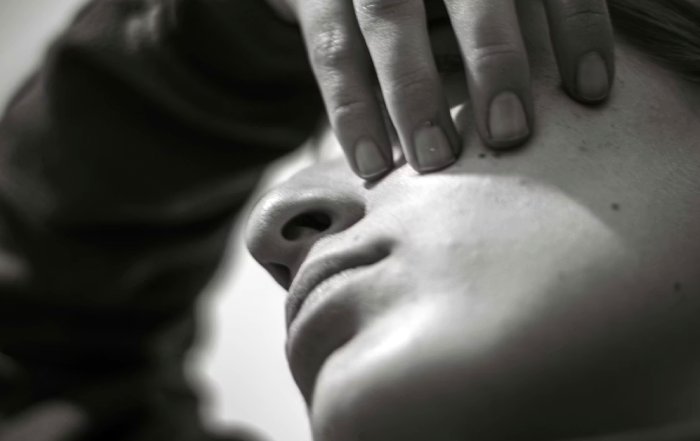
Facial Massage Techniques for Glowing Skin in 2026: Science, Strategy, and Self-Care
The New Face of Skin Health
By 2026, facial massage has moved far beyond spa luxury and social media trends to become a recognised component of holistic skin health, stress management, and preventive wellbeing. On wellnewtime.com, where wellness is viewed as an integrated ecosystem connecting beauty, health, lifestyle, business, and innovation, facial massage stands at the intersection of evidence-based skincare, nervous system regulation, and daily ritual. In leading markets such as the United States, United Kingdom, Germany, Canada, Australia, and across Europe and Asia, the practice is being embraced not just by aestheticians and dermatologists, but also by executives, athletes, and remote workers seeking sustainable ways to maintain performance and presence in an always-on world.
Modern facial massage combines traditional techniques from Asia and Europe with contemporary dermatological understanding of the skin barrier, lymphatic system, and facial musculature. Institutions such as Harvard Medical School and the Mayo Clinic have highlighted how stress and poor sleep accelerate skin ageing, while organisations like the American Academy of Dermatology explain how circulation, collagen, and inflammation influence the visible appearance of the face. When these insights are integrated into a structured, consistent routine, facial massage becomes more than a cosmetic add-on; it becomes a strategic tool for supporting skin health, emotional balance, and long-term wellbeing. Learn more about how overall wellness and skincare are connected in the broader editorial approach of Well New Time.
Why Facial Massage Matters in a High-Stress, High-Visibility Era
Across North America, Europe, and Asia-Pacific, professionals increasingly live in a hybrid world of physical and digital presence, where video meetings, high-resolution cameras, and social platforms make the face a constant focal point. At the same time, global surveys from organisations like the World Health Organization and OECD have documented rising stress, anxiety, and burnout, all of which manifest visibly in the skin through dullness, breakouts, redness, and premature lines. In this context, facial massage offers a practical, low-cost, and accessible method to support both appearance and resilience.
From a physiological standpoint, gentle manual manipulation of facial tissue can stimulate microcirculation, support lymphatic drainage, and encourage relaxation of hyperactive facial muscles that contribute to expression lines. Research summarised by the National Institutes of Health suggests that massage, when performed correctly, can reduce perceived stress and improve subjective wellbeing, factors closely tied to skin quality. For urban professionals in London, New York, Berlin, Singapore, or Tokyo, a short, intentional facial massage routine can act as a daily reset, complementing a structured health and skincare strategy that includes nutrition, sleep, and sun protection.
The Science Behind Glow: Circulation, Lymph, and the Skin Barrier
A glowing complexion is not merely a cosmetic ideal; it is often a visible sign of healthy microcirculation, balanced sebum production, and an intact skin barrier. Organisations such as the British Association of Dermatologists and DermNet New Zealand describe how blood flow delivers oxygen and nutrients to skin cells, while the lymphatic system removes metabolic waste and excess fluid. Facial massage techniques that follow the natural lymphatic pathways, particularly around the jawline, cheeks, and periocular area, can help reduce transient puffiness and promote a more refined appearance.
Equally important is the skin barrier, composed of corneocytes and lipids that protect against environmental aggressors and transepidermal water loss. The Cleveland Clinic and Johns Hopkins Medicine have emphasised that harsh manipulation, incorrect pressure, or inappropriate products can damage this barrier, leading to sensitivity, redness, and breakouts. A well-designed facial massage routine respects barrier function by using adequate slip through non-comedogenic oils or serums, applying controlled pressure, and aligning strokes with the natural architecture of the face. Readers seeking to integrate massage into a broader beauty and skincare regimen can benefit from understanding this science-first perspective.
Foundational Principles for Safe and Effective Facial Massage
Before exploring specific techniques, it is essential to establish principles that support safety, consistency, and results. Leading dermatology bodies such as the American Academy of Dermatology advise that any manual technique on the face should be adapted to skin type, current conditions, and individual tolerance. For oily or acne-prone skin, lightweight, non-comedogenic products and minimal friction are advisable, while dry or mature skin may benefit from richer oils and slower, more enveloping movements. Sensitive or rosacea-prone skin, common in Northern Europe and colder climates like Scandinavia and Canada, often requires particularly gentle pressure and shorter sessions.
Hygiene is non-negotiable. Clean hands, clean tools, and freshly cleansed skin reduce the risk of introducing bacteria that may contribute to breakouts or irritation. Short, well-structured routines-typically five to fifteen minutes-are more sustainable than sporadic, lengthy sessions, and they integrate more naturally into existing lifestyle habits such as evening wind-down rituals or post-workout recovery. Consistency over intensity is the guiding principle; daily or near-daily gentle massage tends to provide more reliable benefits than occasional, aggressive manipulation.
Core Manual Techniques: From Lymphatic Drainage to Myofascial Release
Manual facial massage remains the foundation of most at-home and professional protocols worldwide. While terminology may vary between traditions in France, Japan, South Korea, or Thailand, several core movements appear repeatedly, each with specific objectives and physiological effects. Educational resources from institutions like the International Spa Association and professional aesthetic schools in Europe and Asia have helped standardise many of these techniques, while still allowing for cultural nuance and personal preference.
Lymphatic drainage-inspired strokes typically use very light pressure and slow, rhythmic movements, often starting at the centre of the face and moving outward and downward towards the lymph nodes near the ears and neck. This style is particularly valued for reducing morning puffiness, especially around the eyes and jawline, and is frequently used in professional treatments in cities like Paris, Milan, and Seoul. Effleurage, characterised by long, gliding strokes, warms the tissue, enhances superficial circulation, and prepares the skin for more targeted work, while petrissage, involving gentle lifting and rolling of the skin and underlying tissue, can help release tension in the masseter, temporalis, and frontalis muscles that are often overactive in individuals who clench their jaw or frown frequently.
Myofascial-inspired techniques, adapted from physical therapy and sports massage, focus on sustained pressure along tension lines, particularly around the temples, brow, and jaw. These methods, when performed carefully, can encourage relaxation of chronic muscle tightness that contributes to expression lines and headaches. For business leaders and knowledge workers who spend long hours in front of screens, integrating these targeted approaches into an evening routine can complement broader fitness and recovery practices aimed at mitigating the physical impact of sedentary work.
Integrating Tools: Gua Sha, Rollers, and High-Tech Devices
In markets such as the United States, United Kingdom, China, South Korea, and Japan, the rise of beauty tools has transformed facial massage from a purely manual art into a hybrid of tradition and technology. Gua sha stones, often made of jade, rose quartz, or bian stone, draw on classical East Asian medicine principles while being adapted for modern cosmetic use. When used with adequate slip and proper angles, gua sha tools can facilitate smooth, directional strokes that follow lymphatic pathways and facial contours, providing a sculpted appearance and a deep sense of relaxation. Reputable organisations in Asia and Europe emphasise the importance of training and moderation to avoid bruising or overstimulation.
Facial rollers, including those made from stones or stainless steel, offer a more intuitive entry point, especially for beginners in North America and Europe. Their cooling effect can temporarily constrict superficial blood vessels, helping to reduce redness and puffiness, particularly when stored in the refrigerator. Meanwhile, high-tech devices leveraging microcurrent, red light, or sonic vibration have gained traction, with regulatory bodies such as the U.S. Food and Drug Administration overseeing safety claims for certain categories. While these devices can complement manual massage, particularly for those seeking advanced anti-ageing benefits, they should be integrated thoughtfully into a regimen that prioritises skin health, barrier integrity, and realistic expectations. Readers interested in how these tools intersect with broader wellness trends can explore related coverage on innovation in beauty and wellness.
Step-by-Step Structure: Designing a Daily Facial Massage Ritual
A practical, repeatable routine is essential for busy professionals, entrepreneurs, and travellers across continents who seek tangible results without complexity. A typical evening ritual may begin with thorough but gentle cleansing, using lukewarm water and a pH-balanced cleanser appropriate to skin type, as recommended by organisations like the Cleveland Clinic. Once the skin is clean and slightly damp, a few drops of facial oil or a slip-friendly serum are applied to reduce friction; options rich in non-comedogenic lipids, ceramides, or squalane can support the barrier while allowing smooth glide.
The massage itself can be structured from the centre outward and from the bottom upward, aligning with both lymphatic flow and facial anatomy. Starting at the neck and décolleté, long upward strokes prepare the area and encourage an open pathway for lymphatic return. The practitioner then moves to the jawline, using thumbs or fingertips to trace from the chin towards the ears, combining light pressure with slow breathing to enhance relaxation. Cheek areas can be addressed with upward and outward strokes from the sides of the nose towards the temples, avoiding excessive pulling around the delicate eye region. The forehead is often massaged with horizontal strokes from the centre towards the hairline and temples, followed by gentle vertical lifting movements to counteract habitual frowning patterns.
Each zone may receive three to five passes, with the entire routine lasting between five and ten minutes. To conclude, light, feathery strokes can be used to "erase" any residual tension and encourage a sense of closure. For those who travel frequently between time zones-whether between New York and London, Singapore and Sydney, or Dubai and Frankfurt-this ritual can be adapted as a grounding practice to help the body and mind transition, complementing broader mindfulness and stress-management strategies.
Tailoring Techniques to Skin Types and Global Climates
Facial massage is not a one-size-fits-all practice, particularly for an international audience spanning humid climates in Southeast Asia, dry conditions in the Middle East, cold winters in Scandinavia, and high UV exposure in Australia and South Africa. Dermatology resources from organisations such as DermNet New Zealand and the European Academy of Dermatology and Venereology highlight how climate, ethnicity, and lifestyle influence skin behaviour and needs. In hot, humid regions like Singapore, Malaysia, and Thailand, individuals with oilier skin may prefer lighter, gel-based or dry-oil formulations and shorter massage durations to avoid congestion. In colder, drier climates such as Norway, Sweden, Canada, and Finland, richer textures and slightly longer routines can help counteract transepidermal water loss and environmental stress.
Skin conditions also matter. Those with active inflammatory acne, severe rosacea, or eczema flares are generally advised to avoid vigorous massage and instead consult a qualified dermatologist. The National Eczema Association and similar bodies stress that friction and heat can exacerbate barrier dysfunction, so any touch should be minimal, soothing, and aligned with medical guidance. For mature skin, particularly among professionals in their 40s, 50s, and beyond, slow, intentional movements focusing on relaxation and support of facial contours can be especially valuable, complementing evidence-based topical actives such as retinoids, peptides, and antioxidants. Readers can explore additional perspectives on age-specific care within the health and wellness coverage of Well New Time.
Facial Massage, Stress, and the Mind-Skin Connection
The relationship between emotional state and skin appearance is now widely accepted in both clinical and wellness communities. The American Psychological Association and the World Health Organization have documented how chronic stress influences inflammation, hormonal balance, and sleep quality, all of which impact the skin. Facial massage, when approached as a mindful ritual rather than a rushed task, can help regulate the nervous system by activating the parasympathetic "rest and digest" response. Slow, rhythmic touch, combined with deep, diaphragmatic breathing, can lower perceived stress and create a sense of safety and grounding.
This mind-skin connection is particularly relevant for high-responsibility professionals in finance, technology, healthcare, and leadership roles across the United States, United Kingdom, Germany, Singapore, and beyond, who often carry tension in the jaw, forehead, and scalp. By integrating facial massage with brief mindfulness techniques-such as body scanning, breath awareness, or gratitude reflection-the routine becomes a micro-practice of emotional regulation that can be sustained even during demanding periods. Well New Time's editorial focus on news and analysis frequently highlights how such micro-habits contribute to resilience and long-term performance, underscoring the strategic value of self-care in modern careers.
Professional Treatments, Spas, and the Business of Facial Massage
The rise of facial massage has also reshaped the business landscape of spas, wellness centres, and beauty clinics worldwide. In major hubs like New York, Los Angeles, London, Paris, Berlin, Dubai, Seoul, and Tokyo, high-end spas and boutique studios now offer specialised protocols such as sculpting massage, buccal (intraoral) massage, and lymphatic-focused facials tailored to frequent travellers, executives, and media professionals. Industry reports from organisations like McKinsey & Company and Deloitte have noted the expansion of the global wellness and beauty sector, with experiential services playing an increasingly central role in consumer loyalty and brand differentiation.
For brands and practitioners, facial massage represents both an opportunity and a responsibility. The opportunity lies in creating signature experiences that blend local traditions-such as Japanese kobido techniques, European lymphatic drainage, or Thai-inspired acupressure-with modern science and personalised consultation. The responsibility involves ensuring proper training, ethical marketing, and realistic claims, avoiding exaggerated promises about "permanent lifting" or "instant age reversal" that are not supported by dermatological evidence. As Well New Time continues to profile emerging brands and business models in wellness, facial massage stands out as a category where authenticity, expertise, and trust are decisive competitive advantages.
Careers, Training, and Global Standards in Facial Massage
The professionalisation of facial massage has also created new career pathways in Europe, North America, Asia, and beyond. Aestheticians, massage therapists, and holistic practitioners are increasingly investing in specialised training programmes that cover anatomy, physiology, contraindications, and technique. Organisations such as the International Therapy Examination Council and national licensing boards in the United States, United Kingdom, Canada, and Australia set minimum standards for practice, while advanced workshops and certifications focus on niche modalities like myofascial facial work, gua sha, and manual lymphatic drainage.
For individuals considering a transition into the wellness or beauty industry, facial massage can be an attractive specialisation that aligns with growing consumer demand for touch-based, personalised services. However, building a sustainable career requires more than technical skill; it demands business literacy, ethical grounding, and an understanding of digital marketing, particularly for clients in competitive urban markets. Well New Time's coverage of jobs and career trends in wellness and beauty frequently underscores the importance of continuous education, cross-cultural competence, and an evidence-informed approach in establishing long-term credibility.
Travel, Culture, and the Global Exchange of Facial Massage Traditions
As international travel resumes robustly across Europe, Asia, North America, and the Southern Hemisphere, facial massage has become both a sought-after travel experience and a conduit for cultural exchange. Wellness-focused travellers visiting Italy, Spain, France, Thailand, Japan, or South Korea increasingly seek out local facial treatments that reflect regional philosophies of beauty and balance. Japanese kobido, with its intricate, rhythmic movements, embodies a centuries-old aesthetic ideal of luminosity and harmony, while traditional Thai and Chinese techniques often integrate acupressure points corresponding to internal organ systems, reflecting a holistic view of health.
This global cross-pollination has enriched local practices in cities like London, Amsterdam, Zurich, and Singapore, where multicultural client bases and international therapists collaborate to create hybrid protocols. At the same time, it raises important questions about cultural sensitivity, appropriate attribution, and the preservation of traditional knowledge. Responsible practitioners and brands strive to credit source cultures, invest in authentic training, and avoid superficial appropriation. Readers interested in exploring facial massage as part of wellness-focused travel can find complementary perspectives in Well New Time's travel and lifestyle features, which examine how place, culture, and ritual intersect.
Sustainability, Ethics, and the Future of Facial Massage
Looking ahead from 2026, the future of facial massage will be shaped not only by technique and technology but also by sustainability, ethics, and social impact. Conscious consumers in regions such as Scandinavia, Western Europe, North America, and parts of Asia are increasingly attentive to the environmental footprint of beauty and wellness products, from the sourcing of massage oils and tools to the energy use of devices and spas. Organisations like the United Nations Environment Programme and Global Wellness Institute have highlighted the need for more sustainable packaging, responsible ingredient sourcing, and energy-efficient operations in the wellness sector.
For facial massage specifically, this may translate into a preference for refillable oils, locally sourced botanicals, and durable tools designed to last many years, rather than disposable or trend-driven items. Ethical considerations also extend to labour practices, accessibility, and inclusivity, ensuring that wellness services are not limited to a narrow demographic but are available to diverse communities across continents. Well New Time's commitment to covering the environmental and societal dimensions of wellness aligns with this broader shift, positioning facial massage not merely as a personal indulgence but as part of a more responsible and conscious approach to self-care.
Positioning Facial Massage within a Holistic Well New Time Philosophy
For the global readership of Well New Time, spanning the United States, United Kingdom, Germany, Canada, Australia, France, Italy, Spain, the Netherlands, Switzerland, China, Sweden, Norway, Singapore, Denmark, South Korea, Japan, Thailand, Finland, South Africa, Brazil, Malaysia, New Zealand, and beyond, facial massage is most powerful when viewed as one element in a comprehensive lifestyle strategy. It intersects with nutrition, movement, sleep, emotional health, and professional fulfilment, reflecting the platform's integrated coverage across wellness, business, world trends, and everyday living.
In this framework, glowing skin is not pursued as an isolated aesthetic goal but as a visible expression of internal balance, informed choices, and sustainable habits. Facial massage becomes a daily or weekly conversation with oneself, a moment of intentional touch that reinforces presence in a world of constant digital distraction. Whether readers discover it through a spa in Milan, a gua sha tutorial in Seoul, a mindfulness retreat in Bali, or a home routine in Toronto, the underlying principles remain consistent: respect for the skin, understanding of the body, and commitment to long-term wellbeing.
As 2026 unfolds, the convergence of scientific research, traditional wisdom, and digital education will continue to refine how facial massage is taught, practised, and experienced. On wellnewtime.com, the focus will remain on curating trustworthy, expert-informed perspectives that empower readers to make informed decisions, experiment safely, and integrate facial massage into a life that values health, resilience, and authentic radiance.