

The Future of Fitness Spaces in Cities Worldwide
Urban Fitness: Cities at the Center of Global Wellbeing
The evolution of fitness spaces in cities worldwide has moved beyond incremental change and into a decisive reimagining of how urban populations pursue health, performance, and balance in their daily lives. Rapid urbanization, demographic shifts, digital acceleration, and a maturing understanding of holistic wellbeing are converging to transform how people in global hubs move, recover, and connect. Fitness is no longer perceived merely as a discretionary activity conducted in isolated gyms; it is increasingly recognized as essential urban infrastructure, intertwined with healthcare systems, workplace culture, environmental policy, and community life.
For WellNewTime.com, which serves readers across wellness, fitness, health, lifestyle, business, travel, and innovation, this transformation is deeply relevant and personal. The platform's ongoing coverage of wellness, fitness, health, and lifestyle trends reflects a global audience that expects fitness spaces to deliver more than equipment and classes. Urban professionals and families in the United States, United Kingdom, Germany, Canada, Australia, and across Europe and Asia increasingly seek environments that support physical performance, emotional resilience, mental clarity, and social belonging, while also aligning with their values on sustainability and inclusion. In this context, the future of fitness in cities is best understood as a convergence of experience-led design, evidence-based programming, and technology-enabled personalization, anchored in the principles of Experience, Expertise, Authoritativeness, and Trustworthiness that are central to the editorial mission of WellNewTime.com.
From Traditional Gyms to Integrated Urban Wellness Hubs
The traditional image of the urban gym-rows of treadmills, weight machines, and locker rooms focused primarily on physical training-is rapidly giving way to multi-dimensional wellness hubs that integrate movement, recovery, nutrition, and mental health into a cohesive experience. In 2026, leading operators in cities such as Los Angeles, London, Tokyo, Dubai, and Toronto are positioning their facilities as comprehensive health ecosystems, where strength training, mobility work, cardiovascular conditioning, and sport-specific coaching are combined with sleep optimization, stress management, and therapeutic services.
This shift is supported by a growing body of research from organizations such as the World Health Organization that highlights the economic and social costs of physical inactivity and lifestyle-related disease, and underscores the importance of environments that make active living accessible and attractive. Urban fitness spaces are increasingly seen as strategic partners in public health, particularly when they collaborate with municipal authorities and healthcare providers to encourage physical activity across socioeconomic groups. Learn more about the global health impact of physical inactivity and the role of urban environments through resources from the World Health Organization.
In practice, integrated wellness hubs often feature multi-modal studios that host strength, yoga, Pilates, and functional training classes alongside on-site recovery zones, infrared saunas, cryotherapy, and specialized massage therapies. In financial and technology centers such as Frankfurt, Singapore, and New York, time-poor professionals now expect to train intensely, decompress mentally, and initiate recovery within a single visit, supported by coaches, therapists, and nutrition experts who collaborate rather than operate in silos. This integrated model is also emerging in rapidly growing cities in Asia, Africa, and South America, where hybrid facilities blend accessible price points with premium experiences, often supported by local partnerships and community programs.
Technology, Data, and Deep Personalization of the Urban Fitness Journey
Digital technology has moved from the periphery to the core of urban fitness, and by 2026, data-driven personalization is no longer a differentiator but a baseline expectation among urban consumers. Wearables, smart equipment, and AI-driven coaching systems have normalized the continuous tracking of workouts, sleep, heart rate variability, and stress markers. Companies such as Apple, Garmin, and WHOOP have helped embed biometric data into everyday decision-making, while fitness operators in major cities are integrating their offerings into these digital ecosystems to refine programming and demonstrate measurable progress.
In cities like London, New York, and Singapore, advanced clubs now synchronize member profiles with wearable platforms to tailor training intensity, suggest class formats, recommend recovery protocols, and flag early signs of overtraining or burnout. In Seoul, Tokyo, and Shanghai, AI-enabled mirrors, motion-capture cameras, and connected strength systems provide real-time feedback on form, range of motion, and load, enabling both novice and advanced users to train with greater precision and safety. Readers of WellNewTime.com who follow innovation and business developments will recognize that these technologies are reshaping value propositions, with operators increasingly judged on their ability to deliver tangible improvements in VOâ max, resting heart rate, metabolic health, and mental resilience rather than on aesthetics alone.
At the same time, the proliferation of health data raises significant questions about privacy, governance, and ethical use. Regulatory frameworks such as the EU's GDPR and guidance from organizations like the European Union Agency for Cybersecurity are influencing how gyms and wellness platforms collect, store, and share sensitive information. Learn more about evolving cybersecurity and data protection standards in Europe through the European Union Agency for Cybersecurity. Urban fitness operators that wish to maintain long-term trust are investing in secure infrastructure, transparent consent processes, and clear communication about how data is used to improve services, rather than to manipulate behavior or monetize personal information without meaningful control.
Hybrid and "Phygital" Ecosystems: Blending Physical Spaces and Digital Platforms
The pandemic years cemented the viability of home workouts, streaming classes, and app-based coaching, but by 2026, it has become clear that the most resilient and successful urban fitness models are hybrid ecosystems that seamlessly integrate physical spaces with digital experiences. Platforms such as Peloton, Les Mills+, and Nike Training Club normalized high-quality remote training, yet many users have gravitated back to physical spaces for the social energy, coaching presence, and tactile engagement that cannot be replicated on a screen. The future now lies in "phygital" ecosystems, where in-club, at-home, and outdoor experiences are harmonized rather than competing.
In Berlin, Paris, Melbourne, and Toronto, leading operators offer members app-based access to structured programs that can be followed in the gym, in a local park, or in a hotel room while traveling, with data flowing back into a unified profile. This allows trainers and health coaches to monitor adherence, adjust plans in real time, and maintain accountability, even when members are not physically present. For readers of WellNewTime.com who track news and business trends, this hybridization is reshaping revenue models, with traditional fixed-term memberships giving way to flexible access tiers, corporate wellness contracts, and digital subscriptions that extend brand reach beyond local catchment areas.
Analyses from organizations such as the World Economic Forum and leading consultancies have highlighted the rapid growth of the global wellness economy and the competitive advantage enjoyed by businesses that integrate physical and digital channels. Learn more about the structure and growth of the global wellness market through the Global Wellness Institute, which tracks investment, innovation, and consumer behavior across regions. In this environment, urban fitness brands must design ecosystems that are not only technologically sophisticated but also intuitive, inclusive, and grounded in credible health science.
Holistic Health: Mental Wellbeing, Recovery, and Mindfulness as Core Pillars
One of the most profound shifts shaping the future of fitness spaces is the widespread recognition that physical training cannot be separated from mental wellbeing, emotional regulation, and recovery. Urban residents in high-pressure environments such as New York, London, Hong Kong, and Tokyo are acutely aware that chronic stress, anxiety, and sleep disruption erode both performance and quality of life. They increasingly seek fitness spaces that acknowledge these realities and embed mental health support into their core offerings rather than treating it as an optional add-on.
By 2026, meditation rooms, guided breathwork sessions, and structured mindfulness programs are common features in leading urban clubs, often informed by research from institutions such as Harvard Medical School, Mayo Clinic, and Stanford Medicine, which have documented the benefits of combined exercise and mindfulness for cognitive function, mood regulation, and resilience. Learn more about evidence-based approaches to mental health and lifestyle interventions through resources from the National Institute of Mental Health. For WellNewTime.com, which explores mindfulness, wellness, and health as interconnected domains, this trend reinforces the importance of Experience and Expertise in curating programs that are both engaging and scientifically grounded.
Recovery has also moved from the margins to the center of urban fitness strategy. Compression therapy, red-light treatments, specialized massage protocols, and sleep coaching are no longer reserved for elite athletes; they are increasingly standard offerings in premium clubs from Zurich and Copenhagen to Singapore and Dubai. These services are often delivered by professionals with backgrounds in sports science, physiotherapy, or integrative medicine, reflecting a broader convergence between fitness and healthcare. For urban residents, this integrated approach transforms the gym from a place of exertion into a space of restoration, where training load, stress, and recovery are managed as part of a coherent plan rather than as isolated variables.
Design, Architecture, and the Experience of Movement in Dense Cities
The physical design of fitness spaces is evolving rapidly as architects, designers, and operators recognize the powerful influence of environment on behavior, motivation, and wellbeing. In 2026, leading urban gyms and studios are conceived as experiential environments that invite movement, foster connection, and support psychological comfort, rather than as purely functional containers for equipment. Natural light, biophilic design elements, flexible layouts, and carefully curated acoustics are increasingly prioritized over windowless rooms and rigid machine grids.
In dense city centers such as Hong Kong, Singapore, New York, and Shanghai, space constraints have driven creative solutions, including rooftop training decks, multi-level atriums, and modular studios that can transition quickly between strength, yoga, cycling, and event formats. Learn more about the relationship between building design and health outcomes through resources from the American Institute of Architects and the Royal Institute of British Architects, which highlight best practices in designing for wellbeing. In European cities like Copenhagen, Amsterdam, and Stockholm, fitness spaces increasingly connect directly to cycling infrastructure, waterfront paths, and parks, creating fluid transitions between indoor and outdoor activity and reinforcing active commuting as a daily habit.
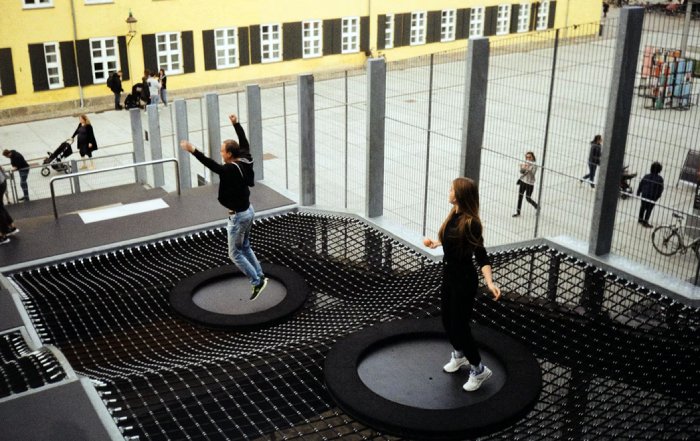
For readers of WellNewTime.com interested in the environment and sustainable lifestyle, this design evolution also reflects a broader shift toward cities that embed movement into the urban fabric. Micro-gyms in office towers, movement-focused staircases, and publicly accessible training areas in mixed-use developments are becoming more common, enabling residents to integrate short bouts of activity into their workday and commute. In this way, the design of fitness spaces contributes not only to individual experiences but also to citywide patterns of physical activity and social interaction.
Sustainability, Climate Responsibility, and the Green Gym Movement
As cities confront the realities of climate change and resource constraints, fitness operators are under growing pressure to demonstrate environmental responsibility alongside their health credentials. Traditional gyms have often been resource-intensive, with high energy use, significant water consumption, and substantial material footprints. In 2026, however, a new generation of urban fitness spaces in cities such as Berlin, Vancouver, Copenhagen, and Amsterdam is embracing sustainable design and operations as core strategic priorities rather than marketing features.
These operators are adopting energy-efficient building systems, renewable power sources, and circular economy principles in equipment procurement and facility management. Some clubs in Europe and Asia are piloting energy-generating cardio equipment that feeds electricity back into the building system, while others are experimenting with low-water fixtures, eco-certified materials, and waste reduction programs aligned with citywide climate targets. Learn more about sustainable business practices and low-carbon strategies through resources from the United Nations Environment Programme and the World Green Building Council.
For the global audience of WellNewTime.com, which follows world and environment developments, the environmental performance of fitness brands is becoming a key factor in trust and loyalty. Consumers in Germany, the Netherlands, the Nordic countries, Canada, Australia, and beyond often scrutinize the sourcing of materials, the transparency of supply chains, and the alignment of operators with recognized sustainability standards. Certifications such as LEED, BREEAM, and B Corp status, administered by organizations like B Lab, are emerging as important indicators of environmental and social responsibility. Learn more about green building benchmarks and their application to commercial spaces through the U.S. Green Building Council.
Inclusivity, Accessibility, and the Social Role of Fitness Spaces
The future of urban fitness will be judged not only by technological sophistication and design aesthetics but also by its ability to serve diverse populations across age, income, ability, and cultural background. In global cities, health inequalities often mirror broader socioeconomic divides, and traditional fitness models have historically catered to higher-income, already-active segments. By 2026, however, policymakers, public health experts, and industry leaders are increasingly aligned around the view that inclusive fitness access is both a moral imperative and a long-term economic necessity.
Forward-thinking operators are designing programs for older adults, people living with chronic conditions, individuals with disabilities, and communities that have been underserved by the wellness industry. In cities such as London, Melbourne, and Vancouver, partnerships between private gyms, municipal authorities, and healthcare providers are enabling subsidized memberships, physician-referred exercise programs, and community classes delivered in multiple languages and cultural contexts. Learn more about the global economic impact of health disparities and the benefits of inclusive urban design through resources from the World Bank and peer-reviewed initiatives such as The Lancet's series on physical activity and health.
For WellNewTime.com, which covers jobs, brands, and business, this inclusivity agenda is reshaping workforce expectations. Trainers, therapists, and wellness professionals are increasingly expected to demonstrate cultural competence, trauma-informed approaches, and the ability to support clients across a broad spectrum of needs. Industry bodies such as the International Health, Racquet & Sportsclub Association (IHRSA) and public agencies in the United States, United Kingdom, and European Union are emphasizing accessibility standards, staff training, and community engagement as core measures of sector maturity and social value.
Business Landscape: Consolidation, Specialization, and New Revenue Models
The business environment for urban fitness in 2026 is characterized by simultaneous consolidation and specialization. Large multinational operators and private equity-backed platforms continue to expand across North America, Europe, and Asia-Pacific, acquiring regional chains and standardizing operations to achieve economies of scale. At the same time, highly specialized concepts-ranging from high-intensity interval training and boxing studios to Pilates, barre, longevity clinics, and dedicated recovery centers-are cultivating loyal communities in neighborhoods from Brooklyn and Shoreditch to Kreuzberg, Shibuya, and Singapore's Tanjong Pagar.
For readers of WellNewTime.com who follow business and brands, this dual dynamic suggests a future in which scale and niche expertise coexist, with technology, brand narrative, and demonstrable outcomes determining competitive advantage. Corporate wellness partnerships are expanding, particularly in the United States, Germany, the Nordic countries, and Singapore, where employers and insurers increasingly recognize the economic value of preventive health strategies. Learn more about the convergence of healthcare and corporate wellbeing through insights from Deloitte, PwC, and similar professional services firms that analyze global health and wellness markets.
New revenue streams are also emerging as fitness spaces extend their brands beyond the four walls of the club. Branded digital content, licensing of training methodologies, and experiential travel offerings such as retreats and performance camps in destinations like Thailand, Spain, Italy, and New Zealand are attracting urban residents who prioritize travel and lifestyle experiences. Some operators are exploring partnerships with hospitality groups, residential developers, and technology companies to embed fitness and wellness into hotels, co-living spaces, and smart-home ecosystems, further blurring the distinction between gym, home, and city.
Regional Perspectives: Diverse Pathways to Urban Fitness Futures
While global trends provide a broad framework, the future of fitness spaces is unfolding differently across regions, shaped by cultural norms, regulatory environments, and economic conditions. In North America, particularly in the United States and Canada, large-format gyms, boutique studios, and hybrid concepts coexist in most metropolitan areas, with strong demand for strength training, metabolic conditioning, and sports performance. In Western Europe, cities such as London, Paris, Berlin, Amsterdam, and Barcelona are experiencing rapid growth in boutique studios, cycling culture, and outdoor group training, supported by extensive public infrastructure for walking and biking.
In Asia, markets including China, Japan, South Korea, Singapore, and Thailand are seeing rapid expansion in premium and technology-forward fitness offerings, often integrated into high-density mixed-use developments and luxury residential towers. App-based booking, digital payments, and AI-enhanced training are widely accepted, and wellness is increasingly positioned as a marker of status and aspiration among urban middle classes. Learn more about how global cities are integrating physical activity into planning and climate strategies through networks such as C40 Cities and ICLEI - Local Governments for Sustainability.
In the Middle East, ambitious projects in the United Arab Emirates and Saudi Arabia are incorporating large-scale wellness districts and destination clubs into broader visions of diversified, post-hydrocarbon economies. In places like Africa and South America they are experimenting with community-based fitness initiatives, outdoor training zones, and affordable indoor facilities, often supported by NGOs and public health campaigns. For the global readership of WellNewTime.com, these regional variations underscore the importance of context-sensitive solutions that respect local culture and economic realities while drawing on global best practices in design, technology, and health science.
Trust, Expertise, and the Role of Media Platforms
As urban fitness spaces become more complex and deeply intertwined with healthcare, technology, and urban policy, the need for trustworthy information and expert interpretation has never been greater. Consumers in the United States, United Kingdom, Germany, Canada, Australia, France, Italy, Spain, the Netherlands, Singapore, and beyond are confronted daily with claims about novel training modalities, recovery tools, supplements, and biohacking techniques. Distinguishing between evidence-based practice and marketing hype requires reliable intermediaries.
Platforms such as WellNewTime.com play a critical role in this landscape by curating, contextualizing, and evaluating information across health, wellness, fitness, business, and innovation. By drawing on reputable institutions, experienced practitioners, and robust research, and by maintaining a clear focus on Experience, Expertise, Authoritativeness, and Trustworthiness, the platform helps readers make informed decisions about where, how, and with whom they train. Learn more about responsible health communication and consumer protection through resources from the World Health Organization, Health Canada, and NHS England, which provide frameworks for ethical health promotion and public guidance.
For fitness operators, trust will increasingly depend on transparent governance, verifiable qualifications, adherence to public health guidelines, and honest communication about outcomes. Claims about rapid transformation or extreme performance must be balanced with realistic expectations, safety considerations, and respect for individual variability. Urban consumers are becoming more discerning, and they are rewarding brands that treat them as long-term partners in health rather than as short-term sales opportunities.
Looking Ahead: Cities as Engines of Movement, Resilience, and Wellbeing
The trajectory of fitness spaces in cities worldwide is being shaped by choices made today by policymakers, business leaders, designers, health professionals, and citizens. While the future is not predetermined, certain directions are already clear. Urban fitness is moving toward integration rather than isolation, with gyms and studios functioning as nodes in broader ecosystems that connect workplaces, homes, public spaces, and digital platforms. Technology will continue to personalize experiences and expand access, but human expertise, authentic community, and trust will remain irreplaceable.
Sustainability and inclusivity are shifting from differentiators to baseline expectations, influencing everything from architecture and equipment procurement to pricing models, hiring practices, and community engagement. For WellNewTime.com, whose community spans continents and interests-from fitness and wellness to business, environment, news, and innovation-the evolution of urban fitness spaces is an ongoing narrative that touches nearly every dimension of modern urban life.
As cities in North America, Europe, Asia, Africa, and South America grapple with climate change, demographic transitions, and economic uncertainty, the way they design, regulate, and operate fitness spaces will profoundly influence public health, productivity, and quality of life. By continuing to highlight credible insights, regional perspectives, and practical examples, and by connecting readers to both local and global developments, WellNewTime.com is positioned to remain a trusted guide as urban fitness spaces mature into essential engines of movement, resilience, and wellbeing for millions of people worldwide.