

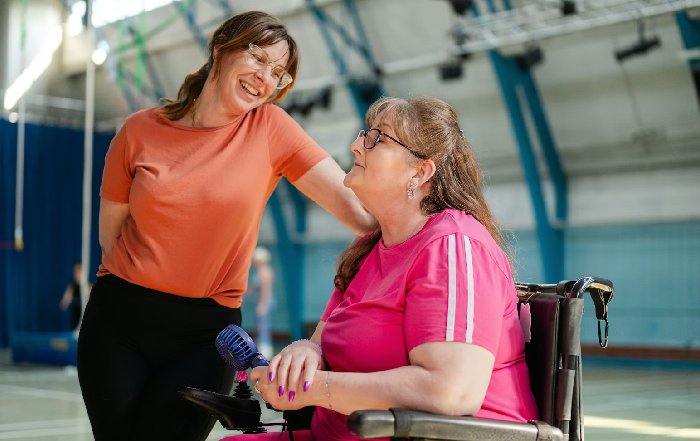
Inclusive Fitness Movements Gaining Ground
A New Era of Fitness for Every Body
Inclusive fitness has shifted from a niche concept to a defining force in the global wellness economy, reshaping how individuals, organizations and governments understand movement, health and belonging. Around the world, from the United States and the United Kingdom to Germany, Canada, Australia, Singapore and South Africa, fitness is no longer framed solely as performance, aesthetics or elite sport; instead, it is increasingly recognized as a foundation for holistic wellbeing, social connection and equitable opportunity. This transformation is particularly visible in the ecosystems that surround platforms such as WellNewTime, where wellness, health, business, lifestyle and innovation intersect and where readers expect a nuanced, human-centered view of how the industry is evolving.
Inclusive fitness movements are expanding access to physical activity for people of all ages, body types, abilities, identities and socioeconomic backgrounds. They are driven by practitioners, activists, health professionals, technology innovators and forward-looking brands who share a conviction that everyone deserves the right to move safely, confidently and joyfully. As global organizations from the World Health Organization to UN Women and UNICEF continue to emphasize the importance of physical activity for public health and social development, the question is no longer whether inclusion matters, but how it can be embedded into the everyday realities of gyms, studios, workplaces, schools and digital platforms. Learn more about global physical activity recommendations through the World Health Organization.
For WellNewTime and its readership, this shift is not abstract. It influences how wellness is experienced in local communities and in digital spaces, how massage and recovery are integrated into training plans, how beauty and body image narratives evolve, how health systems respond to chronic disease, how businesses invest in employee wellbeing, how jobs in the fitness and wellness sectors are created and redefined, and how innovation is directed toward human-centered outcomes rather than purely commercial metrics. As inclusive fitness movements gain ground, they are redefining what it means to build a healthier, more resilient and more compassionate world.
From Exclusive Gyms to Inclusive Ecosystems
Historically, fitness culture in North America, Europe and many parts of Asia was shaped by exclusive models that prioritized athleticism, thinness or muscularity, often reflecting narrow ideals propagated by advertising, entertainment media and competitive sport. Traditional gym environments frequently felt intimidating or unwelcoming to older adults, people with disabilities, individuals in larger bodies, LGBTQ+ communities and those who were new to exercise. Research from sources such as the U.S. Centers for Disease Control and Prevention has long highlighted disparities in physical activity levels across income, race, gender and geography, demonstrating that access and belonging are not evenly distributed. Explore current data on physical activity disparities via the CDC.
Over the past decade, however, a convergence of social, technological and policy forces has accelerated a profound change. Social justice movements, body positivity and body neutrality conversations, greater visibility of disabled and neurodivergent voices, and growing awareness of mental health have all challenged the assumption that fitness should be aspirational rather than accessible. At the same time, digital fitness platforms, connected devices and hybrid models that blend in-person and online experiences have lowered some barriers to entry, enabling people from Berlin to Bangkok and from São Paulo to Sydney to participate in classes and communities that reflect their identities and needs. Readers exploring the broader wellness landscape can see these shifts echoed across WellNewTime's coverage of wellness and lifestyle.
Inclusive fitness ecosystems are characterized not only by diverse participants but also by diverse formats and philosophies. Community-based walking groups, chair-based strength training, adaptive yoga, low-cost dance programs, trauma-informed movement classes, outdoor bootcamps in public parks, workplace wellbeing initiatives and culturally specific fitness offerings are all part of a growing mosaic. In London, for instance, community organizations collaborate with local councils to provide subsidized activity programs in underserved neighborhoods, while in Seoul and Tokyo, urban planners are integrating movement-friendly infrastructure into dense cityscapes. The World Bank and other development institutions increasingly reference active mobility and public space design in their urban resilience frameworks, recognizing that inclusive movement is both a health and an economic imperative. Learn more about active cities and sustainable urban design through the World Bank.
The Business Case for Inclusion in Fitness
For a business-focused audience, one of the most compelling aspects of inclusive fitness movements is the alignment between social impact and long-term commercial value. Companies that embrace inclusive design and programming are not simply responding to ethical or regulatory pressures; they are tapping into large, underserved markets and building deeper trust with consumers who are increasingly discerning about the values of the brands they support. The global wellness economy, as tracked by organizations such as the Global Wellness Institute, has continued to expand despite macroeconomic volatility, and segments related to physical activity, workplace wellness and mental wellbeing are among the most dynamic. Learn more about macro trends in wellness through the Global Wellness Institute.
From a strategic standpoint, inclusive fitness initiatives reduce churn by fostering community and loyalty, expand addressable markets by welcoming populations that have been historically excluded, and mitigate reputational risks associated with body shaming, discrimination or unsafe training practices. In markets like the United States, Canada, the United Kingdom and Australia, where legal and regulatory frameworks increasingly emphasize accessibility and anti-discrimination, inclusive operations can also reduce compliance risk. This is particularly relevant for larger chains, digital platforms and multinational wellness brands that operate across regions with different cultural expectations and legal standards.
On WellNewTime's business pages, readers will recognize that inclusive fitness is also reshaping talent strategies. Fitness professionals with expertise in adaptive training, trauma-informed coaching, cultural competence and mental health literacy are in growing demand, and organizations that invest in upskilling their staff are better positioned to deliver high-quality, personalized experiences. Partnerships between fitness operators and healthcare providers, insurers, employers and public sector agencies are becoming more common, particularly in Europe and Asia-Pacific, where integrated care models and corporate wellbeing programs are evolving quickly. As companies from Nike and Adidas to Peloton and Apple refine their approaches to inclusive design, they set expectations that ripple through the entire industry, influencing small studios in Amsterdam, wellness resorts in Thailand and community centers in Johannesburg.
Inclusive Fitness and the Future of Work
The workplace is one of the most important arenas in which inclusive fitness movements are gaining ground, particularly as hybrid and remote work models reshape daily routines for millions of employees across North America, Europe and Asia. Employers in sectors ranging from finance and technology to manufacturing and public services are recognizing that physical activity is closely linked to productivity, engagement, creativity and resilience, as well as to reduced healthcare costs and absenteeism. Leading organizations draw on research from institutions such as Harvard T.H. Chan School of Public Health to design wellbeing strategies that go beyond gym memberships and step challenges, integrating movement into the culture and environment of work. Learn more about the links between physical activity and workplace productivity through Harvard T.H. Chan School of Public Health.
Inclusive fitness in the workplace means ensuring that programs are accessible to employees of different ages, abilities, schedules and locations. It involves offering flexible options such as short movement breaks, virtual classes that can be joined from home offices in Toronto or Munich, ergonomic assessments, walking meetings, subsidized access to local community centers, and education on safe movement for employees who perform physically demanding tasks. It also requires sensitivity to cultural norms and religious practices, particularly in diverse workforces that span regions from the Middle East and Asia to Europe and North America. Employers that succeed in this area often collaborate with specialized wellness providers and leverage platforms that prioritize accessibility features, multilingual content and inclusive imagery.
For individuals pursuing careers in the fitness and wellness sectors, inclusive movements are expanding the range of roles and skills required. There is growing demand for adaptive fitness specialists, corporate wellness consultants, digital content creators with expertise in inclusive programming, and community engagement professionals who can build bridges between organizations and local populations. Readers exploring opportunities and trends in this space can find relevant insights through WellNewTime's jobs coverage, where the intersection of employment, wellbeing and innovation is increasingly prominent.
Technology, Innovation and the Inclusive Fitness Revolution
Technology has been a double-edged sword in the history of fitness culture, sometimes amplifying unrealistic ideals and sometimes democratizing access to high-quality guidance and community. In 2026, the balance is increasingly shifting toward the latter, as innovators in North America, Europe and Asia-Pacific design tools and platforms with inclusion at their core. Wearable devices, AI-powered coaching apps, connected equipment and virtual reality experiences are being reimagined to accommodate diverse bodies, abilities and preferences, rather than assuming a narrow "average" user.
Major technology companies and startups alike are incorporating accessibility standards recommended by organizations such as the World Wide Web Consortium, ensuring that digital fitness content is compatible with screen readers, captioning, adjustable visual contrast and other features that support users with visual, auditory or cognitive differences. Learn more about inclusive digital design via the W3C Web Accessibility Initiative. At the same time, advances in sensor technology and adaptive algorithms are enabling more personalized training recommendations that account for different mobility levels, health conditions and goals, whether a user is recovering from surgery in Zurich, managing chronic pain in Los Angeles or building strength after childbirth in Paris.
For the WellNewTime audience, which is attuned to the convergence of wellness and technology, the most interesting innovations are often those that blend digital and physical experiences. Hybrid models allow people to participate in local classes or personal training sessions when possible and then maintain continuity through online programming when traveling for work, caring for family members or navigating unpredictable schedules. This flexibility is particularly valuable for caregivers, shift workers and individuals in rural or underserved areas who may not have access to traditional gyms or studios. Coverage on WellNewTime's innovation section has highlighted how these tools, when designed thoughtfully, can reduce rather than widen health disparities.
However, the inclusive fitness technology landscape also raises important questions about data privacy, algorithmic bias and the digital divide. Organizations such as the OECD have emphasized the need for responsible innovation that protects user data, avoids reinforcing stereotypes and ensures that digital services remain accessible to people with limited connectivity or financial resources. Learn more about responsible digital innovation through the OECD. Companies that operate in this space must balance the promise of personalization with the responsibility to avoid over-surveillance or exclusion, especially when targeting vulnerable populations or working in partnership with employers and insurers.
Wellness, Massage, Recovery and Holistic Inclusion
Inclusive fitness movements are deeply connected to broader conceptions of wellness that encompass recovery, stress management and mental health, areas that are central to WellNewTime's wellness and massage coverage. Rather than viewing massage, physiotherapy, stretching and mindfulness practices as optional add-ons, inclusive practitioners treat them as essential components of sustainable movement, particularly for individuals who are new to exercise, living with chronic conditions or recovering from injury.
In many countries, including Germany, Sweden, Japan and New Zealand, healthcare systems and insurers are increasingly willing to support preventive and rehabilitative services that integrate movement with manual therapies and mental health support. Organizations such as the National Institutes of Health in the United States have funded research into the benefits of massage and complementary therapies for pain management, anxiety and functional mobility, providing an evidence base that informs inclusive programming. Learn more about integrative health research through the NIH National Center for Complementary and Integrative Health.
For individuals in larger bodies, people with disabilities or older adults, recovery and bodywork are not luxuries but necessities that enable safe participation in fitness. Inclusive massage and bodywork practitioners adapt their techniques, equipment and communication styles to accommodate different needs, whether by offering accessible treatment tables, trauma-informed approaches or flexible session structures. These practices align closely with the ethos of WellNewTime, which emphasizes compassionate, evidence-informed care that respects individual autonomy and diversity.
Beauty, Body Image and the Cultural Shift Around Fitness
The relationship between fitness and beauty has long been fraught, particularly in Western markets where thinness or hyper-muscularity has been idealized and where advertising has often exploited insecurities to sell products and services. In 2026, inclusive fitness movements are actively challenging these narratives, working alongside broader shifts in the beauty and fashion industries toward greater diversity, representation and authenticity. Brands that once centered their campaigns on narrow aesthetic ideals are increasingly featuring models and ambassadors of different ages, ethnicities, abilities and body types, responding to consumer demand for more realistic and affirming imagery.
Media organizations, including platforms like WellNewTime with dedicated beauty and health sections, play a crucial role in shaping these perceptions by highlighting stories that emphasize strength, function, joy and self-acceptance rather than appearance alone. Academic research from institutions such as King's College London and University of Toronto has underscored the mental health impacts of body dissatisfaction and the protective effects of body appreciation, particularly among adolescents and young adults. Learn more about body image research and mental health impacts through the Mental Health Foundation in the UK.
In markets from France and Italy to Brazil and South Korea, cultural norms around beauty and fitness are evolving at different paces, but the overarching trend is toward greater plurality. Inclusive fitness movements support this shift by centering lived experience, encouraging participants to define their own goals and celebrating diverse expressions of strength and vitality. This cultural reorientation is not only psychologically beneficial; it also reduces barriers to entry for individuals who may have avoided gyms or group classes due to shame or fear of judgment.
Environmental and Social Sustainability in Inclusive Fitness
As climate change, resource constraints and social inequality continue to shape public discourse, inclusive fitness movements are increasingly intertwined with environmental and social sustainability. Facilities, brands and communities that align with the values of WellNewTime readers are rethinking their operational models to reduce environmental footprints while expanding access to movement opportunities. This includes designing energy-efficient buildings, promoting active transport such as walking and cycling, using durable and ethically sourced equipment, and supporting local community initiatives.
Organizations like the United Nations Environment Programme and World Resources Institute have highlighted the importance of sustainable cities and communities in achieving global climate and development goals, and active mobility is a key component of these strategies. Learn more about sustainable urban mobility through the World Resources Institute. Inclusive fitness movements contribute by advocating for safe, accessible public spaces where people can walk, run, cycle, practice yoga or play sports without cost barriers, from parks in Copenhagen and Amsterdam to waterfronts in Singapore and Cape Town.
On the social sustainability front, inclusive fitness initiatives often intersect with efforts to reduce health inequities, support refugees and migrants, and empower marginalized communities. Grassroots organizations in Europe, Africa, Asia and South America are using sport and movement as tools for social cohesion, trauma healing and youth development, sometimes in partnership with global entities such as the International Olympic Committee or UNHCR. Learn more about sport for development and peace through the United Nations Office on Sport for Development and Peace. These initiatives illustrate that inclusive fitness is not only a matter of personal wellbeing but also a lever for community resilience and social justice.
Readers interested in the intersection of movement, sustainability and global trends will find complementary themes across WellNewTime's environment and world sections, where coverage of climate, policy and social innovation often intersects with health and wellness narratives.
Mindfulness, Mental Health and the Inner Dimension of Movement
One of the most profound contributions of inclusive fitness movements is the recognition that movement is as much an inner experience as an outer one. Mindfulness, emotional regulation and mental health support are increasingly integrated into fitness programming, reflecting a shift from performance-driven metrics toward holistic wellbeing. Practices such as mindful walking, breath-focused strength training, yoga, tai chi and dance therapy are being offered in community centers, workplaces, hospitals and digital platforms from New York and Vancouver to Stockholm, Singapore and Melbourne.
Evidence from organizations like Mind in the United Kingdom and the American Psychological Association in the United States has reinforced the links between physical activity and reduced symptoms of depression, anxiety and stress, as well as improved cognitive function and sleep quality. Learn more about the mental health benefits of movement through the American Psychological Association. Inclusive fitness practitioners build on this evidence by creating environments where participants feel emotionally safe, where rest is respected as much as exertion, and where progress is measured not only in weights lifted or kilometers run but also in confidence gained and self-compassion cultivated.
For the WellNewTime community, which engages deeply with mindfulness and mental health topics, this integration is particularly resonant. It reflects an understanding that sustainable wellbeing requires aligning physical, mental and social dimensions of health, and that inclusive fitness is not a separate silo but a core component of a balanced, meaningful life.
The Future: Inclusive Fitness as a Strategic Imperative
Now inclusive fitness movements are no longer peripheral experiments; they are becoming a strategic imperative for organizations, cities and nations that seek to enhance public health, economic resilience and social cohesion. For readers of WellNewTime, this evolution offers both inspiration and a call to action. Individuals can advocate for more inclusive practices in their local gyms, workplaces and communities, support brands and organizations that demonstrate genuine commitment to accessibility and equity, and explore movement modalities that align with their unique bodies, identities and life circumstances.
Businesses in the fitness, wellness, hospitality, travel and technology sectors can treat inclusive design as a driver of innovation rather than a constraint, investing in research, partnerships and talent that deepen their expertise and credibility. Policymakers and public health leaders in regions from North America and Europe to Asia, Africa and South America can integrate inclusive fitness into broader strategies for non-communicable disease prevention, mental health promotion and sustainable urban development, drawing on resources from entities such as the World Health Organization, World Bank and OECD.
For the editorial team, the rise of inclusive fitness movements is deeply aligned with its mission to provide authoritative, trustworthy and human-centered coverage across wellness, health, fitness, business, lifestyle and innovation. By highlighting stories, research and best practices from around the world, the platform can continue to serve as a bridge between global trends and personal choices, helping readers in the United States, the United Kingdom, Germany, Canada, Australia, France, Italy, Spain, the Netherlands, Switzerland, China, Sweden, Norway, Singapore, Denmark, South Korea, Japan, Thailand, Finland, South Africa, Brazil, Malaysia, New Zealand and beyond to navigate a rapidly changing landscape.
Ultimately, inclusive fitness is about more than access to gyms or classes; it is about reshaping cultural narratives, economic incentives and built environments so that movement becomes a natural, joyful and equitable part of everyday life. As these movements gain ground, they offer a vision of a future in which every person, regardless of background or circumstance, has the opportunity to experience the physical and psychological benefits of movement, supported by systems, communities and technologies that recognize their inherent worth. In that future, the values that underpin WellNewTime-experience, expertise, authoritativeness and trustworthiness-will be not only editorial principles but also guiding lights for a more inclusive and vibrant global fitness culture.