

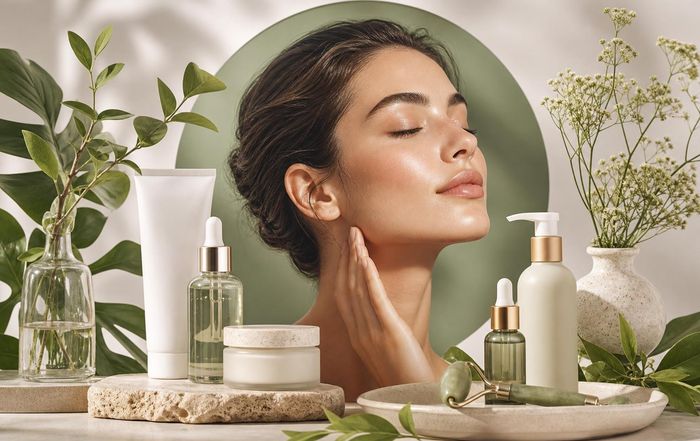
Beauty Trends Focused on Skin Wellness in 2026
The Rise of Skin Wellness as a Global Priority
By 2026, skin wellness has evolved from a niche interest into a global movement that unites health-conscious consumers from the United States, United Kingdom, Germany, Canada, Australia, France, Italy, Spain, Netherlands, Switzerland, China, Japan, and beyond, and this shift is reshaping how individuals, brands, and practitioners think about beauty, health, and lifestyle. Instead of viewing skincare as a purely cosmetic routine, people increasingly understand the skin as a dynamic organ that reflects internal balance, mental wellbeing, environmental exposure, and daily habits, and this integrated perspective sits at the heart of the editorial vision of WellNewTime, where wellness, health, fitness, mindfulness, travel, beauty, business, brands, lifestyle, and environment converge into one coherent narrative. Readers who once searched only for the latest serum or facial treatment now seek guidance on how to align their skincare practices with broader goals such as stress reduction, hormonal balance, sustainable living, and long-term health, and this demand is driving a new generation of products, services, and experiences that prioritize skin resilience over quick cosmetic fixes, as seen in the surge of interest in evidence-based wellness resources and holistic health perspectives that complement the content offered in the WellNewTime health section.
As skin wellness becomes an essential part of modern self-care, leading institutions such as the World Health Organization increasingly emphasize the need to understand health as a state of complete physical, mental, and social wellbeing, which naturally extends to the skin as a visible and functional interface with the world, and readers who want to explore this broader health context can learn more through the WHO's guidance on holistic health at https://www.who.int. This global redefinition of beauty is especially evident in urban centers across North America, Europe, and Asia, where professionals in demanding careers seek routines that support both appearance and performance, and where skin wellness has become a practical strategy for maintaining energy, confidence, and presence in fast-paced environments.
From Cosmetic Correction to Preventive Skin Health
One of the most significant shifts in 2026 is the movement from corrective beauty, which focuses on concealing or reversing visible concerns, to preventive skin health, which aims to support the skin's natural defenses before issues arise, and this change mirrors broader trends in preventive medicine and lifestyle medicine promoted by organizations such as the Mayo Clinic, whose resources on healthy living and skin protection at https://www.mayoclinic.org have become widely referenced by both consumers and professionals. Instead of relying solely on heavy makeup or aggressive treatments to manage acne, hyperpigmentation, or premature aging, individuals are increasingly investing in routines that prioritize barrier function, hydration, and inflammation control, and this approach aligns closely with the wellness-first philosophy that underpins the wellness insights on WellNewTime.
Dermatologists and clinical researchers highlight that the skin barrier, composed of lipids, proteins, and tightly packed cells, is central to maintaining moisture and protecting against irritants and pathogens, and the growing popularity of barrier-supporting ingredients such as ceramides, niacinamide, and essential fatty acids reflects a more educated consumer base that values long-term skin integrity over short-lived surface perfection. This preventive mindset is reinforced by the work of organizations such as the American Academy of Dermatology, which provides accessible information on sun protection, eczema, rosacea, and other common conditions at https://www.aad.org, and by the increasing integration of dermatological advice into wellness platforms and lifestyle media.
In this context, WellNewTime plays a distinctive role by connecting preventive skin health with broader lifestyle decisions, from nutrition and sleep to exercise and travel, and by encouraging readers to see skincare not as an isolated ritual but as a reflection of how they live, work, and recover each day, an approach that also resonates with the site's coverage of fitness and performance in the fitness section.
Science-Driven Formulations and Evidence-Based Claims
As consumers in 2026 become more discerning and data-literate, beauty trends focused on skin wellness increasingly revolve around science-driven formulations and evidence-based claims, and this has led to a measurable decline in tolerance for vague promises, exaggerated marketing language, and unsubstantiated "miracle" ingredients. Regulatory agencies such as the U.S. Food and Drug Administration and the European Commission have continued to refine guidelines around cosmetic labeling, active ingredients, and safety standards, and interested readers can review these evolving frameworks through resources such as https://www.fda.gov and the European Commission's cosmetics portal at https://ec.europa.eu.
Brands that wish to establish credibility now emphasize clinical testing, transparent ingredient lists, and clear explanations of mechanisms of action, and many collaborate with dermatologists, chemists, and academic institutions to validate their claims. Peer-reviewed journals accessible through portals like PubMed at https://pubmed.ncbi.nlm.nih.gov provide a growing body of research on topical antioxidants, peptides, retinoids, microbiome-supporting compounds, and photoprotective technologies, and this scientific foundation underpins a new era in which skin wellness is framed as a legitimate health-related pursuit rather than a purely aesthetic indulgence.
For WellNewTime, whose readers expect both inspiration and reliability, this shift toward evidence-based beauty aligns with the platform's commitment to Experience, Expertise, Authoritativeness, and Trustworthiness, and editorial coverage increasingly highlights brands and practices that demonstrate robust research, ethical sourcing, and measurable benefits. This is particularly important for professionals and decision-makers in the wellness and beauty industries, who rely on accurate information when evaluating partnerships, new product lines, and emerging trends that may influence their business strategies, a topic that is explored in depth in the WellNewTime business section.
Skin Wellness, Mental Health, and Mindfulness
Another defining trend in 2026 is the deepening connection between skin wellness, mental health, and mindfulness, and this relationship is now supported by both clinical research and lived experience across diverse cultures and age groups. Stress-related skin conditions such as acne, psoriasis, eczema, and chronic inflammation have long been documented, but recent studies have clarified how psychological stress, sleep disruption, and emotional overload can impair barrier function, alter sebum production, and trigger immune responses, and organizations such as the American Psychological Association provide accessible overviews of stress and health at https://www.apa.org.
In response, individuals across Asia, Europe, North America, and Oceania are adopting skincare routines that double as mindful rituals, incorporating breathing exercises, intentional touch, and moments of stillness into morning and evening practices, and these rituals are often paired with meditation, journaling, or gentle stretching to calm the nervous system. Platforms such as Mindful.org at https://www.mindful.org and resources from academic centers like the Harvard Medical School's health publishing arm at https://www.health.harvard.edu have contributed to mainstream understanding of how mindfulness can influence physiological processes, including those that affect the skin.
Within this evolving landscape, WellNewTime offers a distinctive bridge between inner and outer wellbeing by curating content that connects mindfulness practices with tangible skin benefits, and readers who wish to deepen this connection can explore the site's dedicated mindfulness coverage, where breathing techniques, stress-management strategies, and reflective routines are presented as integral components of a modern skin wellness strategy. This integrated approach resonates particularly strongly with professionals in high-pressure sectors, frequent travelers, and entrepreneurs who recognize that mental clarity and emotional balance are essential not only for leadership and productivity but also for maintaining a healthy, resilient complexion.
Integrative Approaches: Nutrition, Fitness, and Lifestyle
Skin wellness in 2026 is no longer confined to topical products, as integrative approaches that combine nutrition, fitness, sleep, and lifestyle design have become central to advanced beauty strategies, and this holistic view is now supported by major health organizations and research institutions worldwide. Nutritional science has increasingly emphasized the role of antioxidants, omega-3 fatty acids, vitamins, minerals, and phytonutrients in supporting collagen synthesis, reducing oxidative stress, and maintaining healthy cell turnover, and resources from institutions such as the Harvard T.H. Chan School of Public Health at https://www.hsph.harvard.edu provide detailed guidance on how dietary patterns influence inflammation and aging.
Simultaneously, the connection between physical activity and skin health has become more widely recognized, as regular exercise improves circulation, supports detoxification pathways, and contributes to hormonal balance, which in turn can reduce the risk of breakouts and dullness. Organizations like the World Heart Federation at https://world-heart-federation.org and the Centers for Disease Control and Prevention at https://www.cdc.gov highlight how active lifestyles support systemic health, and by extension, the appearance and function of the skin.
WellNewTime integrates these insights across its editorial landscape by connecting skin wellness to broader lifestyle choices, including fitness routines, sleep hygiene, and travel habits, and readers can explore how training programs and movement practices influence overall vitality and appearance in the site's fitness section and how broader lifestyle decisions shape wellbeing in the lifestyle section. This integrative perspective encourages readers from Singapore, South Korea, Norway, Sweden, Denmark, South Africa, Brazil, Malaysia, and New Zealand to see their skin as a reflection of daily choices, from the foods they select to the environments they inhabit and the stress-management tools they adopt.
The Globalization of Skin Wellness Rituals
In 2026, skin wellness is also characterized by the globalization and cross-pollination of traditional rituals, with practices from Asia, Europe, Africa, and South America influencing mainstream beauty in North America and beyond, and this exchange is reshaping both consumer expectations and professional standards. Time-honored approaches such as Japanese layering routines, Korean multi-step hydration, Scandinavian cold therapy, Mediterranean botanical oils, and African plant-based balms have moved from local customs to global benchmarks, while still honoring their cultural origins.
Travelers increasingly seek skin-conscious experiences when visiting destinations such as Japan, Thailand, Italy, or France, choosing hotels and retreats that offer locally inspired treatments, thermal baths, and nature-based therapies that support both relaxation and skin regeneration. Resources such as National Geographic Travel at https://www.nationalgeographic.com/travel and the UN World Tourism Organization at https://www.unwto.org highlight how wellness tourism continues to expand, and skin-focused spa journeys, forest bathing experiences, and mineral-rich hot springs are increasingly marketed as integral components of holistic beauty travel.
For WellNewTime, whose readers are curious, mobile, and globally minded, this trend offers an opportunity to highlight destinations, rituals, and experiences that align with a skin wellness philosophy, and the platform's travel section increasingly showcases itineraries and insights that help individuals maintain skin health while navigating changing climates, time zones, and environmental conditions. This global perspective also underscores the importance of cultural respect and knowledge-sharing, as traditional practices are adapted for new audiences while preserving their heritage and honoring the communities that created them.
Sustainability, Environment, and Conscious Beauty
Environmental awareness is now inseparable from skin wellness, and by 2026 consumers recognize that the health of their skin is deeply connected to the health of the planet, from air quality and UV exposure to water purity and biodiversity. The impact of climate change, urban pollution, and microplastics on skin function has been documented by organizations such as the United Nations Environment Programme, whose analyses at https://www.unep.org highlight the broader ecological challenges that indirectly shape human health and appearance. In response, eco-conscious consumers in cities from London to Berlin, Toronto to Sydney, and Seoul to Singapore are demanding products that respect both their skin and the environment, favoring formulations that minimize harsh chemicals, reduce water usage, and avoid unnecessary packaging.
Sustainable sourcing of botanical ingredients, reef-safe sunscreens, refillable containers, and circular economy models have moved from niche differentiators to mainstream expectations, and certifications from organizations such as Ecocert and COSMOS at https://www.cosmos-standard.org provide additional assurance for those seeking verifiable standards in organic and natural cosmetics. At the same time, consumers are increasingly aware that "natural" does not automatically mean "safe" or "effective," and they look for brands that combine environmental responsibility with rigorous testing and transparent communication.
WellNewTime reflects this convergence of personal and planetary health in its environment coverage, where readers can explore how air quality, UV index changes, and lifestyle-related emissions influence skin wellness, and how everyday choices in beauty, fashion, and travel can either support or undermine long-term ecological resilience. This conscious beauty mindset resonates strongly with professionals, entrepreneurs, and brand leaders who recognize that future growth depends on aligning commercial success with environmental stewardship and social responsibility.
The Evolving Role of Spas, Massage, and Touch-Based Therapies
In 2026, spas and wellness centers are redefining their role in beauty by positioning themselves as partners in long-term skin wellness rather than providers of occasional indulgences, and this shift is particularly evident in the resurgence of massage and touch-based therapies as core components of skin-focused care. Lymphatic drainage, myofascial release, gua sha, and specialized facial massage techniques are now widely recognized for their ability to support microcirculation, reduce puffiness, and enhance product absorption, while also promoting relaxation and parasympathetic activation, which indirectly supports skin health by lowering stress-related hormones.
Research into the therapeutic benefits of touch, including studies cataloged by the National Institutes of Health at https://www.nih.gov, underscores how massage and manual therapies can influence both psychological and physiological markers of wellbeing, and many high-end spas and wellness clinics now work closely with dermatologists, nutritionists, and mental health professionals to design integrated programs. These programs often combine advanced facials, LED therapy, and gentle peels with guided breathing, aromatherapy, and bodywork to create a comprehensive skin wellness experience.
For readers of WellNewTime, who frequently seek practical ways to integrate restorative practices into busy lives, the renewed focus on massage and therapeutic touch offers a tangible avenue for supporting both skin and nervous system health, and the platform's massage section explores how different modalities can be adapted for individuals in diverse regions, from high-stress corporate environments in New York and London to tech hubs in Berlin, Stockholm, and Seoul, and wellness retreats in Bali, Costa Rica, and New Zealand.
Innovation, Technology, and Personalized Skin Wellness
Technological innovation continues to transform skin wellness in 2026, with advances in diagnostics, personalization, and at-home devices reshaping how individuals understand and care for their skin. AI-powered skin analysis tools, many of which draw on datasets from dermatology and cosmetic research, now allow users to assess texture, pigmentation, hydration, and fine lines using smartphone cameras, while connected devices can track environmental factors such as humidity, UV index, and pollution levels in real time. Technology-focused organizations and media such as MIT Technology Review at https://www.technologyreview.com regularly highlight the latest breakthroughs in beauty tech, from smart mirrors to microbiome sequencing kits.
These innovations support a more personalized approach to skincare, where routines are tailored not only to broad categories such as "dry" or "oily" skin, but to specific biomarkers, genetic predispositions, and lifestyle patterns, and some brands now collaborate with biotechnology companies to develop targeted formulations that respond to individual needs. At the same time, regulatory bodies and consumer advocates emphasize the importance of data privacy, informed consent, and ethical use of biometric information, ensuring that personalization does not compromise trust or security.
WellNewTime engages with this rapidly evolving landscape by examining how innovation can enhance, rather than replace, human expertise and intuitive self-knowledge, and by highlighting the opportunities and risks that technology introduces into the beauty and wellness sectors. Readers interested in the intersection of skin wellness, digital tools, and emerging business models can explore these themes further in the platform's innovation coverage and its broader analysis of brand strategies in the brands section, where the focus remains on solutions that combine scientific rigor, user empowerment, and ethical responsibility.
The Business of Skin Wellness and the Future of Beauty
The convergence of health, science, sustainability, and technology has turned skin wellness into one of the most dynamic segments of the global beauty and wellness economy, with significant implications for entrepreneurs, investors, and professionals across regions including Global, Europe, Asia, Africa, and South America. Market analyses from organizations such as McKinsey & Company at https://www.mckinsey.com and Deloitte at https://www2.deloitte.com indicate that consumers are willing to invest in products and services that demonstrate clear value, ethical practices, and long-term benefits, while becoming increasingly skeptical of short-lived trends that lack substance.
For emerging and established brands alike, success in 2026 depends on more than attractive packaging or influencer partnerships; it requires a deep understanding of skin biology, cultural nuance, regulatory frameworks, and digital engagement, as well as a commitment to transparency and sustainability. Companies that thrive are those that build ecosystems around skin wellness, offering education, community, and personalized support alongside products, and they often collaborate with wellness platforms, healthcare providers, and content creators to reach informed, globally connected audiences.
WellNewTime, positioned at the intersection of wellness, health, beauty, and business, serves as a trusted guide for readers navigating this evolving marketplace, providing context, analysis, and curated insights that help individuals and organizations make informed decisions. Whether readers are exploring new career opportunities in the wellness and beauty industries through the site's jobs section, staying informed about global developments in the news section, or simply seeking to refine their own skin wellness routines, the platform's commitment to Experience, Expertise, Authoritativeness, and Trustworthiness ensures that skin wellness is presented not as a passing fashion, but as a meaningful, enduring dimension of modern life.
In this new era, beauty is no longer defined solely by surface appearance; it is understood as the visible expression of internal balance, mindful living, ethical choices, and informed self-care, and skin wellness stands at the center of this transformation, shaping how individuals around the world choose to live, work, travel, and thrive.