

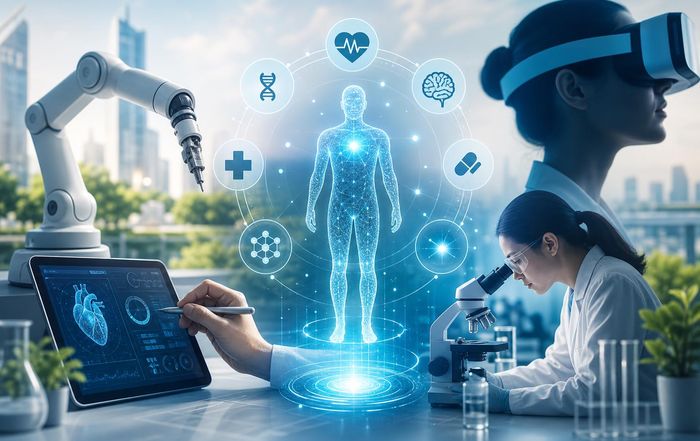
Future Careers in Health Innovation: How Wellbeing and Technology Are Redefining Work
Health Innovation as the New Global Career Frontier
Health innovation has moved from a specialist niche to the center of global economic and social strategy, reshaping how people live, work, travel, and age. Across North America, Europe, Asia-Pacific, Africa, and South America, governments, companies, and individuals are aligning around a simple but profound idea: the next wave of prosperity will be built on healthier, longer, and more meaningful lives. For WellNewTime.com, whose audience spans wellness, health, fitness, mindfulness, travel, beauty, business, lifestyle, environment, and innovation, this transformation is more than a trend; it is the new landscape in which careers, brands, and lifestyles will be defined.
Health innovation now stretches far beyond hospitals and pharmaceuticals. It includes digital health platforms, preventive care ecosystems, wellbeing-focused travel, sustainable beauty and personal care, AI-enabled diagnostics, mental health technologies, and climate-resilient health strategies. Organizations such as the World Health Organization (WHO) and the Organisation for Economic Co-operation and Development (OECD) have repeatedly emphasized that health systems must shift from reactive treatment to proactive, integrated wellbeing, and this pivot is creating an entirely new spectrum of roles that blend clinical insight, data science, behavioral psychology, design, and business strategy. Readers who follow the evolving intersection of wellbeing and business on WellNewTime's health and business sections can already see how this convergence is reshaping industries from fitness to finance.
In this context, future careers in health innovation are not only about mastering new technologies; they are about understanding human behavior, building trust, and designing experiences that support long-term wellbeing. Professionals in the United States, United Kingdom, Germany, Canada, Australia, and beyond are increasingly seeking roles that combine purpose with performance, aligning with global frameworks such as the United Nations Sustainable Development Goals, and particularly SDG 3 on good health and wellbeing. Those who can navigate this complex, multidisciplinary terrain will be best positioned to lead in the years ahead.
From Sick Care to Wellbeing Ecosystems
The most profound shift underpinning future careers in health innovation is the move from "sick care" to holistic wellbeing ecosystems. Instead of focusing primarily on acute illness, health innovation now encompasses prevention, early detection, lifestyle optimization, mental resilience, and environmental health. This shift has been accelerated by digital technologies, demographic changes, and growing consumer demand for personalized, convenient, and trustworthy health solutions.
In the United States and Europe, health systems are under pressure from aging populations, chronic disease, and rising costs. Organizations like the U.S. Centers for Disease Control and Prevention (CDC) and Public Health England (now part of the UK Health Security Agency) have highlighted the economic impact of conditions such as diabetes, cardiovascular disease, and depression, which are closely linked to lifestyle and environment. Learn more about the economic burden of chronic disease through resources from the CDC. As a result, new careers are emerging at the intersection of preventive medicine, behavioral science, digital engagement, and community-based care.
For the global audience of WellNewTime, this means that wellness, fitness, mindfulness, and lifestyle are no longer peripheral to mainstream health; they are becoming central pillars of integrated care strategies. The rise of health coaching, digital therapeutics, and personalized fitness programs, combined with the growth of telehealth and remote monitoring, is driving demand for professionals who can design, deliver, and scale these services. Readers exploring wellness, fitness, and lifestyle content on the site are effectively tracking the early signals of where many future roles will emerge.
Digital Health and AI: New Roles at the Core of Care
Digital health has evolved from simple telemedicine to a sophisticated ecosystem that includes AI-driven diagnostics, remote patient monitoring, digital biomarkers, and virtual-first care models. Organizations such as Mayo Clinic, Cleveland Clinic, and Karolinska Institutet are pioneering AI tools that assist clinicians in interpreting imaging, lab results, and patient histories, while technology leaders like Google DeepMind and Microsoft are investing heavily in healthcare AI research. Explore how AI is reshaping healthcare via resources from Mayo Clinic.
These developments are creating a new generation of roles, including clinical data scientists, AI ethicists, digital health product managers, and virtual care coordinators. Professionals in these roles must combine technical literacy with a deep understanding of patient needs, regulatory requirements, and ethical considerations. In Germany, the Federal Institute for Drugs and Medical Devices (BfArM) has established a fast-track process for digital health applications, while countries like France, Singapore, and South Korea are building national strategies for digital health adoption. Learn more about digital health regulations and frameworks through the European Commission's digital health initiatives.
For WellNewTime's business-focused readers, this digital transformation also represents a major opportunity for startups and established brands. Companies developing remote monitoring devices, AI-enabled fitness wearables, mental health apps, or personalized nutrition platforms must build teams that understand both technology and wellbeing. Product leaders, UX researchers, and behavioral scientists are increasingly collaborating with clinicians to create experiences that are not only engaging but also clinically effective and trustworthy. The innovation coverage on WellNewTime's innovation and brands pages reflects how these cross-functional teams are redefining health products and services.
The Rise of Preventive and Lifestyle Medicine Careers
Preventive and lifestyle medicine is moving from the margins to the mainstream, especially in markets like the United States, United Kingdom, Australia, and the Nordic countries, where consumers are increasingly proactive about managing their health. Organizations such as the American College of Lifestyle Medicine and Harvard T.H. Chan School of Public Health have helped build the scientific foundation for nutrition, movement, sleep, stress management, and social connection as core pillars of health. Learn more about evidence-based lifestyle medicine through resources from Harvard T.H. Chan School of Public Health.
This shift is creating new roles for health coaches, lifestyle medicine physicians, integrative practitioners, and digital wellness specialists. These professionals are not simply advising on diet and exercise; they are helping individuals and organizations build sustainable habits, manage chronic conditions, and navigate the overwhelming volume of health information available online. In Canada, the United Kingdom, and Scandinavia, primary care practices are increasingly integrating health coaching and social prescribing, connecting patients to community resources such as fitness programs, nature-based activities, and mental health support.
For WellNewTime readers, this evolution is reflected in the growing interest in holistic wellness content and services. The site's wellness, health, and mindfulness sections speak directly to the skills and knowledge that future professionals will need, from understanding evidence-based nutrition and exercise science to guiding clients through meditation, breathwork, and stress management techniques. As organizations worldwide recognize the cost of burnout and disengagement, corporate wellbeing strategists and employee health program designers are becoming critical roles, bridging HR, operations, and health expertise.
Mental Health and Mindfulness: Expanding the Care Horizon
The global mental health crisis, amplified by social, economic, and environmental pressures, has driven unprecedented demand for accessible, stigma-free support. The World Economic Forum and World Bank have highlighted the enormous economic cost of untreated mental health conditions, while the World Health Organization has called for increased investment in community-based and digital mental health services. Learn more about global mental health priorities through the WHO mental health overview.
In response, careers in mental health innovation are rapidly expanding. Beyond traditional roles such as psychologists and psychiatrists, there is growing demand for digital mental health designers, mindfulness and resilience trainers, peer support program coordinators, and platform-based therapists who deliver care via secure video and messaging. In markets like the United States, United Kingdom, and Australia, digital-first mental health platforms are partnering with employers and insurers, creating new career paths that combine clinical expertise with technology and program design.
For WellNewTime, whose audience actively engages with mindfulness, wellness, and lifestyle content, this area is particularly relevant. Readers exploring mindfulness and lifestyle are not only consumers of mental wellbeing content; many are also potential professionals in this growing field. Mindfulness instructors, workplace resilience consultants, and digital wellbeing content creators are increasingly in demand across industries, from finance and technology to education and hospitality. As organizations in Europe, Asia, and North America adopt holistic wellbeing programs, professionals who can integrate mindfulness, psychological safety, and performance coaching into coherent, evidence-based offerings will be highly valued.
Wellness, Beauty, and Travel: Convergence of Health and Lifestyle
The boundaries between healthcare, wellness, beauty, and travel are dissolving, creating new hybrid sectors where health innovation plays a central role. Wellness tourism, medical tourism, and wellbeing-centered travel experiences are growing in destinations such as Thailand, Spain, Italy, South Korea, Japan, and New Zealand, as travelers seek restorative experiences that combine culture, nature, and health. The Global Wellness Institute has documented the rapid expansion of wellness tourism and related sectors, highlighting opportunities for businesses and professionals worldwide. Learn more about wellness tourism trends through resources from the Global Wellness Institute.
In this context, careers are emerging at the intersection of spa and medical services, fitness and hospitality, and beauty and clinical skincare. Wellness resort directors, integrative spa practitioners, health-focused travel curators, and wellbeing experience designers are increasingly integrating evidence-based practices into offerings that once focused primarily on relaxation or aesthetics. Advanced skincare brands, for example, are collaborating with dermatologists and biotechnologists to create products that align with clinical standards, while wellness retreats are incorporating mental health professionals, nutritionists, and movement specialists into their teams.
For readers of WellNewTime, this convergence is visible across the site's beauty, travel, and massage sections, where personal care, therapeutic touch, and restorative travel are increasingly framed as part of a broader, holistic health journey. Professionals who understand both the experiential side of wellness and the scientific foundations of health will be uniquely positioned to design and lead these offerings, whether in luxury resorts in Switzerland and the Maldives or urban wellness hubs in New York, London, Berlin, Singapore, and São Paulo.
Sustainable and Environmental Health: Careers at the Climate-Wellbeing Nexus
Climate change and environmental degradation are no longer abstract global issues; they are immediate health challenges affecting air quality, food systems, water security, and mental health. Organizations such as the Intergovernmental Panel on Climate Change (IPCC) and The Lancet have emphasized the link between planetary health and human health, prompting governments, businesses, and communities to rethink how they plan cities, manage resources, and design products. Learn more about the health impacts of climate change through the IPCC reports.
This shift is driving demand for professionals who can work at the intersection of environment and health. Roles such as climate and health policy analysts, sustainable healthcare operations managers, green hospital designers, and environmental epidemiologists are becoming more prominent in regions as diverse as the European Union, South Africa, Brazil, and Southeast Asia. Health systems are beginning to measure and reduce their carbon footprint, while companies across sectors are exploring how to design healthier workplaces, supply chains, and products that minimize harm to both people and planet.
For the global audience of WellNewTime, which includes strong interest in environment, lifestyle, and innovation, this is a critical area of opportunity. The site's environment and world coverage reflects the growing awareness that sustainable living and resilient communities are foundational to long-term wellbeing. Professionals who can integrate environmental science, public health, and business strategy will be instrumental in building climate-resilient health systems, sustainable wellness destinations, and eco-conscious consumer brands in markets from the Netherlands and Denmark to Malaysia and New Zealand.
Corporate Health, Brands, and the Business of Wellbeing
As health becomes a strategic business priority, corporate roles in health innovation are proliferating. Employers in finance, technology, manufacturing, and professional services are increasingly aware that employee wellbeing is directly linked to productivity, retention, and brand reputation. The World Economic Forum and McKinsey & Company have highlighted how integrated wellbeing strategies can drive performance and innovation, leading companies to invest in comprehensive health programs that go beyond traditional benefits. Learn more about the business case for employee wellbeing through the World Economic Forum's insights.
This evolution is generating new career paths, including chief wellbeing officers, corporate health strategists, employee experience designers, and data analysts focused on wellbeing metrics. Brands in sectors such as beauty, food and beverage, fitness, and hospitality are also reframing their value propositions around health and wellness, requiring marketing, product, and sustainability leaders who can navigate complex scientific, regulatory, and ethical landscapes. In markets like the United States, United Kingdom, Germany, and Singapore, investors are increasingly evaluating companies based on their health and wellbeing impact, integrating these factors into ESG (environmental, social, and governance) analyses.
For WellNewTime, which covers business, brands, and news, this trend underscores the importance of experience, expertise, authoritativeness, and trustworthiness in both content and corporate practice. Professionals who aspire to lead in this space must be able to interpret health data, understand regulatory expectations, communicate transparently with stakeholders, and design programs that are inclusive and culturally sensitive across regions from North America and Europe to Asia, Africa, and South America.
Skills, Education, and Career Pathways for the Next Decade
Future careers in health innovation will demand a rare combination of technical skills, human-centered capabilities, and ethical judgment. Data literacy, AI fluency, and digital product understanding will be increasingly essential, but they will not be sufficient on their own. Professionals will also need to cultivate skills in empathy, communication, cross-cultural awareness, and systems thinking, enabling them to design solutions that are not only technologically advanced but also accessible, equitable, and trustworthy.
Educational institutions and professional bodies around the world are beginning to respond. Universities in the United States, United Kingdom, Germany, Canada, Australia, Singapore, and South Korea are launching interdisciplinary programs that combine health sciences, engineering, design, and business. Leading organizations such as Stanford Medicine, MIT, and Imperial College London are developing specialized tracks in digital health, biomedical data science, and health innovation management. Explore emerging health innovation education programs through resources from Stanford Medicine and MIT.
For professionals already in the workforce, continuous learning will be crucial. Short courses, micro-credentials, and online programs in areas such as digital health, AI in medicine, health coaching, and sustainability are becoming more widely available through platforms like Coursera, edX, and university-based executive education. Learn more about upskilling in health innovation through edX health courses. Readers of WellNewTime who are considering career transitions or advancement can use the site's jobs and innovation sections as starting points to explore how their existing skills in wellness, fitness, beauty, travel, business, or technology might translate into emerging roles in health innovation.
Building Trust in a Rapidly Changing Health Landscape
In a world where health information, products, and services are abundant but not always reliable, trust has become the decisive factor in the success of health innovation. Patients, consumers, and employees increasingly expect transparency about data use, scientific evidence, and commercial interests. Regulatory bodies such as the U.S. Food and Drug Administration (FDA), the European Medicines Agency (EMA), and national data protection authorities are tightening oversight of digital health tools, AI applications, and wellness claims. Learn more about evolving digital health regulations through the FDA's digital health center.
For organizations and professionals, this environment demands rigorous commitment to evidence-based practice, clear communication, and ethical design. Brands that overpromise or misuse health data risk losing credibility quickly, while those that invest in robust clinical validation, privacy protection, and user-centered design can build long-term loyalty. This is particularly important in regions where trust in institutions is fragile or where historical inequities in healthcare access remain, such as parts of Africa, South America, and Asia.
For WellNewTime, which aims to support readers in making informed choices about wellness, health, fitness, beauty, and lifestyle, experience, expertise, authoritativeness, and trustworthiness are not abstract concepts; they are the foundation of editorial and strategic decisions. By highlighting credible sources, responsible brands, and evidence-based practices, the platform helps readers navigate a complex and rapidly evolving landscape, whether they are choosing a new fitness technology in Canada, exploring mental health resources in Sweden, or considering a wellness retreat in Thailand.
How WellNewTime Readers Can Position Themselves for the Future
As health innovation continues to reshape economies and societies, individuals across professions and regions have an opportunity to align their careers with this powerful and meaningful transformation. For some, this may mean pursuing formal education in health sciences, data analytics, or digital product design. For others, it may involve layering health and wellbeing expertise onto existing careers in marketing, hospitality, technology, or sustainability.
Welcome new readers of WellNewTime can begin by reflecting on the intersections between their interests in wellness, health, fitness, mindfulness, travel, beauty, business, brands, lifestyle, environment, and innovation, and the emerging roles described above. Exploring the platform's dedicated sections on health, wellness, fitness, travel, and environment can help identify specific domains where their skills and passions align with market needs. For those considering more entrepreneurial paths, the business and brands sections offer insights into how innovative companies are positioning themselves in this space.
So future careers in health innovation will not be limited to a single sector or geography. They will span hospitals in Germany, digital startups in Singapore, wellness resorts in Bali, sustainable beauty brands in France, public health initiatives in South Africa, and corporate wellbeing programs in the United States and Canada. What unites these diverse opportunities is a shared commitment to enhancing human wellbeing in a way that is scientifically grounded, technologically enabled, and ethically responsible. For a healthy, forward-looking peaceful and active community like that of WellNewTime, this is both an invitation and a roadmap: to build careers that are not only successful, but also deeply aligned with the health of people and the planet.