

Wellness Intensives for Artists and Innovators: A New Blueprint for Sustainable Creativity
Why Wellness Intensives Matter Now
The conversation around creativity, innovation, and performance has shifted from a narrow focus on productivity to a broader, more strategic emphasis on sustainable human capacity. For artists, designers, founders, and innovators across the United States, Europe, Asia, Africa, and beyond, the pressure to deliver constant originality in an always-on digital economy has never been greater, while the risks of burnout, mental fatigue, and creative stagnation have become impossible to ignore. Within this global context, wellness intensives-structured, immersive programs that combine evidence-based health practices, restorative experiences, and reflective work on purpose and mindset-are emerging as a critical tool for safeguarding both individual wellbeing and long-term innovation capacity.
For WellNewTime.com, which sits at the intersection of wellness, health, business, and innovation, the rise of wellness intensives for artists and innovators is not simply a lifestyle trend; it represents a fundamental rethinking of how creative work is resourced, protected, and scaled globally. As organizations from Google to Adobe, and institutions such as the World Health Organization (WHO) and the World Economic Forum (WEF), deepen their focus on mental health, human-centric leadership, and future-ready skills, the question is no longer whether wellness should be part of creative and innovation ecosystems, but how deeply it should be embedded and how intentionally it should be designed.
Defining Wellness Intensives in the Creative and Innovation Economy
Wellness intensives differ from casual retreats or standard corporate offsites in their depth, structure, and explicit link to creative and strategic outcomes. Rather than offering a brief escape from daily pressures, intensives are designed as concentrated periods-often three to ten days-of guided work on physical health, mental resilience, emotional regulation, and creative renewal, supported by multidisciplinary experts and evidence-based methods.
In leading innovation hubs from San Francisco and New York to Berlin, London, Singapore, Seoul, and Sydney, these programs increasingly bring together artists, startup founders, product designers, researchers, and creative executives who recognize that their most valuable asset is not time or capital, but the quality of their attention and the resilience of their nervous systems. Many intensives integrate modalities validated by organizations such as the American Psychological Association, which highlights the role of stress management and cognitive recovery in performance, and the National Institutes of Health, which continues to fund research into the links between sleep, mood, and creativity. Those who wish to explore the science behind these approaches can learn more about stress, health, and performance.
For platforms like WellNewTime, which cover fitness, lifestyle, and mindfulness, wellness intensives represent a convergence of multiple editorial pillars: they are at once a health intervention, a lifestyle shift, a business strategy, and an innovation enabler that speaks to readers in the United States, the United Kingdom, Germany, Canada, Australia, and fast-growing creative scenes in Asia, Africa, and South America.
The Science of Creativity, Stress, and Recovery
The rationale for wellness intensives rests on an expanding body of research that connects creative performance with physiological and psychological states. Neuroscience labs from Stanford University to University College London have demonstrated that divergent thinking, insight generation, and complex problem solving depend on the flexible interaction of brain networks such as the default mode network and the executive control network; chronic stress, sleep deprivation, and digital overload impair this flexibility and narrow cognitive bandwidth. Readers interested in the neuroscience of creativity can explore research summaries from Stanford's Center for Cognitive and Neurobiological Imaging.
At the same time, organizations like the World Health Organization have documented the global rise of anxiety, depression, and burnout, particularly in high-pressure knowledge and creative sectors. The WHO's guidance on workplace mental health underscores the need for systemic interventions that go beyond individual resilience tips, recommending structured programs and supportive environments that address workload, autonomy, and recovery. Those wanting a global perspective on mental health trends can review WHO's mental health resources.
Physiologically, chronic activation of the stress response elevates cortisol, disrupts sleep architecture, and impairs immune function, which in turn diminishes the energy and cognitive fluidity required for original work. Research from the Harvard T.H. Chan School of Public Health and similar institutions has shown that interventions such as mindfulness-based stress reduction, moderate exercise, and improved sleep hygiene can significantly improve mood, attention, and cognitive flexibility. Professionals seeking a deeper dive into the health impacts of stress and lifestyle can explore Harvard's public health insights.
Wellness intensives leverage these findings by deliberately engineering conditions for recovery and neuroplasticity: structured sleep routines, nutrient-dense food, technology boundaries, guided mindfulness, physical movement, and reflective dialogue. For artists and innovators who have normalized late-night deadlines, constant travel, and digital hyper-connectivity, the experience can be both unsettling and transformative, revealing how much creative capacity has been sacrificed to chronic overextension.
Core Components of Effective Wellness Intensives
The most effective wellness intensives for artists and innovators share several design principles that distinguish them from ad hoc wellness offerings. They are multidisciplinary, combining physical health, mental skills, emotional literacy, and creative practice; they are evidence-informed, drawing from peer-reviewed research and clinical best practices; they are context-aware, tailored to the realities of creative industries and innovation ecosystems; and they are longitudinal, providing follow-up support rather than a one-time experience.
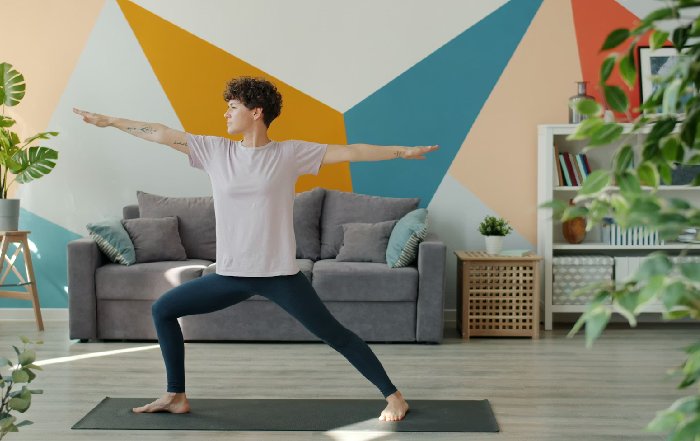
Typically, participants engage in structured physical practices such as yoga, mobility training, or strength work, guided by professionals who understand the specific needs of sedentary digital workers and performing artists. Resources from organizations like the American College of Sports Medicine highlight how regular, moderate exercise improves cognitive performance and emotional stability, and readers can learn more about the role of physical activity in brain health. In parallel, intensives often include massage therapy, breathwork, and somatic practices that help participants reconnect with bodily signals that have been overridden by chronic busyness, a theme that aligns closely with the focus on massage and restorative touch on WellNewTime.
Mental and emotional components typically include individual or group coaching, psychoeducation on stress and trauma, and structured reflection on identity, purpose, and creative blocks. The Greater Good Science Center at UC Berkeley has documented how practices such as gratitude, compassion, and self-reflection support resilience and prosocial behavior in high-pressure environments; readers can explore practical tools for emotional wellbeing. For innovators, this inner work often surfaces tensions between their creative aspirations and the commercial or institutional constraints they face, enabling more honest strategic decisions.
Finally, intensives that explicitly target innovation outcomes incorporate facilitated sessions on ideation, systems thinking, and collaborative problem solving, often drawing on design thinking frameworks popularized by organizations such as IDEO and academic centers like the MIT Media Lab. Those interested in the future of innovation and human-centered design can explore perspectives from the MIT Media Lab. By alternating deep rest with structured creative sprints, these programs allow participants to experience how recovery enhances the quality, not just the quantity, of their ideas.
Global Variations: From Urban Labs to Nature-Based Retreats
As wellness intensives gain momentum in 2026, their formats and settings reflect regional cultures, environmental contexts, and industry profiles. In North America and Western Europe, many programs are hosted in hybrid urban-nature locations that balance accessibility with immersion: renovated industrial spaces on the outskirts of Berlin, creative campuses in the Hudson Valley, or wellness-oriented hotels in the English countryside. In Asia, particularly in Japan, South Korea, Singapore, and Thailand, intensives often weave in long-standing traditions of contemplative practice, hot springs, forest bathing, and herbal medicine, aligning with a broader regional interest in integrative health.
In the Nordic countries-Sweden, Norway, Denmark, and Finland-where outdoor culture and work-life balance are already strong, wellness intensives frequently emphasize nature connection, cold exposure, and simple, high-quality nutrition, reflecting both local values and research from organizations like the European Environment Agency, which has highlighted the mental health benefits of green and blue spaces. Readers can learn more about the relationship between environment and health. This resonates strongly with WellNewTime's coverage of the environment and the ways ecological wellbeing intersects with personal health and creativity.
In emerging creative hubs across Africa, South America, and Southeast Asia, wellness intensives are increasingly tied to social impact and community building. Programs in South Africa, Brazil, and Malaysia, for example, may combine wellness practices with dialogues on decolonizing creativity, sustainable development, and inclusive innovation, aligning with frameworks promoted by the United Nations Development Programme (UNDP), which encourages holistic, human-centered approaches to development. Those interested in this broader context can explore UNDP's work on human development.
For a global audience that WellNewTime serves-from Los Angeles and Toronto to Paris, Milan, Madrid, Amsterdam, Zurich, Shanghai, and Wellington-this diversity of formats means that wellness intensives can be chosen not only for their methods but also for their cultural resonance, environmental setting, and alignment with personal values.
Integrating Massage, Beauty, and Somatic Care into Creative Workflows
A distinctive feature of wellness intensives designed for artists and innovators is the integration of hands-on somatic care and mindful aesthetics, which speaks directly to WellNewTime's focus on massage and beauty. While traditional corporate programs may treat massage or spa treatments as optional extras, leading intensives now position them as core interventions that recalibrate the nervous system and restore sensory awareness, both of which are essential for nuanced creative work.
Research summarized by organizations such as the Mayo Clinic has shown that massage therapy can reduce muscle tension, lower cortisol, and improve sleep quality, all of which contribute to better cognitive performance and emotional regulation. Those curious about the medical perspective can review Mayo Clinic's overview of massage benefits. For visual artists, performers, and designers who rely on fine motor skills and embodied expression, targeted bodywork can also prevent repetitive strain injuries and prolong career longevity.
Similarly, the beauty and skincare components of wellness intensives have evolved beyond surface-level treatments to embrace a more holistic philosophy of appearance, identity, and self-expression. Programs that collaborate with ethically minded brands and dermatology experts acknowledge the psychological impact of feeling comfortable in one's skin, drawing on insights from organizations like the British Association of Dermatologists, which has highlighted the mental health dimensions of skin conditions. Readers can learn more about the link between skin and wellbeing.
For artists and innovators who often operate in public, client-facing, or performance-based roles, this integrated approach to massage, beauty, and somatic care reframes self-care not as vanity or indulgence, but as a professional necessity that supports confidence, presence, and long-term creative output.
Mindfulness, Mental Fitness, and Cognitive Endurance
Mindfulness has moved from the margins of wellness culture to the center of executive and creative development, and wellness intensives are at the forefront of this shift. Rather than offering generic meditation sessions, high-quality programs now curate mental fitness curricula that blend contemplative traditions with cognitive science, habit formation, and digital hygiene. This evolution aligns closely with WellNewTime's commitment to mindfulness as a practical, scientifically grounded discipline.
Organizations like Mindful.org and research centers such as the Oxford Mindfulness Foundation have documented how regular mindfulness practice can reduce rumination, improve attentional control, and increase psychological flexibility, all of which are crucial in navigating complex creative challenges and uncertain innovation landscapes. Those seeking accessible, research-based resources can explore practical guides to mindfulness. For artists and innovators, mindfulness is not simply a relaxation technique; it becomes a way of relating to ideas, feedback, and failure with greater curiosity and less defensiveness.
Cognitive endurance-the ability to sustain high-quality thinking over extended periods without succumbing to distraction or exhaustion-is also emerging as a key capability in 2026. Intensives may incorporate practices such as focused work intervals, strategic rest, and attention training, informed by research from institutions like MIT and Carnegie Mellon University on human-computer interaction and attention economics. Professionals interested in this frontier can learn more about digital attention and productivity research. By experiencing how structured breaks, mindful transitions, and deliberate single-tasking enhance output, participants often return to their studios and offices with a more disciplined approach to digital tools and creative workflow.
The Business Case: Innovation, Talent, and Brand Differentiation
From a business perspective, wellness intensives for artists and innovators are no longer a peripheral perk; they are becoming a strategic investment in innovation capacity, employer branding, and risk mitigation. Studies from consulting firms such as McKinsey & Company and Deloitte have repeatedly shown that companies with healthier, more engaged employees outperform peers on productivity, retention, and innovation metrics. Those who wish to explore this evidence can review McKinsey's insights on mental health and productivity.
For creative agencies, design studios, media companies, technology firms, and cultural institutions, supporting artists and innovators through structured wellness intensives can reduce burnout-related turnover, protect institutional knowledge, and improve the quality of client work and product development. In competitive talent markets across the United States, Canada, the United Kingdom, Germany, the Netherlands, and the Nordic countries, such programs also signal a serious commitment to human-centric culture, differentiating employers in the eyes of discerning candidates. This intersects with WellNewTime's coverage of jobs and the evolving expectations of creative and knowledge workers.
Brands that sponsor or co-create wellness intensives also benefit from deeper, more authentic engagement with creative communities. Rather than relying solely on traditional advertising, forward-thinking companies in fashion, technology, hospitality, and consumer wellness are partnering with program designers to embed their products and services in meaningful, restorative experiences. This approach aligns with the broader trend toward purpose-driven branding and experiential marketing, which has been analyzed by organizations like Harvard Business Review; readers can explore how purpose and wellbeing shape modern brands.
For WellNewTime's audience of brand builders and entrepreneurs, this evolving landscape presents both an opportunity and a challenge: to design offerings that genuinely enhance wellbeing and creative capacity, while maintaining transparency, ethical standards, and evidence-based practices.
Travel, Place, and the Geography of Renewal
Wellness intensives are also reshaping the geography of creative work and travel. As remote and hybrid models remain prevalent in 2026, artists and innovators increasingly combine professional projects with purposeful travel to locations that support deep restoration and inspiration. This trend intersects with WellNewTime's focus on travel, as readers seek destinations that offer more than leisure, instead providing structured environments for recalibration.
Destinations such as Costa Rica, Iceland, Bali, New Zealand, and regions in Southern Europe have positioned themselves as hubs for regenerative retreats, leveraging natural beauty, sustainable tourism practices, and local wellness traditions. Organizations like the Global Wellness Institute have tracked the rapid growth of wellness tourism and its impact on local economies, sustainability, and cultural exchange; those interested can learn more about global wellness tourism trends.
At the same time, urban centers from New York and Toronto to Paris, Berlin, Singapore, and Tokyo are experimenting with "city intensives" that integrate wellness practices into the fabric of metropolitan life: rooftop meditation, biophilic design, creative residencies combined with mental health support, and neighborhood-based wellness ecosystems. This dual movement-toward both nature-based retreats and urban sanctuaries-underscores a key insight: wellness intensives are not solely about escaping everyday life, but about learning how to design healthier, more creative environments wherever people live and work.
How WellNewTime Can Guide and Curate This Emerging Landscape
As wellness intensives for artists and innovators become more visible and more commercially attractive, questions of quality, safety, and integrity become critical. Programs vary widely in their level of clinical oversight, scientific grounding, cultural sensitivity, and ethical standards, and the absence of regulation in many jurisdictions can expose participants to untested methods or exaggerated claims. In this environment, trusted platforms with a clear commitment to Experience, Expertise, Authoritativeness, and Trustworthiness play a vital role.
WellNewTime is well positioned to act as a discerning guide and curator in this space, drawing on its editorial strengths across wellness, health, business, innovation, and world coverage. By evaluating programs against transparent criteria-such as the qualifications of facilitators, the presence of evidence-based methods, the integration of medical or psychological support when appropriate, and the alignment with ethical and sustainability standards-WellNewTime can help readers navigate a crowded market with confidence.
The platform can also highlight regional exemplars that reflect the interests of its global audience: artist-focused intensives in the United States and Canada that combine psychotherapy and creative coaching; innovation labs in Germany, the Netherlands, and Switzerland that integrate somatic work into product design sprints; nature-based programs in Australia, New Zealand, and South Africa that blend environmental education with creative practice; and Asia-based intensives in Japan, South Korea, Thailand, and Singapore that honor local traditions while engaging global innovation challenges. By telling these stories through a lens that connects personal wellness, creative excellence, and systemic impact, WellNewTime can deepen its role as a trusted, globally aware resource.
Looking Further: Wellness as Infrastructure for Creativity and Innovation
Wellness intensives for artists and innovators are moving from experimental edges into the mainstream of creative and business strategy. They reflect a broader recognition that the capacity to imagine, design, and build new futures depends on more than technical skill or financial capital; it depends on the health, clarity, and resilience of the people doing the work. For a global readership that spans established creative capitals and emerging innovation centers across North America, Europe, Asia, Africa, and South America, this shift offers both a warning and an invitation.
The warning is that old models of heroic overwork, chronic stress, and performative busyness are no longer sustainable in a world that demands continuous learning, adaptation, and collaboration. The invitation is to treat wellness not as a side project or a private hobby, but as infrastructure: a shared foundation that supports individual artists, collaborative teams, organizations, and entire creative ecosystems.
Within this evolving landscape, WellNewTime.com can serve as a compass, helping readers discern which wellness intensives genuinely support their health and creative ambitions, how to integrate lessons from these programs into daily life and organizational culture, and how to align personal renewal with broader commitments to environmental sustainability, social equity, and ethical innovation. By continuing to connect insights from wellness, massage, beauty, health, news, business, fitness, jobs, brands, lifestyle, environment, world affairs, mindfulness, travel, and innovation, WellNewTime can help ensure that the next generation of artists and innovators not only produce remarkable work, but also live and create in ways that are deeply, sustainably well.
For those exploring their next step-whether planning a sabbatical, designing a team offsite, or rethinking a creative career-the emerging world of wellness intensives offers a powerful possibility: that the path to better ideas and bolder innovations may begin not with doing more, but with learning, at last, how to rest, restore, and create from a place of wholeness.