

Minimalist Beauty Routines from Japan: A Global Blueprint for Modern Wellbeing
The Quiet Power of Japanese Minimalism in 2026
In 2026, as professionals across North America, Europe, and Asia navigate demanding careers, digital overload, and constant economic volatility, the pursuit of beauty and wellbeing has shifted decisively away from excess and toward intention. Amid this transformation, minimalist beauty routines from Japan have emerged as a compelling model for individuals and businesses seeking a more sustainable, efficient, and trustworthy approach to self-care. For the readers of wellnewtime.com, whose interests span wellness, health, business, lifestyle, and innovation, Japanese minimalism offers not only a refined aesthetic but also a strategic framework for living and working with greater clarity, resilience, and long-term value.
Japanese beauty culture, often referred to as "J-beauty," contrasts sharply with the more elaborate, multi-step regimens popularized in other regions. Rather than chasing rapid, dramatic results through aggressive treatments or an ever-expanding list of products, Japanese routines emphasize prevention, consistency, and respect for the skin's natural barrier. This philosophy aligns closely with the global movement toward evidence-based wellness, where individuals and organizations prioritize practices that are sustainable, scientifically grounded, and aligned with broader life and business goals. As readers explore related perspectives on wellness and holistic living, the Japanese model provides a practical and culturally rich lens through which to re-evaluate daily habits.
Cultural Foundations: From Wabi-Sabi to Omotenashi
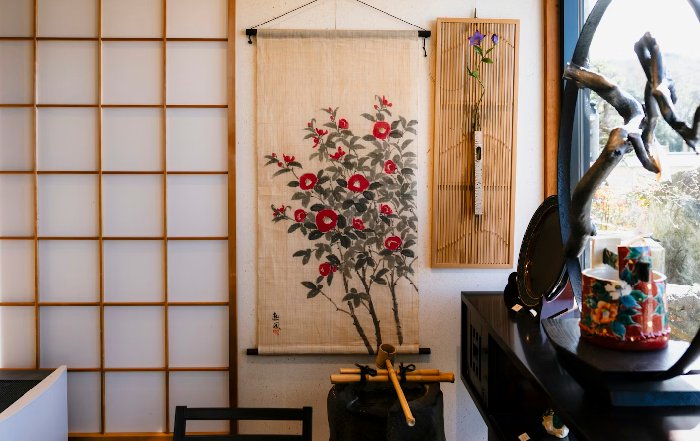
Minimalist beauty in Japan is not an isolated trend; it is deeply rooted in cultural concepts that have shaped Japanese society for centuries. The principle of wabi-sabi, which appreciates simplicity, imperfection, and the passage of time, underpins the aesthetic preference for natural textures, soft luminosity, and subtle enhancement rather than dramatic transformation. This sensibility is visible in traditional arts such as tea ceremony and calligraphy, where each movement is deliberate and nothing is superfluous, and it translates directly into beauty routines that favor fewer, better products and rituals that can be sustained over decades.
Equally influential is omotenashi, the Japanese philosophy of wholehearted hospitality and care. In the context of beauty and wellness, omotenashi manifests as a quiet attentiveness to the needs of the skin and body, an attitude that values long-term health over short-term spectacle. Japanese beauty professionals and brands often design products and services with this ethos in mind, focusing on textures that feel gentle, formulations that respect sensitive skin, and instructions that encourage mindful use. Readers interested in how such cultural values inform broader lifestyle choices can explore complementary insights on mindfulness and intentional living, where the same principles support mental clarity and emotional balance.
These cultural foundations help explain why Japanese routines are typically compact yet highly effective. Instead of a dozen overlapping products, a Japanese-inspired regimen might center around a few carefully chosen steps performed with consistency and attention. For business leaders and entrepreneurs, this mindset resonates strongly with lean management philosophies, where unnecessary complexity is reduced to focus on activities that genuinely create value. Learn more about how minimalism intersects with modern management thinking through resources from Harvard Business Review at hbr.org.
Core Principles of Japanese Minimalist Beauty
At the heart of Japanese minimalist beauty routines lie several core principles that shape product choices, daily practices, and long-term expectations. First, there is a strong emphasis on skin health as the foundation of beauty, which means prioritizing barrier-supportive ingredients, gentle cleansing, and diligent sun protection over heavy coverage or harsh corrective treatments. This approach aligns with dermatological guidance from organizations such as the American Academy of Dermatology, where professionals consistently highlight the importance of sunscreen and barrier care; readers can explore related evidence-based advice at aad.org.
Second, Japanese routines are built around prevention rather than repair. Instead of waiting for visible signs of damage such as hyperpigmentation, deep wrinkles, or severe dryness, individuals are encouraged to adopt protective habits early, including daily SPF, antioxidant-rich skincare, and lifestyle measures that reduce stress and inflammation. This preventive mindset mirrors broader public health strategies promoted by institutions like the World Health Organization, which emphasizes early intervention and risk reduction in its global health guidance at who.int.
Third, there is a disciplined focus on quality and functionality. Japanese consumers and brands tend to favor products that deliver multiple benefits without unnecessary fragrance, colorants, or marketing-driven complexity. A single cleanser might remove makeup, sunscreen, and impurities without stripping the skin, while a lotion or essence may hydrate, soothe, and support the skin barrier simultaneously. Professionals seeking to optimize both time and results can draw parallels to efficient fitness and wellness strategies discussed on fitness and performance, where targeted routines replace unfocused effort.
Finally, Japanese minimalist beauty is deeply integrated with daily life rather than treated as a separate, indulgent event. The routine is designed to be realistically maintained even on busy days, which supports adherence and long-term outcomes. For global professionals balancing demanding schedules across the United States, United Kingdom, Germany, Singapore, and beyond, this integration is critical, allowing beauty and wellness to support performance rather than compete with it. Readers interested in how such integration extends to travel and cross-border lifestyles can find aligned perspectives in global lifestyle and travel features, where the same minimalist principles reduce stress and enhance experience.
The Essential Japanese Routine: Fewer Steps, Deeper Intent
In practice, a minimalist Japanese beauty routine typically revolves around a small number of essential steps executed with care and consistency. While individual preferences and skin types vary, a common structure includes thorough yet gentle cleansing, hydrating and soothing with a lotion or essence, targeted treatment where necessary, and high-quality sun protection during the day. Each step is selected not only for its function but also for its texture, sensory experience, and compatibility with the skin's natural processes.
Cleansing is often approached as a two-phase ritual, particularly in the evenings. Many Japanese consumers use an oil-based cleanser to dissolve sunscreen and makeup, followed by a mild foaming or gel cleanser to remove remaining impurities and excess sebum. The aim is to clean effectively without compromising the skin barrier, avoiding the tightness and irritation that can lead to long-term sensitivity. Dermatological resources from platforms like Mayo Clinic at mayoclinic.org reinforce the importance of gentle cleansing, especially for individuals with dry or reactive skin, supporting this core element of Japanese practice.
Following cleansing, the application of a hydrating lotion or essence is a hallmark of Japanese routines. Unlike Western-style toners that historically focused on astringent effects, Japanese lotions are typically designed to flood the skin with moisture, preparing it to better absorb subsequent products and reducing the risk of dehydration. This step often involves patting or pressing motions rather than vigorous rubbing, reflecting the broader cultural preference for gentleness and respect toward the skin. For readers interested in how hydration supports overall health and performance, complementary insights are available in health and wellbeing coverage, where the systemic benefits of adequate hydration are explored.
Targeted treatments, such as serums containing vitamin C, hyaluronic acid, or ceramides, are used sparingly and strategically rather than as an ever-growing collection. This measured approach resonates with guidance from organizations like the National Institutes of Health, which highlight the value of evidence-based ingredients and cautious layering to avoid irritation; readers can explore related scientific perspectives at nih.gov. By focusing on a limited number of proven actives, Japanese minimalist routines reduce both the financial and biological cost of experimentation.
Daytime routines almost always conclude with sunscreen, reflecting Japan's long-standing cultural emphasis on maintaining an even, luminous complexion and preventing photoaging. High-quality sunscreens are formulated to be lightweight, cosmetically elegant, and comfortable for daily wear, making adherence more realistic. Global skin cancer prevention campaigns led by institutions such as Cancer Research UK at cancerresearchuk.org reinforce the life-saving importance of consistent sun protection, underscoring the alignment between Japanese beauty habits and international health priorities.
Wellness, Massage, and the Somatic Dimension of Beauty
Japanese minimalist beauty cannot be fully understood without considering its integration with broader wellness and somatic practices. Traditional Japanese culture places significant value on rituals that calm the nervous system and restore balance, such as bathing in hot springs, known as onsen, and therapeutic bodywork techniques like shiatsu massage. These practices support circulation, relieve muscular tension, and promote relaxation, which in turn can improve skin health by reducing stress-related inflammation and supporting restorative sleep. Readers who wish to explore how massage and body therapies contribute to holistic beauty can find aligned themes in massage and bodywork coverage, where the physiological and psychological benefits of touch are examined in depth.
The Japanese bathing ritual itself embodies minimalist principles: a focus on water, temperature, and presence rather than elaborate products. Individuals typically cleanse thoroughly before entering the bath, then soak quietly, allowing heat and minerals to ease tension and support circulation. This kind of routine encourages a shift from sympathetic "fight or flight" dominance toward parasympathetic "rest and digest," a transition that modern neuroscience, as discussed by institutions like Stanford Medicine at med.stanford.edu, associates with improved hormonal balance, immune function, and emotional regulation. For professionals operating in high-pressure environments in cities from New York to Tokyo, integrating such restorative rituals can be a powerful counterbalance to chronic stress.
In corporate wellness programs and hospitality settings worldwide, Japanese-inspired spa experiences and minimalist treatment menus are gaining traction. Rather than offering an overwhelming list of services, many forward-thinking hotels, wellness centers, and beauty clinics are curating a smaller selection of targeted treatments that combine massage, skincare, and mindfulness. This approach aligns closely with the editorial focus of wellnewtime.com on integrated wellness and lifestyle innovation, where simplicity, impact, and user experience are prioritized over sheer variety.
Business, Brands, and the Globalization of J-Beauty
From a business perspective, the rise of Japanese minimalist beauty routines has reshaped global beauty markets, influencing product development, branding strategies, and consumer expectations across continents. Japanese brands have built reputations for reliability, subtlety, and innovation, often focusing on texture refinement, packaging functionality, and incremental formulation improvements rather than dramatic rebranding cycles. This emphasis on trust and consistency resonates strongly with consumers in the United States, Europe, and Asia who are increasingly skeptical of exaggerated marketing claims and short-lived trends.
International market analysis from organizations like McKinsey & Company, available at mckinsey.com, indicates that consumers are gravitating toward brands and routines that offer transparency, proven efficacy, and reduced complexity. Japanese beauty companies, both heritage names and emerging innovators, have capitalized on this shift by promoting minimalist product lines, refillable packaging, and educational content that emphasizes routine design rather than constant novelty. For readers of wellnewtime.com interested in the intersection of beauty and commerce, the business and brands section provides further context on how these trends are reshaping investment, retail, and digital marketing strategies worldwide.
At the same time, global retailers and e-commerce platforms have responded by curating J-beauty offerings that highlight minimalist routines, often presenting them as an antidote to the product fatigue associated with more maximalist approaches. This has opened opportunities not only for established Japanese companies but also for smaller, niche brands that combine traditional ingredients like green tea, rice bran, and fermented extracts with modern formulation science. Industry resources such as Cosmetics Business at cosmeticsbusiness.com track how these innovations are influencing regulatory discussions, sustainability frameworks, and cross-border collaborations.
For job seekers and professionals in the beauty and wellness sectors, the rise of Japanese minimalism has created new career paths in product development, brand strategy, education, and cross-cultural consulting. As companies in Europe, North America, and Asia seek to adapt J-beauty principles to local markets, expertise in Japanese culture, ingredient sourcing, and minimalist design has become increasingly valuable. Readers exploring career transitions or opportunities in this evolving landscape can find broader context in jobs and industry insights, where the convergence of wellness, beauty, and global business is a recurring theme.
Sustainability, Environment, and Ethical Minimalism
Minimalist beauty routines from Japan also intersect powerfully with environmental and sustainability concerns. By encouraging fewer, multi-functional products and discouraging wasteful experimentation, these routines inherently reduce packaging, transportation, and resource consumption. This approach aligns with the growing emphasis on sustainable beauty articulated by organizations such as the UN Environment Programme, which provides guidance on responsible consumption and production at unenvironment.org. For conscious consumers across Australia, Canada, Scandinavia, and beyond, Japanese minimalism offers a practical way to align daily habits with environmental values.
Japanese brands have been early adopters of environmentally considerate packaging, including refill systems, lightweight materials, and designs that prioritize durability and recyclability. These measures not only appeal to eco-conscious consumers but also support regulatory compliance in regions with stringent waste and recycling laws, such as the European Union. The broader context of sustainable business practices, as discussed by entities like the World Economic Forum at weforum.org, reinforces the idea that minimalism is not merely an aesthetic choice but a strategic response to planetary limits and shifting consumer expectations.
For readers of wellnewtime.com who follow developments in environmental policy, green innovation, and ethical consumption, Japanese beauty routines provide a concrete example of how minimalism can translate into measurable environmental benefits. The platform's environment and innovation coverage further explores how similar principles are being applied in sectors ranging from fashion and food to travel and urban design, illustrating a broader cultural shift toward "less but better" across industries.
Global Adaptation: Integrating Japanese Minimalism into Diverse Lifestyles
As minimalist Japanese beauty routines spread from Tokyo to New York, London, Berlin, Singapore, and São Paulo, they are being adapted to diverse climates, skin types, and cultural expectations. Individuals in regions with high humidity, such as Southeast Asia and parts of South America, may prioritize lightweight, breathable textures, while those in colder climates like Scandinavia and Canada may incorporate richer moisturizers or occlusive layers to protect against harsh weather. Dermatology-focused platforms such as Cleveland Clinic, accessible at my.clevelandclinic.org, provide guidance on tailoring skincare to local environmental conditions, which can be integrated seamlessly with Japanese minimalist principles.
Professionals with demanding travel schedules can particularly benefit from the portability and efficiency of minimalist routines. A compact set of core products reduces luggage bulk, simplifies airport security navigation, and minimizes the risk of skin irritation from constant product changes. For business travelers and digital nomads following wellnewtime.com's world and travel reporting, adopting a Japanese-inspired routine can support both appearance and comfort during long-haul flights, time zone shifts, and varying water qualities.
Digital innovation has further accelerated the global integration of Japanese minimalist beauty. Online education platforms, social media, and expert-led webinars enable consumers from Italy, Spain, South Africa, and New Zealand to learn directly from Japanese estheticians, dermatologists, and brand founders. Technology-focused outlets such as MIT Technology Review at technologyreview.com highlight how AI-driven skin analysis, virtual consultations, and smart packaging are enhancing personalization without increasing complexity, aligning perfectly with minimalist values. For readers of wellnewtime.com, whose interests include innovation and future trends, the convergence of J-beauty and digital tools represents a compelling frontier.
Experience, Expertise, and Trust in a Crowded Beauty Landscape
In an era where consumers are inundated with product launches, influencer endorsements, and conflicting advice, the enduring appeal of Japanese minimalist beauty lies in its emphasis on experience, expertise, and trustworthiness. Rather than promising overnight transformations, Japanese routines invite individuals to cultivate a relationship with their skin over time, observing subtle improvements in texture, tone, and resilience. This experiential approach fosters a deeper understanding of one's own needs and reduces dependence on constant external validation, a theme echoed in many of wellnewtime.com's explorations of personal development and mindful living.
Expertise plays a central role in maintaining the credibility of Japanese beauty culture. Dermatologists, cosmetic chemists, and seasoned estheticians contribute to product development and consumer education, ensuring that claims are grounded in research and that routines are safe for long-term use. Scientific and regulatory frameworks provided by authorities such as the European Medicines Agency at ema.europa.eu and national health agencies in Japan, the United States, and the European Union further support this emphasis on safety and efficacy.
Trust, perhaps the most valuable currency in the modern beauty industry, is reinforced through consistent product performance, transparent communication, and a visible commitment to consumer wellbeing. Japanese brands and practitioners often prioritize customer feedback, incremental improvement, and long-term relationships over aggressive short-term sales tactics. This philosophy resonates strongly with the values of wellnewtime.com, where editorial coverage across beauty, wellness, and lifestyle consistently highlights authenticity, integrity, and evidence-based practice.
A Strategic Path Forward for Global Professionals and Brands
For global professionals, entrepreneurs, and decision-makers, minimalist beauty routines from Japan offer more than a pathway to healthier skin; they provide a strategic framework for navigating complexity in business and life. By focusing on essentials, prioritizing quality over quantity, and integrating wellness into daily routines, individuals can free cognitive and financial resources for higher-value pursuits. Organizations that adopt similar principles in product design, customer experience, and corporate culture are likely to build stronger, more resilient brands that can withstand market volatility and shifting consumer preferences.
As the world moves deeper into 2026, with increasing attention on sustainability, mental health, and digital overload, the quiet power of Japanese minimalist beauty stands as a timely and globally relevant model. For readers of wellnewtime.com, this model aligns seamlessly with a broader commitment to intelligent self-care, responsible consumption, and purposeful living, offering a practical and elegant path toward a more balanced and beautiful future.