

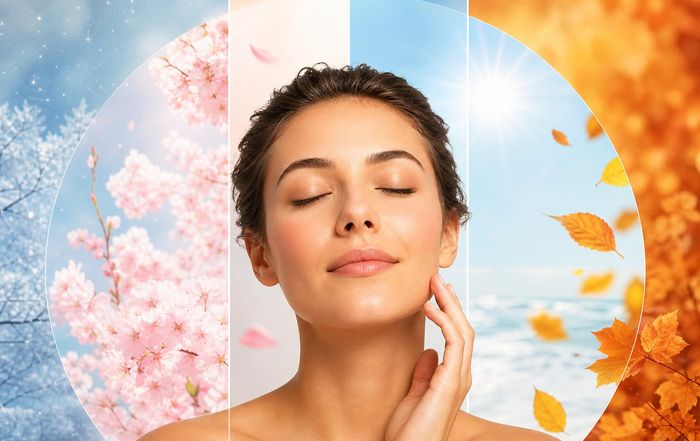
How Seasonal Changes Affect Your Skin in 2026: A Global, Science-Led Perspective
The New Climate Reality and the Skin We Live In
By 2026, shifting seasons no longer follow the predictable patterns that many adults remember from childhood. Warmer winters in Europe, longer heatwaves in North America, intensified monsoons in parts of Asia, and prolonged droughts in Africa and South America have transformed not only how people live and work, but also how their skin behaves throughout the year. For readers of wellnewtime.com, who closely follow developments in wellness, health, beauty, lifestyle, and the broader environment, this evolving climate context is no longer an abstract concern; it is visible every day in the mirror.
Dermatologists across the United States, United Kingdom, Germany, Canada, Australia, Japan, and South Korea are reporting similar patterns: more patients complaining of sudden sensitivity, unexplained redness, seasonal acne flares, and stubborn dryness that no longer responds to products that once worked perfectly. Seasonal skin care in 2026 is not only about swapping a light moisturizer for a richer cream; it has become a strategic, evidence-based response to changing temperature, humidity, UV radiation, pollution, and indoor environmental conditions. As global health agencies such as the World Health Organization highlight the rising burden of environmental stressors on human health, including skin health, individuals and businesses alike are being compelled to rethink routines, product formulations, and even workplace policies to protect the body's largest organ.
Readers who follow global wellness and health news are increasingly aware that skin is not a cosmetic afterthought but a frontline system of defense, deeply connected to immunity, mental wellbeing, sleep, and performance. Seasonal change, in this context, is not just a matter of comfort; it is a matter of resilience.
The Science of Skin and Seasons: Temperature, Humidity, and Barrier Function
Human skin evolved to maintain a delicate balance between retaining moisture and protecting internal organs from external threats. The outermost layer, the stratum corneum, functions as a complex barrier made of lipids, proteins, and corneocytes. When seasons shift, especially abruptly as they increasingly do in 2026, this barrier must adapt to rapid changes in temperature, humidity, and environmental exposure. Research shared by organizations like the American Academy of Dermatology shows that low humidity and cold temperatures in winter reduce the skin's natural lipid content and water-holding capacity, leading to barrier disruption, microcracks, and inflammation. Those changes contribute to dryness, flaking, and heightened sensitivity, particularly in climates such as Canada, Scandinavia, and the northern United States.
Conversely, in hot and humid seasons, such as summers in Southern Europe, Brazil, Thailand, and Singapore, increased sweating and sebum production can alter the skin microbiome, foster bacterial overgrowth, clog pores, and trigger acne or folliculitis. The National Institutes of Health provide extensive resources explaining how environmental stressors influence the skin microbiome and immune responses, underscoring that seasonal variability is not only superficial but immunological. For readers of wellnewtime.com, understanding these mechanisms is the foundation of intelligent seasonal routines, especially when combined with mindful practices explored in the platform's focus on mindfulness and mental balance.
Winter: Dry Air, Compromised Barriers, and Emotional Wellbeing
In winter, particularly in regions like the United Kingdom, Germany, Sweden, Norway, Finland, Canada, and the northern United States, skin is challenged by a combination of cold outdoor air, harsh winds, and heated indoor environments with very low humidity. According to the Mayo Clinic, central heating systems can reduce indoor humidity to desert-like levels, accelerating transepidermal water loss and weakening the barrier. This often manifests as tightness immediately after cleansing, increased redness, flaking around the nose and mouth, and exacerbation of conditions such as eczema, rosacea, and psoriasis.
The psychological dimension of winter skin problems is increasingly recognized in 2026, as organizations like Mental Health America and NHS services in the UK highlight the overlap between seasonal affective disorder, reduced outdoor activity, and self-perception. Dull, irritated skin can contribute to a negative body image and lower mood, especially when combined with shorter daylight hours and less exposure to natural light. For readers interested in the intersection of wellness, mood, and appearance, the integrative perspective offered by wellness content on wellnewtime.com resonates strongly, emphasizing not just topical products but also sleep, nutrition, and stress management.
From a practical perspective, dermatologists in Europe and North America are recommending gentler cleansers, fragrance-free emollients rich in ceramides and fatty acids, and the regular use of humidifiers in homes and offices to mitigate winter dryness. Resources from Harvard Health Publishing further explain how simple environmental adjustments, such as maintaining indoor humidity between 40 and 50 percent, can significantly reduce winter-related irritation. Businesses in the wellness and hospitality sectors, including spas and hotels, are also adapting their winter offerings to include barrier-repair treatments, targeted massage therapies that support circulation, and curated indoor environments with controlled humidity and air filtration.
Spring: Allergens, Sensitivity, and the Skin-Immune Connection
Spring is traditionally associated with renewal, but in 2026 it is also a high-risk period for skin reactivity. As pollen counts rise in France, Italy, Spain, China, Japan, and many parts of North America, individuals prone to allergic rhinitis and asthma often experience parallel flares in skin conditions. The American College of Allergy, Asthma & Immunology notes that histamine release and systemic inflammation can contribute to eczema exacerbations, hives, and general skin sensitivity during peak pollen seasons. In addition, rapid swings between cool and warm days, combined with fluctuating humidity, can confuse the skin's adaptive mechanisms, leading to episodes of both dryness and oiliness within the same week.
This transitional season often exposes weaknesses in routines that have not yet adjusted from winter's heavy occlusives to lighter, more breathable textures. As readers of wellnewtime.com explore beauty and skincare trends, they are increasingly turning to barrier-supporting ingredients such as niacinamide, panthenol, and microbiome-friendly formulations that help the skin adapt more smoothly to seasonal volatility. Meanwhile, public health resources from the Centers for Disease Control and Prevention emphasize the importance of managing allergies holistically, including environmental controls at home and during travel, which indirectly supports clearer, calmer skin.
Spring is also a time when many people in Asia, Europe, and North America resume outdoor exercise, aligning with the growing interest in fitness and performance. Increased sweating and friction from sportswear can trigger irritation or body acne if not managed with appropriate cleansing and breathable fabrics. The interplay between physical activity, immune function, and skin health is a recurring theme in modern wellness discussions, and organizations like the World Allergy Organization continue to highlight how lifestyle choices can reduce inflammatory burden during high-allergen months.
Summer: UV Radiation, Heat, and Global Travel Patterns
Summer remains the season of greatest cumulative damage to the skin, especially as UV indices rise in many parts of the world due to climate change and ozone variability. The World Health Organization and Cancer Research UK consistently warn that intermittent intense sun exposure, particularly during holidays and travel, is strongly associated with an increased risk of melanoma and non-melanoma skin cancers. In 2026, with international travel rebounding across Europe, Asia, North America, Australia, and New Zealand, more individuals are moving rapidly between climates, from the mild summers of Scandinavia to the intense heat of Southern Europe, Thailand, Malaysia, and South Africa.
From the perspective of wellnewtime.com, whose readers are highly engaged with travel and lifestyle content, this creates a new imperative: skin routines must become as mobile as passports. Travelers now commonly consult resources from organizations like the Skin Cancer Foundation to understand UV indices, recommended SPF levels, and protective clothing guidelines for specific destinations. In addition to UVA and UVB radiation, urban summer environments in cities such as Los Angeles, London, Berlin, Singapore, and Seoul expose skin to elevated levels of air pollution and particulate matter, which can accelerate oxidative stress and premature aging. The European Environment Agency and similar bodies in Asia and North America provide open data on air quality, enabling consumers and brands to design more targeted protective strategies.
In hot and humid conditions, sebaceous glands become more active, often leading to shine, enlarged pores, and acne flares in individuals in Brazil, India, China, and the southern United States. Dermatological guidance from institutions like the Cleveland Clinic emphasizes the importance of non-comedogenic sunscreens, lightweight hydrating serums instead of heavy creams, and diligent cleansing after exercise or swimming. For hospitality and wellness businesses, as well as emerging brands highlighted on wellnewtime.com, summer has become a critical period to demonstrate expertise in photoprotection, after-sun recovery, and climate-specific product design.
Autumn: Repair, Reset, and Preparation for Harsher Conditions
Autumn is increasingly understood by dermatologists and wellness professionals as a window of opportunity for repair. After months of UV exposure, sweat, and travel-related stress, skin in Europe, North America, and parts of Asia-Pacific often shows signs of dehydration, hyperpigmentation, and textural unevenness. Organizations like the British Association of Dermatologists note that post-summer is an ideal time to introduce controlled exfoliation, pigment-targeting treatments, and barrier restoration strategies, provided that UV protection remains consistent.
As temperatures cool and humidity begins to drop in regions like Germany, Netherlands, Switzerland, and Northern China, individuals can gradually transition from ultra-light summer gels to more substantial moisturizers, while still avoiding the occlusive heaviness needed in deep winter. For readers of wellnewtime.com, autumn aligns with broader lifestyle shifts, including renewed focus on business and career planning, more structured fitness routines, and a return to indoor wellness practices such as yoga and meditation. The platform's emphasis on mindfulness supports this seasonal reset, encouraging people to reflect on how stress, sleep, and digital exposure have affected their skin over the preceding months.
In countries like Japan, South Korea, and France, where skincare is deeply integrated into cultural routines, autumn is also a season for more advanced treatments, including professional peels, laser therapies, and collagen-stimulating procedures performed under the guidance of board-certified dermatologists. Educational resources from the American Society for Dermatologic Surgery and similar organizations help consumers understand which interventions are appropriate for their skin type and climate, reinforcing the principle that seasonal care is not only about products but also about timing and professional oversight.
Global Climate Shifts and the Blurring of Seasons
One of the defining features of 2026 is the blurring of traditional seasonal boundaries. In Australia, New Zealand, and parts of South Africa and South America, heatwaves now extend deeper into what were once considered shoulder seasons, while unexpected cold snaps occur in regions historically known for milder climates. The Intergovernmental Panel on Climate Change (IPCC) has documented these shifts extensively, noting that human health, including skin health, is being affected by more frequent extremes and longer warm periods.
This new reality means that individuals in Singapore, Malaysia, and coastal Brazil may experience what is effectively a prolonged summer skin environment, with year-round emphasis on UV protection, sweat management, and pollution defense. In contrast, residents of Northern Europe, Canada, and parts of China and Russia are facing extended heating seasons, with chronic exposure to low humidity and indoor pollutants. For a global audience like that of wellnewtime.com, which spans North America, Europe, Asia, Africa, and South America, this requires a more sophisticated understanding of local microclimates and their impact on skin.
Businesses in the wellness, beauty, and hospitality sectors are responding by designing region-specific product lines and services, guided by data from meteorological agencies such as the National Oceanic and Atmospheric Administration (NOAA) and the UK Met Office. These organizations provide long-term climate projections that inform everything from sunscreen innovation to spa architecture. The integration of environmental intelligence into consumer-facing products is becoming a hallmark of trustworthy brands, aligning with the Experience, Expertise, Authoritativeness, and Trustworthiness principles that discerning readers of wellnewtime.com increasingly expect.
Seasonal Skin, Mental Health, and the Mind-Body Connection
Seasonal changes in skin are not purely physical; they are deeply intertwined with mental health, self-image, and social behavior. When winter dryness, summer breakouts, or spring allergies alter appearance, many individuals in the United States, United Kingdom, Germany, France, Japan, and beyond report feeling less confident in professional and social settings. The World Health Organization and national health services have documented the psychological impact of visible skin conditions, noting higher rates of anxiety, depression, and social withdrawal among those with chronic dermatologic issues.
The editorial approach of wellnewtime.com recognizes that skin care is ultimately a form of self-care, closely linked to sleep quality, stress levels, nutrition, and movement. Articles that bridge health, fitness, and lifestyle guide readers to view seasonal routines as an integrated system rather than isolated steps at the bathroom sink. Evidence-based insights from organizations like the American Psychological Association and NHS mental health services support the idea that consistent, intentional rituals-such as a calming evening skincare routine paired with mindfulness breathing-can reduce stress, support better sleep, and indirectly improve skin resilience.
In regions with pronounced seasonal light variation, such as Scandinavia, Canada, and parts of Russia, managing circadian rhythm disruptions is critical. Resources from institutions like Stanford Medicine explain how light exposure influences hormones that affect both mood and skin repair processes. For frequent travelers, especially business professionals who move between time zones in Europe, Asia, and North America, aligning skincare with jet lag management and sleep hygiene has become an advanced yet necessary dimension of modern wellness.
The Role of Innovation, Brands, and Professional Guidance
The evolution of seasonal skincare in 2026 is also being driven by innovation. Advances in materials science, biotechnology, and digital health are enabling more precise formulations and personalized recommendations. Companies and research institutions in South Korea, Japan, Germany, and the United States are developing adaptive moisturizers that respond to humidity changes, sunscreens with improved photostability and texture, and microbiome-supporting products that help the skin adapt to shifting environments. Industry analysis from organizations like McKinsey & Company and Euromonitor International shows that consumers increasingly expect brands to demonstrate scientific rigor, ethical sourcing, and environmental responsibility.
For readers of wellnewtime.com, which regularly highlights emerging brands and innovation trends, the key question is no longer whether a product is seasonal, but whether it is intelligently seasonal: grounded in dermatological research, tested for different climates, and transparent about ingredients and sustainability. Professional organizations such as the International League of Dermatological Societies and national dermatology associations encourage consumers to seek guidance from qualified professionals, especially when dealing with chronic conditions like eczema, rosacea, melasma, or adult acne that may fluctuate dramatically with temperature and humidity.
The job market is also evolving in response to these trends. New roles in climate-adaptive product design, environmental health consulting, and wellness-focused hospitality are emerging in North America, Europe, Asia-Pacific, and Africa, reflecting the broader shift toward integrated, climate-aware wellness. Readers exploring career and jobs content on wellnewtime.com will increasingly encounter opportunities that sit at the intersection of dermatology, environmental science, technology, and consumer experience.
Building a Seasonal Skin Strategy That Matches a Changing World
For a global, wellness-focused audience, the central message is clear: seasonal skin care in 2026 is not a simple four-step calendar swap; it is an ongoing, data-informed adaptation to local climate, travel patterns, indoor environments, and personal health status. While regional differences remain significant-from dry winters in Germany to humid heat in Thailand, from high UV exposure in Australia to pollution-heavy summers in China-the underlying principles are universal. Understand how temperature and humidity affect the skin barrier, respect the cumulative impact of UV and pollution, align routines with physical activity and mental wellbeing, and seek professional guidance when conditions persist or worsen.
As wellnewtime.com continues to expand its coverage across wellness, health, beauty, environment, and world developments, seasonal skin will remain a unifying theme that connects personal experience with global change. The skin is both a mirror and a shield, reflecting the world's shifting seasons while protecting individuals as they navigate new climates, new cities, and new ways of living and working. In this sense, understanding how seasonal changes affect the skin is not only a matter of aesthetics; it is a critical component of living well in a rapidly changing world.