

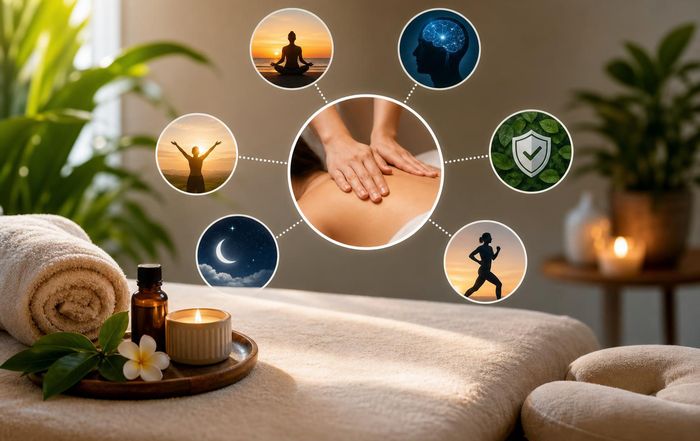
How Regular Massage Supports Wellness Goals
The Strategic Role of Massage in Modern Wellness
Massage therapy has moved decisively from the margins of alternative care into the center of serious wellness strategy for individuals, employers, and health systems worldwide. What was once perceived primarily as a luxury or occasional indulgence is now increasingly recognized as a clinically relevant, evidence-supported practice that can help people achieve sustainable wellness goals across health, fitness, mindfulness, beauty, and lifestyle. For healthy minded and fantastic individuals coming to WellNewTime and visitors to its dedicated long written sections on wellness, health, and lifestyle, this shift is not merely conceptual; it is shaping daily routines, corporate benefits programs, and long-term personal wellbeing plans in regions from North America and Europe to Asia-Pacific and beyond.
As global organizations such as the World Health Organization highlight the growing burden of chronic stress, musculoskeletal disorders, and mental health challenges, the integration of massage into comprehensive wellness frameworks has become more than a trend; it is a pragmatic response to complex, interrelated health pressures. Those who design wellness strategies-whether for themselves, their families, or their organizations-are increasingly asking not whether massage helps, but how to leverage it systematically, safely, and cost-effectively. In this context, WellNewTime positions regular massage not as an isolated service, but as a powerful tool aligned with broader goals that also include exercise, nutrition, mindfulness, and preventive healthcare.
Understanding Massage as a Clinical and Lifestyle Tool
Modern massage therapy is far more diverse and specialized than the generic image of a spa treatment might suggest. Techniques such as Swedish massage, deep tissue, sports massage, myofascial release, manual lymphatic drainage, and neuromuscular therapy are being applied in hospitals, rehabilitation centers, corporate wellness programs, and high-performance sports environments across the United States, Europe, and Asia. Institutions like the Mayo Clinic now provide educational resources that explain how massage can help manage pain, reduce stress, and support rehabilitation, reflecting a broader medical acceptance that would have been unthinkable two decades ago. Learn more about how mainstream healthcare systems describe massage and integrative care on the Mayo Clinic website.
For readers of WellNewTime, this evolution means that massage can be evaluated with the same seriousness as other health interventions, using criteria such as clinical evidence, practitioner qualifications, and alignment with personal goals. Instead of being viewed as a one-off escape, massage is increasingly incorporated into structured wellness plans that might also include strength training, yoga, mindfulness practice, and personalized nutrition. This integrated approach is particularly relevant for audiences in countries such as the United States, United Kingdom, Germany, Canada, Australia, and Singapore, where preventive health and employee wellbeing are rapidly gaining policy attention and investment.
The Physiology of Touch: Why Massage Matters for Health
To understand how regular massage supports wellness goals, it is necessary to consider the underlying physiology. Massage affects multiple systems simultaneously: the musculoskeletal system, the nervous system, the circulatory and lymphatic systems, and even the endocrine responses that regulate stress and recovery. Research summarized by organizations such as the National Center for Complementary and Integrative Health (NCCIH) indicates that massage can reduce levels of perceived pain, anxiety, and stress, while improving overall quality of life in a variety of populations. Readers interested in the evolving scientific basis can explore current perspectives through resources from NCCIH.
From a physiological standpoint, massage can help reduce muscle tension, improve circulation, and support lymphatic flow, which in turn may enhance tissue recovery and immune function. At the same time, massage stimulates the parasympathetic nervous system-the body's "rest and digest" mode-helping to counterbalance the chronic sympathetic activation that is associated with high stress, long working hours, and digital overload in modern economies. For professionals in major business hubs such as New York, London, Berlin, Toronto, Sydney, Singapore, and Tokyo, this shift toward parasympathetic dominance can be a critical factor in maintaining resilience and performance over the long term.
Massage, Stress, and Mental Wellbeing
Chronic stress remains one of the most significant threats to global health and productivity, contributing to cardiovascular disease, depression, anxiety disorders, and burnout across regions from North America and Europe to Asia and South America. Organizations like the American Psychological Association have consistently highlighted the economic and human costs of unmanaged stress in the workplace and at home. Those seeking to understand the broader psychological context can review current data and recommendations from the American Psychological Association.
Massage offers a direct, experiential intervention that can help to interrupt stress cycles and support emotional regulation. By promoting relaxation, reducing muscle tension, and encouraging deeper breathing, regular massage sessions can complement other evidence-based stress management practices such as meditation, cognitive behavioral strategies, and structured physical activity. For readers exploring mindfulness and mental resilience, the dedicated mindfulness section of WellNewTime provides additional context on how body-based practices like massage can be integrated with contemplative techniques to create a more stable and sustainable inner environment.
In 2026, there is also growing recognition of the importance of safe, therapeutic touch in a world where digital interaction often displaces physical connection. While massage is not a substitute for meaningful relationships, it can offer a structured, professional context for calming the nervous system, which is particularly relevant for individuals working remotely, living alone, or experiencing social isolation in large cities across Europe, Asia, and the Americas. When integrated thoughtfully into a broader mental wellness plan, massage becomes a practical, accessible tool for supporting emotional balance and psychological recovery.
Supporting Fitness, Recovery, and Performance
For many readers of WellNewTime, fitness is not just a hobby but a core component of identity and lifestyle, whether that involves endurance sports, strength training, yoga, Pilates, or functional movement. The global fitness industry, from boutique studios in New York and London to outdoor training communities in Stockholm, Seoul, and São Paulo, increasingly recognizes massage as a valuable ally in enhancing performance and reducing injury risk. Organizations such as the American College of Sports Medicine (ACSM) provide guidance on recovery strategies that often include massage as a complementary modality. Those wishing to explore the science of exercise recovery can review resources from ACSM.
Massage can contribute to improved range of motion, reduced delayed onset muscle soreness, and faster perceived recovery after intense training or competition. For amateur and professional athletes alike, regular sessions-whether weekly, biweekly, or monthly-can be strategically scheduled around training cycles, competitions, or travel to maintain optimal tissue quality and neuromuscular function. Readers who combine training with structured wellness planning can find further insights in the fitness section of WellNewTime, where massage is frequently discussed alongside strength, mobility, and cardiovascular conditioning.
In regions such as Germany, the Netherlands, Sweden, and Norway, where outdoor sports and active commuting are integral to daily life, massage is also being adopted as part of preventive care, helping individuals continue to move freely and confidently into later decades of life. This approach is equally relevant in fast-growing fitness markets such as China, South Korea, and Brazil, where younger populations are embracing performance-focused lifestyles and seeking evidence-based methods to extend their athletic prime while protecting long-term joint and muscle health.
Massage, Sleep, and Recovery in a 24/7 World
One of the less visible but highly consequential benefits of regular massage relates to sleep quality. In a world where late-night screen use, shift work, and global time zone collaboration disrupt natural circadian rhythms, high-quality sleep has become a strategic asset for health, productivity, and emotional stability. Research summarized by organizations such as the Sleep Foundation suggests that relaxation practices, including massage, can support better sleep onset and continuity, particularly in individuals experiencing stress or chronic pain. Readers can deepen their understanding of sleep and recovery at the Sleep Foundation website.
Massage contributes to sleep quality through several mechanisms: reduction of muscle tension, activation of the parasympathetic nervous system, and modulation of stress hormones such as cortisol. When integrated into an evening routine, even occasional massage can help signal to the body that it is safe to transition from activity to rest. For frequent travelers-particularly those flying between North America, Europe, and Asia-massage can also support adaptation to new time zones, reduce the physical strain of long flights, and ease the nervous system after intense work or conference schedules. Readers who combine travel with wellness goals may find it helpful to explore the travel section of WellNewTime, where destination spas, wellness retreats, and recovery-focused travel strategies are regularly discussed.
In business cultures that prize constant availability, particularly in financial centers such as New York, London, Hong Kong, and Singapore, recognizing the link between massage, sleep, and cognitive performance is increasingly viewed as a competitive advantage. High-performing professionals who schedule regular massage as part of their recovery plan often report not only physical relief but also clearer thinking, better decision-making, and more stable mood-factors that directly influence leadership effectiveness and long-term career sustainability.
Beauty, Skin Health, and the Aesthetics of Wellbeing
While wellness is fundamentally about health and function, the aesthetic dimension of wellbeing remains important for many readers, particularly in markets such as France, Italy, Spain, South Korea, and Japan, where skincare and beauty rituals are deeply embedded in cultural life. Facial massage, lymphatic drainage, and body contouring techniques are increasingly offered in dermatology clinics, medical spas, and high-end beauty studios, aligning beauty goals with evidence-informed therapeutic touch. Organizations like the American Academy of Dermatology provide guidance on skin health and the role of gentle massage techniques in supporting circulation and product absorption. Those interested in the intersection of dermatology and wellness can consult the American Academy of Dermatology.
For WellNewTime, which explores the connection between inner and outer wellbeing in its beauty section, massage is presented not as a quick fix but as part of a holistic approach that includes nutrition, hydration, sun protection, and stress management. Facial massage can support lymphatic flow, potentially reducing puffiness and enhancing the appearance of vitality, while body massage can improve skin tone and texture over time through increased circulation and mindful touch. In markets such as the United States, United Kingdom, Canada, and Australia, where consumers are increasingly skeptical of extreme interventions, the appeal of massage lies in its combination of sensory pleasure, relaxation, and gentle support for skin health.
This aesthetic dimension also intersects with self-image and confidence, particularly for professionals in public-facing roles, creative industries, and leadership positions. When individuals feel more at ease in their bodies and more aligned with their appearance, they often report higher levels of social confidence, presence, and authenticity, which in turn can influence career opportunities and personal relationships across global cities from Los Angeles and Toronto to Paris, Berlin, and Singapore.
Massage in Corporate and Occupational Wellness
In 2026, corporate wellness is undergoing a profound transformation as organizations across North America, Europe, and Asia seek to address burnout, retention challenges, and rising healthcare costs. Massage has become a recognized component of many employee wellbeing programs, ranging from on-site chair massage in offices to subsidized sessions in clinics or wellness centers. Employers increasingly view massage not as a perk but as a targeted intervention to reduce musculoskeletal complaints, alleviate stress, and enhance engagement. To understand the broader context of workplace health, readers can review resources from the World Economic Forum, which regularly analyzes the economic impact of wellbeing on productivity and growth on its World Economic Forum platform.
For WellNewTime readers responsible for designing or evaluating corporate wellness strategies, massage offers a flexible, scalable option that can be tailored to different cultures and work environments. In technology hubs like San Francisco, Seattle, London, Berlin, Stockholm, and Tel Aviv, on-site massage is often integrated with ergonomic assessments, mindfulness training, and fitness programs, creating a multi-layered approach to occupational health. Meanwhile, in service industries, logistics, and healthcare, massage can help address repetitive strain, back pain, and stress-related tension that, if unmanaged, contribute to absenteeism and disability claims.
Organizations that prioritize employee wellbeing are also increasingly aware of the reputational and employer branding benefits of visible, credible wellness initiatives. For brands wishing to position themselves as leaders in humane, high-performance work culture, massage can be one of several tangible signals that the organization invests in the physical and emotional resilience of its people. Readers interested in the business dimension of wellness can explore further insights in the business section of WellNewTime, where corporate case studies and strategic perspectives are regularly examined.
Integrating Massage into a Personal Wellness Strategy
The true value of massage emerges when it is integrated thoughtfully into a broader personal wellness strategy rather than treated as an isolated experience. For individuals across continents-from busy executives in New York and London to entrepreneurs in Berlin and Singapore, creatives in Paris and Melbourne, and remote professionals in Cape Town and São Paulo-the key question is how to align massage with concrete goals in health, fitness, mindfulness, and lifestyle. This alignment involves clarifying what one is trying to achieve: pain reduction, stress management, athletic performance, improved sleep, enhanced focus, or a combination of several outcomes.
From an expert perspective, a strategic approach begins with an honest assessment of baseline health, workload, and recovery capacity, ideally in consultation with qualified healthcare professionals. Resources from organizations such as the Cleveland Clinic provide accessible overviews of how massage interacts with different conditions and when medical advice is essential, which readers can explore through the Cleveland Clinic website. Once goals and constraints are clear, frequency and type of massage can be calibrated: athletes might opt for sports or deep tissue work around training cycles, while individuals focused on stress reduction may prioritize gentler modalities, longer sessions, or integration with breathing and mindfulness practices.
For guidance on building a coherent wellness framework that includes massage, visitors to WellNewTime can explore the platform's main wellness hub, where massage is discussed alongside nutrition, movement, and mental health. The dedicated massage page offers more focused insights on techniques, regional practices, and practical considerations, helping readers in diverse countries-from the United States, Canada, and the United Kingdom to Sweden, Denmark, Japan, and New Zealand-translate general principles into context-specific routines that reflect local availability, cultural norms, and personal preferences.
Safety, Credentials, and Trust in a Global Market
As massage becomes more mainstream and demand rises across regions including Europe, Asia, Africa, and the Americas, questions of safety, professional standards, and trustworthiness become increasingly important. Not all practitioners are equally trained, and regulatory frameworks vary widely between countries and even between states or provinces. To protect their wellbeing and achieve reliable outcomes, individuals and organizations must pay close attention to credentials, scope of practice, and ethical standards. In markets such as the United States, professional bodies like the National Certification Board for Therapeutic Massage & Bodywork (NCBTMB) contribute to standard setting and practitioner certification, and their role can be better understood by visiting the NCBTMB website.
For readers of WellNewTime, especially those booking massage while traveling or exploring new wellness destinations, due diligence is essential. This includes verifying qualifications, understanding local regulations, and being clear about personal boundaries and health conditions. Trusted health information platforms such as MedlinePlus, operated by the U.S. National Library of Medicine, provide balanced overviews of massage benefits and risks, which can be reviewed on MedlinePlus. By combining such objective information with the curated insights offered on WellNewTime's health section, readers can make informed decisions that respect both their aspirations and their safety.
Trust also extends to how massage is marketed and framed. In an era where wellness claims are often exaggerated, reputable providers and platforms emphasize realistic expectations, transparency about evidence, and clear communication about what massage can and cannot do. This emphasis on Experience, Expertise, Authoritativeness, and Trustworthiness aligns closely with WellNewTime's editorial philosophy, which prioritizes rigorous, responsible guidance for an international audience spanning North America, Europe, Asia-Pacific, Africa, and South America.
The Future of Massage in a Connected Wellness Ecosystem
Massage is poised to become even more deeply woven into connected wellness ecosystems that leverage digital tools, data, and interdisciplinary collaboration. Innovations such as app-based booking platforms, integrated health records, and wearable devices that track stress, sleep, and recovery are enabling individuals and practitioners to coordinate massage with other interventions in more sophisticated ways. For example, data from heart rate variability monitors or sleep trackers may help determine optimal timing for massage sessions or highlight when additional support is needed. To understand how digital health is reshaping care models, readers can explore analyses from the World Health Organization on digital health transformation via the WHO digital health pages.
For WellNewTime, which covers emerging trends in its always up-to-date, and totally original innovation section, this convergence of hands-on therapy and digital insight represents a powerful opportunity. It allows massage to be not only a source of comfort and relaxation but also a measurable component of performance and health optimization. As cross-border collaboration increases and best practices are shared between clinics in the United States, United Kingdom, Germany, Sweden, Singapore, Japan, South Korea, and beyond, global standards are likely to rise, benefiting consumers everywhere.
At the same time, the human essence of massage-skilled, attentive touch delivered in a safe, respectful environment-remains irreplaceable, even as technology advances. In a world characterized by rapid change, information overload, and constant connectivity, the simple act of lying still and receiving expert care becomes a profound counterbalance. By integrating regular massage into thoughtfully designed wellness strategies, individuals and organizations across continents can cultivate resilience, clarity, and vitality, aligning daily life with long-term goals for health, performance, and fulfillment. For readers seeking to translate these insights into action, WellNewTime and its big perspective on wellness, massage, and holistic living offer an evolving guide to making massage a meaningful, trusted ally on the journey to sustained wellbeing.
We’re honored to be part of your daily wellness news reading. Subscribe and return soon for more original articles created with care for an informed and connected global kind audience.