

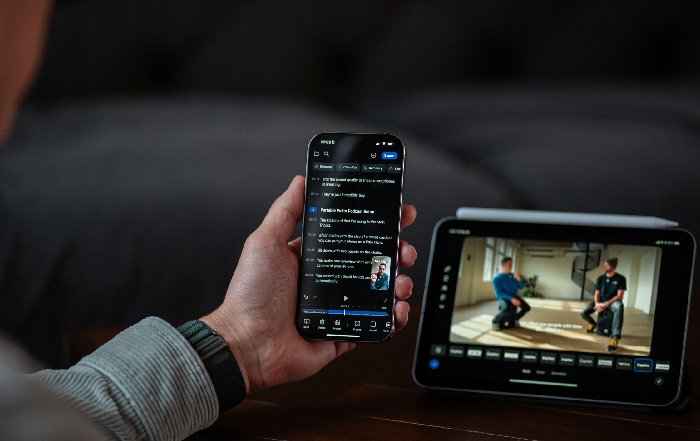
Tech Innovations Making Fitness More Accessible
The New Accessibility Imperative in Global Fitness
The global fitness landscape has shifted from an industry focused primarily on performance and aesthetics to one that is increasingly defined by accessibility, inclusion and holistic wellbeing. Across North America, Europe, Asia and emerging markets in Africa and South America, individuals are demanding fitness experiences that fit their bodies, their schedules, their budgets and their cultural contexts, while organizations are under growing pressure to support employee health and resilience as a core business priority rather than a discretionary perk. Within this evolving context, WellNewTime positions itself as a guide for readers who want to understand not only what is changing, but how to navigate these changes in ways that are sustainable and personally meaningful.
The convergence of mobile technologies, artificial intelligence, connected wearables and immersive digital environments has created a fundamentally new accessibility paradigm. People who once felt excluded from traditional gyms-whether due to disability, chronic health conditions, financial constraints, geographic isolation or simple discomfort with conventional fitness culture-now have unprecedented opportunities to participate. As global institutions such as the World Health Organization emphasize the importance of physical activity for preventing noncommunicable diseases, readers seeking practical pathways to healthier lives can explore broader health perspectives and see how technology is being harnessed to close long-standing gaps in access.
From Elite Gyms to Everyday Devices
Historically, access to structured fitness programs was concentrated in urban centers and higher-income communities, where premium gyms, boutique studios and personal trainers were readily available. By contrast, rural populations, shift workers, caregivers and individuals with limited disposable income often had to rely on improvised routines, public spaces or no structured exercise at all. The rapid spread of smartphones, high-speed internet and cloud services has dramatically changed this distribution, enabling fitness services to be delivered through everyday devices at a fraction of the previous cost.
Industry research from organizations such as McKinsey & Company and Deloitte has documented the rise of the global wellness economy, highlighting how digital fitness platforms have become a core growth driver. Readers who follow market dynamics on WellNewTime's business insights page can see how investment capital, startup innovation and corporate strategy are converging around accessible fitness solutions. At the same time, public health agencies including the U.S. Centers for Disease Control and Prevention and Public Health England have leveraged digital tools to disseminate physical activity guidelines, demonstrating that technology can support both individual and population-level change.
In this environment, the smartphone is no longer just a communication device; it is a portable fitness studio, biometric lab and coaching platform. The combination of low-cost sensors, cloud-based analytics and increasingly intuitive user interfaces has allowed fitness services to reach users in the United States, the United Kingdom, Germany, Canada, Australia and far beyond, including rapidly digitizing markets in Brazil, South Africa, India and Southeast Asia. For readers of WellNewTime, this means that fitness is no longer something that happens only in a specialized facility; it is an integrated component of daily life, reinforced by digital experiences that can be personalized, adaptive and inclusive.
AI-Powered Personalization and Adaptive Coaching
One of the most significant developments in making fitness more accessible is the maturation of artificial intelligence as a tool for individualized coaching. Early fitness apps provided static workout plans and generic advice, but in 2026, AI systems can analyze movement patterns, heart rate variability, sleep quality and self-reported mood to generate dynamic training programs that evolve as the user progresses or encounters setbacks. This level of personalization is especially valuable for people with limited experience, those returning from injury and individuals managing chronic conditions who must balance ambition with safety.
Major technology companies such as Apple, Google and Samsung have integrated advanced health and fitness features directly into their ecosystems, while specialized platforms have emerged to serve specific populations, from older adults to people with disabilities. Interested readers can review how global guidelines on physical activity are being interpreted through digital tools by visiting resources like the World Health Organization's physical activity recommendations at https://www.who.int. AI-driven coaching engines now factor in not only age, weight and baseline fitness level, but also cultural preferences, language, local climate and even air quality data, ensuring that recommendations are contextually appropriate for users in cities from London and Berlin to Singapore, Seoul and São Paulo.
For WellNewTime readers who are already exploring fitness-focused content, the practical implication is clear: AI is reducing the cognitive load of planning, tracking and adjusting fitness routines. Instead of manually designing workouts, individuals can rely on systems that respond to real-time performance metrics and subjective feedback, offering modifications, rest suggestions and motivational prompts. This approach supports consistency, which is often the most critical factor in long-term success, and it can be particularly empowering for those who have previously felt overwhelmed by complex exercise science or intimidated by gym culture.
Wearables, Biosensors and Real-Time Insight
Parallel to advances in AI coaching, wearable technology has undergone a transformation from basic step counters to sophisticated biosensing platforms. Devices from companies such as Garmin, Fitbit, Oura and Whoop now measure heart rate, heart rate variability, respiratory rate, skin temperature and sleep stages, while some smartwatches offer electrocardiogram functions and blood oxygen monitoring. These capabilities, once confined to clinical environments, are now available on consumer devices worn on wrists, fingers or clothing.
This explosion of data has raised legitimate concerns about privacy and security, which organizations like the Electronic Frontier Foundation and national data protection authorities continue to scrutinize. Readers who prioritize digital trust can review best practices from institutions such as the National Institute of Standards and Technology at https://www.nist.gov, which provides guidance on secure handling of health-related data. For accessibility, however, the key benefit of wearables lies in their ability to provide immediate, understandable feedback that helps people make better decisions about intensity, recovery and overall lifestyle.
For individuals in demanding professions, from healthcare workers in Canada and Germany to logistics employees in the United States and manufacturing staff in China, wearables can flag signs of overtraining, sleep deprivation or elevated stress before they manifest as injury or burnout. When integrated with corporate wellness platforms, they can also inform organizational strategies for shift scheduling, break policies and workload balancing. WellNewTime's wellness coverage at https://www.wellnewtime.com/wellness.html often underscores that sustainable performance requires alignment between personal data, self-awareness and supportive workplace cultures, and wearables are rapidly becoming the bridge that connects these elements.
Hybrid Fitness Ecosystems: Blending Physical and Digital
The pandemic years accelerated the adoption of virtual fitness solutions, but by 2026 the industry has moved beyond a simple dichotomy between "online" and "in-person" training. Instead, hybrid ecosystems have emerged in which physical gyms, home equipment, mobile apps and streaming platforms are tightly integrated. Global brands such as Peloton, Les Mills and Technogym have refined their offerings to support flexible participation, allowing users to move seamlessly between studio classes, at-home sessions and mobile workouts depending on their schedules and preferences.
In major metropolitan areas, fitness clubs are increasingly positioning themselves as experience hubs rather than the sole locus of training, providing specialized equipment, social interaction and expert coaching that complements digital services. At the same time, smaller studios and independent trainers are leveraging platforms like YouTube and Zoom to reach clients across borders, bringing specialized modalities-from yoga and Pilates to martial arts and dance-to audiences in France, Italy, Spain, the Netherlands, Sweden and beyond. Those interested in how these hybrid models intersect with broader lifestyle trends can explore WellNewTime's lifestyle coverage, which often highlights the interplay between physical spaces, digital experiences and daily routines.
Hybrid ecosystems are particularly powerful from an accessibility standpoint because they reduce reliance on any single mode of participation. A working parent in the United Kingdom may attend a weekly in-person strength class for social support while relying on short, app-guided sessions at home on other days. A shift worker in South Korea may use recorded classes at off-peak hours that would be impractical for live attendance. A retiree in New Zealand might combine gentle outdoor walks with virtual balance and mobility classes designed specifically for older adults. This flexibility ensures that fitness can adapt to life circumstances rather than requiring individuals to reorganize their lives around fixed schedules and locations.
Immersive and Gamified Experiences: Motivation Through Engagement
Another major driver of accessibility is the rise of immersive and gamified fitness experiences that transform exercise from a chore into an engaging activity. Virtual reality platforms such as Meta Quest and HTC Vive have enabled developers to create interactive workouts that blend gaming mechanics with physical movement, allowing users to box, dance, climb or cycle through fantastical environments. These experiences can be particularly appealing to individuals who have negative associations with traditional gym environments or who struggle with motivation.
Evidence from behavioral science, including research published by organizations like the American Psychological Association, suggests that intrinsic motivation and enjoyment are critical predictors of long-term adherence to physical activity. By incorporating elements such as points, levels, narrative progression and social competition, gamified fitness tools help users build positive emotional connections with movement. Readers who want to understand the psychological underpinnings of habit formation can visit reputable resources such as Harvard Health Publishing at https://www.health.harvard.edu, which provides accessible explanations of how reward systems influence behavior.
For the WellNewTime audience, which spans wellness, mindfulness and innovation, the intersection of gaming and movement also raises important questions about balance. While immersive experiences can lower barriers for beginners and make workouts more enjoyable, they must be integrated thoughtfully with real-world activity, outdoor time and mindful practices. The platform's mindfulness section frequently emphasizes the importance of presence and self-awareness, reminding readers that technology should enhance, not replace, the embodied experience of movement and the restorative power of nature.
Inclusive Design and Accessibility for All Bodies
Technological innovation alone does not guarantee accessibility; the design philosophy behind these tools is equally important. In recent years, there has been a growing recognition that fitness products and services must be inclusive of people with disabilities, chronic illnesses, larger bodies and diverse cultural backgrounds. Organizations such as Special Olympics, Paralympics committees and disability advocacy groups have collaborated with technology companies to create adaptive training programs, accessible interfaces and inclusive imagery that reflect a wider range of bodies and abilities.
Voice-controlled interfaces, adjustable font sizes, high-contrast modes and simplified navigation are now standard features on leading fitness apps, improving usability for older adults and individuals with visual or motor impairments. Some platforms offer adaptive exercise libraries that demonstrate modifications for wheelchair users, people with limited mobility or those recovering from surgery. Readers who want to understand the global policy framework behind such efforts can consult resources from the United Nations at https://www.un.org, which outline commitments to disability inclusion and equitable access to health-promoting services.
For WellNewTime, making fitness more accessible also means addressing the psychological and cultural barriers that have historically excluded many individuals from wellness spaces. Coverage in the beauty and wellness sections frequently explores body image, representation and the impact of media narratives on self-perception. When fitness technologies feature diverse instructors, avoid stigmatizing language and prioritize functional goals such as strength, mobility and energy over narrow aesthetic ideals, they create safer spaces for people who have previously felt judged or unwelcome. This shift is particularly significant for communities in countries like the United States, the United Kingdom and Australia, where weight stigma and appearance-focused marketing have long dominated the fitness conversation.
Corporate Wellness, Jobs and the Future of Work
As businesses confront the realities of hybrid work, talent competition and rising burnout, corporate wellness strategies have become central to organizational resilience. Employers across sectors-from finance and technology to manufacturing and healthcare-are investing in digital fitness platforms, on-demand classes and subsidized wearables to support employee wellbeing. Global consulting firms such as PwC and EY have documented how such initiatives can reduce absenteeism, improve engagement and enhance employer brand, especially among younger workers who expect holistic support from their organizations.
For professionals navigating career decisions, the integration of accessible fitness into workplace culture is increasingly a factor when evaluating job offers or considering relocation. The jobs section of WellNewTime often highlights roles in health technology, wellness program management and digital coaching, reflecting the growing intersection between employment and wellbeing. In markets such as Germany, the Netherlands and the Nordic countries, where public health systems and labor regulations already emphasize work-life balance, corporate fitness offerings are extending the reach of national policies into the daily lives of employees.
From an accessibility perspective, corporate programs that rely on digital platforms can reach remote workers, part-time staff and global teams more effectively than traditional on-site gyms. Employees in Singapore, India or South Africa can participate in the same virtual challenges and coaching programs as colleagues in New York or London, fostering a sense of shared culture and inclusion. When designed thoughtfully, these initiatives also accommodate different time zones, cultural norms and fitness levels, ensuring that participation does not become yet another source of pressure or exclusion.
Sustainability, Environment and the Ethics of Tech-Driven Fitness
As fitness becomes increasingly mediated by technology, questions about environmental impact and ethical responsibility are moving to the forefront. The production of wearables, connected equipment and data centers consumes resources and generates emissions, prompting scrutiny from environmental organizations and regulators. Readers concerned with the broader ecological implications can learn more about sustainable business practices from the United Nations Environment Programme, which provides frameworks for evaluating the lifecycle impacts of consumer technologies.
At the same time, digital fitness can contribute positively to environmental goals by reducing the need for commuting to gyms, enabling outdoor exercise and encouraging active transportation such as walking and cycling. Urban planning initiatives in cities across Europe and Asia are integrating bike lanes, green corridors and pedestrian zones with digital navigation and tracking tools, allowing residents to incorporate movement into daily routines while reducing reliance on cars. WellNewTime's environment section at https://www.wellnewtime.com/environment.html often explores how personal health and planetary health are intertwined, emphasizing that accessible fitness should align with broader sustainability objectives.
Ethically, the collection and use of health data must be governed by transparent policies, informed consent and robust security. Regulatory frameworks such as the European Union's General Data Protection Regulation and emerging standards in regions like Asia-Pacific and North America are shaping how companies design their platforms and communicate with users. Trust is a central theme for WellNewTime, and readers are encouraged to evaluate not only the features of fitness technologies but also the governance structures, accountability mechanisms and corporate cultures behind them.
Global Perspectives and Cultural Adaptation
While technology can be deployed globally, fitness practices remain deeply influenced by local cultures, traditions and socioeconomic realities. In Japan and South Korea, for example, high-density urban living and long working hours have spurred demand for micro-workouts and transit-friendly movement routines supported by mobile apps. In Scandinavia, outdoor activity and nature immersion are integral to national identity, leading to digital tools that emphasize trail navigation, weather integration and seasonal sports. In Brazil and South Africa, community-based movement traditions such as dance and group sports are being reimagined through social fitness platforms that blend local rhythms with global connectivity.
For readers across continents, WellNewTime serves as a bridge between these diverse approaches, highlighting innovations that respect cultural context while leveraging the best of global technology. The platform's world news coverage frequently showcases how different countries are experimenting with policy frameworks, public-private partnerships and grassroots initiatives to make fitness more inclusive. From government-sponsored fitness apps in Singapore to corporate-community collaborations in Canada and the United States, the common thread is a recognition that accessibility requires both technological infrastructure and cultural sensitivity.
Travelers, too, are benefiting from this convergence. With location-aware fitness apps, language-adapted interfaces and region-specific recommendations, individuals can maintain their routines while exploring new cities or working abroad. The travel section of WellNewTime often features destinations that support active lifestyles through walkability, cycling infrastructure and wellness-focused hospitality, demonstrating that fitness accessibility is increasingly a criterion for tourism and relocation decisions.
The Role of Media Platforms like WellNewTime
As the fitness ecosystem grows more complex, with overlapping technologies, business models and regulatory frameworks, individuals and organizations need trusted intermediaries to help them make informed choices. WellNewTime positions itself at this intersection of wellness, business, technology and lifestyle, curating insights that emphasize experience, expertise, authoritativeness and trustworthiness. By connecting readers to evidence-based resources, expert commentary and real-world case studies, the platform enables more confident decisions about which tools to adopt, how to integrate them into daily life and how to evaluate their long-term impact.
Innovation is a recurring theme across the site, and the innovation section regularly examines emerging technologies such as advanced biosensors, AI-driven rehabilitation tools and adaptive equipment for people with disabilities. At the same time, the homepage at https://www.wellnewtime.com/ anchors these developments within a broader narrative of holistic wellbeing that encompasses massage, beauty, mental health, environment and global trends. This integrated perspective is essential in 2026, when fitness can no longer be understood in isolation from stress management, sleep, nutrition, social connection and purpose.
For businesses, policymakers and individuals alike, platforms with a clear editorial mission and rigorous standards play a crucial role in filtering hype from substance. By prioritizing transparency, diversity of perspectives and alignment with reputable institutions such as the World Health Organization, Harvard Medical School and national health agencies, WellNewTime contributes to a more informed and empowered global audience.
A More Inclusive, Connected Fitness Future
The trajectory of tech-enabled fitness these days points toward a future in which movement is more deeply embedded in everyday life, supported by intelligent systems that adapt to individual needs and circumstances. As AI becomes more sophisticated, wearables more discreet, and hybrid ecosystems more seamless, the potential to reach populations that have historically been underserved-from rural communities in Africa and South America to older adults in Europe and Asia-continues to expand. Yet this potential will only be realized if accessibility remains a central design principle rather than a peripheral consideration.
For readers of WellNewTime, the key takeaway is that technology is a powerful enabler but not a substitute for human judgment, community support and self-knowledge. The most effective use of these innovations involves aligning them with personal values, health goals and lifestyle realities, while remaining attentive to issues of privacy, sustainability and equity. Whether one is exploring new fitness routines, designing corporate wellness programs, evaluating brands or considering career opportunities in the wellness sector, the core question remains the same: does this technology make it easier for more people to move, feel better and participate fully in life?
By continuing to track developments across wellness, fitness, business, environment and innovation, WellNewTime aims to support readers in answering that question with clarity and confidence, helping them navigate a rapidly evolving landscape where accessibility is not a trend, but a fundamental expectation of what modern fitness should be.