

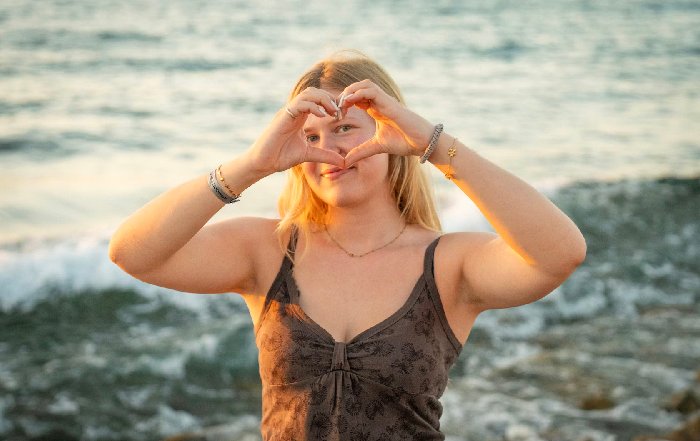
Female Founders Championing Green Wellness in Europe
The Rise of Green Wellness and the Role of Female Leadership
The convergence of sustainability and wellbeing has moved from a niche conversation to a defining force in the European economy, reshaping how individuals live, work, travel, and care for themselves, and within this transformation, female founders have emerged as some of the most influential architects of a new, greener wellness paradigm that resonates strongly with the global awesome audience of WellNewTime. Across Europe, from the Nordics to Southern Europe and from the United Kingdom to Central and Eastern Europe, women-led ventures are demonstrating that wellness can be both deeply personal and profoundly planetary, proving that it is possible to care for the body and mind while simultaneously protecting ecosystems, communities, and future generations.
This green wellness movement is unfolding against a backdrop of heightened climate awareness, shifting consumer expectations, and rapid regulatory change, with initiatives such as the European Green Deal and evolving sustainability standards pushing companies to embrace lower-carbon, circular, and socially responsible business models. As major institutions including the World Health Organization highlight the inextricable links between environmental health and human health, and as leading policy bodies such as the European Environment Agency continue to document the impact of pollution, climate change, and biodiversity loss on wellbeing, female founders are stepping into the space between science, policy, and everyday life to design businesses that align personal wellness with planetary limits.
For WellNewTime, whose readers follow developments in wellness, health, business, environment, and lifestyle, the rise of female-led green wellness companies in Europe offers a compelling lens through which to understand where the global wellness economy is heading and how values-driven entrepreneurship can redefine success in a time of ecological urgency.
Redefining Wellness: From Self-Care to Systems-Care
Traditional notions of wellness often focused on individual optimisation, emphasising physical fitness, beauty, and stress reduction, yet frequently overlooking the broader environmental and social context in which products and services were produced. In contrast, the new wave of European female founders is reframing wellness as a system that connects personal health with the health of communities and ecosystems, adopting an integrated approach that aligns with emerging frameworks such as the Doughnut Economics model championed by Kate Raworth and discussed by institutions like the Stockholm Resilience Centre, which argue that human flourishing must remain within planetary boundaries.
In practice, this means that green wellness ventures led by women are paying attention not only to ingredients, packaging, and carbon footprints, but also to labour conditions, supply-chain transparency, and the psychological impact of their offerings. Consumers in the United Kingdom, Germany, France, the Netherlands, and the Nordics, where environmental awareness is particularly high, are increasingly demanding products that are organic, cruelty-free, and low-impact, while also expecting brands to be authentic and accountable. Research by organisations like the Global Wellness Institute has underscored the rapid growth of wellness tourism, sustainable beauty, and fitness technologies, and female founders are leveraging these trends to build companies that make climate-conscious choices intuitive and aspirational rather than restrictive.
This shift from self-care to systems-care is particularly evident in the way European female founders communicate their mission and values, often emphasising transparency, education, and community-building. Many of these leaders are using digital platforms, podcasts, and online communities to explain complex topics such as regenerative agriculture, circular design, or low-toxicity formulations in accessible language, helping consumers in markets from Spain and Italy to Sweden and Denmark understand how everyday wellness decisions can either reinforce or disrupt environmentally harmful patterns. As readers of WellNewTime explore areas such as mindfulness, fitness, and innovation, they are likely to encounter this evolving narrative that situates personal wellbeing as part of a larger, interconnected system.
Pioneering Sustainable Beauty and Personal Care
One of the most visible arenas where female founders are championing green wellness is the European beauty and personal care sector, which has seen a surge of women-led brands that prioritise clean formulations, ethical sourcing, and circular packaging. Across Europe, entrepreneurs are challenging the legacy of synthetic-heavy cosmetics and opaque supply chains, designing products that cater to increasingly informed consumers who demand evidence-based claims and verifiable sustainability credentials. Many of these brands draw inspiration from traditional herbal knowledge, Mediterranean botanicals, Nordic purity standards, or French and Italian spa cultures, blending heritage with modern scientific research.
Female-led companies in the United Kingdom, Germany, France, and Scandinavia are at the forefront of this transformation, often aligning with independent certifications such as COSMOS Organic, Ecocert, and B Corp to give customers credible assurance that their products meet rigorous environmental and social standards. As organisations like the European Chemicals Agency continue to regulate potentially harmful substances and encourage safer alternatives, these founders are investing in green chemistry, biodegradable ingredients, and refillable or recyclable packaging solutions. Learn more about sustainable cosmetic standards through resources offered by the European Commission on chemicals and consumer safety, which help set the context within which these entrepreneurs operate.
For the audience of WellNewTime, who follow trends in beauty, wellness, and conscious consumption, European female founders are demonstrating that luxury and sustainability are not mutually exclusive, showing that high-performance skincare, haircare, and bodycare can be delivered without compromising environmental integrity. Many of these brands actively educate customers on topics such as microplastics, endocrine disruptors, and the carbon footprint of beauty routines, often providing lifecycle information and encouraging slower, more intentional consumption patterns that align with broader environmental goals in markets from the United States and Canada to Asia-Pacific regions like Japan and South Korea.
Green Spas, Massage, and Regenerative Retreats
Beyond products, female founders are transforming the experiential side of wellness through green spas, massage studios, and regenerative retreats that prioritise low-impact operations and deep connection to nature. In countries such as Germany, Austria, Switzerland, and the Nordic region, hospitality and spa traditions are being reimagined by women entrepreneurs who integrate renewable energy, water conservation, and biophilic design into their facilities, while also curating treatments that use locally sourced, organic ingredients and support regional communities. These leaders are responding to a growing demand for restorative experiences that address burnout, digital overload, and climate anxiety, while remaining mindful of the environmental footprint of travel and hospitality.
Wellness tourism has been identified by the World Tourism Organization and the OECD as a rapidly expanding segment, and female founders in Europe are using this momentum to build destinations that embody regenerative principles, going beyond "do no harm" to actively restore landscapes and support biodiversity. In countries like Italy, Spain, Portugal, and Greece, women-led retreats are partnering with organic farms, reforestation initiatives, and marine conservation projects, offering guests a chance to engage with local ecosystems while participating in yoga, mindfulness, massage, and holistic therapies. These experiences resonate strongly with readers who explore travel and wellness content on WellNewTime, particularly those from North America, Asia, and Australia who are seeking meaningful, low-impact journeys.
Within urban centres such as London, Berlin, Paris, Amsterdam, and Copenhagen, female founders are also innovating in boutique massage and bodywork studios that emphasise sustainable interiors, plant-based oils, and inclusive practices. Many of these businesses prioritise fair working conditions for therapists, transparent pricing, and community engagement, aligning with the broader shift toward ethical, socially conscious wellness. For individuals exploring massage and restorative therapies, these spaces demonstrate how physical relaxation can be combined with environmental awareness and social responsibility, offering a more holistic definition of what it means to feel well in a rapidly changing world.
Wellness Tech, Data, and Low-Carbon Innovation
Technology has become a powerful enabler of green wellness, and female founders in Europe are increasingly at the forefront of digital platforms and hardware solutions that help individuals track, improve, and decarbonise their wellbeing routines. From climate-smart fitness apps to telehealth platforms that reduce the need for travel, women-led ventures are using data and digital tools to optimise both personal health outcomes and environmental impact. In innovation hubs such as Berlin, Stockholm, London, Paris, and Barcelona, female entrepreneurs are building companies that integrate wearables, AI-driven coaching, and behavioural science with sustainability metrics, enabling users to understand how their daily choices affect their carbon footprint as well as their physical and mental health.
Reports from organisations such as McKinsey & Company and the World Economic Forum have highlighted the growth of digital health and wellness technologies, and within this landscape, European women founders are distinguishing their ventures by embedding climate considerations and ethical data practices into their core design principles. Some platforms allow users to choose low-impact workouts based on local weather and air quality data, drawing on resources like the European Environment Agency's air pollution reports, while others encourage active transportation and outdoor exercise in green spaces, aligning with public health guidance from bodies such as Public Health England (now part of the UK Health Security Agency) and similar agencies across Europe.
For WellNewTime readers interested in innovation, fitness, and digital wellbeing, these female-led ventures illustrate how technology can be harnessed not only to optimise performance and productivity but also to support more sustainable lifestyles. Importantly, many of these founders are vocal about ethical AI, data privacy, and inclusivity, ensuring that the benefits of wellness technology are accessible across different age groups, income levels, and regions, from urban professionals in Singapore and Dubai to remote workers in rural France or Northern Finland. By building transparent, user-centric platforms, they reinforce trust and long-term engagement, which are critical for both health outcomes and climate-positive behaviour change.
Conscious Brands and Authentic Storytelling
The credibility of green wellness brands increasingly depends on the authenticity of their storytelling and the robustness of their impact claims, and female founders across Europe are proving particularly adept at building narratives that resonate with discerning consumers without resorting to superficial greenwashing. In markets such as the United Kingdom, Germany, and the Netherlands, where regulatory scrutiny and consumer awareness are high, women-led brands are investing in measurable impact frameworks, life-cycle assessments, and third-party verifications to substantiate their environmental and social commitments. Organisations like the Ellen MacArthur Foundation have helped popularise concepts such as the circular economy, and many female founders draw on these frameworks to design products and services that minimise waste, extend product life, and encourage reuse.
For readers following brands and ethical business stories on WellNewTime, the communication strategies of these founders are instructive, as they often prioritise transparency over perfection, openly sharing both progress and challenges. Many publish annual impact reports, disclose supplier lists, and engage in dialogue with their communities on social media and dedicated forums, creating a sense of shared journey rather than top-down messaging. This approach aligns with broader trends documented by institutions such as Harvard Business School and INSEAD, which highlight how purpose-driven brands can build stronger customer loyalty and employee engagement when they operate with clarity and consistency.
The emphasis on authentic storytelling is particularly relevant in a global context that includes North America, Asia, and Africa, where consumers are increasingly sceptical of unverified sustainability claims. Female founders in Europe are responding by collaborating with environmental NGOs, academic institutions, and independent laboratories to validate their ingredients, packaging choices, and carbon reduction strategies, often drawing on research from bodies like the Intergovernmental Panel on Climate Change (IPCC) to contextualise their decisions. This combination of narrative and evidence strengthens their authoritativeness, positioning them as trusted voices in the rapidly evolving green wellness landscape.
Employment, Skills, and the Future of Green Wellness Jobs
As the green wellness sector expands, it is also reshaping the labour market, creating new roles and career paths that combine health, sustainability, and innovation. Female founders are not only building companies; they are designing organisational cultures and training programmes that prioritise diversity, inclusion, and continuous learning, recognising that the transition to a low-carbon, wellbeing-centred economy requires new skill sets and interdisciplinary collaboration. In countries such as Germany, Sweden, and Denmark, where green jobs are a policy priority, women-led wellness ventures are partnering with vocational schools, universities, and professional associations to develop curricula that integrate environmental science, nutrition, mental health, and digital literacy.
For professionals exploring opportunities through platforms like jobs on WellNewTime, the emergence of roles such as sustainability-focused spa managers, eco-conscious product developers, climate-informed health coaches, and regenerative tourism designers signals a shift in how careers in wellness are defined and valued. International organisations like the International Labour Organization and the OECD have noted the potential of green sectors to create resilient, future-proof employment, and the wellness industry is increasingly part of this conversation, particularly in Europe where policy frameworks support green skills and entrepreneurship.
Female founders are also paying close attention to workplace wellbeing within their own companies, implementing flexible work arrangements, mental health support, and purpose-driven cultures that help attract and retain talent in competitive markets from London and Zurich to Paris and Amsterdam. This internal focus on wellbeing reinforces the external mission of their brands, demonstrating coherence between what they sell and how they operate. As remote and hybrid work models become more entrenched across North America, Europe, and Asia-Pacific, these women-led organisations offer a blueprint for integrating wellness into the everyday fabric of business life, rather than treating it as an optional benefit.
Policy, Partnerships, and the Power of Cross-Sector Collaboration
The success of female founders in green wellness is not occurring in isolation; it is deeply influenced by policy frameworks, funding ecosystems, and cross-sector partnerships that enable experimentation and scale. European institutions, including the European Investment Bank and national development agencies, have gradually increased support for climate-aligned and health-focused ventures, while impact investors and family offices are directing more capital toward women-led businesses that address both social and environmental challenges. Initiatives promoting gender-lens investing, supported by organisations such as UN Women and the OECD, are helping to close funding gaps that historically disadvantaged female entrepreneurs, particularly in technology and science-driven fields.
Collaboration between startups, established corporations, NGOs, and academic institutions is also accelerating innovation in green wellness. Female founders are partnering with universities for clinical trials and sustainability research, working with municipalities on urban wellbeing projects, and joining forces with large hospitality or beauty groups to pilot circular models and regenerative practices. For example, collaborations with public health agencies and environmental NGOs allow these ventures to align their offerings with broader public health goals, such as reducing air pollution, promoting active lifestyles, or addressing mental health challenges exacerbated by climate change. Learn more about how integrated health and environment strategies are evolving through resources offered by the World Health Organization and the European Public Health Association.
For WellNewTime readers who track news, world developments, and the intersection of business and sustainability, these partnerships illustrate the importance of systemic thinking and long-term collaboration. Female founders are often particularly skilled at building networks and coalitions, leveraging their ability to bridge disciplines and sectors to drive impactful change. In regions such as Eastern Europe, the Balkans, and parts of Southern Europe, where green wellness ecosystems are still emerging, these cross-border collaborations are essential for sharing knowledge, attracting investment, and accelerating the adoption of best practices.
What Green Wellness Means for the Future of Global Lifestyles
The influence of Europe's female green wellness founders extends far beyond the continent's borders, shaping consumer expectations and business models in North America, Asia, Africa, and South America. As global audiences become more aware of the connections between climate, health, and lifestyle, the principles championed by these entrepreneurs-such as transparency, circularity, regenerative design, and inclusivity-are likely to become baseline expectations rather than differentiators. For the international readership of WellNewTime, spanning the United States, Canada, Brazil, South Africa, China, Japan, Singapore, and beyond, the European experience offers a preview of how wellness may evolve in their own markets over the coming decade.
Lifestyle trends that prioritise low-impact travel, plant-rich diets, nature-based recreation, and mindful consumption are gaining momentum worldwide, supported by research from organisations such as the Lancet Commission on Climate Change and Health and the IPCC, which underscore the co-benefits of climate action for public health. Female founders in Europe are translating these insights into accessible services and products that fit into everyday routines, whether that means choosing a refillable skincare product, booking a regenerative retreat, following a climate-conscious fitness plan, or joining a digital community dedicated to sustainable living. For those exploring wellness, health, and environment content on WellNewTime, these developments highlight the growing alignment between personal aspirations and global responsibilities.
As 2030 sustainability targets draw closer and the consequences of climate change become more visible in regions from the Mediterranean to the Arctic and from Southeast Asia to North America, the role of trusted, values-driven wellness brands will become even more critical. The female founders leading Europe's green wellness movement are demonstrating that it is possible to build profitable, resilient businesses that also contribute meaningfully to climate mitigation, biodiversity protection, and social equity. Their emphasis on experience, expertise, authoritativeness, and trustworthiness resonates with a business audience seeking not only financial returns but also long-term relevance in a world where wellbeing and sustainability can no longer be separated.
In this emerging landscape, platforms like WellNewTime serve as important connectors, helping readers discover the stories, innovations, and practical strategies that define the future of green wellness. By following the journeys of these European female founders and the ecosystems that support them, individuals and organisations across continents can find inspiration to rethink their own approaches to wellness, business, and everyday living, moving toward a model of prosperity that honours both people and planet.