

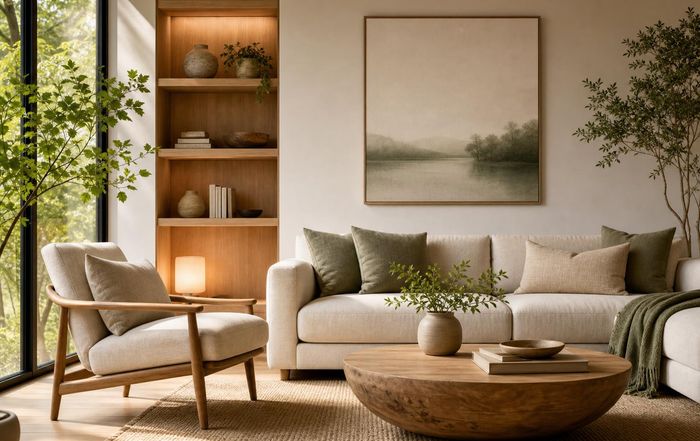
Creating Calm in Modern Homes: The New Blueprint for Wellbeing
The Home as a Strategic Asset for Wellbeing
The home has evolved from a static backdrop of daily life into a strategic asset for physical health, mental clarity, professional productivity, and emotional balance. For the global audience of wellnewtime.com, whose interests span wellness, health, fitness, mindfulness, travel, beauty, business, and sustainable lifestyle choices, the question is no longer whether the home environment influences wellbeing, but how intentionally designed spaces can become a primary driver of long-term health and performance.
Research from organizations such as the World Health Organization shows that environmental factors, including housing quality and indoor air conditions, play a measurable role in chronic disease risk and mental health outcomes; readers can explore broader context on social determinants of health through the WHO's resources on healthy environments. At the same time, the acceleration of hybrid work, digital connectivity, and global uncertainty has pushed individuals and families across North America, Europe, Asia, and beyond to reconsider the role their homes play in managing stress, supporting recovery, and sustaining energy throughout the day.
For this top site, which connects wellness, lifestyle, and business insights, "Creating Calm in Modern Homes" is no longer a purely aesthetic project. It is a strategic, evidence-informed approach that integrates design, behavioral science, and technology with a clear focus on Experience, Expertise, Authoritativeness, and Trustworthiness, aiming to help readers transform their everyday environments into foundations for healthier, calmer, and more resilient lives. Those exploring broader wellness frameworks can find complementary perspectives in the site's daily dedicated wellness section, where home-based practices are increasingly linked to holistic wellbeing.
The Science of Calm: Why Environment Matters More Than Ever
Modern neuroscience and behavioral research have reinforced what many cultures have intuitively understood for centuries: the spaces people inhabit shape their thoughts, emotions, and physiological responses in powerful ways. Studies compiled by organizations such as the American Psychological Association demonstrate that clutter, noise, and poor lighting can elevate cortisol levels, impair concentration, and erode sleep quality; readers can review related psychological research through the APA's resources on stress and environment. In contrast, environments with natural light, ordered spaces, and access to nature or biophilic elements have been shown to reduce anxiety and enhance mood.
Across regions from the United States and Canada to Germany, the United Kingdom, Japan, and Singapore, the shift toward remote and hybrid work has intensified the impact of domestic environments on mental health. The World Economic Forum has highlighted the growing importance of mental health and wellbeing in the future of work, especially as home and office boundaries blur; those interested in the economic and societal implications can explore WEF insights on wellbeing and work. For professionals, entrepreneurs, and knowledge workers who read wellnewtime.com, the home is now simultaneously a workplace, a recovery zone, a fitness studio, and often a family hub, making calm design not a luxury but a strategic necessity for sustained performance and creativity.
From a health perspective, organizations like the U.S. Centers for Disease Control and Prevention have underscored the role of sleep, physical activity, and stress management in preventing chronic disease; readers can learn more about healthy living guidelines. Each of these pillars can be meaningfully supported or undermined by the home environment, whether through the presence of a quiet, dark bedroom that encourages restorative sleep or a cluttered, noisy space that keeps the nervous system in a constant state of low-grade alert. For readers of the health section at wellnewtime.com/health.html, the message is clear: creating calm at home is a practical health intervention, not merely an interior design preference.
Designing for Wellness: Light, Layout, and Sensory Balance
Designing a calm modern home begins with understanding how fundamental environmental variables-light, layout, sound, scent, and texture-interact with human physiology. Natural light remains one of the most powerful regulators of circadian rhythm and mood, and research summarized by Harvard Medical School shows that exposure to daylight, especially in the morning, supports better sleep, improved alertness, and lower rates of depression; readers can learn more about light and circadian health. Incorporating larger windows, using sheer curtains, and arranging workspaces near natural light sources can significantly alter the emotional tone of a room and the energy levels of its occupants.
Layout also plays a central role in creating calm. Open-plan living, popular across modern homes from Australia to Scandinavia, can foster connection but may also increase noise and visual clutter if not carefully managed. Strategically zoning spaces-using rugs, shelving, or subtle partitions-allows residents to separate work from rest, socializing from solitude, and digital activity from analog downtime. This zoning approach aligns with guidance from organizations like the National Sleep Foundation, which emphasizes the importance of preserving the bedroom as a sanctuary for rest rather than a multi-purpose workspace; readers can review best practices for healthy sleep environments.
Sensory balance extends beyond sight and space into sound and scent. Acoustic calm is particularly critical in dense urban environments across Europe, Asia, and North America, where traffic, neighbors, and digital devices can create a constant background hum. Simple interventions such as soft textiles, curtains, and acoustic panels help absorb noise, while intentional control of notification sounds and device use can dramatically reduce mental overload. Scent, often overlooked, can also influence mood and perceived calm; evidence from institutions like Johns Hopkins Medicine suggests that certain aromatherapy practices may support relaxation for some individuals, though they should complement, not replace, medical care; readers and newsletter subs can explore an overview of aromatherapy and safety. For visitors here, these design principles intersect directly with the site's coverage of beauty and self-care, where sensory rituals at home are increasingly seen as core components of daily wellbeing.
Integrating Fitness and Movement into Home Life
Calm in modern homes is not synonymous with stillness; instead, it reflects a balanced rhythm of movement, rest, and recovery. The rise of home fitness, accelerated by global events earlier in the decade, has matured into a stable, hybrid model in 2026, where individuals combine gym memberships, outdoor activities, and curated home routines. Evidence from the World Health Organization continues to highlight the importance of regular physical activity in reducing the risk of cardiovascular disease, diabetes, and mental health conditions; readers can learn more about global physical activity guidelines.
Within this context, calm home design supports movement by making it frictionless rather than intrusive. A dedicated corner for yoga, stretching, or bodyweight training, even in compact apartments in cities such as London, Tokyo, or Singapore, can serve as a powerful cue for daily activity. The wellnewtime.com fitness section at wellnewtime.com/fitness.html frequently emphasizes that consistency matters more than perfection, and that small, easily accessible spaces for movement can have an outsized impact on long-term health, especially when integrated into morning or evening routines.
For professionals balancing demanding schedules, the integration of movement into home life can also support cognitive performance and stress resilience. Organizations like Mayo Clinic have documented the benefits of short exercise bouts for mood, concentration, and energy, particularly for individuals with sedentary work; readers can explore insights on exercise and stress reduction. Positioning resistance bands, mats, or light weights within easy reach, while keeping the space visually orderly, allows movement to become a natural extension of daily living rather than an additional task that competes with rest. In this way, calm design and active living reinforce each other, transforming the home into a dynamic yet soothing ecosystem that supports both physical and mental resilience.
Mindfulness, Mental Health, and the Sanctuary Space
As mental health takes center stage in public discourse across regions from the United States and Canada to Germany, Japan, and South Africa, the concept of the home as a sanctuary has gained renewed urgency. Mindfulness practices, once considered niche, are now integrated into mainstream health recommendations, with organizations like NHS England and Health Canada acknowledging mindfulness-based approaches as useful tools for managing stress and mild anxiety in appropriate contexts; readers can learn more about mindfulness for mental wellbeing.
Within the home, creating a dedicated sanctuary space for mindfulness, reflection, or quiet reading can be transformative. This does not require a separate room; a comfortable chair by a window, a cushion in a quiet corner, or a small area with calming artwork and minimal digital intrusion can serve as a powerful anchor for mental reset. For readers of wellnewtime.com, resources in the site's mindfulness section offer practical guidance on integrating practices such as meditation, breathwork, and journaling into daily routines, all of which become more sustainable when supported by a thoughtfully designed physical environment.
The relationship between home design and mental health is also increasingly acknowledged by global health organizations. The World Federation for Mental Health and allied bodies have emphasized the importance of safe, stable, and supportive living conditions in promoting psychological wellbeing; readers interested in broader mental health advocacy can explore resources from the World Federation for Mental Health. For individuals navigating high-pressure careers, caregiving responsibilities, or global uncertainty, the ability to retreat into a calm, intentional space, even for ten minutes a day, can act as a psychological buffer that reduces burnout risk and supports more grounded decision-making.
Travel, Global Inspiration, and the Return Home
The readers of wellnewtime.com are often globally minded, with interests spanning travel, culture, and international lifestyles. As international travel has resumed robustly by 2026, experiences in destinations such as Italy, Thailand, Japan, Australia, and South Africa are increasingly influencing how individuals imagine and design calm at home. Boutique hotels, wellness retreats, and eco-lodges around the world have become living laboratories for restorative design, offering insights that can be translated into everyday domestic spaces. Those seeking inspiration can explore the wellnewtime.com travel section at wellnewtime.com/travel.html, where global wellness destinations and design-forward accommodations are frequently profiled.
Organizations like National Geographic have documented the rise of wellness travel and the increasing demand for experiences that combine nature, culture, and rejuvenation; readers can learn more about trends in wellness travel. From Japanese ryokan traditions emphasizing simplicity and natural materials to Scandinavian approaches that prioritize light, warmth, and connection to the outdoors, these global influences offer a rich palette of ideas that can be adapted to apartments in New York or London, homes in Toronto or Berlin, and villas in Spain or Brazil. The key is not imitation, but translation-distilling the essence of calm experienced abroad and expressing it in ways that align with personal values, local climates, and cultural contexts.
For many, the most meaningful travel experiences are those that reshape daily life upon return. A tea ritual learned in Kyoto might become a daily mindfulness anchor in a Singapore apartment; a focus on indoor-outdoor flow observed in coastal Australia might inspire balcony gardens in urban Europe; a deep appreciation for local craftsmanship discovered in Italy or France might lead to more intentional, fewer-but-better acquisitions for the home. In this sense, global exploration and domestic calm are not opposites but complementary dimensions of a well-lived life.
Beauty, Ritual, and the Everyday Spa at Home
Beauty and self-care have undergone a profound redefinition since the early 2020s, shifting from purely aesthetic goals to rituals that support emotional stability, self-connection, and sensory pleasure. For the audience of wellnewtime.com, which engages deeply with beauty and self-care content, the bathroom and bedroom have become central theaters for daily rituals that create micro-moments of calm.
Global beauty leaders and dermatology organizations, including the American Academy of Dermatology, emphasize that consistent, gentle routines are more beneficial than aggressive, sporadic interventions; readers can explore basic skin care recommendations. Translating this into home design, individuals are increasingly curating spaces that support slow, intentional routines-clear countertops, warm lighting, well-organized storage, and tactile elements such as soft towels or natural materials that signal a shift from hurried functionality to deliberate care.
Beyond surface-level grooming, the concept of the "home spa" has expanded to include practices such as facial massage, dry brushing, and warm baths infused with calming scents, all of which can be performed safely when aligned with evidence-based guidance and individual health needs. Massage, in particular, remains a powerful modality for stress relief and muscular recovery; readers interested in the broader role of massage in wellness can explore the dedicated massage section of wellnewtime.com. By embedding these rituals into the architecture of daily life, individuals create reliable touchpoints of calm that anchor their days, even when external circumstances are demanding.
Sustainable Calm: Environmentally Conscious Home Choices
Creating calm in modern homes increasingly involves aligning personal wellbeing with planetary health. Across Europe, North America, Asia, and beyond, consumers are more aware of the environmental footprint of their furnishings, energy use, and renovation choices. Organizations such as the United Nations Environment Programme continue to highlight the importance of sustainable consumption and resource-efficient buildings for achieving climate goals; readers can learn more about sustainable lifestyles.
From a wellness perspective, sustainable choices often correlate with healthier indoor environments. Low-VOC paints, natural materials, and improved ventilation can reduce indoor air pollution, while energy-efficient windows and insulation enhance thermal comfort and reduce noise. Agencies like the U.S. Environmental Protection Agency have long emphasized the health impact of indoor air quality, offering guidance on ventilation, mold, and chemical exposure; readers can explore EPA resources on indoor air quality. For the wellnewtime.com environment section at wellnewtime.com/environment.html, this intersection between ecological responsibility and personal calm represents a critical theme: a home that is kinder to the planet often feels calmer to inhabit.
Biophilic design-integrating plants, natural textures, and views of greenery-has also moved from trend to mainstream practice. Research summarized by institutions such as The Nature Conservancy and academic centers worldwide indicates that exposure to nature, even in small doses, can lower stress and improve cognitive performance; readers can learn more about nature and wellbeing. Indoor plants, balcony gardens, and even nature-inspired artwork can bring some of these benefits into urban homes in cities from New York to Seoul, Paris to São Paulo, making calm more accessible regardless of square footage.
Business, Innovation, and the Calm-First Home Economy
The pursuit of calm in modern homes is also reshaping business models, brand strategies, and innovation across sectors. For executives, entrepreneurs, and professionals following the wellnewtime.com business section at wellnewtime.com/business.html, the calm-first home is both a consumer demand and a strategic opportunity. Companies in furniture, technology, architecture, hospitality, and wellness services are increasingly positioning their offerings around stress reduction, mental clarity, and restorative design.
Organizations such as McKinsey & Company and Deloitte have documented the rapid growth of the wellness economy, including home-related segments such as smart lighting, ergonomic furniture, and wellness-focused home renovations; readers can explore analyses of the global wellness economy. At the same time, innovation hubs and design schools around the world are experimenting with sensor-based environments that adapt lighting, temperature, and sound to support circadian health and focus, while privacy and data security concerns remain central considerations for building trust.
For brands featured in the wellnewtime.com brands section at wellnewtime.com/brands.html, credibility increasingly hinges on transparency, evidence-based claims, and alignment with broader sustainability and mental health priorities. The most trusted companies in this space are those that integrate scientific insights from reputable sources, such as the National Institutes of Health, whose public resources on lifestyle and environmental health can be explored through NIH's health information portal, into product design and communication, while respecting the individuality of consumers' needs and cultural contexts.
Innovation in calm-focused home solutions is not limited to high-end markets. Across Asia, Africa, South America, and Eastern Europe, start-ups and community organizations are experimenting with low-cost, high-impact interventions-from modular storage systems that reduce clutter in small apartments to community-led green space initiatives that extend the concept of "home calm" into shared urban environments. For the global readership of wellnewtime.com, these developments illustrate that calm is not a privilege reserved for large homes or luxury budgets, but a design principle that can be adapted to diverse economic realities.
Building a Personal Calm Blueprint with us
As 2026 unfolds, the imperative to create calm in modern homes intersects with nearly every dimension of life that matters to the wellnewtime.com audience: physical and mental health, fitness, mindfulness, travel, beauty, business, brands, lifestyle, and environmental responsibility. The home has become the central stage where these priorities converge, and the quality of that stage increasingly determines how individuals navigate demanding careers, global uncertainty, and the pursuit of meaningful, joyful lives.
For readers seeking to translate these insights into action, wellnewtime.com offers an interconnected ecosystem of guidance. The lifestyle section explores daily habits and routines that bring calm into ordinary moments, while the innovation section highlights emerging technologies and design concepts that may shape the future of home environments. The well researched news section keeps daily returning readers informed about global developments in health, environment, and business that influence how homes are built and lived in, and the main portal at wellnewtime.com serves as a hub where these threads converge into a coherent vision of modern wellbeing.
Ultimately, creating calm in modern homes is not a one-time project but an ongoing, adaptive practice. It requires attention to the science of environment and health, openness to inspiration from global cultures and travel, discernment in choosing brands and technologies, and, above all, a commitment to aligning everyday spaces with personal values and long-term wellbeing goals. For the international calm seeking community that turns here for positive, expert-driven insight, the message is both ambitious and hopeful: by designing homes that are deliberately calm, individuals can build lives that are more resilient, focused, and deeply aligned with what matters most, wherever in the world they may live.