

Exploring Wellness Cultures Across South America in 2026
South America has emerged in 2026 as one of the most dynamic regions in the global wellness landscape, blending ancient Indigenous wisdom, European and African influences, and contemporary science-driven approaches into a distinctive ecosystem of practices, products, and experiences. For readers of wellnewtime.com, who seek to understand how wellness, travel, business, lifestyle, and innovation intersect, South America offers a compelling case study in how cultures can protect tradition while also building globally competitive wellness economies that speak to audiences in the United States, Europe, Asia, Africa, and beyond.
The Evolving Definition of Wellness in South America
Across South America, wellness is no longer perceived solely as the absence of illness but as an integrated state of physical, mental, emotional, social, and environmental balance. This perspective aligns with the multidimensional model of health promoted by organizations such as the World Health Organization, and it is increasingly reflected in national health strategies, urban planning, and tourism initiatives throughout the region. Those who follow broader health developments can explore how global frameworks are evolving by reviewing current guidance from the World Health Organization.
In countries such as Brazil, Chile, Colombia, and Argentina, wellness is being integrated into public health campaigns that emphasize preventive care, mental health, and physical activity. This is mirrored in the private sector, where wellness brands, boutique spas, and fitness startups are expanding rapidly, particularly in major metropolitan centers like São Paulo, Buenos Aires, Santiago, Bogotá, and Lima. For readers exploring health-focused narratives and emerging trends, the dedicated health section of Well New Time offers additional context on how these developments compare with trends in North America, Europe, and Asia.
Ancestral Roots: Indigenous Healing Traditions
One of the most distinctive features of South American wellness culture is the enduring influence of Indigenous knowledge systems. In the Andean highlands of Peru, Bolivia, Ecuador, and parts of Chile and Argentina, traditional healers known as curanderos and curanderas continue to draw on centuries-old practices involving medicinal plants, ritual ceremonies, and community-based healing. These traditions, rooted in Quechua, Aymara, Mapuche, and other Indigenous cultures, emphasize harmony with nature, respect for Pachamama (Mother Earth), and the belief that physical ailments often have emotional or spiritual dimensions.
Researchers and health professionals interested in the scientific basis of these practices often turn to resources such as the National Center for Complementary and Integrative Health, which provides evidence-based perspectives on herbal medicine and traditional therapies; those seeking a deeper understanding of integrative approaches can learn more about complementary health practices. Within South America, universities in Brazil, Chile, and Colombia are partnering with Indigenous communities to document medicinal plants, evaluate their pharmacological properties, and navigate the ethical complexities of intellectual property and benefit-sharing.
For wellnewtime.com, which regularly explores the intersection of tradition and modern wellness in its wellness coverage, South America offers an instructive example of how ancestral knowledge can be honored and protected while also informing contemporary health and beauty products, from herbal teas and essential oils to skincare lines that emphasize natural, ethically sourced ingredients.
The Rise of Wellness Tourism and Transformational Travel
Wellness tourism has become a powerful growth engine for South American economies, appealing to travelers from the United States, Canada, the United Kingdom, Germany, France, and across Asia-Pacific who are seeking immersive, restorative experiences rather than conventional sightseeing. According to industry analyses from organizations such as the Global Wellness Institute, wellness tourism continues to outpace general tourism growth worldwide; readers can explore broader market data and future projections by visiting the Global Wellness Institute.
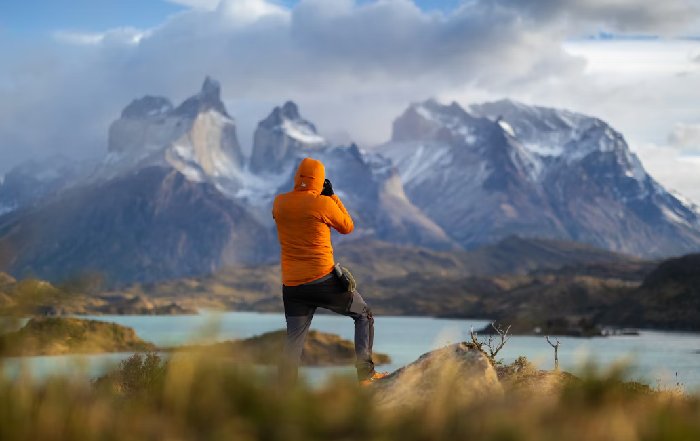
In Peru, wellness-focused journeys often combine visits to Machu Picchu and the Sacred Valley with yoga retreats, meditation programs, sound healing, and plant-based cuisine that draws on Andean superfoods such as quinoa, maca, and amaranth. In Brazil, eco-resorts in Bahia and Santa Catarina integrate capoeira, Afro-Brazilian dance, and beachside mindfulness sessions, while the Amazon basin offers carefully regulated, conservation-minded retreats that emphasize biodiversity education and forest bathing. Chile's Atacama Desert and Patagonia region have become centers for high-end wellness lodges, where guests engage in guided hikes, stargazing, cold-water immersion, and reflective digital detox programs.
International travelers evaluating safety, entry requirements, and health considerations for South American journeys often rely on information from the U.S. Department of State and similar agencies; those interested can review travel advisories and guidance. For readers of wellnewtime.com who are exploring travel experiences that integrate wellness, nature, and culture, the platform's travel section increasingly features South American destinations that prioritize both personal renewal and responsible tourism.
Massage, Bodywork, and Somatic Therapies
Massage and bodywork occupy a central place in South American wellness cultures, where touch is widely recognized as a powerful tool for relaxation, pain relief, and emotional regulation. In Brazil, massage traditions range from classic Swedish and deep-tissue techniques to lymphatic drainage methods popularized in aesthetic and post-surgical recovery settings. In Argentina and Chile, sports massage is widely integrated into the training regimens of football players, runners, and endurance athletes, reflecting the region's deep connection to sport and physical performance.
Across urban wellness centers in Lima, Bogotá, and São Paulo, there is a growing interest in somatic therapies that address trauma, stress, and burnout, including myofascial release, craniosacral therapy, and integrative bodywork practices. Health professionals and consumers seeking evidence-based insights into the benefits and limitations of massage therapy often turn to resources such as the Mayo Clinic, where they can review clinical perspectives on massage. For a more lifestyle-oriented exploration of massage techniques, spa culture, and bodywork trends, readers can consult wellnewtime.com's dedicated massage section, which frequently highlights innovations emerging from South American practitioners and wellness entrepreneurs.
Beauty Rituals, Natural Ingredients, and Conscious Aesthetics
Beauty rituals in South America are deeply intertwined with wellness, self-esteem, and cultural identity. Countries such as Brazil, Colombia, and Argentina are global powerhouses in cosmetic surgery and aesthetic dermatology, yet there is a parallel and rapidly expanding movement toward natural beauty, skin health, and minimalism. Consumers across cities like Rio de Janeiro, Medellín, and Santiago are increasingly attentive to ingredient transparency, environmental impact, and ethical sourcing, reflecting global shifts toward clean beauty and sustainable packaging.
The Amazon rainforest, shared by Brazil, Peru, Colombia, Ecuador, Bolivia, Venezuela, Guyana, and Suriname, is a vital source of botanical ingredients used in skincare, haircare, and wellness products, including açaí, andiroba, copaiba, buriti, and cupuaçu. Scientists and conservationists emphasize that the commercialization of these ingredients must be accompanied by robust protections for biodiversity and Indigenous rights, a topic explored extensively by organizations such as the United Nations Environment Programme, where readers can learn more about sustainable resource use.
Beauty professionals and conscious consumers who follow wellnewtime.com can find additional analysis in the platform's beauty section, which regularly profiles brands and practitioners that bridge aesthetics, skin health, and ethical business practices, positioning South America as both a supplier of raw materials and a creator of sophisticated, science-informed beauty concepts.
Fitness, Movement, and Urban Wellbeing
Fitness culture in South America has expanded significantly over the past decade, moving beyond traditional gyms to embrace a broad spectrum of movement practices that reflect local culture and global trends. In Brazil, outdoor fitness has flourished along the beaches of Rio de Janeiro and Florianópolis, where calisthenics, running clubs, and group functional training sessions create accessible, community-based exercise environments. In Colombia, cities like Bogotá and Medellín have invested in bike lanes, urban parks, and car-free initiatives such as Ciclovía, which encourage residents to reclaim public space for physical activity and social connection.
High-intensity interval training, Pilates, yoga, and dance-based workouts have gained strong traction across the region, often adapted to local music and cultural preferences. Health authorities and researchers in countries like Chile and Uruguay are aligning with global recommendations from entities such as the World Health Organization on physical activity, encouraging adults and children to incorporate regular movement into their daily lives; those interested in global guidelines can review physical activity recommendations. For those following fitness trends and performance insights, the fitness coverage on Well New Time increasingly references South American case studies that show how urban planning, culture, and digital platforms can work together to promote active lifestyles.
Mental Health, Mindfulness, and Emotional Resilience
The mental health landscape in South America has undergone a profound transformation, driven by rising awareness of anxiety, depression, burnout, and trauma, particularly in fast-growing urban centers and among younger populations. Governments, NGOs, and private sector actors are investing in mental health services, teletherapy platforms, and workplace wellbeing programs, often in collaboration with international institutions. The Pan American Health Organization, which serves as the regional office for the World Health Organization, has been instrumental in supporting mental health policies and provides resources on regional mental health initiatives.
Mindfulness-based practices have gained prominence in major cities, where meditation studios, yoga centers, and digital apps offer tools for stress reduction and emotional regulation. In Brazil, Argentina, and Chile, corporate wellness programs increasingly include mindfulness training, resilience workshops, and psychological support, reflecting the recognition that mental health is essential for productivity, innovation, and long-term business sustainability. For readers seeking broader context on mindfulness, stress management, and emotional wellbeing, wellnewtime.com offers a dedicated mindfulness section, where South American perspectives are placed in dialogue with global research and best practices.
Environmental Wellness and the Protection of Natural Assets
Environmental wellness is a critical dimension of South American wellbeing, given the region's vast natural assets, including the Amazon rainforest, the Andes mountain range, the Pantanal wetlands, the Atlantic Forest, and extensive coastal ecosystems. These landscapes provide not only ecosystem services and climate regulation but also the settings for many of the region's most sought-after wellness experiences, from forest immersion and thermal springs to hiking, surfing, and eco-retreats.
At the same time, deforestation, pollution, urban sprawl, and climate change pose serious threats to both environmental and human health. International bodies such as the Intergovernmental Panel on Climate Change continue to highlight the global significance of South American ecosystems; those interested in the scientific consensus can explore IPCC assessments. Within the region, governments, Indigenous communities, environmental NGOs, and socially responsible businesses are experimenting with models of regenerative tourism, conservation finance, and circular economy practices that aim to align economic development with environmental stewardship.
For readers of wellnewtime.com who follow climate, sustainability, and lifestyle shifts, the platform's environment section regularly examines how environmental pressures in South America are reshaping wellness, travel, and consumer behavior, and how similar dynamics are unfolding across Europe, North America, Asia, and Africa.
Wellness Business, Brands, and Innovation
The business of wellness in South America is no longer a niche category; it is an integrated sector that spans hospitality, beauty, fitness, nutrition, mental health, technology, and sustainable fashion. Entrepreneurs in Brazil, Chile, Colombia, and Argentina are launching wellness startups that leverage digital platforms, subscription models, and data analytics to deliver personalized health and lifestyle solutions, often tailored to local cultural norms and economic realities. International investors and strategic partners from the United States, Europe, and Asia are increasingly attentive to these markets, recognizing the region's young demographics, growing middle class, and rich cultural capital.
Global consultancies such as McKinsey & Company and Deloitte regularly publish analyses of the wellness economy and consumer trends; readers seeking a broader macroeconomic perspective can explore insights on the global wellness market. Within South America, local brands are differentiating themselves through transparent sourcing, social impact initiatives, and collaborations with Indigenous communities and research institutions. For business leaders, investors, and brand strategists following wellnewtime.com, the business section and the brands section provide ongoing analysis of how South American wellness companies are positioning themselves in a competitive global landscape, and how they are responding to regulatory, environmental, and social challenges.
Work, Careers, and the Future of Wellness Jobs
The expansion of wellness cultures across South America is reshaping labor markets, creating new career paths in areas such as integrative healthcare, spa management, wellness coaching, mindfulness instruction, eco-tourism operations, and sustainable product design. Educational institutions in Brazil, Chile, Argentina, and Colombia are introducing specialized programs in nutrition, sports science, hospitality, and wellness entrepreneurship, while international certifications in yoga, Pilates, coaching, and massage are increasingly common among practitioners.
Global labor market analyses from organizations like the International Labour Organization highlight how health and wellness sectors are contributing to employment growth and offer insight into evolving job trends. For professionals and students exploring career opportunities in wellness, wellnewtime.com's jobs section can serve as a bridge between regional developments in South America and broader global trends, helping readers understand where skills in health, fitness, hospitality, and sustainability are most in demand.
Lifestyle Integration: Everyday Wellness in South American Cities
While high-profile retreats and luxury spas attract international attention, the deeper story of wellness in South America is unfolding in everyday life, as residents of cities like São Paulo, Buenos Aires, Lima, Bogotá, Quito, and Santiago integrate healthier habits into their routines. Farmers' markets and organic food cooperatives are becoming more common, reflecting a growing interest in fresh, locally sourced produce and traditional dietary patterns that emphasize grains, legumes, vegetables, and moderate portions of animal protein. Nutrition experts often refer to research from organizations such as the Harvard T.H. Chan School of Public Health, where readers can learn more about evidence-based nutrition guidance.
In many South American cities, there is also a visible shift toward slower, more intentional lifestyles, particularly among younger professionals who are re-evaluating work-life balance, digital consumption, and materialism. This movement aligns closely with the editorial focus of wellnewtime.com, whose lifestyle section explores how people worldwide are redefining success and wellbeing, often drawing inspiration from cultures that prioritize community, nature, and meaningful experiences over purely material indicators of status.
Global Relevance and Future Directions
By 2026, South America has established itself not only as a destination for wellness tourism but also as a laboratory for innovative, culturally grounded approaches to health, beauty, fitness, and environmental stewardship. The region's diverse cultures, ecosystems, and economic realities offer lessons that resonate with audiences in the United States, Canada, the United Kingdom, Germany, France, Italy, Spain, the Netherlands, Switzerland, China, Japan, South Korea, Singapore, the Nordic countries, South Africa, Brazil itself, and across the wider Global South.
International organizations such as the World Bank and the Organisation for Economic Co-operation and Development have begun to emphasize the importance of wellbeing metrics and social indicators in development policy; those interested in the intersection of economics and wellbeing can explore global wellbeing reports. South America's experience suggests that effective wellness strategies must be grounded in local culture, informed by science, attentive to environmental limits, and inclusive of marginalized communities, particularly Indigenous peoples and low-income urban populations.
For wellnewtime.com, which positions itself at the intersection of wellness, business, travel, environment, and innovation, South America will remain a key region to watch. The platform's innovation section increasingly highlights how South American entrepreneurs and policymakers are experimenting with new models of care, community, and commerce, while the news hub provides timely coverage of regulatory changes, public health initiatives, and corporate developments that shape the wellness landscape.
As wellness cultures across South America continue to evolve, they offer a powerful reminder that wellbeing is not a static destination but an ongoing process of adaptation, learning, and collaboration. For global readers seeking to navigate their own journeys toward healthier, more meaningful lives, the stories emerging from this region provide both inspiration and practical insight, underscoring the shared human aspiration to live well-in harmony with oneself, with others, and with the planet. Those wishing to follow these developments in a curated, cross-disciplinary format can regularly visit the homepage of wellnewtime.com at wellnewtime.com to stay informed about how South America and the wider world are redefining what it means to thrive in the twenty-first century.