

Consumer Trends Shaping Wellness Markets in 2026
The New Definition of Wellness in a Post-Pandemic World
By 2026, the global wellness economy has matured from a fragmented collection of niche services into a coherent, data-driven ecosystem that touches nearly every aspect of daily life, from how people work and travel to how they sleep, eat, move, and relate to one another. What began as a reactive surge in health consciousness during the COVID-19 pandemic has evolved into a structural shift in consumer expectations, with individuals in the United States, Europe, Asia, Africa, and South America now viewing wellness as an essential, non-negotiable component of quality of life rather than a discretionary luxury. For Well New Time, which has consistently placed wellness, health, fitness, mindfulness, and lifestyle at the center of its editorial mission, this transformation has created both a responsibility and an opportunity: a responsibility to curate trustworthy, evidence-based perspectives, and an opportunity to guide business leaders, entrepreneurs, and brands through a rapidly evolving marketplace.
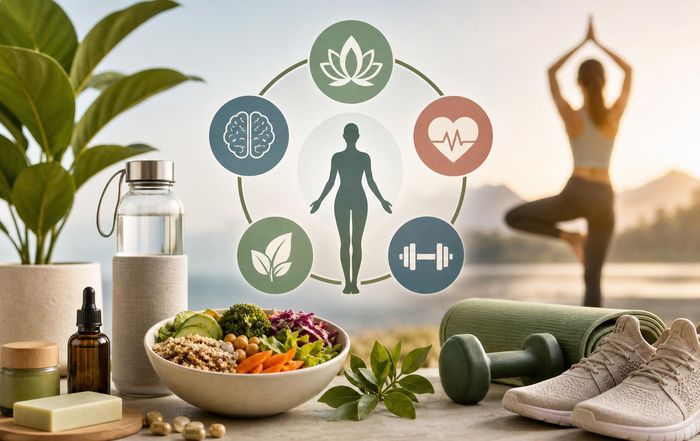
The modern consumer no longer separates physical, mental, emotional, and environmental health; instead, wellness is increasingly understood as an integrated system of behaviors and choices that together shape long-term vitality and resilience. Research from organizations such as the Global Wellness Institute indicates that the wellness economy has surpassed several trillion dollars in value, reflecting rising demand across segments including personal care, nutrition, fitness, mental health, workplace wellness, wellness tourism, and preventive healthcare. Readers who explore the wellness-focused sections of Well New Time, such as its dedicated coverage of wellness, health, and lifestyle, will recognize that these trends are not abstract forecasts; they are already reshaping how companies design products, how professionals build careers, and how consumers make daily decisions in cities from New York and London to Singapore, Sydney, Berlin, and São Paulo.
In this environment, trust, evidence, and authenticity have become non-negotiable. Consumers are scrutinizing the science behind wellness claims, demanding transparency from brands, and gravitating toward platforms that demonstrate editorial integrity and global perspective. As the wellness market moves deeper into mainstream business strategy, the trends shaping it in 2026 are increasingly complex, interconnected, and global in scope, requiring business leaders to think holistically rather than tactically if they wish to remain relevant.
From Products to Ecosystems: Holistic Wellness as a Core Expectation
One of the most significant shifts in consumer behavior is the move away from isolated wellness products toward integrated wellness ecosystems that address multiple dimensions of health simultaneously. Individuals who once purchased a fitness app, a meditation subscription, or a skincare product in isolation now expect these experiences to connect meaningfully with one another, supported by data, personalization, and a coherent narrative about long-term wellbeing. This mindset is evident in the rise of "whole-life" wellness platforms that combine fitness tracking, sleep analysis, nutrition guidance, mental health support, and community engagement under a single digital umbrella.
International organizations like the World Health Organization have reinforced this holistic perspective by emphasizing the importance of mental health, social connection, and environmental determinants of health alongside traditional medical care. Businesses that once focused narrowly on physical fitness or beauty are being pushed by consumer expectations and regulatory scrutiny to consider how their offerings influence stress levels, sleep quality, emotional resilience, and even planetary health. Learn more about how global health frameworks are evolving through resources such as the WHO's health promotion initiatives.
For Well New Time, which spans wellness, fitness, mindfulness, travel, beauty, and business, this holistic shift aligns naturally with its cross-category editorial approach. Readers who move from fitness to mindfulness, or from beauty to environment, are mirroring the very behavior that wellness consumers display in their purchasing and lifestyle decisions. The most successful brands in 2026 are those that recognize this interconnectedness and design experiences that respect the complexity of human wellbeing rather than treating wellness as a single-issue concern.
Personalization, Data, and the Rise of Precision Wellness
Another defining trend is the rapid growth of precision wellness, driven by advances in digital health, data analytics, and consumer-grade diagnostics. Wearables, smart rings, connected home devices, and health apps now capture continuous streams of information about heart rate variability, sleep stages, movement patterns, stress markers, and, increasingly, biomarkers derived from blood, saliva, and microbiome testing. Companies such as Apple, Garmin, and Oura have normalized the idea that individuals can monitor their own physiological signals in real time, while digital health innovators in the United States, Europe, and Asia are building platforms that interpret these signals into actionable recommendations.
This shift is supported by a broader movement toward personalized and preventive healthcare, as highlighted by institutions like the National Institutes of Health and the U.S. Food and Drug Administration, which are exploring regulatory frameworks for digital health tools and consumer diagnostics. Learn more about the evolution of digital health oversight and innovation through resources such as the FDA's digital health center or the NIH's precision medicine initiatives. Consumers in Germany, the United Kingdom, Canada, Australia, Singapore, and South Korea are particularly receptive to these tools, driven by high levels of digital literacy and strong public health infrastructures.
For wellness-focused platforms like Well New Time, precision wellness raises important questions about data privacy, ethics, and the line between consumer wellness and clinical care. As readers seek guidance on whether to trust a new biometric device or personalized nutrition service, they look for sources that can translate complex scientific and regulatory developments into accessible, actionable insights. The challenge for brands in 2026 is to offer meaningful personalization without overwhelming users with data or compromising their privacy, and to ensure that recommendations are grounded in credible science rather than marketing hype.
Mental Health, Mindfulness, and the Normalization of Emotional Wellbeing
Mental health has moved from the periphery of wellness conversations to the center of consumer expectations, a shift that has profound implications for employers, digital platforms, travel providers, and healthcare systems worldwide. Across North America, Europe, Asia, and Africa, younger generations in particular are demanding open, stigma-free conversations about anxiety, depression, burnout, and emotional resilience, and they are willing to reward brands that demonstrate genuine commitment to mental wellbeing rather than superficial messaging.
Organizations such as the American Psychological Association and the National Health Service in the United Kingdom have documented rising demand for accessible mental health services, while digital platforms offering teletherapy, mindfulness training, and cognitive behavioral tools have expanded rapidly. Learn more about evidence-based mental health approaches through resources such as the APA's mental health information or the NHS's mental wellbeing guidance. This normalization of emotional wellbeing extends beyond clinical care into everyday rituals, with mindfulness practices, breathwork, journaling, and digital resilience tools becoming part of daily routines in cities from Tokyo and Seoul to Stockholm, Toronto, and Cape Town.
For Well New Time, the growing centrality of mental health aligns with its commitment to mindfulness, lifestyle, and holistic wellness. Readers navigating the pressures of modern work, social media, and global uncertainty look to trusted platforms for guidance on building sustainable habits and finding balance. The integration of mental health into broader wellness content-whether in discussions of fitness recovery, travel choices, or workplace culture-reflects the reality that emotional wellbeing is inseparable from physical health, productivity, and long-term life satisfaction.
Fitness Redefined: From Performance to Longevity and Everyday Function
The fitness market in 2026 is no longer dominated by short-term performance goals or aesthetic ideals; instead, consumers increasingly prioritize longevity, mobility, and everyday functional capacity. While high-intensity training, boutique studios, and competitive sports remain popular, there is a clear and sustained shift toward movement practices that support joint health, metabolic resilience, cardiovascular endurance, and mental clarity over the long term. This trend is visible in the rising popularity of strength training for all ages, low-impact modalities such as Pilates and yoga, and hybrid programs that combine cardio, resistance, mobility, and mindfulness.
Public health organizations like the World Health Organization and Centers for Disease Control and Prevention have reinforced this shift by emphasizing the importance of regular physical activity for preventing chronic diseases such as diabetes, cardiovascular illness, and certain cancers. Learn more about global physical activity guidelines through resources such as the WHO's recommendations on physical activity or the CDC's exercise guidance. In markets such as the United States, United Kingdom, Germany, Canada, Australia, and the Nordic countries, older adults are embracing strength and mobility training in unprecedented numbers, supported by trainers, digital platforms, and medical professionals who frame exercise as a lifelong investment rather than a temporary intervention.
On Well New Time, coverage of fitness increasingly reflects this longevity-focused perspective, with articles and insights that explore how movement supports cognitive function, emotional regulation, and workplace performance. Businesses operating in the fitness space are responding by offering more inclusive programming for diverse age groups, body types, and ability levels, and by integrating recovery services such as massage, stretching, and sleep optimization into their offerings. The consumer of 2026 expects fitness experiences to be both aspirational and sustainable, grounded in science and adaptable to the realities of busy, often hybrid lifestyles.
Wellness Travel and the Search for Restorative Experiences
Wellness tourism has emerged as one of the most dynamic segments of the global wellness economy, driven by consumers seeking not only relaxation but also transformation, learning, and deep restoration. Travelers from North America, Europe, and Asia are increasingly choosing destinations and itineraries based on access to nature, physical activity, mindfulness, local culture, and high-quality nutrition, rather than purely on entertainment or shopping. Countries such as Thailand, Japan, Italy, Spain, Costa Rica, and New Zealand have positioned themselves as hubs for wellness retreats, nature-based experiences, hot springs, and culinary journeys centered on local, seasonal foods.
Organizations like the World Travel & Tourism Council and the UN World Tourism Organization have highlighted wellness tourism as a key driver of recovery and innovation in the travel sector, encouraging destinations to invest in sustainable, wellness-oriented infrastructure and experiences. Learn more about these developments through resources such as the WTTC's tourism insights or the UNWTO's tourism trends. The most compelling wellness travel experiences in 2026 combine physical activity, cultural immersion, and environmental stewardship, reflecting consumer demand for trips that are both personally meaningful and socially responsible.
For Well New Time, which engages readers interested in wellness, travel, and lifestyle, this trend underscores the importance of curating guidance that helps individuals choose destinations and experiences aligned with their health goals and values. Whether exploring forest bathing in Japan, thermal spa traditions in Germany and Switzerland, or regenerative tourism initiatives in South Africa and Brazil, consumers are increasingly viewing travel as an extension of their wellness practice rather than an escape from it. Platforms that can connect these experiences to broader wellness narratives, and that highlight the importance of sustainable tourism practices, are well positioned to earn long-term trust.
Beauty, Self-Care, and the Science of Skin and Body Health
The beauty and personal care market has undergone a profound transformation, with consumers in 2026 demanding products and services that deliver measurable health benefits alongside aesthetic results. Clean formulations, microbiome-friendly skincare, barrier repair, sun protection, and evidence-based active ingredients have replaced purely cosmetic promises as the primary drivers of purchasing decisions. In markets such as France, South Korea, Japan, the United States, and the Nordic countries, consumers are increasingly literate about ingredients, formulation science, and the relationship between skin health, nutrition, stress, and sleep.
Regulators and scientific bodies, including the European Commission and agencies such as the U.S. Environmental Protection Agency, have intensified scrutiny of cosmetic ingredients, packaging, and environmental impact, prompting brands to invest in safer formulations and more sustainable materials. Learn more about regulatory perspectives on cosmetic safety through resources such as the European Commission's cosmetics overview or the EPA's information on chemicals and health. At the same time, the convergence of dermatology, nutrition, and wellness coaching has given rise to integrated skin health programs that address internal and external factors simultaneously.
Within Well New Time, the beauty and health categories increasingly intersect, reflecting consumer recognition that self-care is not vanity but a dimension of overall wellbeing. Readers seek guidance on building routines that respect the skin's microbiome, protect against environmental stressors, and support confidence and self-expression without compromising long-term health. For brands operating in this space, transparency, rigorous testing, and alignment with broader wellness values are no longer optional; they are prerequisites for credibility in a market where consumers are better informed and more selective than ever.
Corporate Wellness, Hybrid Work, and the Economics of Wellbeing
The workplace has become one of the most important arenas for wellness innovation, as employers in North America, Europe, Asia, and beyond recognize that employee health, engagement, and retention are inseparable from organizational performance. The shift to hybrid and remote work models has both expanded opportunities for flexibility and introduced new challenges related to isolation, digital fatigue, and blurred boundaries between work and personal life. In this context, corporate wellness programs have evolved from basic gym subsidies or one-off workshops into comprehensive strategies that address mental health, ergonomics, financial wellbeing, caregiving support, and inclusive culture.
Research from organizations such as the World Economic Forum and the OECD has underscored the economic case for investing in employee wellbeing, linking comprehensive wellness strategies to productivity gains, reduced absenteeism, and improved talent attraction. Learn more about the economic dimensions of wellbeing at work through resources such as the WEF's insights on the future of work or the OECD's work on wellbeing and productivity. Employers in industries ranging from technology and finance to manufacturing and healthcare are increasingly judged by prospective employees on the quality and authenticity of their wellness commitments, especially in competitive talent markets across the United States, Canada, the United Kingdom, Germany, and Singapore.
For Well New Time, which covers business, wellness, and jobs, this trend reinforces the importance of connecting individual wellness practices with organizational strategy. Readers who navigate career decisions, leadership responsibilities, or entrepreneurial ventures are looking for guidance on building workplaces that honor human needs while delivering strong performance. The most forward-thinking organizations in 2026 are those that integrate wellness into leadership development, performance management, and corporate strategy, treating wellbeing not as a perk but as a core pillar of business resilience.
Sustainability, Environment, and the Ethics of Wellness Consumption
As climate change, biodiversity loss, and resource constraints become more visible and urgent, consumers are increasingly aware that personal wellness cannot be separated from environmental health. The wellness market, which depends heavily on travel, packaging, textiles, and agricultural supply chains, faces growing pressure to demonstrate that its products and experiences do not undermine the very health outcomes they aim to support. Consumers in Europe, North America, and parts of Asia-Pacific, particularly in countries like Sweden, Norway, Denmark, the Netherlands, and New Zealand, are at the forefront of demanding sustainable, low-impact wellness solutions.
Global frameworks such as the United Nations Sustainable Development Goals and reports from organizations like the Intergovernmental Panel on Climate Change have highlighted the interdependence of human health and planetary health, pushing businesses to rethink sourcing, energy use, waste, and community impact. Learn more about these connections through resources such as the UN's sustainability agenda or the IPCC's climate assessments. In the wellness sector, this has translated into growing demand for regenerative agriculture in nutrition products, eco-certified spa and beauty offerings, carbon-conscious travel, and transparent reporting on environmental footprints.
Readers of Well New Time who explore its environment and lifestyle content increasingly expect the platform to address not only the benefits of wellness practices but also their environmental implications. Brands that wish to remain credible in 2026 must be prepared to show how their wellness offerings align with broader sustainability goals, whether by reducing plastic in packaging, investing in renewable energy for facilities, or supporting local communities and ecosystems where wellness tourism and retreats are hosted. The convergence of wellness and sustainability is no longer a niche concern; it is a defining feature of responsible business strategy in the decade ahead.
Touch, Massage, and the Return to Embodied Wellness
After years in which digital solutions dominated wellness innovation, there is a renewed appreciation for embodied, hands-on experiences that reconnect individuals with their physical selves and with others. Massage therapy, bodywork, and tactile therapies have gained renewed prominence as consumers seek relief from stress, digital overload, and the physical consequences of sedentary, screen-centric lifestyles. In markets across Asia, Europe, North America, and Africa, massage is increasingly framed not as an occasional indulgence but as a component of preventive care, recovery, and mental health support.
Professional associations, training institutions, and health authorities are paying closer attention to the standards, safety, and evidence base for therapeutic touch, recognizing its potential role in managing pain, anxiety, and musculoskeletal issues. Learn more about the evolving science of touch and bodywork through resources such as the National Center for Complementary and Integrative Health or research published by bodies like the Mayo Clinic. In countries such as Thailand, Japan, and South Korea, long-standing traditions of therapeutic touch are being integrated with modern clinical frameworks, while in Europe and North America, insurers and employers are beginning to explore how massage and bodywork can complement conventional care.
On Well New Time, the dedicated focus on massage reflects an understanding that wellness is not purely cognitive or digital; it is experienced through the body, through breath, and through the nervous system. Readers who balance digital tools with hands-on therapies often report deeper, more sustainable improvements in stress management, sleep, and physical comfort. Businesses that can integrate high-quality, ethically delivered bodywork into broader wellness ecosystems are likely to see strong demand, particularly among urban professionals and aging populations seeking non-pharmacological approaches to pain and stress.
Innovation, Brands, and the Future Direction of Wellness Markets
The wellness markets of 2026 are characterized by rapid innovation, intense competition, and growing expectations for transparency, evidence, and ethical behavior. Brands that succeed in this environment typically share several characteristics: they harness technology to deliver personalized, accessible experiences; they ground their claims in credible science; they align their operations with environmental and social responsibility; and they communicate with authenticity and humility rather than hyperbole. From start-ups in Singapore and Berlin to established multinationals in the United States and Japan, the most trusted wellness brands recognize that long-term value creation depends on building genuine, evidence-based relationships with consumers.
Innovation in wellness is increasingly interdisciplinary, drawing on advances in biotechnology, behavioral science, digital therapeutics, regenerative agriculture, and sustainable materials. Learn more about how innovation ecosystems are evolving through organizations such as the World Intellectual Property Organization, which tracks global innovation trends, or technology-focused think tanks that explore the intersection of health, data, and ethics. For Well New Time, which highlights brands, innovation, and world developments alongside wellness and lifestyle coverage, this interdisciplinary landscape offers a rich field for analysis and storytelling.
As consumers in the United States, United Kingdom, Germany, Canada, Australia, France, Italy, Spain, China, Singapore, South Korea, Japan, Brazil, South Africa, and beyond navigate an increasingly crowded wellness marketplace, they will continue to seek out platforms that help them distinguish between marketing and substance, trend and transformation. The role of trusted, globally minded outlets such as Well New Time is to illuminate the connections between personal wellbeing, business strategy, environmental stewardship, and social equity, offering readers not only information but also perspective and discernment.
In the years ahead, the most powerful force shaping wellness markets may be the growing insistence from consumers that their pursuit of health and happiness must not come at the expense of others or of the planet. Businesses that recognize this and align their innovation, operations, and storytelling accordingly will not only capture market share; they will help define what wellness means for a new generation that expects more-from themselves, from their employers, from their governments, and from the brands they choose to trust.