

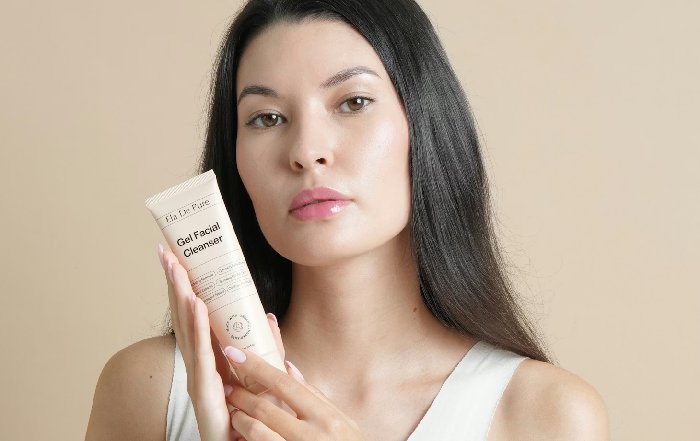
Building a Brand in the Saturated Wellness Space in 2026
The New Reality of the Wellness Economy
By 2026, the global wellness economy has evolved from a niche sector into a complex, highly competitive ecosystem where consumers, investors, and regulators converge with unprecedented intensity. Reports from organizations such as the Global Wellness Institute suggest that wellness-related products and services now span everything from personalized nutrition and digital mental health platforms to regenerative travel and climate-conscious beauty, with the sector valued in the trillions of dollars and growing across North America, Europe, Asia, and beyond. In this environment, building a distinctive, trustworthy wellness brand is no longer a matter of clever marketing alone; it demands a rigorous commitment to evidence-based practice, ethical operations, and a holistic understanding of how people want to live, work, travel, and care for themselves.
For WellNewTime.com, which serves readers interested in wellness, health, beauty, business, lifestyle, and innovation across regions including the United States, United Kingdom, Germany, Canada, Australia, and emerging wellness hubs in Asia, this saturated landscape is both an opportunity and a challenge. The platform is part of a new generation of digital brands that must navigate rising consumer skepticism, information overload, and intense competition from global giants and agile startups alike, while maintaining a clear voice grounded in experience, expertise, authoritativeness, and trustworthiness. As wellness converges with technology, sustainability, and work culture, the brands that succeed will be those that can integrate credible health information, meaningful lifestyle guidance, and transparent business practices into a coherent and human-centered narrative.
Understanding Saturation: Why Wellness Feels Overcrowded
The perception of saturation in the wellness space is driven by several converging forces. Social media platforms such as Instagram and TikTok have lowered the barriers to entry for wellness influencers and micro-brands, enabling anyone with a smartphone to position themselves as a wellness authority. At the same time, large corporations in sectors such as food, fitness, hospitality, and technology have aggressively rebranded themselves around wellness, from global hotel chains pivoting to wellness tourism to consumer packaged goods companies launching functional beverages and supplements. Consumers in the United States, Europe, and Asia now navigate a marketplace where wellness claims are attached to everything from mattresses and skincare to banking apps and office furniture.
Regulatory frameworks have struggled to keep pace, especially in areas such as dietary supplements, digital therapeutics, and biohacking tools. Organizations like the World Health Organization increasingly emphasize the importance of evidence-based health information and warn against misinformation in areas such as mental health, nutrition, and chronic disease management. Meanwhile, data from entities such as the OECD and World Bank highlight rising rates of burnout, anxiety, and lifestyle-related conditions across developed and emerging markets, fueling demand for credible solutions rather than superficial wellness trends. In this context, the saturation is not merely about the number of brands, but about the density of overlapping promises and the difficulty consumers face in distinguishing between marketing language and genuine value.
Defining a Brand's Core: Purpose, Positioning, and People
In a crowded wellness marketplace, the foundation of any enduring brand is a clearly articulated purpose that goes beyond generic claims of "helping people live better." A compelling purpose is specific, grounded in real-world needs, and aligned with measurable outcomes. For a platform like WellNewTime, this might mean committing to help readers translate complex wellness science into practical daily habits, or to curate only those products, services, and practices that meet stringent criteria for safety, efficacy, and sustainability. This kind of purpose must be consistently reflected across editorial content, partnerships, marketing, and community initiatives.
Positioning, in turn, requires a disciplined understanding of the competitive landscape. Brands need to identify the precise intersection where they can deliver unique value, whether that is evidence-based massage education for professionals, integrated wellness and business analysis for executives, or mindful travel guidance for sustainability-conscious tourists. Tools and frameworks from strategy consultancies and business schools, such as those discussed by Harvard Business Review, provide useful lenses for analyzing differentiation, customer segments, and value propositions. However, in wellness, positioning also relies heavily on empathy and cultural sensitivity, since wellness norms and expectations differ significantly between markets such as the United States, Japan, Brazil, and the Nordic countries.
Equally important is a deep understanding of the people a brand serves. Robust audience research, including qualitative interviews, longitudinal surveys, and behavioral data analysis, can help uncover not just what consumers buy, but why they buy it, what they fear, and how they define a "good life." Public health and demographic data from sources such as Our World in Data can complement this work by highlighting macro trends in mental health, obesity, physical activity, and environmental stressors across regions. A brand that aspires to be authoritative must base its understanding of the audience on more than assumptions or superficial social media insights.
Building Authority through Evidence and Expertise
Authority in the wellness space is increasingly earned, not claimed. Audiences across Europe, North America, and Asia have grown more discerning, particularly in the wake of global health crises and debates around misinformation. They look for brands that can clearly distinguish between evidence, emerging research, and opinion, and that are transparent about the limitations of current knowledge. This is where a platform like WellNewTime can differentiate itself by systematically integrating medical, psychological, and scientific expertise into its content and partnerships.
One pathway to authority is to collaborate with credentialed professionals and reputable institutions. Partnerships with clinicians, registered dietitians, physiotherapists, psychologists, and public health researchers, as well as referencing consensus statements from bodies such as the U.S. National Institutes of Health, National Health Service (NHS) in the United Kingdom, Health Canada, and Australia's Department of Health, can significantly enhance credibility. When discussing topics like massage therapy, fitness regimens, or mental health practices, brands that align their recommendations with established guidelines from organizations like the American College of Sports Medicine or World Federation for Mental Health are more likely to earn long-term trust.
At the same time, brands must develop rigorous internal editorial standards. This includes clear policies on how studies are interpreted and presented, how conflicts of interest are disclosed, and how sponsored content is labeled and separated from independent editorial work. Media ethics resources from organizations such as the Poynter Institute and Reuters Institute for the Study of Journalism can serve as models for building transparent, accountable content governance structures. For WellNewTime, codifying such standards and communicating them openly to readers can transform the site from a general wellness portal into a trusted decision-support resource for individuals, professionals, and businesses.
Experience as a Differentiator: From Content to Real-World Outcomes
While information is abundant, meaningful experience remains scarce. In wellness, brands that stand out are those that design end-to-end experiences that guide people from awareness to sustained behavior change. For WellNewTime, this means that its coverage of wellness, massage, beauty, fitness, and mindfulness must go beyond inspirational narratives and product spotlights, and instead help readers translate insights into daily practices that can be sustained in real life, whether they live in Berlin, Singapore, New York, or Cape Town.
Designing such experiences involves integrating multiple dimensions of wellness. Articles on wellness should consider physical, emotional, social, and environmental factors together, acknowledging that a fitness routine in isolation may not be effective without attention to sleep, nutrition, stress, and work conditions. Content about massage can extend beyond relaxation, exploring therapeutic techniques, professional standards, and ergonomics for therapists, while also addressing the role of touch in mental health and community connection. Similarly, coverage of beauty can frame aesthetics within broader conversations about self-esteem, aging, cultural norms, and ingredient safety.
Evidence-based behavior-change frameworks, such as those discussed by Stanford University's Behavior Design Lab, highlight the importance of small, actionable steps, social support, and environmental design in making new habits stick. Wellness brands can embed these principles into their digital platforms by offering structured programs, interactive tools, and community features that encourage accountability and reflection. By measuring outcomes-such as improvements in sleep quality, stress levels, or physical activity-brands can demonstrate tangible impact, reinforcing their authority and differentiating themselves from purely aspirational lifestyle platforms.
Trust in the Age of Data, Algorithms, and AI
As wellness converges with technology, trust increasingly hinges on how brands handle data, algorithms, and artificial intelligence. In 2026, consumers routinely interact with wellness apps, wearables, telehealth platforms, and AI-driven coaching tools that collect sensitive biometric, behavioral, and psychological data. Regulatory frameworks like the European Union's GDPR and emerging AI regulations in the EU, United States, and Asia underscore the need for responsible data governance, transparency, and algorithmic accountability.
For a digital brand like WellNewTime, which may recommend tools, analyze trends, or potentially integrate AI-driven personalization, trustworthiness requires a proactive stance on data ethics. This includes clear privacy policies, user consent mechanisms, and transparent explanations of how recommendations are generated. Resources from organizations such as the Future of Privacy Forum and Partnership on AI provide guidance on responsible AI and data practices that can be adapted to the wellness context. By communicating these practices in accessible language, brands can reassure users in regions as diverse as the United States, Germany, Singapore, and Brazil that their information is being handled with care.
Moreover, the use of AI to generate or curate wellness content must be carefully governed. Audiences are increasingly aware of the potential for AI to amplify bias, oversimplify complex health issues, or generate plausible-sounding but inaccurate information. Aligning AI-assisted content with human expert review, and making that process visible, can help maintain the integrity of wellness advice. For example, an article on health or fitness that has been reviewed by qualified professionals and updated in light of new research should be clearly labeled as such, reinforcing the brand's commitment to accuracy over speed.
Integrating Sustainability and Environment into the Wellness Brand
In 2026, wellness can no longer be credibly separated from environmental and social sustainability. Consumers across Europe, North America, and Asia increasingly recognize that personal well-being is intertwined with planetary health, from air quality and climate resilience to biodiversity and water security. Organizations like the United Nations Environment Programme and Intergovernmental Panel on Climate Change (IPCC) have drawn explicit links between environmental degradation and health outcomes, including respiratory diseases, mental health stressors, and food system vulnerabilities. As a result, brands that ignore environmental impact risk being perceived as outdated or superficial.
For WellNewTime, integrating sustainability into its wellness narrative means elevating coverage of environment and climate-conscious lifestyle choices alongside traditional topics such as nutrition, fitness, and beauty. This might involve exploring how urban design affects physical activity in cities like Copenhagen, Seoul, and Toronto, or how regenerative agriculture and sustainable seafood practices influence long-term health and food security. Readers can be guided to learn more about sustainable business practices through resources from organizations such as the World Business Council for Sustainable Development or the Ellen MacArthur Foundation, which provide frameworks for circular economy strategies and responsible production.
In the wellness products space, sustainability also demands scrutiny of supply chains, packaging, and labor practices. Certifications and standards from entities such as Fairtrade International, Rainforest Alliance, and B Corp can help brands validate their claims, but only if these certifications are matched by transparent reporting and continuous improvement. A wellness brand that recommends beauty or nutrition products, for example, must consider not only the efficacy and safety of ingredients, but also the environmental footprint and social impact of sourcing and manufacturing. By curating and highlighting brands that meet higher sustainability standards, WellNewTime can help consumers in regions from Scandinavia to Southeast Asia align their personal wellness choices with broader environmental values.
The Role of Business Strategy and Innovation in Wellness Branding
Behind every successful wellness brand is a robust business strategy that aligns purpose, operations, and growth. In a saturated market, this strategy must be both disciplined and adaptable. Investors and corporate partners now expect wellness ventures to demonstrate not only strong consumer traction but also regulatory foresight, ethical governance, and scalable models. Insights from business-focused platforms such as WellNewTime's business coverage can help entrepreneurs and executives navigate issues ranging from capital allocation and mergers to brand partnerships and international expansion.
Innovation remains a critical driver of differentiation. Advances in biotechnology, digital therapeutics, wearable sensors, and immersive experiences (such as VR-based mindfulness or AI-personalized massage protocols) are reshaping what wellness can look like in markets as diverse as Japan, the United States, and the United Arab Emirates. Organizations like MIT Technology Review and World Economic Forum regularly analyze emerging technologies that intersect with health and well-being, offering strategic foresight for brands that wish to stay ahead of the curve. For WellNewTime, deepening coverage of innovation and its implications for wellness can position the platform as a bridge between cutting-edge science and everyday practice.
However, innovation must be grounded in responsibility. The rapid proliferation of untested biohacking tools, extreme diets, and unregulated supplements has highlighted the risks of chasing novelty without adequate validation. Regulatory agencies such as the U.S. Food and Drug Administration and European Medicines Agency have issued warnings and enforcement actions against misleading health claims and unsafe products. Wellness brands that aspire to long-term relevance must embed regulatory awareness and risk management into their innovation processes, ensuring that new offerings are not only exciting but also safe, compliant, and aligned with public health priorities.
Global and Local: Adapting Wellness Brands Across Regions
Wellness is profoundly shaped by culture, geography, and socio-economic context. What resonates with consumers in California may not translate directly to audiences in South Korea, Italy, or South Africa. Successful global wellness brands adopt a "glocal" approach, combining a consistent core identity with localized expressions that respect regional traditions, regulations, and consumer expectations. Public health frameworks from organizations such as the World Bank and UN Development Programme underscore the importance of addressing local determinants of health, from urban infrastructure and labor markets to education and social inequality.
For WellNewTime, whose audience spans North America, Europe, Asia, Africa, and South America, this means curating content and partnerships that reflect diverse realities. Coverage of lifestyle and travel might highlight mindfulness retreats in Thailand, thermal spa traditions in Germany, forest bathing in Japan, and indigenous healing practices in Brazil, while carefully contextualizing each within evidence-based frameworks and avoiding cultural appropriation. Similarly, reporting on wellness-related news and global policy developments can help readers understand how different countries approach issues such as mental health funding, workplace wellness regulations, and environmental protections.
Localization also extends to language, imagery, and representation. Audiences in France, Singapore, or Norway are more likely to trust and engage with wellness brands that reflect their own cultural narratives, body types, and daily realities, rather than a monolithic, Western-centric ideal. Research from organizations like McKinsey & Company on diversity, equity, and inclusion in business suggests that brands which embrace authentic representation not only build stronger connections with consumers but also perform better financially. In wellness, this translates into inclusive imagery, multilingual resources, and content that addresses the needs of different age groups, abilities, and socio-economic backgrounds.
Human-Centered Storytelling and Mindfulness in Branding
Amid data, strategy, and technology, the heart of a wellness brand remains human storytelling. People do not simply adopt new habits because of statistics; they change when they see themselves reflected in the stories of others, and when they feel emotionally supported rather than judged. For WellNewTime, integrating human-centered narratives into coverage of mindfulness, mental health, and resilience can create a powerful bridge between scientific evidence and lived experience.
Mindfulness, in particular, has become a central theme in wellness branding worldwide, from corporate programs in London and New York to school-based initiatives in Sweden and Singapore. Academic centers such as Brown University's Mindfulness Center and Oxford Mindfulness Foundation continue to investigate the benefits and limitations of mindfulness-based interventions for stress, anxiety, and chronic pain. Brands that incorporate mindfulness into their identity must therefore be careful to distinguish between clinically validated protocols and more general practices, avoiding exaggerated claims while still offering accessible techniques for daily life.
Human-centered storytelling also has a role to play in discussions about work, careers, and jobs in the wellness industry. As demand for massage therapists, fitness professionals, health coaches, and wellness-focused technologists grows across regions from Canada and the Netherlands to Malaysia and New Zealand, there is a corresponding need for honest conversations about training, working conditions, and career sustainability. By featuring practitioner stories, case studies, and behind-the-scenes perspectives, WellNewTime can help both consumers and professionals understand the realities behind the wellness services they use, strengthening trust and empathy on both sides.
From Brand to Ecosystem: The Future of Wellness in 2026 and Beyond
In the saturated wellness space of 2026, the most resilient brands are evolving into ecosystems that connect individuals, communities, professionals, and institutions in mutually reinforcing ways. Rather than positioning themselves as the sole source of truth or the single solution to complex health challenges, they act as curators, conveners, and collaborators. A platform like WellNewTime is well-positioned to play this role by integrating its coverage of wellness, health, beauty, business, environment, travel, and innovation into a coherent ecosystem that helps readers navigate the complexity of modern life.
This ecosystem approach requires continuous learning and adaptation. As new research emerges, as regulatory landscapes shift, and as cultural attitudes toward wellness evolve in regions from the United States and United Kingdom to China, South Korea, and South Africa, brands must update their frameworks and offerings accordingly. Long-term trust is built not on the promise of perfection, but on a demonstrated willingness to acknowledge uncertainty, correct mistakes, and place human well-being above short-term commercial gain.
Ultimately, building a brand in the saturated wellness space is not about shouting louder than the competition; it is about listening more carefully, acting more responsibly, and serving more holistically. By grounding its work in rigorous evidence, ethical practices, inclusive storytelling, and a deep respect for both people and planet, WellNewTime.com can continue to grow as a trusted guide for readers worldwide who are seeking not just wellness products or trends, but a more balanced, purposeful, and sustainable way of living in an increasingly complex world.