

Canada's Wellness Economy in 2026: How a Nation Became a Global Blueprint for Healthy Living
Canada's transformation into a global wellness powerhouse has accelerated dramatically as of 2026, reshaping how individuals, communities, and organizations understand health, fitness, and quality of life. Once primarily recognized for its pristine landscapes and outdoor recreation culture, the country is now equally known for a sophisticated wellness economy that blends evidence-based health practices, ancient mindfulness traditions, cutting-edge sports science, and rapidly evolving digital technologies. For the global audience of WellNewTime, which follows developments across wellness, business, health, fitness, lifestyle, environment, travel, and innovation, Canada offers a compelling case study in how a nation can embed well-being into the core of its social and economic fabric.
According to the Global Wellness Institute, the worldwide wellness economy surpassed $6 trillion in 2025, with Canada consistently ranking among the top contributors, driven by strong consumer demand for holistic health, mental well-being, and sustainable lifestyle solutions. The Canadian wellness market now spans a wide spectrum of sectors, including fitness, yoga, nutrition, mental health services, wellness tourism, corporate wellness, and eco-conscious consumer brands. This expansion is supported by a multicultural society, progressive public health policies, and a high level of trust in science and regulation, which together create a fertile environment for innovation and long-term investment. Readers who follow the evolving landscape of global wellness on WellNewTime will recognize that in Canada, wellness is no longer treated as a discretionary luxury; it has become an organizing principle for daily life, community planning, and corporate strategy.
Yoga's Cultural Evolution and the Canadian Approach to Mindful Movement
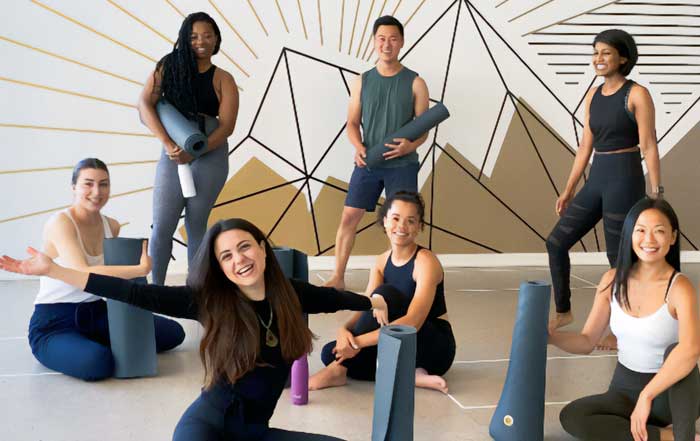
Yoga has become one of the most visible and influential pillars of the Canadian wellness identity, yet its evolution in Canada is marked by a distinctive emphasis on accessibility, diversity, and mental health. While yoga's origins lie in the millennia-old traditions of India, Canadian practitioners and brands have worked deliberately to honor those roots while adapting the practice to local cultural values and contemporary scientific understanding of movement, breath, and nervous system regulation.
In metropolitan centers such as Toronto, Vancouver, Montreal, and Calgary, yoga has moved well beyond the confines of boutique studios. Public park programs, waterfront classes, workplace wellness initiatives, and digital platforms have turned yoga into a community-wide practice that welcomes all ages, body types, and experience levels. Organizations like YYoga, Modo Yoga, and Lululemon Athletica have played critical roles in shaping this ecosystem. Lululemon, founded in Vancouver, stands as one of Canada's most globally recognized wellness brands, with a presence across North America, Europe, and Asia. Its retail spaces function as community hubs where local instructors, athletes, and mindfulness coaches host free or low-cost classes, workshops, and talks, reinforcing a sense of shared practice rather than transactional consumption.
Modo Yoga, with its roots in eco-conscious hot yoga, has helped define a model in which sustainability and social responsibility are inseparable from physical practice. Many of its studios are designed using low-VOC materials, energy-efficient heating systems, and water-saving fixtures, while its community initiatives raise funds for environmental and social justice causes. These approaches mirror broader trends in responsible business that readers can explore further through resources such as sustainable business practices and global ESG frameworks promoted by organizations like the United Nations Environment Programme.
For readers of WellNewTime, yoga's role in Canada is best understood not only as a fitness modality but as a cultural bridge between ancient wisdom and modern neuroscience. Articles in the Mindfulness section and Lifestyle coverage frequently highlight how Canadians are integrating breathwork, meditation, and restorative movement into daily routines to counter stress, improve sleep, and enhance emotional resilience.
Sports Fitness Innovation, National Identity, and Performance Culture
Canada's long-standing passion for outdoor activity-ice hockey, skiing, hiking, canoeing, and cycling-has evolved into a sophisticated sports fitness industry that now extends from elite performance centers to connected home gyms and workplace wellness studios. This evolution is deeply intertwined with national identity: physical activity is seen not only as recreation but as a pathway to community cohesion, mental health, and environmental engagement.
Traditional gym chains such as GoodLife Fitness, Canada's largest fitness club network, have redefined their role in response to digital disruption and shifting consumer expectations. With hundreds of locations nationwide, GoodLife Fitness has integrated mobile apps, virtual training platforms, and personalized health coaching, emphasizing preventive care and long-term habit formation rather than short-term transformation promises. Many of its facilities now incorporate meditation spaces, recovery lounges with massage and hydrotherapy, and partnerships with mental health providers, reflecting the understanding that optimal fitness includes psychological well-being and stress management.
International concepts localized for the Canadian market, such as F45 Training and Orangetheory Fitness, have also gained traction by blending high-intensity interval training with data-driven insights and community support. These brands leverage heart-rate monitoring, performance tracking, and gamification, aligning with research from organizations like the American College of Sports Medicine on the benefits of structured, measurable exercise programs. For readers interested in how these trends connect to broader health outcomes, WellNewTime's Health section and Fitness coverage regularly analyze new findings from institutions such as the World Health Organization and Public Health Agency of Canada.
At the elite level, the Canadian Sport Institute, Own the Podium, and national sport organizations have embraced integrated support teams that bring together strength coaches, sports psychologists, nutritionists, and mindfulness experts. This holistic performance model has helped Canadian athletes excel in global competitions while maintaining a strong focus on mental health, particularly in the wake of heightened awareness around athlete burnout and post-competition transitions.
Digital Wellness, AI, and the New Era of Personalized Health
By 2026, digital wellness has become one of the most dynamic forces reshaping how Canadians engage with health and fitness. Wearables, mobile apps, AI-powered coaching tools, and telehealth platforms have migrated from niche adoption to mainstream usage, accelerated first by the pandemic years and then by rapid advances in sensor technology, cloud computing, and machine learning.
Canadian-founded platforms such as Trainerize have emerged as global leaders in digital coaching infrastructure, enabling personal trainers, physiotherapists, and health coaches to deliver customized programs remotely. The platform integrates with devices from Apple, Garmin, and Fitbit, consolidating activity, heart-rate, and recovery data into actionable insights. This trend toward data-informed wellness aligns with broader digital health strategies promoted by organizations like Canada Health Infoway and the Canadian Institute for Health Information, which advocate for interoperable systems and evidence-based digital care models. Readers can explore how these technologies intersect with innovation and entrepreneurship in WellNewTime's Innovation section.
AI-driven wellness tools are now being used to predict injury risk, flag early signs of burnout, and personalize nutrition and training plans based on biomarkers and lifestyle data. Canadian startups in cities such as Toronto, Vancouver, and Montreal are collaborating with universities and hospitals to develop algorithms that support chronic disease prevention and rehabilitation, in line with guidelines from the National Institutes of Health and Mayo Clinic on lifestyle medicine. For users, this means that wellness is increasingly proactive and adaptive: instead of waiting for symptoms to appear, individuals receive nudges and recommendations that help them adjust sleep, movement, and stress management in real time.
Telehealth and remote physiotherapy solutions, often covered by private insurers and employer benefit plans, have significantly expanded access to care in rural and remote regions, including parts of Northern Canada and Indigenous communities. This integration of digital tools into traditional care pathways illustrates how Canada is reframing wellness as a continuum that spans self-care, community support, and clinical expertise.
Wellness Tourism and Nature-Based Retreats as Economic Catalysts
Canada's vast geography-mountain ranges, boreal forests, coastal inlets, and lake systems-has become one of its most valuable wellness assets. Wellness tourism, which includes spa retreats, yoga and meditation getaways, eco-adventure programs, and nature-based rehabilitation, now represents a fast-growing segment of the country's travel industry.
Destinations such as Scandinave Spa Blue Mountain in Ontario, Willow Stream Spa at Fairmont Banff Springs in Alberta, and Kananaskis Nordic Spa in the Rockies have set benchmarks for experiences that combine hydrotherapy circuits, thermal bathing, aromatherapy, yoga, and guided nature immersion. These resorts attract visitors from the United States, Europe, and Asia who seek restorative experiences grounded in natural surroundings rather than purely urban luxury. Their approach aligns with global research on nature and mental health from institutions like the European Environment Agency and Harvard T.H. Chan School of Public Health, which highlight the benefits of green and blue spaces for stress reduction and cognitive function.
National and provincial tourism bodies, including Destination Canada, have deliberately positioned the country as a sanctuary for wellness travelers, promoting sustainable practices such as low-impact construction, wildlife conservation, and community partnerships with local artisans and Indigenous groups. Readers interested in following the evolution of wellness travel, both in Canada and internationally, can find in-depth coverage in the Travel section and environmentally focused analysis in the Environment page on WellNewTime.
Sustainability, Circular Design, and Eco-Conscious Wellness Branding
Sustainability has moved from a marketing differentiator to a non-negotiable standard for Canadian wellness and fitness brands. As climate risks intensify and consumers demand transparency, companies are under pressure to demonstrate measurable commitments to environmental stewardship, ethical sourcing, and circular product life cycles.
Lululemon Athletica has continued to expand its Like New resale program and invest in materials innovation, including recycled and plant-based fibers, with public sustainability goals aligned with frameworks from the Science Based Targets initiative. Vancouver-based Tentree, which plants ten trees for every item sold, has grown from an apparel brand into a broader environmental movement, using digital tools to show customers where and how reforestation projects are progressing. These initiatives reflect a deeper shift in consumer behavior documented by organizations such as McKinsey & Company and the Ellen MacArthur Foundation, which report that younger generations increasingly view environmental responsibility as integral to personal well-being.
Smaller Canadian brands such as Saje Natural Wellness and Tonic Active have anchored their identities in toxin-free formulations, low-impact manufacturing, and thoughtful packaging design. Saje Natural Wellness emphasizes plant-based essential oils and aromatherapy products, supported by educational content on safe usage and evidence-informed self-care, echoing guidance from sources like the National Center for Complementary and Integrative Health. Retreats such as Grail Springs Retreat Centre for Wellbeing in Ontario integrate renewable energy, organic agriculture, and plant-based cuisine into their programming, illustrating how environmental and personal wellness can reinforce each other.
For readers of WellNewTime, the convergence of sustainability and wellness is a recurring theme across the Environment section and Wellness coverage, where eco-driven innovation, green building, and low-carbon travel are examined as core elements of future-ready lifestyles.
Community Health, Corporate Wellness, and the Future of Work
Canada's wellness economy is not driven solely by consumer products and tourism; it is increasingly embedded in community health strategies and corporate cultures. Organizations have recognized that investing in employee well-being and neighborhood health infrastructure yields tangible returns in productivity, innovation, and social cohesion.
GoodLife Fitness has expanded its community programs, working with schools, municipalities, and nonprofits to increase physical activity and health literacy among youth and underserved populations. Corporate wellness programs, once limited to subsidized gym memberships, now commonly include mental health days, mindfulness training, ergonomic assessments, and hybrid work policies that prioritize work-life balance. Major employers such as RBC, Shopify, and Telus Health have positioned wellness as a strategic priority, aligning with research from the World Economic Forum and OECD that links well-being to economic competitiveness and talent retention.
Healthcare institutions, including Toronto's Mount Sinai Health System and other academic hospitals, are forming partnerships with fitness professionals and technology companies to design preventive programs for cardiovascular disease, diabetes, and musculoskeletal conditions. These integrated models reflect an emerging consensus among public health leaders and organizations like the World Health Organization that prevention and lifestyle medicine must complement acute care to sustain health systems over the long term.
Professionals interested in entering or advancing within this growing ecosystem can find evolving roles in health coaching, corporate wellness consulting, digital product design, and wellness-focused HR. The Jobs section on WellNewTime regularly highlights these career paths and the skills required in a wellness-driven labor market.
Mindfulness, Mental Health, and the Science of Human Performance
The integration of mindfulness into Canadian wellness culture has moved far beyond a niche interest in meditation apps. Across sports, education, healthcare, and corporate environments, mindfulness practices such as breathwork, body scans, and contemplative movement are being applied as tools for emotional regulation, focus, and resilience.
Canadian Olympians and professional athletes increasingly work with sports psychologists and mindfulness coaches to manage performance anxiety, recover from injuries, and transition out of competitive careers. These interventions are supported by a growing body of research from institutions such as Stanford University, UCLA's Mindful Awareness Research Center, and University of British Columbia, which document the benefits of mindfulness for attention, stress reduction, and neural plasticity. Brands like Lululemon Studio, Headspace Health, and Calm Business have partnered with Canadian organizations to offer structured mental fitness programs for both athletes and executives.
Schools and universities across provinces such as British Columbia, Ontario, and Quebec are integrating mindfulness into curricula to support student mental health and social-emotional learning, in alignment with frameworks promoted by the Canadian Mental Health Association. These initiatives recognize that early exposure to self-regulation and compassionate awareness can have long-term benefits for mental health outcomes and community well-being.
Readers who wish to deepen their understanding of these practices and their scientific foundations can explore the Mindfulness page on WellNewTime, which regularly examines the intersection of contemplative traditions, psychology, and neuroscience.
Global Collaboration, Cross-Border Brands, and Canada's International Role
Canada's wellness sector has become increasingly global in both outlook and impact. Canadian brands collaborate with partners in Europe, Asia, Africa, and South America, while international wellness leaders view Canada as a testbed for innovative products, policies, and research.
Lululemon continues to expand collaborations with yoga communities and athletes in markets such as Japan, Australia, the United Kingdom, and Germany, reflecting the global reach of Canadian wellness culture. Partnerships between Canadian institutions and organizations like Harvard Medical School, World Health Organization, and Global Wellness Institute have helped position the country as a contributor to international guidelines on mental health, workplace well-being, and sustainable tourism. Outdoor and performance brands such as MEC (Mountain Equipment Company) work with eco-tourism operators and NGOs in Scandinavia, New Zealand, and South America to promote responsible adventure travel and nature-based wellness.
These cross-border initiatives reinforce Canada's reputation as a country that combines economic opportunity with ethical leadership, a theme frequently explored in the World section and Business coverage on WellNewTime. For wellness brands, operating out of Canada increasingly means participating in a global conversation about how to design products and services that enhance human flourishing while respecting planetary boundaries.
Indigenous Wellness Knowledge and the Ethics of Inclusion
One of the most significant and distinctive developments in Canada's wellness landscape is the growing recognition of Indigenous knowledge systems as vital sources of holistic health wisdom. Indigenous approaches to well-being emphasize interconnectedness between physical, emotional, spiritual, and community dimensions, grounded in deep relationships with land and ancestors.
Organizations such as the First Nations Health Authority (FNHA) and Indigenous-led wellness centers are working to revitalize traditional healing practices, including sweat lodge ceremonies, land-based programs, herbal medicine, and storytelling circles. These initiatives are not framed as commercial trends but as acts of cultural continuity and self-determination, aligned with principles articulated in the Truth and Reconciliation Commission of Canada reports and the United Nations Declaration on the Rights of Indigenous Peoples.
Wellness destinations inspired by Indigenous traditions, including spas and retreats in British Columbia, Alberta, and the Atlantic provinces, are increasingly adopting protocols of cultural consultation, revenue-sharing, and educational programming to ensure respectful engagement. For readers of WellNewTime, these developments underscore that true wellness in Canada must be inseparable from reconciliation, cultural respect, and social justice-an insight explored in depth across the Wellness section and broader lifestyle reporting.
Looking Ahead: Canada's Wellness Blueprint for 2030 and Beyond
As 2030 approaches, Canada's wellness, yoga, and sports fitness sectors are converging into an integrated ecosystem that is increasingly personalized, tech-enabled, and values-driven. AI-enhanced wearables, smart textiles, and immersive digital environments are poised to make wellness more predictive and interactive, while sustainability metrics and social impact reporting will become standard expectations for any serious wellness brand.
Smart clothing from companies such as Hexoskin and innovation labs associated with Lululemon are already demonstrating how real-time biometric feedback can inform posture, breathing, and training intensity, aligning with global trends in human performance optimization. Virtual and mixed reality fitness platforms, including Canadian and international players like FitXR, are creating immersive environments that blend entertainment, community, and physical exertion, appealing to younger demographics and remote workers alike.
For the global audience of WellNewTime, Canada's wellness story offers more than a catalogue of successful brands or attractive destinations. It presents a model for how a country can weave well-being into public policy, urban design, corporate governance, education, and cross-cultural dialogue. Readers can continue to follow these developments in the Wellness, Lifestyle, Business, Health, and News sections of WellNewTime, where wellness is examined not as a trend but as a long-term transformation in how societies define progress.
In 2026, Canada stands as a global beacon of wellness innovation and integrity. Its integration of science and spirituality, technology and tradition, individual care and collective responsibility offers a powerful blueprint for regions across North America, Europe, Asia, Africa, and South America. As the world navigates climate uncertainty, mental health challenges, and rapid technological change, the Canadian experience suggests that the most resilient societies will be those that place human and planetary well-being at the center of their economic and cultural strategies-and that is precisely the vision that WellNewTime.com continues to document, analyze, and share with its worldwide readership.