

Wellness Retreats for Creative Professionals: The New Strategic Advantage
The Rise of Wellness as a Creative Imperative
By 2026, wellness is no longer viewed as a peripheral perk for creative professionals; it has become a strategic necessity for individuals and organizations operating in design, media, technology, marketing, entertainment, and the broader knowledge economy. As burnout rates have risen in the United States, the United Kingdom, Germany, Canada, Australia, and across Europe and Asia, leaders in creative industries have increasingly recognized that sustained innovation depends on the mental, emotional, and physical resilience of their teams. In this context, wellness retreats specifically tailored to creative professionals have emerged as one of the most powerful tools for restoring focus, deepening creative capacity, and building long-term professional sustainability.
On WellNewTime and its dedicated sections such as wellness, health, and lifestyle, readers from North America, Europe, and Asia have consistently shown growing interest in structured experiences that combine rest, reflection, and skill-building. This mirrors a broader global trend documented by organizations such as the World Health Organization, which has highlighted the rising burden of stress-related conditions and the need for integrated mental health strategies. Those who wish to explore the global mental health context can review the evolving guidance from the World Health Organization, which increasingly emphasizes prevention, resilience, and workplace interventions.
Why Creative Professionals Are Uniquely Vulnerable to Burnout
Creative work is often romanticized as a lifestyle of freedom and inspiration, yet the realities for professionals in advertising, film, publishing, gaming, software design, architecture, and content creation are far more complex. Tight deadlines, client expectations, algorithm-driven performance metrics, and the pressure to continually produce original ideas create an environment where the mind is constantly "on," even outside formal working hours. In major creative hubs such as New York, London, Berlin, Toronto, Sydney, Paris, Milan, Barcelona, Amsterdam, Zurich, Singapore, Seoul, and Tokyo, this pressure is amplified by competitive markets and the expectation of near-constant availability.
Research from organizations like the American Psychological Association has shown that chronic stress undermines cognitive flexibility, emotional regulation, and problem-solving capacity, all of which are essential for creative excellence. Those interested in the scientific basis of this can review psychological findings on stress and performance. As the boundaries between work and life have blurred, especially with remote and hybrid models across North America, Europe, and Asia-Pacific, creative professionals find themselves in a continuous cycle of production with limited time for genuine recovery. The result is a pattern of burnout that manifests as emotional exhaustion, reduced creative output, and a sense of disconnection from one's own work and purpose.
The Strategic Role of Wellness Retreats
Wellness retreats designed for creative professionals respond directly to this challenge by offering structured environments where individuals can step away from their usual routines and immerse themselves in practices that restore mental clarity, physical balance, and emotional stability. Unlike traditional vacations, which often replicate the same overstimulation and digital overload of daily life, these retreats are curated to create conditions that support deep rest and renewed inspiration. They integrate elements such as mindfulness, movement, nature immersion, and reflective workshops with an understanding of how creative minds function and what they need to thrive over the long term.
For brands, agencies, studios, and startups featured in WellNewTime's business coverage, these retreats are increasingly viewed as investments in intellectual capital rather than discretionary wellness spend. Forward-looking organizations in the United States, the United Kingdom, Germany, France, the Netherlands, Scandinavia, and across Asia are incorporating retreat-based programs into their talent strategies, recognizing that the ability to generate insight, innovation, and compelling narratives depends on the inner state of their teams. Those who wish to understand broader trends in employee well-being can learn more about workplace wellness strategies.
Key Components of Retreats for Creative Minds
The most effective wellness retreats for creative professionals share several core components, even when they are delivered in very different cultural and geographic contexts, from the mountains of Switzerland and Austria to the coasts of California, Spain, Portugal, Thailand, and New Zealand. These retreats are not simply about relaxation; they are deliberately structured to support neurocognitive recovery, emotional recalibration, and the conditions in which creativity naturally flourishes.
Mindfulness practices are now foundational. Guided meditation, breathwork, and contemplative exercises help participants step out of the constant stream of notifications and demands, creating mental space for deeper insight. Leading institutions such as Oxford University and Harvard Medical School have documented the impact of mindfulness on attention, emotional regulation, and resilience, and readers can explore research on mindfulness and cognition for a deeper understanding. On WellNewTime, the mindfulness section regularly highlights how these practices can be integrated into both retreats and daily routines.
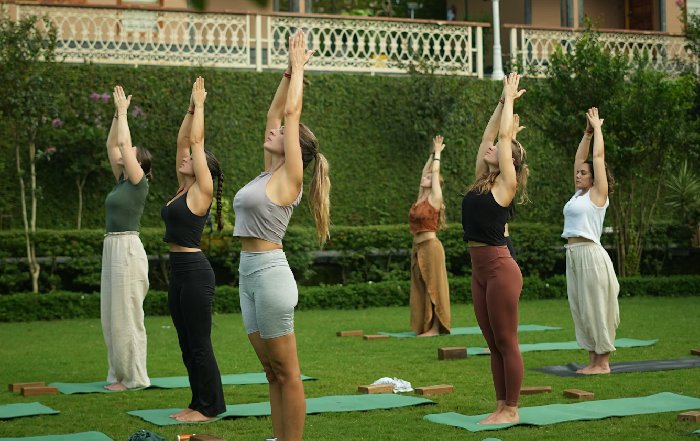
Movement and fitness are another essential pillar. Rather than focusing solely on high-intensity exercise, retreats for creative professionals often emphasize functional movement, yoga, walking, swimming, or hiking in natural environments. This aligns with the growing recognition, supported by organizations like the Mayo Clinic, that moderate, consistent movement supports brain health, mood, and energy regulation. Those who want to explore this further can review evidence on exercise and mental well-being. On WellNewTime's fitness pages, readers will find complementary perspectives on how movement supports both physical and creative performance.
The Role of Massage, Bodywork, and Somatic Reset
For many creative professionals, stress is not only cognitive or emotional; it is held in the body through muscular tension, disrupted sleep, headaches, and chronic discomfort. Wellness retreats increasingly integrate massage therapy and bodywork as core interventions rather than optional add-ons, recognizing that creative performance depends on a nervous system that is not perpetually in a state of fight-or-flight. Techniques such as deep tissue massage, myofascial release, Thai massage, and craniosacral therapy are used to down-regulate stress responses, support parasympathetic activation, and create a sense of embodied calm.
Evidence from clinical and integrative health organizations, including Cleveland Clinic, indicates that massage can reduce anxiety, improve sleep, and support pain management, all of which are crucial for professionals who spend long hours at screens or in studios. Readers can learn more about the health benefits of massage and consider how these practices might be incorporated into their own routines. On WellNewTime, the dedicated massage section explores modalities and approaches that align with modern, high-pressure lifestyles.
By addressing the somatic dimension of stress, retreats create conditions where participants can not only think more clearly but also feel more grounded and present in their bodies. This embodied presence is increasingly recognized as essential to sustained creative work, particularly in fields that demand nuanced emotional expression, such as film, music, fashion, and storytelling across digital platforms.
Beauty, Environment, and the Aesthetics of Restoration
Creative professionals are acutely sensitive to aesthetics, and the design of a retreat environment can profoundly influence its impact. Spaces that integrate natural materials, biophilic design, and thoughtful sensory elements such as light, sound, and scent can support deeper relaxation and inspiration. The global wellness and hospitality sectors have responded accordingly, with boutique hotels, eco-resorts, and specialized retreat centers in Europe, Asia, and the Americas designing experiences that are as visually and sensorially rich as they are restorative.
The intersection of beauty and well-being has been explored by organizations such as Global Wellness Institute, which has documented the growth of wellness tourism and the role of design in shaping emotional states. Those interested in the broader industry context can explore insights on wellness tourism and design. On WellNewTime's beauty and environment pages, the connection between aesthetic experience, sustainability, and personal well-being is a recurring theme.
For participants from cities such as New York, London, Berlin, Paris, Singapore, Hong Kong, and Tokyo, immersion in natural environments during retreats-whether in the Alps, the Rockies, the Mediterranean coast, Scandinavian forests, or the beaches of Thailand and Bali-provides a stark and necessary contrast to urban overstimulation. Research from institutions like Stanford University has suggested that time in nature can reduce rumination and support mental health, and readers may wish to review the emerging science on nature and psychological well-being. For creative professionals, this environmental shift often unlocks new perspectives, metaphors, and narrative frameworks that can be brought back into their work.
Global Destinations and Cultural Nuance
Wellness retreats for creative professionals have become truly global, with distinct regional flavors that reflect local traditions, landscapes, and cultural attitudes toward rest and work. In North America, particularly in the United States and Canada, retreats in California, Colorado, British Columbia, and the northeastern states often blend mindfulness, outdoor adventure, and leadership coaching. In Europe, destinations in Spain, Italy, France, Portugal, and the Nordic countries frequently integrate culinary experiences, slow living, and a focus on cultural heritage. Across Asia, from Thailand and Japan to South Korea and Singapore, retreats may incorporate traditional healing practices, tea ceremonies, onsen culture, and contemplative arts.
Organizations such as UNWTO have documented the expansion of wellness and experiential tourism across regions, highlighting how travelers seek not only rest but transformation. Those who are interested in the macro-level travel and tourism context can learn more about global tourism trends. For readers of WellNewTime, the travel section increasingly features destinations and programs that combine cultural immersion with structured wellness and creativity-focused experiences.
Cultural nuance matters, particularly for creative professionals working across global markets in Europe, Asia, Africa, and the Americas. Retreats that honor local traditions while offering a psychologically safe environment for reflection and experimentation can deepen participants' cross-cultural sensitivity and narrative range, which is invaluable for brands and media projects aimed at international audiences.
Business Value: From Personal Renewal to Organizational Strategy
Executives, founders, and creative directors are increasingly evaluating wellness retreats not only in terms of individual benefits but also through the lens of business outcomes. In an era where creative differentiation and brand storytelling are core competitive advantages, the ability of teams to generate original ideas, sustain focus, and collaborate effectively directly influences revenue, reputation, and long-term viability. Retreats have therefore evolved from informal getaways to structured interventions aligned with organizational goals.
Consultancies and thought leaders in management, such as Deloitte and BCG, have emphasized that organizations with strong well-being cultures are more likely to retain talent, foster innovation, and perform better financially. Those who want to explore this link can review perspectives on well-being and business performance. On WellNewTime's business and news sections, readers can see how leading brands across North America, Europe, and Asia-Pacific are integrating wellness into corporate strategy, employer branding, and talent development.
For agencies in London, Berlin, Amsterdam, New York, Los Angeles, Toronto, and Singapore, retreats that bring teams together in carefully designed settings can strengthen trust, clarify shared purpose, and reset unhealthy working patterns. They also signal a commitment to human-centered leadership, which is increasingly important for attracting top talent from countries such as Germany, Sweden, Norway, Denmark, the Netherlands, Japan, South Korea, and beyond, where expectations around work-life integration and psychological safety are evolving rapidly.
Careers, Freelancers, and the Future of Creative Work
The rise of wellness retreats must also be viewed through the lens of changing work structures. A significant proportion of creative professionals now operate as freelancers, independent consultants, or members of distributed teams, particularly in fields such as digital content, UX/UI design, gaming, film, and brand strategy. These professionals often lack the institutional support systems provided by large employers, making them more vulnerable to isolation, overwork, and income volatility.
Career and labor market observers, including the World Economic Forum, have noted that skills related to resilience, adaptability, and self-management are becoming as important as technical expertise. Readers may wish to explore future-of-work insights to understand how this trend is unfolding. For independent creatives, wellness retreats serve as both a reset mechanism and a strategic investment in long-term employability, helping them maintain the clarity and energy needed to navigate complex project portfolios and shifting client demands. On WellNewTime's jobs and brands pages, these dynamics are reflected in stories about how professionals and organizations are redefining success beyond short-term output.
Retreats also create opportunities for networking and collaboration that are qualitatively different from conventional conferences or online communities. When professionals from different countries and disciplines come together in an environment designed for openness and reflection, new partnerships and cross-border initiatives often emerge, expanding both creative possibilities and market reach.
Innovation, Technology, and the Hybrid Retreat Model
By 2026, wellness retreats for creative professionals are no longer confined to physical locations. Hybrid models that blend in-person immersion with digital follow-up have become common, enabling participants from regions such as South Africa, Brazil, Malaysia, and New Zealand to engage with global programs without continuous long-distance travel. Technology platforms are used to provide pre-retreat assessments, guided practices, and post-retreat integration support, ensuring that insights gained in a retreat setting translate into sustained behavioral change.
Organizations focused on digital health and human performance, including MIT Media Lab and other research-driven institutions, have explored how technology can support well-being without reinforcing digital fatigue. Those interested in these intersections can learn more about human-centered technology research. On WellNewTime's innovation pages, readers can follow how new tools, apps, and platforms are being designed to support mindfulness, emotional regulation, and creative flow, with a particular focus on balancing connectivity and disconnection.
For creative professionals, this hybrid model means that a retreat is no longer a one-time interruption to normal life but part of a longer arc of personal and professional development. Structured integration programs, accountability groups, and ongoing coaching help participants redesign their work habits, creative processes, and lifestyle choices, aligning them more closely with their values and long-term aspirations.
Integrating Retreat Insights into Everyday Life
The true value of a wellness retreat is measured not only by the experience itself but by what changes afterward. For creative professionals, the challenge is to translate the clarity, rest, and inspiration gained during a retreat into sustainable practices within demanding professional environments. This often involves rethinking boundaries around time and attention, adopting daily mindfulness or movement routines, and renegotiating expectations with clients, collaborators, and teams.
Health organizations such as NHS in the United Kingdom and Health Canada have emphasized the importance of lifestyle-based interventions for long-term mental and physical well-being. Those who want to deepen their understanding can explore guidance on stress, sleep, and healthy routines. On WellNewTime, the wellness and health sections regularly feature practical frameworks and case studies that help readers build these habits in ways that are compatible with demanding creative roles.
For organizations, integration may involve redesigning workflows to allow for more focused, uninterrupted creative time, normalizing recovery practices, and embedding reflective rituals into meetings, project kickoffs, and post-mortems. Leaders who have personally experienced the benefits of retreats are often better positioned to champion these changes credibly and to model the behaviors they wish to see in their teams.
A New Definition of Success for Creative Professionals
As the global audience of WellNewTime, spanning North America, Europe, Asia, Africa, and South America, continues to engage with themes of wellness, business, lifestyle, and innovation, a new definition of success is gradually emerging for creative professionals. Instead of equating achievement solely with output, awards, or financial metrics, there is a growing recognition that true success must also encompass vitality, emotional balance, meaningful relationships, and a sense of purpose in one's work.
Wellness retreats tailored to creative professionals are one of the clearest expressions of this shift. They signal that rest is not the opposite of productivity but its foundation, that inner clarity is as important as external recognition, and that sustainable creativity requires intentional cycles of expansion and recovery. For readers exploring these themes across WellNewTime's interconnected sections-from wellness and fitness to travel, business, and mindfulness-the emerging message is consistent: in a world that demands constant innovation, caring for the mind and body is no longer optional; it is a strategic, creative, and deeply human priority.
As 2026 unfolds, creative professionals in the United States, the United Kingdom, Germany, Canada, Australia, France, Italy, Spain, the Netherlands, Switzerland, China, Sweden, Norway, Singapore, Denmark, South Korea, Japan, Thailand, Finland, South Africa, Brazil, Malaysia, New Zealand, and beyond are redefining how they work, travel, rest, and create. Wellness retreats, thoughtfully chosen and skillfully integrated, are becoming one of the most powerful levers in that transformation, aligning personal well-being with professional excellence and shaping a more sustainable, inspired future for the global creative community. Readers can continue to follow and shape this evolution through the perspectives, insights, and stories shared across WellNewTime, where wellness and innovation meet the realities of modern creative life.