

Understanding Blood Pressure Readings at Home: A Practical Guide!
Monitoring blood pressure at home has become a core part of managing heart health worldwide. Affordable digital monitors, telehealth, and growing awareness of cardiovascular risk mean more people are checking their own readings-but many are unsure what the numbers actually mean, how often to measure, or when to worry. Misunderstanding home readings can cause unnecessary anxiety, or worse, a false sense of security. This guide explains how to interpret blood pressure measurements, how to measure accurately, and how home readings fit into broader wellness and lifestyle choices.
What the Two Blood Pressure Numbers Really Mean
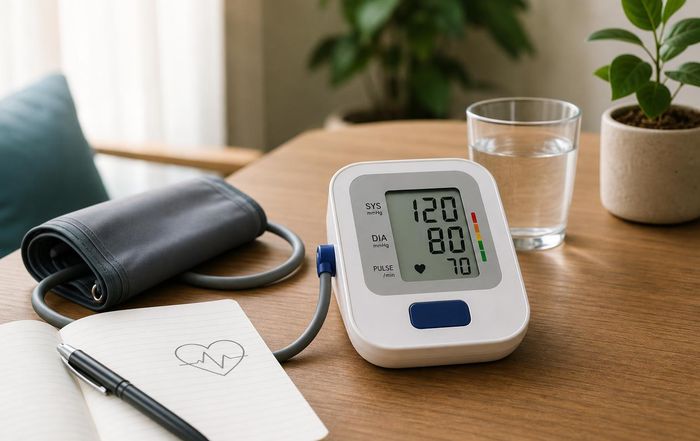
A blood pressure reading has two numbers, written like 120/80 mmHg. Both are important, and they describe the pressure of blood against artery walls at different points in the heartbeat.
The top number, systolic pressure, is the pressure when the heart contracts and pumps blood out. The bottom number, diastolic pressure, is the pressure when the heart relaxes between beats. The unit "mmHg" stands for millimetres of mercury, a traditional way to measure pressure. According to organizations such as the American Heart Association (AHA) and World Health Organization (WHO), high systolic pressure is a strong predictor of cardiovascular risk, especially in older adults, while high diastolic pressure can be more prominent in some younger people. Both numbers contribute to the overall picture of cardiovascular health, and neither should be ignored. Over time, consistently elevated readings increase the risk of heart attack, stroke, kidney disease, and other complications, but risk also depends on age, other conditions such as diabetes, cholesterol levels, smoking status, and family history.
Normal, Elevated, and High: How Guidelines Classify Home Readings
Different medical organizations use slightly different thresholds, and some guidelines distinguish between readings taken in a clinic and readings taken at home. In general, home measurements tend to run a little lower than office readings, partly because many people feel less anxious at home. The AHA and several major international societies use categories similar to the following for adults:
Normal blood pressure: Below 120 systolic and below 80 diastolic (for example, 115/75).
Elevated: 120-129 systolic and less than 80 diastolic.
Hypertension, Stage 1: 130-139 systolic or 80-89 diastolic.
Hypertension, Stage 2: 140 or higher systolic or 90 or higher diastolic.
Hypertensive crisis (emergency): Usually 180 or higher systolic and/or 120 or higher diastolic, especially if accompanied by symptoms such as chest pain, difficulty breathing, confusion, or severe headache.
For home monitoring, some guidelines, including those from the European Society of Cardiology (ESC), treat an average home reading of 135/85 mmHg or higher as a practical threshold for hypertension, since home values are typically a bit lower than office measurements. This does not mean a single reading of 135/85 is dangerous; rather, clinicians look at averages across days and weeks. It is also common for healthcare professionals to pay close attention to overall risk rather than just a category label. For example, someone with 130/80 and diabetes may be treated more aggressively than someone with the same reading but no other risk factors.
Why Home Blood Pressure Monitoring Matters
Home monitoring is not just a convenience; it can meaningfully improve diagnosis and management of high blood pressure. Several large studies, summarized by organizations such as the National Heart, Lung, and Blood Institute (NHLBI), show that home readings can help identify "white coat hypertension," where blood pressure is high in the clinic but normal at home, and "masked hypertension," where office readings look fine but home readings are elevated. Both patterns affect treatment decisions, and without home monitoring they can easily be missed.
Regular home readings also allow people and their clinicians to see how blood pressure responds to changes in medication, diet, stress, sleep, or exercise. For those following wellness-focused lifestyles, tracking the impact of meditation, yoga, or endurance training on blood pressure can be motivating and informative. In some health systems, home monitoring is now integrated into telehealth programs, where readings are shared electronically and reviewed remotely. This can be especially valuable for people in rural areas or those with mobility challenges, complementing broader wellness and health strategies.
Choosing a Reliable Home Blood Pressure Monitor
Not all devices are equally accurate, and small differences in readings can influence treatment decisions. Major organizations such as the British and Irish Hypertension Society (BIHS) and the American Medical Association (AMA) recommend using an automated upper-arm cuff monitor that has been independently validated. Lists of validated devices are maintained by professional societies and some national hypertension organizations. Key points when choosing a monitor include preferring an upper-arm device rather than wrist or finger monitors, which are more sensitive to positioning and often less reliable, and ensuring that the cuff size matches the circumference of the upper arm. A cuff that is too small can give falsely high readings; a cuff that is too large can underestimate pressure.
It is usually worth avoiding unbranded or very low-cost devices that lack clear validation information, even if they appear attractive online. Many pharmacies and medical equipment suppliers stock monitors from established manufacturers whose devices have undergone independent testing. Some newer models can sync with smartphone apps, which may help with tracking and sharing data, but connectivity is less important than basic accuracy. In some regions, insurers or public health services may subsidize or loan validated monitors, especially for high-risk patients. When in doubt, a clinician or pharmacist can often recommend suitable models, and some clinics will compare a new home monitor with their own equipment to confirm that readings are broadly consistent.
How to Measure Blood Pressure Correctly at Home
Accurate technique matters as much as the device itself. International guidelines, including advice from WHO and AHA, emphasize a few core steps that can significantly improve reliability. Before measuring, it is helpful to avoid caffeine, nicotine, intense exercise, or a large meal for at least 30 minutes when practical, as all can temporarily raise or alter blood pressure. Emptying the bladder beforehand is recommended, because a full bladder can modestly increase readings. Then, resting quietly for about five minutes in a comfortable chair with back support sets a calmer baseline.
During the measurement, the feet should be flat on the floor, legs uncrossed, with the arm supported at heart level on a table or armrest. The cuff should be wrapped snugly around the bare upper arm, not over clothing, with its lower edge about two to three centimetres above the elbow crease. Talking, checking messages, or moving around while the cuff inflates can distort the result, so it is best to sit still and remain silent. Most guidelines recommend taking two readings, one to two minutes apart, and recording the average; if the readings differ significantly, some clinicians suggest taking a third and averaging the last two. For those tracking fitness or experimenting with breathing exercises, it is still important to keep the measurement routine consistent so that changes over time are meaningful.
How Often to Check Blood Pressure at Home
The best schedule depends on personal risk, whether hypertension has been diagnosed, and whether treatment is being adjusted. For people without known high blood pressure but with risk factors such as family history, overweight, or a sedentary lifestyle, some clinicians advise checking at home for a week or two every year or so, or as recommended during routine health visits, to identify early changes. For those with a new diagnosis of high blood pressure, many guidelines suggest measuring twice daily-once in the morning before medication and once in the evening-for several days or a couple of weeks, then sharing the averaged results with a healthcare professional.
Once blood pressure is stable on treatment, checking a few times per week, or in brief "monitoring blocks" a few times a year, may be sufficient, though recommendations vary. Excessive measuring can increase anxiety and lead to focusing on normal short-term fluctuations rather than long-term trends. Discussing frequency with a clinician can help balance vigilance with peace of mind. People participating in structured health programs, including those offered by business wellness initiatives or employer-based screenings, may follow more specific protocols tailored to workplace health strategies.
Understanding Day-to-Day Fluctuations
Blood pressure is not a fixed number; it naturally changes throughout the day in response to posture, activity, stress, temperature, and hormonal cycles. It tends to be lower during sleep and often rises in the early morning, a pattern recognized in research summarized by organizations such as the National Institutes of Health (NIH). Standing up quickly, drinking coffee, or rushing to answer a phone can all cause short-lived spikes that are not necessarily dangerous in healthy individuals. This is why clinicians emphasize averages over several days rather than reacting to a single reading.
At home, it is useful to measure at roughly the same times each day when tracking patterns, such as morning and evening, and to note anything unusual that might explain an outlier, like a poor night's sleep or an argument just before measuring. Small variations from one day to another are normal. However, consistently higher readings over weeks, or a clear upward trend, may justify a review of lifestyle, medication, or both. For those interested in mindfulness and stress reduction, observing how practices like meditation, breathing exercises, or gentle yoga influence readings over time can be a powerful way to connect emotional states with cardiovascular responses.
White Coat and Masked Hypertension: When Home and Clinic Disagree
One of the main reasons clinicians encourage home monitoring is the mismatch that can occur between clinic and home readings. White coat hypertension describes a pattern where blood pressure is elevated in medical settings but normal at home. Anxiety, anticipation, or simply being in a clinical environment can temporarily raise readings. While this pattern may carry a lower risk than sustained hypertension, research from groups such as the European Society of Hypertension (ESH) suggests it is not entirely benign, especially when other risk factors are present, so it usually warrants periodic follow-up and attention to lifestyle.
The opposite pattern, masked hypertension, occurs when office readings look normal but home readings are consistently high. This can be particularly concerning because it may go unnoticed without home monitoring and is associated with cardiovascular risk similar to sustained hypertension. Masked hypertension can be related to workplace stress, smoking, alcohol use, or other factors that are less apparent during brief clinic visits. In both situations, clinicians often rely on multiple home readings, and sometimes 24-hour ambulatory blood pressure monitoring, to clarify the diagnosis and guide treatment. Understanding these patterns can help individuals feel less confused when numbers differ between environments and can support more nuanced, individualized care.
Lifestyle, Wellness, and Blood Pressure: What Actually Helps
Lifestyle changes are often the first recommendation for elevated blood pressure and remain important even when medication is needed. Evidence-based guidance from organizations such as WHO, the Centers for Disease Control and Prevention (CDC), and major cardiac societies consistently highlights a few key areas. Regular physical activity-such as brisk walking, cycling, or swimming for at least 150 minutes per week of moderate intensity-can reduce blood pressure by several points on average. Strength training a couple of times per week contributes additional benefits, especially when integrated into a broader lifestyle approach focused on long-term health rather than short-term appearance.
Diet also plays a major role. Many clinicians recommend patterns similar to the DASH (Dietary Approaches to Stop Hypertension) diet, emphasizing vegetables, fruits, whole grains, legumes, nuts, and low-fat dairy, while limiting salt, processed foods, and excessive alcohol. For most adults, reducing sodium intake is particularly effective, though the ideal target can vary depending on other health conditions. Weight management, if needed, can further lower blood pressure, as can quitting smoking and moderating alcohol consumption. Stress management strategies-meditation, breathing exercises, yoga, time in nature, or massage therapy-can help reduce sympathetic nervous system activation, and some people see modest but meaningful improvements in home readings when these practices become consistent parts of daily life. For those exploring complementary therapies, it is important to view them as additions to, not replacements for, medical advice and any prescribed treatment.
Medication, Home Readings, and When to Call a Doctor
Many people with high blood pressure eventually need medication, either alone or in combination with lifestyle changes. Classes such as ACE inhibitors, ARBs, calcium channel blockers, diuretics, and beta-blockers are widely used and have extensive safety and outcome data, summarized by resources like the Mayo Clinic (Mayo Clinic). Home monitoring helps clinicians adjust doses more precisely and identify side effects such as blood pressure that drops too low, causing dizziness or faintness. It is important not to change or stop medication solely based on self-monitoring without discussing it with a healthcare professional, even if readings appear improved.
Understanding when to seek urgent help is crucial. A single very high reading can be alarming, but context matters. Many guidelines suggest that a reading around or above 180/120 mmHg, especially if accompanied by symptoms like chest pain, shortness of breath, severe headache, weakness, visual changes, confusion, or difficulty speaking, requires immediate medical attention through emergency services rather than waiting for a routine appointment. On the other hand, if readings are moderately elevated but there are no concerning symptoms, contacting a clinician within days to weeks to review the pattern is usually appropriate. Keeping a log of dates, times, readings, and any symptoms can make these conversations more productive and help clinicians tailor treatment.
Making Sense of Trends and Sharing Data with Professionals
A single blood pressure reading is like a snapshot; a series of readings over time is more like a film. Most clinicians prefer to see averages over several days or weeks, such as morning and evening readings for seven days, discarding the first day and averaging the rest. Some home monitors or smartphone apps automatically calculate averages and display trends, but a simple paper log can be just as effective. When sharing readings, it helps to note medication changes, illnesses, travel, or stressful events that might temporarily affect blood pressure.
For people who travel frequently, work shifts, or live in different time zones, consistent timing may be more difficult, but the principle remains: aim for regular measurements during periods of relative rest, and focus on longer-term patterns. This approach aligns with broader wellness tracking, where sleep quality, activity, and stress levels are often monitored alongside cardiovascular metrics. Integrating home blood pressure readings into consultations with primary care clinicians, cardiologists, or hypertension specialists can support more personalized care and help avoid overtreatment or undertreatment.
Integrating Blood Pressure Monitoring into Everyday Life
For many, the challenge is not understanding what the numbers mean, but incorporating monitoring into daily routines without feeling overwhelmed. Placing the monitor in a convenient, visible location, linking measurements with existing habits such as morning tea or evening wind-down time, and using reminders or calendar notes can help build consistency. Some find it useful to combine measurement time with a brief mindfulness or breathing practice, reinforcing a connection between calm states and cardiovascular health. Others prefer a more clinical approach, treating measurements as data points to discuss periodically with health professionals.
Whatever the style, the goal is not perfection but awareness. Home blood pressure monitoring is a tool, not a verdict. When combined with evidence-based lifestyle strategies, thoughtful medical care, and attention to mental and emotional wellbeing, it can be a powerful way to protect long-term health. Understanding how to read the numbers, measure accurately, and interpret trends allows individuals to move from passive recipients of care to active partners in their own cardiovascular wellbeing, aligned with a broader commitment to holistic, sustainable health.