

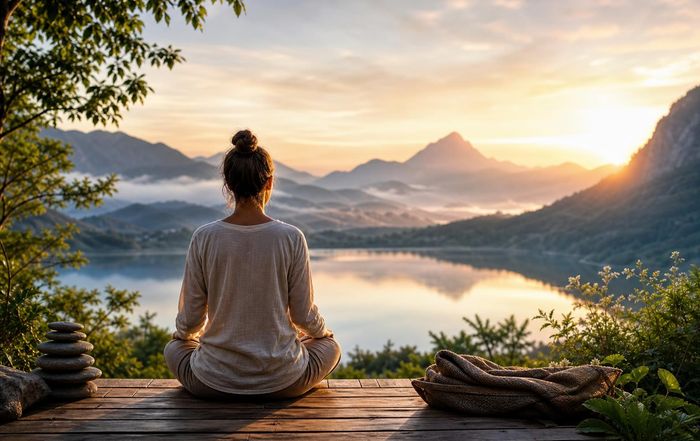
Travel Experiences That Promote Inner Balance in 2026
Redefining Travel: From Escape to Inner Alignment
In 2026, travel is no longer viewed primarily as a temporary escape from daily life; it is increasingly understood as a deliberate strategy for cultivating inner balance, emotional resilience and long-term wellbeing. As global travellers from the United States, Europe, Asia and beyond reassess what truly matters after years of social, economic and health disruptions, journeys that integrate wellness, mindfulness, fitness and meaningful cultural engagement have moved from niche to mainstream. Within this evolving landscape, WellNewTime positions itself as a guide for discerning individuals seeking travel experiences that are not only memorable but also transformative, weaving together insights from wellness science, mental health research and sustainable tourism practices.
This shift is underpinned by a growing body of evidence showing that thoughtfully designed travel can support psychological recovery, reduce stress and promote healthier lifestyle habits. Organisations such as the World Health Organization highlight the global burden of stress-related illness and mental health challenges, while resources from institutions like Harvard Medical School and the Mayo Clinic underscore the benefits of movement, nature exposure and social connection for long-term health. As readers of WellNewTime's wellness insights already recognise, travel is emerging as one of the most powerful ways to integrate these elements into a cohesive, life-enhancing experience.
The Psychology of Inner Balance on the Move
Inner balance is often described as a state in which emotional stability, mental clarity and physical vitality coexist, enabling individuals to respond to life's demands with flexibility rather than reactivity. Contemporary research in positive psychology and behavioural science suggests that this balance is not a fixed destination but a dynamic process that can be nurtured through intentional habits, environments and experiences. Travel, particularly when aligned with clear wellbeing intentions, can act as a catalyst for this process by interrupting automatic routines, creating space for reflection and exposing individuals to new perspectives that challenge limiting beliefs.
Studies from institutions such as the American Psychological Association and the National Institutes of Health indicate that time away from routine environments can reduce perceived stress, support cognitive restoration and stimulate creativity, especially when travellers engage in mindful practices rather than simply consuming entertainment. Learn more about how restorative experiences support mental health through resources such as NIH's stress and health overview. For readers of WellNewTime's mindfulness coverage, this aligns with the understanding that presence, deliberate attention and self-awareness are skills that can be strengthened through immersive experiences, including those encountered on the road, in nature or in culturally rich urban settings.
Wellness Travel as a Strategic Investment in Health
Wellness travel in 2026 has matured into a sophisticated ecosystem that extends far beyond spa weekends or occasional yoga retreats. It now incorporates integrative health assessments, personalised fitness programming, nutritional education and evidence-based stress management techniques designed to support long-term behavioural change. The Global Wellness Institute has documented the rapid expansion of wellness tourism across North America, Europe and Asia, with travellers from countries such as the United States, Germany, the United Kingdom, Australia and Singapore seeking destinations that offer both high-quality healthcare infrastructure and authentic local experiences. Explore how wellness tourism has evolved through resources like the Global Wellness Institute's wellness tourism research.
For readers of WellNewTime's health section, this evolution reflects a broader trend in which individuals view travel not as a disruption to healthy routines but as an opportunity to deepen them. Leading clinics and hospitality groups in regions such as Switzerland, Japan and South Korea are partnering with medical and fitness professionals to offer integrated programmes that combine diagnostic screenings, personalised movement plans and stress reduction therapies. Authoritative sources such as the Cleveland Clinic and Johns Hopkins Medicine emphasise the importance of lifestyle interventions in preventing chronic disease, and wellness travel experiences that promote inner balance are increasingly designed to help travellers implement these recommendations in a supportive, inspiring environment.
Mindful Itineraries: Designing Journeys for Presence and Reflection
Mindful travel experiences are distinguished not by their geographic location but by the quality of attention travellers bring to each moment and the intentional design of the itinerary to support that attention. Rather than cramming schedules with back-to-back attractions, mindful itineraries create spaciousness for reflection, journaling, unstructured exploration and meaningful conversations with local communities. This approach resonates strongly with readers who follow WellNewTime's lifestyle guidance, as it mirrors broader efforts to simplify schedules and reduce digital overload in daily life.
Institutions such as UC Berkeley's Greater Good Science Center have documented the benefits of mindfulness practices, including reduced anxiety, improved emotional regulation and stronger interpersonal connections. Learn more about how mindfulness supports wellbeing through resources such as the Greater Good Science Center's mindfulness overview. When travellers weave simple practices-such as breathing exercises on long-haul flights, guided meditations in hotel rooms or mindful walking through historic neighbourhoods in cities like Paris, Kyoto or Cape Town-into their journeys, the trip becomes a laboratory for cultivating inner balance that can be sustained long after returning home.
Nature Immersion and the Global Search for Stillness
Across continents, travellers are increasingly seeking destinations that offer deep contact with nature as a pathway to inner equilibrium. From the fjords of Norway and the forests of Finland to the national parks of the United States, Canada and New Zealand, nature-based experiences are being deliberately curated to support mental restoration and physical rejuvenation. Scientific evidence from organisations such as the European Environment Agency and Nature Conservancy highlights how exposure to green and blue spaces can lower cortisol levels, improve mood and encourage physical activity. Learn more about the benefits of nature exposure through references such as the Nature Conservancy's nature and health resources.
For the global audience of WellNewTime, nature immersion travel increasingly includes structured practices like forest bathing, guided hiking with mindfulness instruction, cold-water immersion in Nordic countries and digital detox retreats in remote eco-lodges across Asia, Africa and South America. The interest in environmentally conscious travel also intersects with readers' engagement with WellNewTime's environment coverage, as travellers seek to align their inner balance with outer sustainability. Organisations such as the United Nations Environment Programme and World Wildlife Fund provide guidance on how to minimise ecological impact while travelling, enabling individuals to contribute positively to the ecosystems and communities they visit while protecting their own mental wellbeing.
Fitness-Focused Journeys and the Power of Embodied Balance
Physical movement remains a central pillar of inner balance, and in 2026, fitness-focused travel has evolved into a sophisticated category that blends performance, recovery and holistic health. From cycling tours through the countryside of Spain and Italy to trail running camps in South Africa and surf retreats in Australia and Brazil, travellers are choosing itineraries that challenge their bodies while supporting mental clarity and emotional resilience. Resources from organisations such as the World Health Organization and American College of Sports Medicine emphasise the role of regular physical activity in reducing the risk of chronic disease and supporting mental health, providing a scientific foundation for these experiential journeys. Learn more about global physical activity recommendations through the WHO's physical activity guidelines.
Readers of WellNewTime's fitness section are particularly attuned to the importance of recovery, and many fitness-oriented trips now integrate structured rest, mobility training, massage therapy and sleep optimisation protocols. High-end retreats in locations such as Thailand, Bali, the Swiss Alps and the Rocky Mountains increasingly collaborate with sports scientists, physiotherapists and mindfulness coaches to design programmes that help travellers recalibrate their relationship with effort and rest. Authoritative information from institutions such as Stanford Medicine and Sleep Foundation underscores how quality sleep and structured recovery support cognitive function and emotional stability, making these components essential to travel experiences that genuinely promote inner balance.
The Role of Massage, Spa Rituals and Somatic Therapies
Massage and spa rituals have long been associated with relaxation, but in 2026, these experiences are increasingly grounded in somatic science and integrated into broader wellbeing programmes that target the nervous system, muscular tension and emotional release. Travellers visiting wellness destinations in regions like Southeast Asia, Scandinavia, North America and the Mediterranean are seeking treatments that combine traditional modalities-such as Thai massage, Ayurveda, hammam rituals and Nordic hydrotherapy-with modern techniques informed by physiotherapy, sports medicine and neuroscience. Readers exploring WellNewTime's massage resources are familiar with how touch-based therapies can support circulation, reduce muscular pain and promote parasympathetic nervous system activation.
Scientific perspectives from organisations such as the National Center for Complementary and Integrative Health provide insight into how massage and bodywork can complement conventional medical care in managing stress and musculoskeletal conditions. Learn more about evidence-based complementary therapies through resources like the NCCIH overview of massage therapy. Around the world, from luxury spas in Dubai and Singapore to boutique wellness hotels in Portugal and Costa Rica, these treatments are increasingly framed not as indulgences but as structured interventions that help travellers release stored tension, enhance body awareness and anchor the psychological benefits of their journeys in the felt experience of the body.
Beauty, Self-Image and the Aesthetics of Wellbeing
The global beauty industry has undergone a profound transformation, increasingly aligning itself with holistic wellbeing rather than superficial perfection. In destinations from Seoul and Tokyo to Paris, London and Los Angeles, travellers are engaging with beauty experiences that emphasise skin health, longevity and self-acceptance, integrating dermatological expertise, nutrition and stress management. Readers who follow WellNewTime's beauty coverage recognise that modern beauty travel often includes consultations with dermatologists, exposure to advanced non-invasive treatments and education on routines that support the skin's barrier and microbiome.
Trusted institutions such as the American Academy of Dermatology and British Association of Dermatologists provide evidence-based perspectives on skin health, sun protection and the impact of lifestyle factors on appearance. Learn more about maintaining skin health through resources like the AAD's skin care and lifestyle guidance. As travellers from Canada, Germany, the Netherlands and beyond seek experiences that help them feel more confident and comfortable in their own skin, beauty-focused travel becomes less about chasing trends and more about aligning external appearance with internal wellbeing, fostering a sense of coherence that contributes to inner balance.
Conscious Business Travel and the Future of Work-Life Integration
Business travel has historically been associated with exhaustion, jet lag and fragmented routines, but leading organisations are beginning to recognise that employee wellbeing and inner balance are strategic assets rather than optional perks. In 2026, companies across North America, Europe and Asia are redesigning corporate travel policies to incorporate wellness considerations, flexible schedules and access to restorative experiences. Readers of WellNewTime's business section will note that progressive employers are partnering with wellness-focused hotels, airlines and travel platforms to offer healthier food options, fitness access, mindfulness resources and recovery time after long-haul trips.
Authoritative bodies such as the International Labour Organization and World Economic Forum continue to highlight the economic and social costs of burnout, as well as the importance of mental health in sustaining productivity and innovation. Learn more about evolving perspectives on work and wellbeing through resources like the World Economic Forum's insights on mental health at work. For professionals travelling between hubs like New York, London, Singapore, Berlin and Sydney, inner balance is increasingly viewed as a competitive advantage, enabling better decision-making, stronger leadership and more sustainable career trajectories. As these trends accelerate, business travel that incorporates wellness experiences-from hotel-based fitness and meditation to nature excursions between meetings-will likely become a standard rather than an exception.
Brands, Innovation and the New Ecosystem of Transformative Travel
The rise of travel experiences that promote inner balance has created fertile ground for innovative brands, hospitality groups and technology platforms that align commercial success with genuine wellbeing outcomes. From wellness-focused airlines to digital platforms that curate retreats based on personal health profiles, companies in the United States, Europe, Asia and the Middle East are competing to earn the trust of increasingly discerning travellers. Readers exploring WellNewTime's brands section and innovation coverage will recognise that the most successful organisations in this space prioritise transparency, scientific validation and ethical practices, positioning themselves as long-term partners in their customers' wellbeing journeys.
Independent research from organisations such as McKinsey & Company and Deloitte has documented the rapid growth of the wellness economy and the importance of authenticity in consumer trust. Learn more about this evolving marketplace through resources such as the McKinsey Future of Wellness report. As travellers from regions including China, South Korea, Brazil, South Africa and the Nordic countries seek experiences that align with both personal values and environmental responsibility, brands that demonstrate Experience, Expertise, Authoritativeness and Trustworthiness will be best positioned to shape the next decade of transformative travel.
Global Perspectives: Regional Pathways to Inner Balance
Although the desire for inner balance is universal, the ways in which different regions interpret and support this aspiration vary, creating a rich tapestry of travel experiences across continents. In Asia, long-standing traditions such as meditation, martial arts, Ayurveda and traditional Chinese medicine inform retreats in countries like India, Thailand, Japan, China and Malaysia, where travellers can immerse themselves in practices honed over centuries. In Europe, from the thermal baths of Hungary and Germany to the alpine wellness hotels of Switzerland and Austria, the integration of medical expertise, spa culture and outdoor activity offers a distinct approach to restorative travel. Learn more about regional wellness practices through resources from organisations like the European Travel Commission, which provides insights into wellness tourism trends in Europe.
In North America, Canada and the United States are seeing a rise in nature-based and Indigenous-led experiences that emphasise respect for land, community and storytelling as pathways to inner balance. Meanwhile, destinations in Africa and South America, including South Africa, Kenya, Peru and Brazil, are developing community-based tourism models that combine wildlife conservation, cultural exchange and wellness practices. Global organisations such as the World Tourism Organization (UNWTO) offer guidance on sustainable tourism development and the role of travel in advancing the United Nations Sustainable Development Goals; learn more about these frameworks through the UNWTO's sustainable tourism resources.
Integrating Travel-Driven Balance into Everyday Life
For the global audience of WellNewTime, the ultimate value of travel experiences that promote inner balance lies in their capacity to influence daily life long after a journey ends. The insights, habits and perspectives gained while hiking in the Dolomites, meditating in a Kyoto temple, cycling through the Dutch countryside or participating in a wellness retreat in Bali or Costa Rica can be translated into routines that support wellbeing at home. Readers can reinforce these changes by continuing to engage with WellNewTime's wellness, health, mindfulness and lifestyle resources, using them as ongoing companions in the process of sustaining inner balance.
Trusted health authorities such as the Centers for Disease Control and Prevention and the National Health Service in the United Kingdom emphasise the importance of consistent habits-sleep hygiene, physical activity, nutrition and stress management-in maintaining mental and physical health over time. Learn more about building sustainable healthy routines through resources like the CDC's healthy living guidance. By viewing each trip not as an isolated escape but as a training ground for more balanced living, travellers can transform their journeys into long-term investments in resilience, clarity and wellbeing.
WellNewTime's Role in the Future of Inner-Balanced Travel
As 2026 continues to redefine how individuals around the world approach travel, WellNewTime is committed to serving as a trusted platform that connects readers with credible information, thoughtful analysis and practical inspiration. Whether exploring new destinations through WellNewTime's travel coverage, tracking global developments in world news, or discovering innovative approaches at the intersection of wellness, business and technology, readers can rely on WellNewTime to curate insights that reflect Experience, Expertise, Authoritativeness and Trustworthiness.
In a world marked by rapid change and persistent uncertainty, travel experiences that promote inner balance offer more than temporary relief; they provide a framework for living with greater intention, compassion and resilience. From the bustling streets of New York, London and Singapore to the tranquil landscapes of Scandinavia, New Zealand and rural France, travellers are discovering that the most meaningful journeys are those that align outer exploration with inner transformation. By continuing to engage with resources across WellNewTime, readers can design travel experiences that not only broaden their horizons but also bring them closer to a grounded, enduring sense of balance that supports every dimension of their lives.