

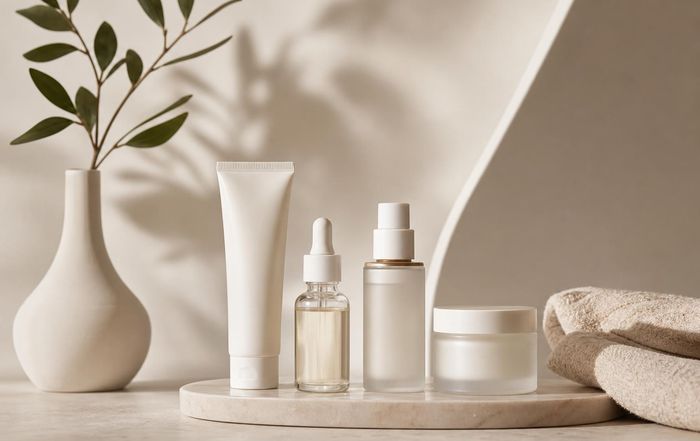
The Benefits of Minimalist Beauty Routines in 2026
Minimalist Beauty as a Global Wellness Movement
By 2026, minimalist beauty has evolved from a niche aesthetic into a global wellness movement that reflects deeper shifts in how people think about health, identity, sustainability and time. Across North America, Europe, Asia and beyond, consumers are reevaluating overflowing bathroom cabinets, complex ten-step routines and aggressive product marketing, and are instead embracing a more intentional approach that prioritizes skin health, mental clarity and environmental responsibility. For the readership of Well New Time, which is already deeply engaged with wellness, health, beauty and lifestyle, minimalist beauty is not merely a cosmetic trend; it is a strategic way to align daily self-care with long-term wellbeing and professional performance.
This shift is occurring against a backdrop of rising interest in evidence-based skincare and holistic health. Dermatologists, integrative physicians and researchers at institutions such as Harvard Medical School and the Mayo Clinic have increasingly emphasized that the skin is a complex organ whose barrier function, microbiome and immune responses can be disrupted by overuse of products and frequent experimentation. Readers who want to understand the biological foundations of skin health can explore resources from Harvard Health Publishing or the American Academy of Dermatology. Minimalist beauty routines, when thoughtfully designed, leverage this science by focusing on fewer, well-chosen products used consistently, reducing the risk of irritation while supporting healthier skin over time.
Defining Minimalist Beauty in 2026
Minimalist beauty in 2026 is best understood as a philosophy rather than a rigid set of rules. It emphasizes clarity of purpose, evidence-based product selection and alignment with one's values, rather than simply using "as few products as possible." For the global audience of Well New Time, spanning the United States, the United Kingdom, Germany, Canada, Australia, Singapore, Japan and many other markets, minimalist beauty takes different forms depending on climate, culture and lifestyle, yet shares common principles: intentionality, simplicity and respect for the skin's natural functions.
At its core, a minimalist routine typically centers around cleansing, targeted treatment when medically appropriate, moisturizing and sun protection, with occasional use of supportive products such as exfoliants or masks. Dermatology guidance from organizations like the National Health Service (NHS) in the United Kingdom and the Cleveland Clinic in the United States has consistently highlighted these pillars as the foundation of healthy skin, and readers can explore these perspectives by visiting resources such as the NHS skincare advice pages or the Cleveland Clinic's health library. Rather than chasing every new ingredient or viral product, minimalist beauty advocates learning enough about skin biology to make confident, restrained choices, an approach that aligns well with the editorial mission of Well New Time to provide trustworthy, actionable guidance.
Skin Health Benefits: Less Irritation, More Resilience
One of the most significant advantages of minimalist beauty routines is the reduction in skin irritation and barrier damage that often accompanies complex, multi-step regimens. Over the past decade, dermatologists in North America, Europe and Asia have reported rising cases of contact dermatitis, sensitivity and barrier impairment linked to over-exfoliation, frequent product switching and layering of incompatible active ingredients. Scientific reviews published through resources like PubMed and educational content from the American Academy of Dermatology consistently highlight that skin thrives when its barrier is protected and not overloaded with unnecessary substances.
By focusing on a small number of well-formulated products, individuals are less likely to combine harsh exfoliants, high-strength retinoids and strong acids in ways that overwhelm the skin. This is particularly relevant in colder climates such as Scandinavia, Canada and parts of Northern Europe, where environmental stressors like low humidity and wind already challenge the skin's resilience, as well as in high-pollution urban centers across Asia where the skin must constantly defend against particulate matter. Minimalist routines tend to emphasize gentle, pH-balanced cleansers, fragrance-free moisturizers and broad-spectrum sunscreens, choices that are consistently recommended by dermatology experts and can be explored further through resources like the World Health Organization's UV radiation guidance and the Skin Cancer Foundation.
For readers of Well New Time who engage in regular fitness activities, travel frequently or work in demanding professional environments, the stability of a minimalist routine can be especially beneficial. Sweat, environmental changes and stress hormones can all influence skin behavior; a simple, consistent routine reduces the number of variables, making it easier to identify triggers and collaborate effectively with dermatologists when issues arise. As more consumers in the United States, Germany, South Korea and beyond seek medically grounded skincare, minimalist beauty offers a practical bridge between clinical advice and everyday life.
Mental Wellbeing and Decision Fatigue
Minimalist beauty also intersects with mental health and mindfulness, areas that are central to the mission of Well New Time and its dedicated mindfulness and wellness coverage. In a digital era saturated with product launches, influencer recommendations and algorithm-driven advertising, many consumers experience decision fatigue and anxiety around their appearance and self-care routines. Research from organizations such as the American Psychological Association and the Mental Health Foundation in the United Kingdom has documented how constant comparison and information overload can contribute to stress, low self-esteem and burnout, and readers can explore these findings through resources like the APA's stress research hub or the Mental Health Foundation's wellbeing content.
A minimalist beauty routine offers psychological relief by reducing the number of choices and the time required to get ready each day. Instead of spending valuable morning and evening minutes evaluating which serum, mask or tool to use, individuals can rely on a streamlined set of familiar steps. This predictability supports a calmer start and end to the day, opening space for restorative practices such as meditation, journaling or light stretching, which align closely with the holistic approach to wellbeing promoted by Well New Time. Readers interested in integrating these practices can also explore guidance from the Greater Good Science Center at UC Berkeley, which examines the science of mindfulness and emotional health.
Furthermore, minimalist beauty encourages a more accepting relationship with one's appearance. When routines are no longer built around "fixing" perceived flaws with an ever-expanding arsenal of products, it becomes easier to view skincare and grooming as acts of care rather than correction. This perspective resonates with global movements in body neutrality and mental health advocacy, including initiatives highlighted by organizations such as Mind in the United Kingdom and the National Alliance on Mental Illness (NAMI) in the United States, whose resources at Mind and NAMI offer additional context on self-image and emotional wellbeing.
Time, Productivity and Professional Performance
For business leaders, entrepreneurs and professionals across sectors, time is one of the most valuable resources, and minimalist beauty routines can play a subtle but meaningful role in reclaiming it. In cities from New York and London to Singapore and Sydney, long commutes, hybrid work schedules and global collaboration across time zones have made morning and evening routines more compressed and unpredictable. By simplifying grooming, individuals can reduce friction in their daily schedule, redirecting focus toward strategic thinking, creativity and high-value tasks.
From a business perspective, this efficiency aligns with broader trends in productivity science and habit design, popularized through research shared by institutions like Stanford University and MIT and accessible via platforms such as the Stanford Graduate School of Business insights or the MIT Sloan Management Review. Habit experts frequently emphasize that sustainable routines are those that are easy to execute and require minimal cognitive load, characteristics that minimalist beauty routines naturally embody. For readers of the business section of Well New Time, the connection between streamlined personal routines and consistent professional performance is particularly relevant, as it reinforces the idea that leadership effectiveness begins with intentional self-management.
Minimalist beauty can also enhance confidence in high-stakes environments. When individuals trust that their skin is well cared for with a reliable, low-maintenance routine, they are less likely to be distracted by concerns about appearance during presentations, negotiations or media engagements. This subtle but important psychological stability can support clearer communication and stronger presence, outcomes that are increasingly recognized in leadership development programs worldwide and discussed in resources such as the Center for Creative Leadership.
Financial Clarity and Smarter Consumer Choices
Another compelling benefit of minimalist beauty is financial clarity. The global beauty and personal care market has continued to expand through 2026, with major players such as L'Oréal, Estée Lauder Companies and Unilever investing heavily in marketing, influencer partnerships and limited-edition releases. While this innovation can be exciting, it also encourages impulse purchasing and accumulation of products that are only partially used, expired or redundant. Economic analyses from organizations like McKinsey & Company and Deloitte, accessible via resources such as McKinsey's beauty market insights or Deloitte's consumer industry reports, have highlighted how this dynamic contributes to both household spending and environmental waste.
By contrast, minimalist routines encourage consumers to invest in a smaller number of high-quality, multifunctional products, often selected with the guidance of dermatologists or pharmacists. This approach reduces the likelihood of duplicate purchases and "shelf clutter," while allowing more budget to be allocated to products with robust clinical testing or certifications from regulatory bodies such as the U.S. Food and Drug Administration or the European Medicines Agency, which offer public information at FDA and EMA. For the Well New Time audience, which is attentive to both personal finance and sustainable living, this financial discipline supports broader life goals such as travel, education and long-term investing.
Minimalist beauty can also reduce the pressure to chase every trend promoted on social media platforms, where content often blurs the line between authentic recommendations and sponsored advertising. Media literacy initiatives from organizations like Ofcom in the United Kingdom and the Federal Trade Commission in the United States, accessible through Ofcom and the FTC, encourage consumers to recognize these dynamics. By committing to a minimalist philosophy, readers can navigate the beauty marketplace with greater confidence, aligning their spending with their values and long-term wellbeing rather than short-term hype.
Sustainability, Environment and Ethical Impact
Minimalist beauty also offers significant environmental benefits, an area of growing importance for readers who follow environment and sustainability coverage on Well New Time. The beauty industry generates substantial packaging waste, microplastic pollution and carbon emissions through product manufacturing, transportation and marketing. Reports from organizations such as the United Nations Environment Programme (UNEP) and the Ellen MacArthur Foundation, available at UNEP and the Ellen MacArthur Foundation, have documented how overconsumption of personal care products contributes to broader environmental challenges, including plastic pollution in oceans and landfills.
By purchasing fewer products and using them more completely, minimalist beauty practitioners naturally lower their environmental footprint. This reduction in consumption decreases demand for single-use plastics, complex packaging and resource-intensive ingredients. It also encourages brands to prioritize refillable systems, concentrated formulations and transparent supply chains, trends that are being actively explored by innovative companies and documented by sustainability-focused platforms such as the World Business Council for Sustainable Development. For readers interested in the intersection of beauty, climate and corporate responsibility, minimalist beauty becomes a practical expression of values that extends beyond individual self-care.
The ethical dimension is equally important. Minimalist consumers are more likely to research brand practices, seek cruelty-free certifications and favor companies with strong commitments to human rights and environmental stewardship. Resources such as the B Corp directory and Fairtrade International, accessible via B Lab's B Corp listings and Fairtrade, can help readers identify organizations whose practices align with their values. In this way, minimalist beauty supports a shift from passive consumption to active citizenship, where each purchase is viewed as a vote for a more responsible and transparent industry.
Cultural and Regional Adaptations of Minimalist Beauty
Minimalist beauty is not a one-size-fits-all concept; it is shaped by cultural norms, regulatory environments and climate conditions across regions. In countries such as Japan and South Korea, where multi-step skincare rituals historically played a central role in beauty culture, the minimalist movement has manifested as a thoughtful editing of routines rather than total simplification, with consumers focusing on high-efficacy steps and avoiding redundancy. In Nordic countries like Sweden, Norway, Denmark and Finland, where simplicity and functionality are already ingrained in design and lifestyle, minimalist beauty aligns naturally with broader cultural values of moderation and environmental respect.
In North America and Western Europe, regulatory frameworks overseen by organizations such as the European Commission and Health Canada, accessible through EU consumer safety pages and Health Canada, have driven greater transparency around ingredient safety and labeling, enabling consumers to make more informed decisions about which products truly add value to their routines. In emerging markets across Asia, Africa and South America, minimalist beauty is intersecting with rapid urbanization, rising middle-class incomes and digital connectivity, leading to unique blends of traditional remedies and modern formulations.
For Well New Time, which serves a global readership interested in world developments and cross-cultural trends, this regional diversity underscores the importance of flexibility. Minimalist beauty is most effective when it respects local climates, such as humidity in Southeast Asia or high UV exposure in Australia, and incorporates culturally meaningful practices, from traditional oils in India to herbal preparations in parts of Africa and South America, while still adhering to evidence-based principles of skin health and safety.
Integrating Minimalist Beauty with Holistic Lifestyle Choices
Minimalist beauty does not exist in isolation; it is part of a broader ecosystem of lifestyle choices that include nutrition, sleep, movement, stress management and social connection. Research from organizations like the World Health Organization and the U.S. Centers for Disease Control and Prevention, accessible at WHO and CDC, consistently shows that skin appearance and aging are influenced by factors such as diet quality, smoking, alcohol consumption, sun exposure and sleep patterns. For readers who already follow Well New Time for insights on health, fitness, travel and overall lifestyle, minimalist beauty offers a coherent framework that integrates external care with internal wellbeing.
This holistic view encourages individuals to redirect some of the time and money previously spent on complex beauty routines toward experiences that support long-term health and happiness. That might mean prioritizing nutritious meals during business travel, investing in high-quality sleep environments, pursuing restorative activities such as massage and bodywork, or exploring new destinations that inspire movement and curiosity. Those interested in the therapeutic dimension of touch and relaxation can learn more through the massage coverage on Well New Time, which explores how bodywork complements both physical and emotional wellbeing.
By aligning beauty routines with a broader wellness strategy, readers can create a more cohesive and sustainable approach to self-care that supports their ambitions in work, relationships and personal growth. This integrated mindset also resonates with the growing field of lifestyle medicine, championed by organizations such as the American College of Lifestyle Medicine, whose resources at ACLM explore how daily habits influence chronic disease risk and overall quality of life.
The Role of Brands, Innovation and the Future of Beauty
Minimalist beauty is reshaping the strategic priorities of beauty brands, retailers and innovators. Companies that once relied on constant product launches and elaborate routines are now investing in research, transparency and multifunctional formulations that deliver measurable results with fewer steps. Industry analysts and innovation hubs, including those highlighted by KPMG and Accenture, accessible via KPMG's consumer and retail insights and Accenture's beauty and personal care research, have documented how this shift is driving new business models, from subscription services focused on essentials to refill stations that reduce packaging waste.
For Well New Time, which covers brands, innovation and business trends, minimalist beauty represents a compelling case study in how consumer values can influence corporate behavior. As more individuals demand clarity around ingredient sourcing, environmental impact and clinical evidence, brands are under pressure to substantiate claims, collaborate with dermatologists and scientists, and adopt more responsible marketing practices. This evolution offers opportunities for new entrants, particularly in markets such as Germany, France, Italy and South Korea, where strong scientific and design capabilities support the development of sophisticated yet simple product lines.
Looking ahead, advances in skin diagnostics, AI-driven personalization and biomimetic ingredients are likely to further refine minimalist beauty. However, the underlying philosophy will remain grounded in restraint and intentionality: using technology and science not to multiply steps, but to identify the few interventions that truly matter. Readers who follow news and analysis on Well New Time can expect ongoing coverage of these developments, with a focus on separating meaningful innovation from marketing noise.
Minimalist Beauty as a Strategic Choice for Modern Life
In 2026, the benefits of minimalist beauty routines extend far beyond a tidier bathroom shelf. They encompass healthier, more resilient skin; reduced mental load and decision fatigue; improved time management and professional focus; clearer financial priorities; and a smaller environmental footprint, all grounded in a more accepting and mindful relationship with one's appearance. For the global, business-savvy audience of Well New Time, minimalist beauty is best understood as a strategic choice that aligns daily self-care with long-term goals in health, career, relationships and contribution to the wider world.
As work patterns continue to evolve, climate challenges intensify and digital information flows accelerate, the ability to simplify thoughtfully becomes a competitive advantage, both personally and professionally. Minimalist beauty routines, when integrated with holistic wellness practices and informed by credible scientific and medical resources, offer a practical, trustworthy framework for navigating this complexity. In choosing less but better, readers are not only caring for their skin; they are also affirming a broader commitment to living with clarity, purpose and integrity in a rapidly changing world.