

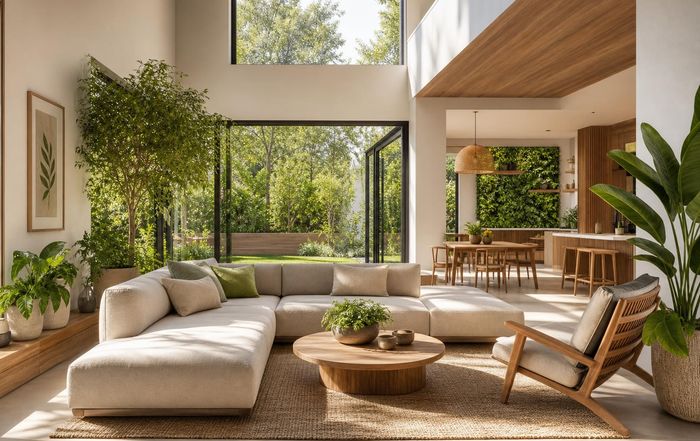
Healthy Home Design for Better Living
The New Definition of a "Healthy Home"
The concept of a healthy home has shifted from a niche concern for wellness enthusiasts to a strategic priority for families, professionals, and businesses across the world. In an era defined by hybrid work, climate volatility, and rapid urbanization, the home is no longer just a place to sleep; it has become a multifunctional environment that must support physical health, mental balance, productive work, restorative sleep, and meaningful connection. For fine readers of wellnewtime.com, who already view wellness, health, fitness, mindfulness, travel, beauty, business, and lifestyle as interconnected, healthy home design is emerging as one of the most powerful levers for long-term wellbeing and performance.
This evolution is supported by a growing body of evidence from organizations such as the World Health Organization (WHO), which highlights how indoor air quality, noise, light, and temperature directly affect respiratory health, cardiovascular risk, and mental health. Those who want to understand the health implications of indoor environments in more detail can explore the WHO's guidance on housing and health. As more people in the United States, Europe, Asia, and beyond spend upwards of 90 percent of their time indoors, these findings have immediate relevance for everyday life and work.
Healthy home design is no longer simply about aesthetics or resale value; it is about creating spaces that actively protect and enhance wellbeing. For wellnewtime.com, which consistently examines how personal health intersects with global trends on its key dedicated health and lifestyle sections, the healthy home has become a central lens for understanding how people live, work, and thrive in 2026.
From Wellness Trend to Strategic Lifestyle Choice
The rise of healthy home design is deeply connected to broader wellness trends that have matured over the past decade. The global wellness economy, tracked by the Global Wellness Institute, has expanded to encompass not only fitness and nutrition but also architecture, urban planning, and real estate. Readers can explore how wellness real estate has grown into a multi-billion-dollar sector by reviewing the Institute's analysis of wellness lifestyle real estate, which shows how developers in the United States, Europe, Asia, and Australia are embedding health principles into housing projects from the ground up.
At the household level, this shift is visible in the way people now prioritize air filtration systems, low-emission materials, noise insulation, natural light, and flexible spaces when choosing or renovating homes. The pandemic era accelerated this transformation, but the momentum has continued as hybrid work and digital collaboration remain standard in countries such as the United States, United Kingdom, Germany, Canada, and Singapore. On wellnewtime.com, coverage across wellness, fitness, and business increasingly reflects how home design decisions influence energy levels, productivity, and long-term health outcomes.
Healthy home design is also being shaped by generational expectations. Younger professionals in North America, Europe, and Asia-Pacific are more likely to evaluate rental and purchase decisions through the lens of sustainability, wellbeing, and mental health. Reports from organizations such as McKinsey & Company have documented how wellness has become a core consumer value rather than a discretionary add-on, and those interested in the broader consumer shift can review McKinsey's analysis of the global wellness market. In this context, the home is increasingly treated as an everyday wellness platform, not merely a background setting.
Air, Light, and Sound: The Core Environmental Pillars
Healthy home design rests on three foundational environmental pillars: air quality, light quality, and sound environment. Each of these has a direct and measurable impact on health, and each can be intentionally shaped through design choices, technology, and daily habits.
Indoor air quality has become a primary concern in both dense urban centers such as London, New York, Beijing, and Seoul, and in regions facing wildfire smoke, industrial pollution, or high pollen counts. The U.S. Environmental Protection Agency (EPA) has long emphasized that indoor pollutant levels can be significantly higher than outdoor levels, and those who want a deeper understanding of common contaminants such as volatile organic compounds (VOCs), particulate matter, and mold can explore the EPA's guidance on indoor air quality. In 2026, high-efficiency particulate air (HEPA) filtration, low-VOC paints and finishes, and mechanical ventilation with heat recovery are no longer considered luxury features; they are emerging as baseline expectations in wellness-oriented homes and apartments.
Light quality is equally critical. Research from the National Institutes of Health (NIH) and other academic institutions has clarified how natural light exposure helps regulate circadian rhythms, sleep quality, mood, and cognitive performance. Those interested in the science behind light and circadian health can review NIH-backed resources on circadian rhythms and sleep. Healthy home design in 2026 increasingly emphasizes larger windows, well-positioned skylights, adjustable shading systems, and tunable LED lighting that can shift in intensity and color temperature throughout the day to support alertness in the morning and relaxation in the evening.
The sound environment is often underestimated, yet chronic noise exposure has been linked to stress, impaired concentration, and cardiovascular risk, particularly in urban areas and multi-unit buildings. The World Health Organization has issued environmental noise guidelines that underscore the importance of limiting long-term noise exposure; those who want to explore these recommendations in more detail can review WHO's work on environmental noise. In practical terms, healthy home design now incorporates acoustic insulation, soft furnishings, double or triple glazing, and thoughtful room placement to create quiet zones for sleep, work, and mindfulness practices.
For readers of wellnewtime.com, where mindfulness and mental balance are central themes on the super dedicated mindfulness page, these environmental pillars provide a foundation for daily wellbeing. A home that supports clean air, balanced light, and restorative quiet does more than feel comfortable; it actively protects health and enhances resilience.
Spaces for Movement, Recovery, and Everyday Fitness
As fitness culture has evolved from gym-centric routines to integrated lifestyle movement, the home has become an essential arena for physical activity. In 2026, healthy home design increasingly includes dedicated or flexible spaces for exercise, stretching, and recovery, reflecting the understanding that movement is not optional but fundamental to physical and mental health.
The World Health Organization recommends at least 150 to 300 minutes of moderate-intensity aerobic activity per week for adults, along with muscle-strengthening activities, a guideline that can be reviewed in more depth through WHO's resources on physical activity. Creating a home environment that makes this level of movement feasible and enjoyable is now a strategic priority for health-conscious individuals in cities from Berlin to Sydney and from Toronto to Tokyo.
Healthy home design for fitness often emphasizes adaptable layouts rather than large dedicated gyms. Living rooms with movable furniture, foldable equipment, and supportive flooring allow for yoga, high-intensity interval training, or bodyweight strength sessions without requiring extensive square footage. Digital platforms and connected fitness devices have made it easier to access guided workouts, but their effectiveness depends heavily on having a safe, well-ventilated, and adequately lit space at home. For readers who follow wellnewtime.com for its coverage of training trends and exercise science on the fitness section, the practical implication is clear: home design choices either lower or raise the friction to daily movement.
Equally important is the design of spaces for recovery. Stretching zones, foam rolling corners, and areas for breathwork or meditation help integrate active recovery into the home environment. This aligns with the growing recognition, supported by organizations such as Harvard Medical School, that recovery and sleep are as critical to performance as training itself; those interested in the connection between sleep, recovery, and long-term health can explore Harvard's insights on sleep and health. By combining movement-friendly layouts with intentional recovery spaces, healthy homes support a more sustainable and enjoyable approach to fitness.
Mental Health, Mindfulness, and Restorative Design
Beyond physical health, the most profound impact of healthy home design may be on mental wellbeing. Chronic stress, digital overload, and social isolation have become defining issues across North America, Europe, and Asia, prompting individuals and organizations to re-examine how everyday environments influence emotional balance and cognitive clarity.
Mental health organizations such as Mind in the United Kingdom and the National Alliance on Mental Illness (NAMI) in the United States emphasize the importance of safe, stable, and calming environments in preventing and managing anxiety and depression. Those who want to explore practical mental health guidance can review NAMI's resources on mental health conditions and support. In 2026, designers and homeowners are translating this understanding into biophilic design, sensory balance, and dedicated spaces for mindfulness practices.
Biophilic design, which integrates natural elements such as plants, natural materials, water features, and views of greenery, has been associated with reduced stress and improved mood. Research summarized by institutions such as University College London and others suggests that even modest increases in indoor greenery and natural textures can positively influence mental health, and those interested in the science behind biophilic design can explore UCL's work on nature and wellbeing. Healthy homes in 2026 often feature indoor plants, natural wood or stone finishes, and design strategies that visually connect interior spaces with gardens, balconies, or nearby parks.
Mindfulness-oriented design is equally important. Quiet corners for meditation, contemplation, or journaling provide psychological anchors in otherwise busy households. Soft, indirect lighting, comfortable seating, and minimal digital distractions help signal that these areas are reserved for mental reset rather than productivity. For loyal readers of wellnewtime.com, who may already integrate meditation, breathwork, or yoga into their routines and follow insights on the site's mindfulness page, such spaces are not indulgences but essential infrastructure for emotional resilience and focus.
Sleep-focused design also plays a central role in mental health. Blackout curtains, cool bedroom temperatures, supportive mattresses, and consistent lighting patterns help reinforce healthy circadian rhythms. Organizations such as the Sleep Foundation provide detailed guidance on how bedroom environments influence sleep quality, and those who want to refine their own sleep settings can learn more about creating a healthy sleep environment. In a world where cognitive performance, creativity, and emotional balance are at a premium, sleep-supportive design is one of the most powerful investments a household can make.
Clean Materials, Safe Surfaces, and Everyday Health
Healthy home design also involves a careful examination of the materials, finishes, and products that surround occupants every day. From flooring and paint to cleaning products and personal care items, the modern home can either minimize or amplify exposure to harmful chemicals and allergens.
Organizations such as the Environmental Working Group (EWG) have highlighted how certain household chemicals, synthetic fragrances, and flame retardants can contribute to respiratory irritation, endocrine disruption, or long-term health risks. Those who want to understand ingredient safety and product ratings in more depth can explore EWG's guidance on healthy home choices. In 2026, more consumers in the United States, Europe, and Asia are opting for low-VOC paints, natural or certified flooring materials, and fragrance-free or plant-based cleaning products to reduce indoor pollutant loads.
Certification systems such as LEED (Leadership in Energy and Environmental Design) and the WELL Building Standard, overseen by the U.S. Green Building Council and the International WELL Building Institute respectively, have helped formalize what healthy materials and spaces look like. Those curious about these frameworks can explore the WELL Building Standard's focus on air, water, light, and materials. While these certifications are often associated with commercial buildings and large residential developments, their principles are increasingly being applied in everyday home renovations and interior design projects across markets in North America, Europe, and Asia-Pacific.
For keen readers here, who frequently explore intersections of beauty, health, and environment on pages such as beauty and environment, this materials-focused perspective offers a practical way to align personal values with daily living conditions. By choosing healthier materials and products, households can reduce exposure to irritants and toxins while supporting brands and manufacturers that prioritize safety and sustainability.
Integrating Sustainability and Wellness
Healthy home design in 2026 is closely intertwined with sustainability. Energy-efficient buildings, low-carbon materials, and water-saving systems are not only beneficial for the planet; they also tend to create more comfortable, stable, and resilient living environments. As climate change drives more frequent heatwaves, storms, and air quality issues in regions from Southern Europe to Southeast Asia, designing homes that are both wellness-oriented and climate-resilient has become a strategic imperative.
The United Nations Environment Programme (UNEP) has underscored that buildings are responsible for a substantial share of global energy use and emissions, and those interested in the intersection of buildings, climate, and health can explore UNEP's work on buildings and climate change. Features such as high-performance insulation, efficient glazing, solar shading, and heat pump systems not only reduce energy consumption but also maintain more stable indoor temperatures, which is critical for vulnerable populations such as children, older adults, and those with chronic conditions.
Water-efficient fixtures, rainwater harvesting, and responsible landscaping help households adapt to water scarcity in regions from California to South Africa and from Spain to Australia. Sustainable material choices, such as responsibly sourced wood or recycled content, reduce environmental impact while often providing better indoor air quality and tactile comfort. For readers of wellnewtime.com, where environment, lifestyle, and travel stories intersect on sections such as environment and travel, sustainable healthy homes represent a way to live in alignment with broader ecological values without sacrificing comfort or style.
Sustainable wellness homes are also influencing the business landscape. Developers, hospitality brands, and wellness-focused real estate ventures in regions such as Europe, North America, and Asia are recognizing that health and sustainability are now core differentiators. Those interested in how this is reshaping business strategy can explore the World Economic Forum's perspectives on sustainable cities and buildings, which highlight how investor expectations and regulatory frameworks are converging around healthier, lower-carbon built environments.
Technology, Smart Homes, and the Risk of Overload
Technology plays an increasingly central role in healthy home design, but its integration must be carefully managed to avoid digital overload and privacy concerns. In 2026, smart thermostats, air quality sensors, circadian lighting systems, and connected fitness equipment can all contribute to healthier living conditions when deployed thoughtfully.
Organizations such as Consumer Reports have evaluated smart home devices for safety, privacy, and performance, and readers who want to make informed choices about connected products can review Consumer Reports' guidance on smart home technology. Air quality monitors can provide real-time data on particulate levels and VOCs, helping households adjust ventilation or filtration. Smart thermostats can maintain optimal temperatures for sleep and energy efficiency. App-controlled lighting systems can shift color temperature and brightness to support circadian rhythms and relaxation.
However, healthy home design in 2026 also acknowledges the need for digital boundaries. Constant notifications, screens in every room, and always-on connectivity can undermine the very mental health benefits that wellness-oriented homes aim to create. Mental health experts and organizations such as the American Psychological Association (APA) have warned about the impact of excessive screen time and digital multitasking on concentration and stress, and those interested in this topic can explore the APA's insights on technology and mental health. As a result, many wellness-focused households now designate screen-free zones, charge devices outside bedrooms, and use analog rituals-such as printed books or physical journals-to anchor evening routines.
For readers of wellnewtime.com, whose interests span from innovation and business to mindfulness and wellness, this balanced approach to technology reflects a broader principle: tools should serve human wellbeing, not the other way around. The healthiest homes of 2026 are those in which technology is present but not dominant, supportive but not intrusive.
Global Perspectives and Cultural Nuances
Healthy home design is a global movement, but its expression varies significantly across countries and cultures. In the Nordic countries, such as Sweden, Norway, Denmark, and Finland, long-standing traditions of functional minimalism, natural materials, and high insulation standards naturally lend themselves to wellness-oriented homes. In Japan, concepts such as "ma" (the space between) and the integration of nature into compact urban dwellings have influenced global thinking about mindful, efficient living spaces.
In rapidly urbanizing regions of Asia, including China, South Korea, Thailand, and Malaysia, dense housing and air quality challenges have accelerated interest in air purification, balcony gardens, and compact fitness solutions. In North America and Europe, suburban and peri-urban households are experimenting with home offices that double as wellness spaces, integrating standing desks, natural light, and access to outdoor areas. In South Africa, Brazil, and other parts of Africa and South America, climate resilience and security concerns intersect with wellness priorities, leading to innovations in shading, ventilation, and community-oriented shared spaces.
Organizations such as UN-Habitat have emphasized the importance of inclusive, health-focused housing policies, particularly in rapidly growing cities, and those who want to explore global housing challenges and solutions can review UN-Habitat's work on adequate housing and urban health. For wellnewtime.com, which speaks to a worldwide audience through its unique world and news coverage, these global perspectives underscore that healthy home design must respect cultural practices, climatic realities, and economic constraints while still advancing core principles of wellness and sustainability.
The Role of Brands, Business, and the Future of Healthy Homes
The evolution of healthy home design is not driven solely by individual choices; it is also shaped by brands, developers, policymakers, and investors. In 2026, a growing number of companies across construction, interiors, technology, and consumer goods are positioning themselves as wellness-oriented, offering products and services that claim to enhance health and wellbeing.
Business leaders and entrepreneurs who follow wellnewtime.com through its business and brands sections will recognize that this shift reflects deeper structural changes in consumer expectations and regulatory landscapes. Healthier materials, transparent supply chains, and third-party certifications are becoming competitive necessities rather than optional marketing features. Real estate investors and developers are increasingly aware that buildings designed with health and sustainability in mind tend to command higher occupancy rates, stronger tenant loyalty, and better long-term resilience.
At the same time, there is a growing need for clear standards and trustworthy information to help consumers distinguish between substantive wellness features and superficial "wellness-washing." Independent organizations, academic institutions, and credible media platforms play a crucial role in evaluating claims and educating the public. For wellnewtime.com, this responsibility is central to its mission: to provide readers with evidence-informed, globally relevant insights that connect wellness, health, fitness, mindfulness, travel, beauty, business, lifestyle, and the environment into a coherent narrative about better living.
Looking ahead, healthy home design is likely to become even more integrated into urban planning, hospitality, and workplace strategy. Hybrid models that blur the lines between home, office, and retreat-supported by flexible architecture, advanced materials, and digital tools-will continue to emerge across regions from North America and Europe to Asia-Pacific and Africa. As climate risks intensify and mental health remains a central concern, the demand for homes that actively support wellbeing will only grow.
For people here, the message is both empowering and practical: every design choice, from the paint on the walls to the placement of a meditation cushion, represents an opportunity to align daily living conditions with long-term health, performance, and purpose. In 2026, a healthy home is no longer a distant ideal or a luxury reserved for a few; it is a strategic, attainable, and deeply personal foundation for better living in a complex world.