

Fitness Goals That Focus on Better Living
Redefining Fitness for a New Era of Well-Being
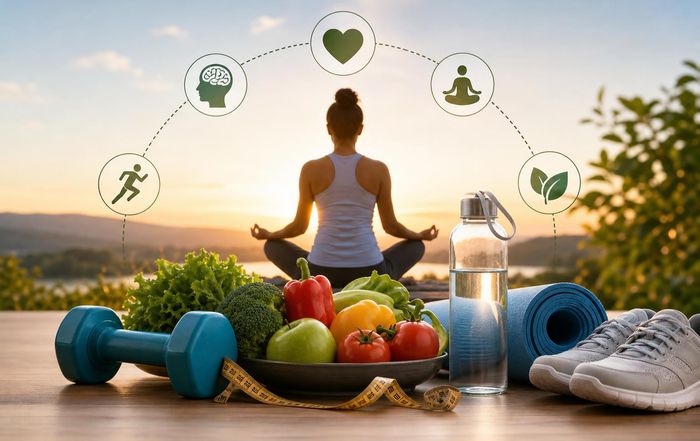
The global conversation around fitness has shifted decisively away from narrow metrics such as weight, body fat percentage, or gym performance records, toward a more integrated understanding of how movement, rest, nutrition, and mindset combine to support a life that feels purposeful, energetic, and emotionally balanced. Around the world, from the United States and the United Kingdom to Singapore, Germany, Australia, and South Africa, individuals and organizations are beginning to recognize that fitness goals are most powerful when they are designed to enhance daily living, protect long-term health, and encourage sustainable habits rather than short-lived transformations. For WellNewTime and its readers, this evolution aligns closely with an editorial mission that places human flourishing at the center of wellness, health, and lifestyle coverage, and that treats fitness not as a vanity project, but as a foundational pillar of a life well lived.
This new mindset is reinforced by leading institutions such as the World Health Organization, which continues to emphasize that regular physical activity is one of the most important actions people can take to improve their health and quality of life, reduce the risk of chronic disease, and support mental well-being. Readers can explore global recommendations for movement and health by visiting the World Health Organization's physical activity guidelines. At the same time, the editorial approach here encourages readers to connect these high-level guidelines with personal, realistic, and enjoyable fitness goals that integrate seamlessly into their own circumstances, whether they live in Tokyo, New York, London, Berlin, Toronto, Cape Town, São Paulo, or Auckland.
From Performance to Purpose: Why Fitness Goals Are Changing
The traditional fitness paradigm, which often prioritized appearance-oriented objectives and short-term performance milestones, is increasingly being questioned by both health professionals and consumers, who see the emotional and physical toll of unsustainable routines, extreme dieting, and perfectionism. Research from organizations such as the American College of Sports Medicine highlights how consistent, moderate-intensity activity can be as valuable, or more valuable, than sporadic high-intensity efforts for long-term well-being, and readers can explore evidence-based exercise recommendations that support this more balanced outlook.
For the audience of WellNewTime, the shift from performance to purpose means that fitness goals increasingly start with questions such as "How do I want to feel throughout my day?", "How can movement help me manage stress, sleep better, and remain mentally sharp?", and "What kind of physical capacity will I need to travel, work, and care for others in the coming decades?" Rather than chasing abstract ideals, readers are encouraged to define success through experiences that matter personally, such as being able to hike in the Swiss Alps, cycle along Dutch canals, walk comfortably through historic neighborhoods in Rome or Barcelona, or keep up with children and grandchildren at a beach in Thailand or a park in Vancouver.
This purpose-driven approach is closely aligned with the holistic lifestyle philosophy reflected across the sections such as wellness, health, and lifestyle, where fitness is always presented as one thread in a larger tapestry of choices that support a fulfilling and resilient life.
Integrating Health, Fitness, and Longevity
By 2026, the global longevity conversation has moved firmly into the mainstream, with organizations like Harvard T.H. Chan School of Public Health and Mayo Clinic sharing accessible insights on how lifestyle factors, including regular exercise, can extend healthspan, not just lifespan. Readers who wish to understand the connection between physical activity and long-term disease prevention can explore Harvard's resources on physical activity and health and review guidance from Mayo Clinic on exercise and chronic disease prevention.
For WellNewTime, this science-backed focus on longevity informs a practical editorial stance: fitness goals should be framed not only around current performance, but also around preserving mobility, strength, balance, and cardiovascular health well into later decades of life. In Europe, Asia, North America, and beyond, aging populations and rising healthcare costs are compelling both individuals and policymakers to consider how everyday habits can reduce the burden of conditions such as type 2 diabetes, cardiovascular disease, osteoporosis, and cognitive decline. When fitness goals prioritize functional strength, joint health, and metabolic resilience, they become powerful tools for maintaining independence and quality of life in older age, whether someone is navigating the streets of Paris, climbing subway stairs in Seoul, or enjoying long walks along the beaches of Sydney.
This integrated view of health and fitness is reflected in the way WellNewTime connects readers to broader wellness themes, including sleep, nutrition, and preventive care, through its health and wellness coverage, ensuring that fitness is always contextualized within the larger ecosystem of decisions that shape long-term vitality.
The Mind-Body Connection: Fitness as Emotional and Mental Support
Across continents, from Scandinavia to South Korea, there is a growing recognition that fitness goals must address not only physical capacity but also mental health, stress management, and emotional resilience. The National Institute of Mental Health and similar organizations have documented how regular movement can help alleviate symptoms of anxiety and depression, improve mood, and enhance cognitive performance; readers can learn more about the relationship between exercise and mental health. In parallel, the American Psychological Association has highlighted how consistent physical activity can serve as a valuable coping strategy in times of uncertainty or high stress, and interested readers can explore research on exercise and stress reduction.
Within the editorial framework of WellNewTime, this evidence supports a clear message: fitness goals that focus on better living should explicitly incorporate mental and emotional outcomes, such as improved focus, calmer moods, better sleep quality, and an enhanced sense of self-efficacy. This is particularly relevant for readers juggling demanding careers in financial centers like London or Frankfurt, technology hubs like San Francisco or Singapore, or creative industries in cities such as Paris and Milan, where burnout and chronic stress are persistent concerns.
The platform's dedicated mindfulness and wellness sections reinforce the idea that movement and mindfulness are not separate pursuits, but mutually reinforcing practices. A brisk walk in nature, a yoga session in a small apartment in Tokyo, or a bodyweight workout on a hotel floor in Dubai can serve as both physical training and a form of active meditation, especially when paired with intentional breathing and a present-focused mindset. For WellNewTime readers, aligning fitness goals with mental clarity and emotional balance transforms exercise from a chore into an essential daily ritual that supports both productivity and inner stability.
Designing Sustainable Fitness Goals for Real Life
In 2026, one of the most critical shifts in global fitness culture is the move toward sustainability in personal routines. Rather than setting extreme goals that are quickly abandoned, more individuals are adopting realistic, flexible plans that can adapt to changing life circumstances, travel schedules, and work demands. Organizations such as the U.S. Centers for Disease Control and Prevention provide practical, incremental recommendations for adults seeking to incorporate more movement into their days, and readers can review CDC guidance on physical activity for adults to understand how small changes accumulate into significant benefits.
For the international audience of WellNewTime, sustainable fitness goals often revolve around simple but powerful habits: committing to a daily step count that fits local environments, integrating active commuting where safe and feasible, using short, structured workouts to maintain strength and mobility, and building routines that can be followed in different climates and cultures. Whether someone is navigating the rainy streets of Amsterdam, the heat of Bangkok, the hills of San Francisco, or the winter conditions of Stockholm, the key is to create adaptable frameworks rather than rigid schedules.
This philosophy aligns with the guidance found in the fitness section of this site, where readers are encouraged to treat consistency as a core value and to see setbacks not as failures, but as natural elements of a long-term journey. By emphasizing progress over perfection and personalization over comparison, sustainable fitness goals become more inclusive and accessible to diverse readers across age groups, abilities, and cultural backgrounds.
Everyday Movement: Turning Ordinary Moments into Fitness Wins
Another hallmark of fitness goals that focus on better living is the recognition that not all meaningful movement occurs in gyms or studios. Public health experts and organizations like the National Health Service in the United Kingdom have underscored the value of everyday activities such as walking, gardening, housework, and active play in contributing to overall activity levels, and readers can explore NHS guidance on physical activity and daily life. Similarly, the Heart Foundation in Australia has highlighted how incorporating more walking into commutes or leisure time can significantly reduce cardiovascular risk, and interested readers can learn more about the benefits of walking.
For WellNewTime, which serves a global readership from busy cities like New York, Toronto, and Hong Kong to quieter regions in Scandinavia, Southern Europe, and New Zealand, everyday movement is framed as one of the most practical and democratizing components of fitness. Simple choices such as taking stairs instead of elevators, scheduling walking meetings, exploring neighborhoods on foot while traveling, or performing short mobility routines during work breaks can collectively deliver significant health benefits over time. These micro-movements are especially valuable for readers in desk-based roles, remote work setups, or high-pressure corporate environments, where long, uninterrupted workouts may feel unrealistic.
By encouraging readers to see their homes, offices, and local streets as extensions of their training spaces, WellNewTime supports a vision of fitness that is woven into ordinary life, transforming mundane tasks into opportunities for physical engagement and energy renewal, and complementing more structured routines discussed in its fitness and lifestyle content.
Global Travel, Local Culture, and Active Exploration
As international travel has steadily recovered and evolved by 2026, many individuals across Europe, Asia, North America, and beyond are redefining their fitness goals to include active exploration of new environments, cultures, and landscapes. Organizations such as UN Tourism provide insights into how travel trends increasingly favor experiences that combine adventure, culture, and well-being, and readers can explore global tourism trends. Meanwhile, National Geographic continues to highlight destinations where hiking, cycling, and nature immersion are integral to the travel experience, and those interested in active travel inspiration can discover outdoor-focused travel ideas.
For WellNewTime, whose readers are often curious, globally minded professionals, travel is not an interruption to fitness but a powerful catalyst for movement. A visit to the Alps might inspire long hikes that challenge cardiovascular endurance and leg strength; a trip to Kyoto or Seoul might include extensive walking through temples, markets, and neighborhoods; a vacation in Cape Town might involve coastal runs or mountain trails; and a stay in Copenhagen or Amsterdam could revolve around daily cycling. The platform's travel coverage emphasizes that fitness goals can be enhanced by setting intentions around active exploration, such as walking a certain number of kilometers per day while abroad, trying local outdoor activities, or using hotel gyms for short strength sessions that maintain baseline conditioning.
By linking fitness with cultural curiosity and environmental appreciation, WellNewTime encourages readers to see movement as a way to deepen their connection with the world, create meaningful memories, and support both physical health and mental rejuvenation during and after travel.
The Role of Recovery, Massage, and Self-Care
In 2026, the fitness community is increasingly clear that better living depends not only on training volume and intensity, but also on thoughtful recovery, self-care, and stress management. Organizations such as Cleveland Clinic have highlighted the importance of rest, sleep, and recovery practices in preventing injury and supporting performance, and readers can learn more about recovery and overtraining. At the same time, evidence continues to accumulate regarding the potential benefits of massage and manual therapies in supporting muscle recovery, reducing perceived soreness, and promoting relaxation; the National Institutes of Health offers accessible overviews of massage therapy and wellness.
For WellNewTime, whose editorial scope includes massage, beauty, and wellness, recovery is presented as an essential dimension of fitness rather than an optional luxury. Readers are encouraged to set goals around sleep duration and quality, incorporate stretching or mobility sessions into weekly plans, consider professional massage or self-massage tools when appropriate, and create evening routines that calm the nervous system. These practices are especially important for high-performing professionals in cities like London, New York, Singapore, and Zurich, where stress and long working hours can undermine both physical progress and mental balance if recovery is neglected.
By normalizing rest and recovery as integral components of any serious fitness plan, WellNewTime helps its audience move away from the harmful "no days off" mentality and toward a more nuanced understanding of how the body adapts, grows stronger, and remains resilient over time.
Technology, Data, and the Future of Personalized Fitness
The year 2026 has brought a new level of sophistication to consumer fitness technology, from wearable devices and smart clothing to AI-driven coaching platforms and connected equipment. Organizations like MIT Technology Review and McKinsey & Company have documented how data, sensors, and digital platforms are reshaping personal health and wellness, and readers can explore analyses of digital health innovation or learn about emerging fitness technologies. For a global audience that includes tech-forward regions such as the United States, South Korea, Japan, and the Nordic countries, this technological evolution offers both opportunities and challenges.
Within the editorial lens of WellNewTime, technology is seen as a powerful tool that can support better living when used thoughtfully. Wearables can help readers monitor heart rate, sleep patterns, and daily movement; smart platforms can offer personalized workout recommendations and track progress; and virtual communities can provide social support across borders, connecting individuals in Canada, Brazil, France, and Malaysia around shared fitness goals. However, there is also an emphasis on maintaining a healthy relationship with data, avoiding obsession over metrics, and remembering that subjective experiences-such as energy levels, mood, and enjoyment-are equally important indicators of success.
The platform's innovation and business sections regularly examine how fitness technology intersects with broader trends in digital health, workplace wellness, and consumer behavior, helping readers make informed decisions about which tools genuinely support their goals and which may add unnecessary complexity or pressure.
Environmental Awareness and Outdoor Fitness
Another defining feature of fitness goals that focus on better living is a growing awareness of environmental impact and the value of outdoor movement. Organizations such as the United Nations Environment Programme have highlighted the importance of preserving natural spaces and promoting sustainable lifestyles, and readers can learn more about environmental sustainability and health. Similarly, institutions like Stanford University have shared research on how spending time in nature can improve mood, reduce stress, and enhance cognitive function, and interested readers can explore nature and well-being research.
For WellNewTime, which covers environmental themes in its environment pages, this intersection between fitness and sustainability is increasingly central. Readers are encouraged to set goals that involve outdoor activities-such as trail running, hiking, open-water swimming, or cycling-that not only build physical capacity but also foster a deeper connection with local ecosystems, whether in Norway's fjords, the Canadian Rockies, the coasts of Italy and Spain, or the forests of Japan and Finland. At the same time, there is growing attention to the environmental footprint of fitness practices, including the production of equipment and apparel, travel for events, and energy use in large facilities.
By promoting outdoor movement and environmentally conscious choices, WellNewTime invites its audience to see fitness as part of a broader commitment to planetary well-being, aligning personal health with the health of the communities and natural landscapes that sustain life.
Building a Culture of Better Living Through Fitness
Across continents and cultures, the most enduring fitness goals in 2026 are those that are deeply intertwined with everyday living, long-term health, emotional resilience, and environmental awareness. For WellNewTime, whose readers span regions from North America and Europe to Asia, Africa, and South America, the mission is to present fitness not as an isolated pursuit, but as a dynamic, evolving practice that supports professional ambitions, personal relationships, creative endeavors, and global citizenship.
Through its interconnected reporting of wellness, health, fitness, lifestyle, travel, environment, and innovation, the site aims to equip readers with the knowledge, inspiration, and practical frameworks needed to design fitness goals that genuinely enhance their daily lives. Whether someone is beginning a walking routine in Berlin, refining a strength program in Toronto, integrating yoga and meditation into a busy schedule in Singapore, or planning an active holiday in New Zealand, the focus remains the same: to use movement as a vehicle for better living, deeper presence, and a more sustainable relationship with oneself and the world.
As the world continues to navigate social, economic, and technological change, fitness goals rooted in experience, expertise, authoritativeness, and trustworthiness will remain essential anchors. By embracing a holistic, human-centered approach to movement-one that honors both science and personal experience-readers of WellNewTime can continue to build lives that are not only stronger and healthier, but also more meaningful, connected, and resilient in the years ahead.