
Wellness Products Launched by Popular Influencers in the United States

Last updated by Editorial team at WellNewTime on Sunday 18 January 2026
Wellness Products Launched by Popular Influencers in the United States

Authentic Influence: How Wellness Leaders Are Reshaping the American Health Economy

A New Phase for Wellness and Influence

The American wellness industry has entered a more mature and demanding phase, where influence is no longer measured only in follower counts but in credibility, measurable outcomes, and sustained trust. The rapid growth of the 2010s and early 2020s has given way to a more discerning landscape in which consumers scrutinize ingredients, supply chains, scientific evidence, and the personal integrity of those who recommend wellness products and practices. For a platform like WellNewTime, which serves readers across wellness, massage, beauty, health, fitness, lifestyle, business, and innovation, this evolution is not an abstract trend but a daily reality shaping what readers expect from brands, experts, and content.

Social platforms such as Instagram, YouTube, and TikTok remain central to this ecosystem, but their role has deepened. They now function as real-time laboratories for wellness experimentation, where fitness trainers, neuroscientists, dermatologists, nutritionists, and entrepreneurs test ideas in public and receive instant feedback from communities stretching from the United States and Canada to Germany, the United Kingdom, Australia, Singapore, and beyond. Instead of passively accepting top-down corporate narratives, individuals around the world now co-create the definition of wellness alongside the influencers they follow.

For the audience of WellNewTime, this means that wellness is no longer confined to a single category such as beauty, fitness, or health. It has become an interconnected web of physical resilience, mental clarity, social belonging, environmental responsibility, and financial sustainability. Readers who browse the wellness hub on WellNewTime are increasingly seeking guidance that unites these dimensions rather than treating them as separate silos.

The 2026 Wellness Economy: From Trend to Infrastructure

The wellness sector, which the Global Wellness Institute projected to surpass two trillion dollars globally earlier in the decade, has in 2026 developed into an infrastructural component of consumer life rather than a discretionary add-on. Preventive health, longevity science, and everyday self-care are now considered strategic priorities not only by individuals but also by employers, insurers, and policymakers. Influencer-led brands sit at the intersection of this shift, translating complex health research into accessible routines and products.

In the United States, direct-to-consumer wellness companies that began as passion projects on social media have matured into sophisticated enterprises with clinical advisory boards, regulatory teams, and international distribution networks. Consumers from New York to London, Berlin, Toronto, Sydney, and Singapore increasingly rely on these brands for supplements, skincare, stress management tools, digital fitness programs, and mental wellness resources. Many of them first encounter these offerings through short-form videos or long-form podcasts, then deepen their relationship via email programs, apps, and community platforms.

This evolution has elevated expectations. The audience that turns to WellNewTime for business and market insights wants more than trend summaries; it wants to understand how influence converts into sustainable revenue, how ethical governance is maintained, and how scientific claims are vetted. The American wellness industry in 2026 can therefore be understood not simply as a market, but as a trust economy in which authenticity is the primary currency.

Influencers as Brand Architects and Educators

The most prominent wellness influencers in 2026 are no longer perceived merely as endorsers; they operate as brand architects and, increasingly, as educators. Figures such as Hailey Bieber, Kourtney Kardashian, Gwyneth Paltrow, Dr. Andrew Huberman, and Dr. Rhonda Patrick exemplify this shift, though each has taken a distinct path.

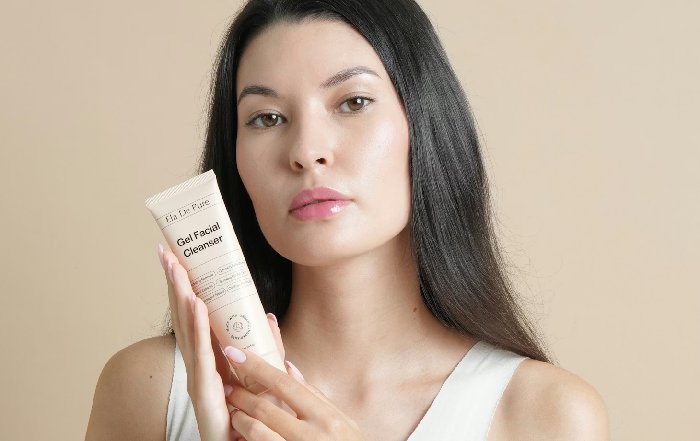
Hailey Bieber's Rhode Skin, launched in 2022 and expanded over subsequent years, illustrates how a narrowly focused aesthetic concept can evolve into a broader wellness philosophy. Initially centered on skin-barrier support and hydration, the brand has steadily integrated body-care and supplement lines developed in collaboration with dermatologists and clinical nutrition experts. The emphasis on simple, science-informed formulations, combined with transparent communication about ingredient sourcing and testing, has helped Rhode connect with consumers in the United States, Europe, and Asia who are wary of overpromised "miracle" products. Those exploring beauty and skincare developments on WellNewTime increasingly encounter Rhode as a case study in how minimalist branding can coexist with rigorous formulation standards.

Kourtney Kardashian has built a complementary ecosystem through Lemme and Poosh, combining gummy supplements with a curated lifestyle platform. Lemme's positioning around energy, sleep, mood, and gut health reflects a broader consumer shift toward targeted, convenience-oriented nutraceuticals that still demand clinical backing. Poosh, meanwhile, functions as both a media outlet and a commerce platform, blending editorial content on low-tox living, nutrition, and relationships with product recommendations. For readers exploring mindfulness and mental health content, this model underscores how lifestyle storytelling can be a powerful conduit for introducing evidence-based wellness concepts to mainstream audiences.

Gwyneth Paltrow's Goop remains a reference point in 2026, not because it is uncontroversial, but because it demonstrates how a brand can evolve under scrutiny. After facing regulatory and public criticism earlier in its history, Goop has invested heavily in research partnerships, clinical validation, and more cautious language around product benefits. Its retreats now integrate advanced diagnostics, data-informed nutrition planning, and modalities such as breathwork and cold exposure in collaboration with medical partners. Readers of WellNewTime's lifestyle coverage see in Goop a template for how influencer brands can transition from speculative wellness into a more accountable, medically literate model.

Dr. Andrew Huberman, a neuroscientist at Stanford University, has become one of the most influential voices at the intersection of science and self-optimization. Through the Huberman Lab Podcast, he has built a global audience interested in sleep, focus, mental health, and performance. His subsequent product ecosystem, including structured protocols and supplement lines, is distinguished by transparent referencing of peer-reviewed research and clear disclaimers around the limits of current evidence. This approach resonates with WellNewTime readers who turn to the health section for nuanced perspectives on neuroscience, behavior, and everyday routines.

Dr. Rhonda Patrick and her FoundMyFitness platform continue to attract a scientifically literate audience seeking detailed insights into micronutrient status, inflammation, and aging. Her expansion into personalized nutrition and genetic analysis tools reflects the broader move toward precision wellness. Products are accompanied by in-depth educational materials, allowing consumers to understand not only what they are taking, but why it may matter given their lifestyle and risk profile. For readers engaging with fitness and performance content, this model highlights the increasing convergence between sports science, clinical research, and consumer supplementation.

Technology as the Nervous System of Modern Wellness

The rapid growth of wellness technology has turned influencer brands into data-driven ecosystems. Wearable devices, continuous glucose monitors, sleep trackers, and heart-rate variability tools are now routinely integrated into wellness protocols promoted by both medical experts and lifestyle creators. Companies such as WHOOP and Oura have partnered with elite athletes and coaches to demonstrate how continuous feedback can inform training load, recovery, and stress management, and this data-centric approach has begun to filter into mainstream wellness routines across North America, Europe, and Asia.

Artificial intelligence and machine learning have introduced a new layer of personalization. Influencer-led brands increasingly leverage AI to analyze questionnaire data, biomarker results, and user feedback to refine formulations and tailor recommendations. For instance, some skincare brands now deploy AI-powered diagnostics that assess skin condition via smartphone images and then suggest routines built from a limited but potent product set. Others integrate with health platforms such as Apple Health or Google Fit to correlate supplement usage with sleep and activity metrics, seeking patterns that can be translated into iterative product improvements.

Readers who follow innovation trends through WellNewTime's technology and innovation coverage see that this technological integration is not merely a marketing gimmick. It is reshaping how wellness is measured, monetized, and regulated. As data becomes central to product claims, brands must navigate privacy, security, and algorithmic bias concerns, while consumers increasingly expect transparency about how their information is used and protected.

Social Media, Community, and the Architecture of Trust

While technology underpins personalization, social media remains the primary theater where trust is built or lost. Platforms like TikTok and Instagram have matured into layered ecosystems where long-form education, short-form entertainment, and live Q&A sessions coexist. Wellness influencers now operate more like media networks, producing structured content series, leveraging newsletters and podcasts, and hosting live events that blend digital and physical experiences.

The psychology of parasocial relationships remains central. When an influencer shares a personal struggle with anxiety, hormonal imbalance, or burnout, audiences across the United States, the United Kingdom, Germany, Canada, and beyond often respond with a sense of identification that traditional advertising rarely achieves. This emotional proximity can be a powerful force for positive behavior change, encouraging people to seek therapy, adopt healthier sleep routines, or explore meditation. It can also be misused if recommendations outpace evidence or ignore individual variability.

For the editorial team at WellNewTime, which regularly covers global wellness developments in its world section, this duality reinforces the importance of independent analysis. As wellness creators become more sophisticated at blending storytelling with commerce, platforms like WellNewTime play a critical role in contextualizing claims, highlighting best practices, and examining where influencer narratives intersect-or conflict-with the latest research from organizations such as the World Health Organization or the National Institutes of Health.

Regulation, Ethics, and the Professionalization of Wellness Influence

The regulatory environment surrounding wellness influencers has tightened considerably by 2026. The Federal Trade Commission (FTC) has issued updated guidance on social media endorsements, mandating clearer disclosures of financial relationships and stricter enforcement against deceptive claims. The U.S. Food and Drug Administration (FDA) continues to monitor supplements, medical devices, and cosmetics, and has increased its scrutiny of online marketing that blurs the line between general wellness support and disease treatment claims.

Influencer brands expanding into Europe, Asia, and other regions must also comply with frameworks such as the European Food Safety Authority (EFSA) standards, Health Canada regulations, and country-specific rules in markets like Japan, South Korea, Singapore, and Brazil. This has led to the professionalization of compliance functions within influencer-led companies, including the hiring of regulatory affairs specialists, medical advisors, and legal counsel.

At the same time, ethical expectations from consumers have risen. People who visit WellNewTime's environment section increasingly view personal wellness and planetary health as intertwined responsibilities. They expect brands to disclose sourcing practices, labor standards, packaging choices, and carbon impacts. Influencers who once focused solely on aesthetics or performance are now asked to explain how their products align with broader sustainability goals and social equity considerations. Those who respond with transparent reporting and third-party certifications strengthen their long-term credibility; those who treat ethics as an afterthought risk swift backlash in an era of real-time accountability.

Consumer Psychology and the Economics of Trust

The economic impact of wellness influence is best understood through the lens of trust. Surveys from research organizations such as McKinsey & Company and Deloitte have documented the growing role of peer and influencer recommendations in shaping purchase decisions, particularly among millennials and Gen Z consumers in the United States, the United Kingdom, Germany, France, and the Nordics. These cohorts are more likely to question traditional advertising and to seek validation from individuals whose values and lifestyles they perceive as aligned with their own.

Subscription models and membership communities have become powerful tools for deepening this trust. Many wellness brands now offer app-based programs combining educational content, live coaching sessions, and curated product bundles. Members often gain access to private online communities where they can share experiences, track progress, and interact directly with brand founders or medical advisors. This sense of belonging transforms transactional relationships into ongoing partnerships, making churn less likely and lifetime value higher.

For readers of WellNewTime's business analysis, this dynamic illustrates why investor interest in wellness and creator-led brands remains strong. Venture capital firms and strategic acquirers recognize that a loyal, engaged community built around a credible leader can be more defensible than a generic product line competing purely on price. The true asset is not simply a formula or a piece of hardware, but a network of relationships anchored in perceived expertise and shared values.

Convergence of Wellness, Fitness, Lifestyle, and Work

By 2026, the boundaries between wellness, fitness, lifestyle, and work have become increasingly porous. Employers in the United States, Canada, Australia, and across Europe now integrate wellness programs into their talent strategies, offering digital fitness memberships, mental health support, and ergonomic consultations as core benefits. Influencers and wellness platforms often serve as content and service providers within these programs, reaching employees through corporate partnerships as well as direct-to-consumer channels.

Lifestyle brands such as Nike, Adidas, and Lululemon have intensified their collaborations with trainers, psychologists, and nutrition experts to build holistic ecosystems that blend apparel, content, and digital coaching. Fitness creators like Whitney Simmons, Melissa Wood-Tepperberg, and Chloe Ting have expanded beyond exercise routines into skincare, supplements, and mindset coaching, reflecting a broader recognition that physical performance is inseparable from sleep, stress, and emotional regulation.

For WellNewTime readers who move fluidly between fitness, lifestyle, and jobs and careers coverage, this convergence is particularly relevant. Wellness is now a factor in career decisions, employer choice, and productivity strategies, not just a weekend hobby. The most forward-looking companies understand that supporting employee well-being is a competitive advantage in attracting and retaining talent across North America, Europe, and Asia-Pacific.

Globalization and Cross-Cultural Exchange in Wellness

American wellness influencers now operate within a global dialogue rather than a one-way export model. Their brands reach consumers around the world, but they also absorb and adapt practices from these regions. The influence of traditional Asian medicine, Nordic lifestyle principles such as "lagom" and "hygge," and African herbal traditions is increasingly visible in product formulations, retreat concepts, and content themes.

Retailers such as Sephora and Douglas have facilitated this cross-pollination by curating global assortments that include U.S. influencer brands alongside K-beauty, J-beauty, and European dermocosmetics. Digital marketplaces and social platforms accelerate the exchange, making it possible for a consumer in Berlin to learn about a Los Angeles-based brand and a Seoul-based wellness practice in the same feed. For WellNewTime's internationally minded audience, which follows developments on the world page, this creates both opportunity and complexity: more choice, but also more need for reliable guidance.

The Road Ahead: Evidence, Integrity, and Innovation

Looking beyond 2026, the next phase of the wellness industry will likely be defined by deeper integration between biotechnology, data science, and everyday consumer experiences. Advances in areas such as epigenetics, microbiome research, and digital therapeutics are already influencing how brands position products related to longevity, metabolic health, and mental resilience. Regulatory agencies and professional associations are simultaneously working to establish clearer boundaries between wellness support and medical treatment, particularly as apps and wearables begin to receive approvals as medical devices.

For platforms like WellNewTime, the challenge and opportunity lie in guiding readers through this increasingly sophisticated landscape. As new products and protocols emerge-from AI-generated nutrition plans to VR-based meditation environments-audiences will look for clear explanations of what is truly evidence-based, what is promising but experimental, and what is primarily marketing. Maintaining a rigorous editorial standard, drawing on reputable sources such as the Mayo Clinic, the Cleveland Clinic, and academic centers around the world, will be essential to preserving trust.

At the same time, the human dimension of wellness cannot be automated. No matter how advanced technology becomes, the industry will continue to revolve around relationships, narratives, and shared aspirations. Influencers who combine genuine expertise, humility, and transparency will be best positioned to thrive, while those who rely solely on aesthetics or quick-fix claims will find it harder to maintain credibility in an ever more informed market.

For readers who want to follow how these forces shape wellness, beauty, health, travel, innovation, and global culture, WellNewTime remains committed to providing context-rich coverage across its news, health, wellness, lifestyle, and innovation sections, connecting the dots between authentic influence and the pursuit of a healthier, more sustainable future.

How to Become a Certified Wellness Coach

Last updated by Editorial team at WellNewTime on Sunday 18 January 2026
How to Become a Certified Wellness Coach

How to Become a Certified Wellness Coach: A Strategic Guide for Purpose-Driven Professionals

Wow, wellness coaching has matured from an emerging niche into a strategic, data-informed profession that sits at the crossroads of healthcare, technology, and organizational performance. For readers of Well New Time, who follow developments in wellness, business, lifestyle, and innovation across North America, Europe, Asia, Africa, and South America, the question is no longer whether wellness coaching is a viable career, but how to enter the field with the right credentials, capabilities, and long-term strategy. As health systems and corporations continue to prioritize prevention, resilience, and mental well-being, certified wellness coaches are increasingly viewed as essential partners in achieving sustainable performance and quality of life.

The global wellness economy, as tracked by the Global Wellness Institute, has continued to expand beyond the $5.6 trillion milestone reported earlier in the decade, driven by rising chronic disease burdens, demographic shifts, and the normalization of hybrid work and digital lifestyles. Analysis from McKinsey & Company confirms that consumer spending on wellness products and services has remained resilient even in volatile economic conditions, with coaching, mental well-being, and personalized health solutions among the most dynamic segments. This environment has created a powerful opportunity for professionals who can combine empathetic communication with evidence-based methods and digital fluency.

For Well New Time readers exploring new career directions or considering a strategic pivot from adjacent fields such as fitness, healthcare, HR, or psychology, understanding how to become a certified wellness coach in 2026 is both a professional and personal journey. It is a path grounded in science, ethics, and human connection, with relevance that spans the United States, the United Kingdom, Germany, Canada, Australia, Singapore, South Korea, Japan, South Africa, Brazil, and beyond. Those who want to explore how wellness is evolving as a cultural and economic force can begin with the Wellness section on Well New Time, which regularly examines the trends reshaping how people live and work.

What a Wellness Coach Really Does in 2026

The modern wellness coach is no longer perceived simply as a motivational figure; instead, the profession is increasingly understood as a structured, client-centered practice that draws from behavioral science, lifestyle medicine, and systems thinking. A certified wellness coach works with individuals or groups to clarify health-related goals, identify barriers, and co-create sustainable strategies that address physical health, emotional balance, mental clarity, and life purpose. This work frequently extends into domains such as stress management, sleep hygiene, nutrition, movement, social connection, and digital boundaries.

Unlike psychotherapists, who diagnose and treat mental disorders, or physicians, who focus on clinical diagnosis and treatment, wellness coaches operate in a non-clinical, future-focused space. They help clients build self-efficacy, strengthen habits, and navigate change, often in partnership with healthcare providers, HR leaders, or fitness professionals. Many coaches in 2026 work across multiple environments: private practices, integrated health systems, corporate wellbeing programs, digital coaching platforms, and destination retreats.

The growth of digital ecosystems has amplified this reach. Platforms inspired by pioneers such as BetterUp, Noom, and Precision Nutrition have normalized structured, app-supported coaching for millions of users. This shift has made certification more critical, as clients and employers seek reassurance that a coach's methods are grounded in recognized standards rather than trends or anecdotal advice. For readers who want to deepen their understanding of psychological resilience, emotional regulation, and contemplative practices that often underpin coaching, the Mindfulness section at Well New Time offers a valuable complement to this professional overview.

Why Certification Matters More Than Ever in 2026

In 2026, certification functions as both a quality safeguard and a market differentiator. With wellness coaching now integrated into preventive care pathways, employee assistance programs, and digital health platforms, organizations are under pressure to demonstrate that the professionals they engage meet recognized competency and ethical standards. This is particularly evident in the United States and Europe, where health insurers, hospital systems, and large employers increasingly require coaches to hold credentials aligned with bodies such as the National Board for Health & Wellness Coaching (NBHWC) and the International Coaching Federation (ICF).

Certification signals several critical attributes: a grounding in evidence-based behavior change models, adherence to a code of ethics, and commitment to continuing education. It also helps define scope of practice, ensuring that wellness coaches collaborate appropriately with physicians, psychologists, dietitians, and other licensed professionals. As digital health platforms and corporate wellness vendors expand globally, standardized credentials simplify cross-border hiring and partnership decisions.

The regulatory context has also intensified the importance of formal training. With wellness coaching often delivered via telehealth platforms and integrated with wearable devices, coaches must understand data privacy frameworks such as HIPAA in the United States and GDPR in Europe. They are frequently exposed to sensitive health and behavioral data, which requires secure handling and informed consent. Those interested in exploring structured training options can review organizations such as Health Coach Institute or Wellcoaches School of Coaching, which have been early adopters of rigorous, science-based curricula aligned with NBHWC standards.

Educational Pathways and Prerequisites for Aspiring Coaches

The route to becoming a certified wellness coach in 2026 is more structured than it was a decade ago, yet it remains accessible to professionals from diverse backgrounds. While some coaches enter the field with degrees in psychology, nursing, nutrition, exercise science, or public health, others transition from corporate roles in HR, learning and development, or leadership coaching. Most reputable certification programs do not require a specific undergraduate degree, but they increasingly expect foundational literacy in human biology, behavior change, and communication skills.

Typical certification programs run from six months to eighteen months, depending on intensity and format. Curricula usually integrate lifestyle medicine principles, coaching psychology, motivational interviewing, positive psychology, nutrition fundamentals, stress physiology, and habit formation science. Many programs now incorporate modules on digital health literacy, cross-cultural communication, and working with diverse populations, reflecting the global reach of wellness services. Some institutions also include training in trauma-informed approaches, recognizing how early life experiences and chronic stress can influence health behaviors.

For readers considering how formal education in health, medicine, or psychology intersects with coaching, the Health section on Well New Time provides context on evolving standards in global health education, preventive care, and integrative medicine that often shape program design and employer expectations.

Choosing the Right Certification Program in a Global Market

Selecting an appropriate certification program in 2026 requires a strategic evaluation of accreditation, curriculum, delivery format, and long-term career goals. In the United States, NBHWC-approved programs remain the gold standard for coaches who wish to work in clinical or corporate health environments. Institutions such as Duke Integrative Medicine and Mayo Clinic have developed respected wellness coach training pathways that align with medical guidelines and interdisciplinary practice models, making their graduates particularly attractive to hospitals, insurers, and large employers.

In the United Kingdom, the UK Health Coaches Association (UKHCA) has continued to refine competency frameworks and ethical guidelines, supporting a rapidly growing ecosystem of coaches who collaborate with the National Health Service, private clinics, and corporate wellbeing providers. Across continental Europe, universities and professional schools in Germany, the Netherlands, Switzerland, and Scandinavia are embedding coaching within broader health promotion and psychosomatic medicine programs, often in alignment with European public health strategies.

In Asia-Pacific markets such as Singapore, Australia, New Zealand, and South Korea, wellness coaching is increasingly tied to national preventive health campaigns and corporate resilience initiatives. Prospective coaches who intend to work across borders should verify that their chosen program is recognized by global professional associations. Resources such as the International Association for Health Coaches can help identify reputable providers and clarify how credentials are perceived in different regions and sectors.

Core Competencies Every Wellness Coach Needs in 2026

Regardless of geography, successful wellness coaches in 2026 share a consistent set of competencies that combine interpersonal depth with analytical and digital skills. At the foundation lies the ability to build trust, listen deeply, and create psychologically safe spaces where clients can explore ambivalence, clarify values, and commit to change. This relational capacity is supported by training in motivational interviewing, appreciative inquiry, and strengths-based coaching, which enable clients to feel both challenged and supported.

Equally important is fluency in the science of behavior change. Certified coaches must understand how habits form, how environmental cues influence decisions, and how stress, sleep, nutrition, and movement interact to shape health outcomes. Many coaches draw on frameworks from cognitive-behavioral theory, self-determination theory, and acceptance and commitment approaches, translating them into practical strategies for clients working in demanding environments or managing chronic conditions.

Digital literacy has become non-negotiable. Coaches increasingly use wearable technologies, health apps, and integrated platforms to help clients monitor activity, sleep, heart rate variability, and nutritional patterns. Tools such as Fitbit, Apple Health, and MyFitnessPal generate rich data streams that, when interpreted skillfully, can provide powerful feedback loops. For readers of Well New Time who want to follow how fitness technology and biometrics are reshaping coaching practices, the Fitness section and Innovation section offer regular coverage of the latest developments.

Integration with Healthcare Systems and Preventive Medicine

One of the most significant developments between 2020 and 2026 has been the deeper integration of wellness coaching into mainstream healthcare. Leading healthcare organizations, including Cleveland Clinic, Kaiser Permanente, and Mayo Clinic, have expanded their wellness and lifestyle medicine divisions, embedding certified coaches into multidisciplinary teams that manage chronic conditions such as diabetes, cardiovascular disease, and obesity. These coaches support patients in translating medical advice into daily routines, providing accountability and encouragement that clinical appointments alone cannot deliver.

In several European countries, wellness coaching is becoming part of reimbursable preventive care, particularly where governments are grappling with aging populations and rising healthcare costs. Nordic countries such as Sweden, Norway, and Finland have been at the forefront of integrating well-being into public policy and corporate culture, often linking coaching to national strategies on mental health, work-life balance, and social inclusion. In Asia, Singapore and Japan have expanded workplace health promotion programs that incorporate coaching as a structured component of employee support.

This convergence of clinical care and coaching underscores why robust training and clear ethical boundaries are essential. Wellness coaches must know when to refer clients to physicians, psychologists, or dietitians, and how to document progress in ways that align with healthcare standards. Readers who want to see how these integrations play out across different health systems can explore the World section on Well New Time, where global case studies and policy developments are regularly analyzed.

Business Opportunities and Career Trajectories for Certified Coaches

From a business perspective, wellness coaching in 2026 offers a diverse portfolio of potential career paths, appealing to both entrepreneurial and employment-oriented professionals. Many certified coaches build independent practices, serving clients across time zones via video calls and digital platforms. Some specialize in narrow niches-such as executive burnout prevention, women's hormonal health, remote worker wellbeing, or high-performance coaching for athletes and creatives-while others position themselves as generalists working with adults seeking holistic lifestyle change.

Corporate wellness has become a particularly robust channel. Multinational organizations including Google, Unilever, and Microsoft have continued to invest in structured well-being strategies, often integrating coaching into leadership development, diversity and inclusion initiatives, and mental health support. Coaches may be employed internally, contracted through wellbeing vendors, or engaged as independent consultants to design and deliver programs that reduce burnout, improve engagement, and support hybrid workforces.

There is also growing demand for coaches in hospitality and tourism, particularly in wellness resorts and retreat centers in destinations such as Thailand, Italy, Spain, and Costa Rica. These environments offer immersive programs where coaching is combined with spa therapies, movement, and mindfulness practices. For readers assessing the commercial side of wellness, the Business section and Brands section on Well New Time provide insights into how wellness is reshaping business models and brand strategies across sectors.

The Deepening Intersection of Wellness Coaching and Technology

The technological landscape surrounding wellness coaching in 2026 is markedly more sophisticated than just a few years ago. Telehealth has become standard in many countries, and coaching platforms now routinely integrate video, messaging, biometric tracking, and AI-supported analytics. Solutions inspired by Headspace for Work, Mindbody, and WellnessLiving have evolved into ecosystems that manage scheduling, billing, data visualization, and program personalization, allowing coaches to focus more of their time on human interaction.

Artificial intelligence plays an increasingly supportive role, analyzing patterns in sleep, activity, nutrition, and self-reported mood to provide coaches with insights and prompts. AI can flag early signs of burnout, disengagement, or relapse into unhealthy habits, enabling more proactive interventions. However, the human coach remains central in interpreting these signals, contextualizing them within the client's life, and navigating the emotional dimensions of change.

For organizations, digital well-being dashboards that aggregate anonymized data across teams are becoming tools for strategic decision-making about workload, culture, and support structures. Certified coaches are often tasked with translating these insights into practical initiatives and conversations. Readers who want to stay ahead of how digital innovation, AI, and biometrics are transforming personal health and organizational performance can explore Innovation and News coverage on Well New Time, which tracks the broader implications of these technologies.

Practical Steps to Becoming a Certified Wellness Coach

For readers who are ready to move from interest to action, the pathway to certification in 2026 can be broken into several practical stages, each requiring thoughtful planning and self-reflection. The first stage is clarifying motivation and fit. Prospective coaches should examine their reasons for entering the field, their comfort with deep interpersonal work, and their willingness to engage in ongoing personal development. This introspection helps ensure that the decision is grounded in authentic interest rather than a short-term enthusiasm for wellness trends.

The next stage involves researching and selecting a certification program that aligns with desired career outcomes. Those who aim to work with healthcare systems or large employers may prioritize NBHWC- or ICF-aligned programs, while those focusing on niche coaching or entrepreneurship might seek curricula with stronger emphasis on business development and digital marketing. Evaluating program faculty, alumni outcomes, supervision structures, and time commitment is essential, as is ensuring that the program's approach resonates with one's values and preferred coaching style.

Once enrolled, the focus shifts to developing practical skills through supervised coaching, peer practice, and case studies. This period is an opportunity to test different niches, refine communication techniques, and begin to build a professional network. After completing formal training and any required board examinations, new coaches must address business fundamentals: legal structure, insurance, pricing models, digital infrastructure, and marketing strategy. For readers exploring broader employment trends and entrepreneurial opportunities in wellness, the Jobs section on Well New Time offers perspectives on how health and wellness careers are evolving across regions and sectors.

Building a Sustainable and Trustworthy Coaching Practice

Achieving certification is only the beginning; building a sustainable practice requires long-term attention to brand, ethics, and client experience. In 2026, clients are increasingly discerning, comparing coaches based on professionalism, clarity of scope, and perceived integrity. A well-designed digital presence, including a website, social media channels, and possibly a newsletter or podcast, helps articulate a clear value proposition and showcase expertise. However, authenticity remains crucial-clients respond to coaches who communicate with transparency about their methods, boundaries, and limitations.

Trustworthiness is reinforced through consistent adherence to ethical guidelines, including confidentiality, informed consent, and appropriate referrals. Coaches must be explicit about what they can and cannot do, particularly in relation to diagnosing conditions, prescribing medications, or providing specialized nutrition advice. Many successful coaches also invest in supervision or mentoring, creating a reflective space to discuss complex cases and prevent burnout.

From a financial perspective, diversification is often key. In addition to one-on-one sessions, coaches may offer group programs, workshops, online courses, or collaborations with corporate clients, gyms, spas, or wellness resorts. Some develop intellectual property in the form of books, frameworks, or digital tools. For inspiration on how wellness professionals are designing integrated, lifestyle-aligned careers, readers can visit the Lifestyle section of Well New Time, where personal stories and case studies often highlight the human side of building a purpose-driven business.

Mindfulness, Emotional Intelligence, and the Human Core of Coaching

Despite the increasing role of technology and data, the core of effective wellness coaching in 2026 remains profoundly human. Mindfulness, emotional intelligence, and presence are central to helping clients navigate the complexity of modern life. Coaches trained in mindfulness-based stress reduction, compassion practices, or contemplative traditions are well positioned to address rising levels of anxiety, attention fragmentation, and emotional fatigue linked to digital overload and global uncertainty.

Emotional intelligence enables coaches to recognize and respond skillfully to clients' emotional states, manage their own reactions, and create relationships characterized by empathy and clear boundaries. These capacities are especially important when working with clients in high-pressure environments such as finance, technology, healthcare, and leadership roles, where performance expectations and stress levels are high. For readers who wish to explore the science and practice of mindfulness more deeply, Well New Time's Mindfulness section offers perspectives from researchers, practitioners, and business leaders who are integrating contemplative practices into daily life and work.

Ethical and Regulatory Considerations in a Digital, Global Profession

As wellness coaching continues to globalize and digitize, ethical and regulatory considerations have become more complex and more visible. Professional bodies such as NBHWC and ICF provide codes of ethics that address issues including confidentiality, conflicts of interest, professional boundaries, and truth in marketing. Coaches are expected to maintain accurate records, protect client data, and engage in ongoing education to remain current with best practices.

Data protection is a particular concern in 2026, as coaches increasingly use digital tools that collect sensitive health and behavioral information. Understanding and complying with frameworks such as GDPR and HIPAA is essential, even for independent practitioners who may work with clients across borders. Coaches must ensure that their software tools, cloud storage, and communication platforms meet appropriate security standards, and they must be transparent with clients about how data is stored and used.

Diversity, equity, and inclusion are also central ethical themes. Coaches are called to develop cultural humility, recognizing how factors such as race, gender, socio-economic status, disability, and geography influence access to wellness resources and shape client experiences. For readers following regulatory, legal, and policy developments that affect the wellness sector, the News section on Well New Time tracks how governments, professional associations, and companies are responding to these evolving responsibilities.

The Future of Wellness Coaching

Looking ahead, wellness coaching is poised to become even more embedded in the fabric of everyday life, from schools and universities to workplaces, healthcare systems, and urban planning. Educational institutions in the United States, Europe, and Asia are experimenting with integrating well-being curricula that include coaching-style conversations, emotional skills training, and resilience-building exercises. Corporations are exploring the role of Chief Wellness Officers and embedding well-being metrics into leadership performance reviews and organizational scorecards.

At the same time, eco-wellness is emerging as a significant theme, linking personal health with environmental sustainability. Coaches are increasingly encouraging clients to consider how their lifestyle choices-from nutrition and travel to consumption and energy use-affect not only their own bodies but also the planet. This shift is particularly visible in regions such as the European Union and the Nordic countries, where climate policies and wellness cultures intersect. Readers interested in how environmental awareness and personal well-being are converging can explore the Environment section and related features in Wellness on Well New Time.

A Profession Aligned with Purpose, Science, and Global Need

For professionals in 2026 who are seeking a career that combines intellectual rigor, emotional depth, and tangible impact, becoming a certified wellness coach represents a compelling option. It is a path that requires commitment-to personal growth, to ethical practice, to ongoing education-but it offers the opportunity to work at the intersection of individual transformation and systemic change. Certified wellness coaches help people navigate an era characterized by rapid technological change, information overload, and unprecedented health challenges, guiding them toward greater clarity, resilience, and alignment with their values.

The demand for credible, well-trained wellness coaches continues to grow. Whether working independently, embedded in organizations, or collaborating with healthcare systems, coaches who invest in robust certification and thoughtful business design are well positioned to thrive. For readers who wish to follow this evolution, discover emerging wellness brands, or explore related fields such as fitness, travel, and innovation, Well New Time remains a dedicated companion. The main portal at Well New Time connects to in-depth coverage across wellness, massage, beauty, health, business, jobs, lifestyle, environment, world affairs, mindfulness, travel, and innovation, supporting informed decisions for those who aspire not only to live well, but also to build careers that advance well-being worldwide.

The Expansion of the Global Wellness Market: Key Stats

Last updated by Editorial team at WellNewTime on Sunday 18 January 2026
The Expansion of the Global Wellness Market Key Stats

The Global Wellness Economy: A Defining Decade for Business, Society, and the Future of Wellbeing

The global wellness economy in 2026 stands at a pivotal intersection of business strategy, public policy, technological innovation, and human aspiration. What began as a constellation of luxury spas, boutique yoga studios, and niche self-care products has matured into a multi-trillion-dollar ecosystem that now shapes how people live, work, travel, consume, and invest. For Wellnewtime, whose mission is to illuminate the evolving connections between wellness, health, fitness, lifestyle, environment, and business, this transformation is not an abstract trend but the very context in which its global audience navigates daily decisions about their bodies, minds, careers, and communities.

In this new era, wellness is no longer a peripheral lifestyle choice or a discretionary indulgence reserved for affluent consumers in select markets; it has become a structural force influencing urban planning, corporate governance, financial markets, and international tourism. Governments from the United States to Singapore, corporations from L'Oréal to Apple, and institutions such as the World Health Organization (WHO) are all converging on the same realization: long-term prosperity and competitiveness increasingly depend on the capacity to foster healthier, more resilient populations and workforces.

This article examines the scale and structure of the global wellness economy as it stands in 2026, the sectoral pillars driving its expansion, the regional patterns reshaping its geography, and the key strategic trends that will define its trajectory over the next decade, with a particular focus on how these developments intersect with the interests and priorities of the Wellnewtime community worldwide.

The Scale and Momentum of the Global Wellness Economy

By 2026, wellness has solidified its position as one of the most powerful engines of global economic growth. The Global Wellness Institute (GWI) estimates that the global wellness economy surpassed USD 6.3 trillion by the end of 2023 and remains on track to approach or exceed USD 9 trillion by 2028, representing a sustained annual growth rate that continues to outpace global GDP. This puts wellness on par with or ahead of some of the world's largest and most visible industries, including segments of technology, tourism, and consumer goods. Readers can follow ongoing developments in wellness sectors and markets through Wellnewtime News, which tracks these shifts across regions and categories.

Complementary analyses from organizations such as Precedence Research and other market intelligence providers reinforce the magnitude of this transformation, projecting that the broader health and wellness market could move toward the USD 11 trillion mark by the early 2030s. This figure encompasses not only traditional wellness categories but also adjacent domains such as functional nutrition, digital therapeutics, health-tech platforms, and wellness-oriented real estate. Industry leaders and policymakers increasingly turn to resources such as the Global Wellness Institute and the World Economic Forum's work on well-being and inclusive growth to better understand how this expansion intersects with social and environmental priorities.

What distinguishes the wellness economy in 2026 from its earlier incarnations is not only its size but its integration. Wellness now threads through food systems, architecture, transportation, travel, financial services, and digital ecosystems, forming an invisible infrastructure of choices and experiences that shape the quality of daily life. On Wellnewtime, this integration is visible across dedicated sections such as Wellness, Health, Fitness, and Lifestyle, which together reflect the interconnected nature of modern wellbeing.

Sectoral Pillars: How Wellness Has Become a System

Personal Care, Beauty, and Aesthetics as Health Adjacent

In 2026, personal care and beauty remain the largest and most visible segments of the wellness economy, yet their positioning has shifted decisively from superficial enhancement to holistic health adjacency. Consumers in the United States, United Kingdom, Germany, France, China, and beyond now view skincare, haircare, and aesthetic procedures as part of a broader strategy for longevity, prevention, and self-respect rather than mere vanity. The growth of microbiome-friendly formulations, biotech-enabled actives, and dermatologically validated products is reshaping the competitive landscape.

Global conglomerates such as L'Oréal, Unilever, and Estée Lauder continue to expand their portfolios through acquisitions of clean, vegan, and science-backed brands, while independent labels emphasize transparency, ingredient traceability, and minimal environmental impact. Regulatory scrutiny in markets like the European Union, where frameworks such as REACH and the Cosmetics Regulation impose strict standards, has pushed companies to align with higher safety and sustainability benchmarks. Readers interested in how these shifts influence consumer choices and brand strategies can explore Wellnewtime Beauty, which follows the convergence of aesthetics, ethics, and evidence.

Nutrition, Metabolic Health, and the New Weight Management Paradigm

Nutrition has become the central battlefield of preventive wellness, with profound implications for healthcare costs, workforce productivity, and national policy. The global rise of functional foods, plant-based alternatives, and precision nutrition reflects a growing understanding of the gut-brain axis, metabolic flexibility, and the role of inflammation in chronic disease. Institutions such as the Harvard T.H. Chan School of Public Health and the National Institutes of Health (NIH) provide ongoing research on diet quality, ultra-processed foods, and cardiometabolic risk, shaping guidelines and consumer awareness worldwide.

The rapid adoption of GLP-1-based anti-obesity medications from companies like Novo Nordisk and Eli Lilly has introduced a disruptive medical dimension to weight management, especially in North America and parts of Europe. Yet, as clinicians and policymakers emphasize, pharmacological interventions alone cannot replace the need for sustainable lifestyle changes, equitable access to healthy food, and environments that encourage movement. For the Wellnewtime audience, this intersection of medicine, nutrition, and behavior is particularly relevant, and readers can deepen their understanding through Wellnewtime Health, which explores emerging research and practical strategies for long-term wellbeing.

Fitness, Movement, and the Mind-Body Convergence

The fitness sector has undergone one of the most comprehensive transformations of any wellness category since 2020. Hybrid models that combine physical clubs with digital platforms are now the norm, driven by brands such as Peloton, Les Mills, Apple Fitness+, and regional innovators across Europe, Asia, and South America. Wearables from Garmin, Fitbit, Oura, and others have evolved from step counters into sophisticated health companions, tracking heart rate variability, sleep architecture, recovery, and stress, thereby enabling users to adjust training loads and daily routines with unprecedented precision.

In 2026, the leading edge of fitness is no longer defined solely by intensity or aesthetics but by the integration of strength, mobility, mental focus, and emotional regulation. Yoga, Pilates, breathwork, and somatic practices are increasingly embedded into mainstream training programs, reflecting a broader cultural shift toward holistic performance. Research from organizations such as the American College of Sports Medicine (ACSM) and World Health Organization reinforces the importance of regular physical activity for preventing noncommunicable diseases and supporting mental health. Wellnewtime Fitness at wellnewtime.com/fitness offers a curated view of these developments, connecting scientific insight with accessible practice.

Wellness Tourism and the New Geography of Regeneration

Wellness tourism has emerged as one of the most dynamic engines of the global wellness economy, particularly for regions such as Thailand, Bali in Indonesia, Iceland, Costa Rica, Spain, and Italy, where natural assets, cultural traditions, and hospitality infrastructure intersect. The World Travel & Tourism Council (WTTC) and the UN World Tourism Organization (UNWTO) have documented the rapid growth of travel experiences centered on mental restoration, physical rejuvenation, and environmental immersion, from forest bathing and thermal bathing to digital detox retreats and structured longevity programs.

In 2026, the most competitive wellness destinations are those that align with regenerative tourism principles: minimizing environmental impact, honoring local cultures, and ensuring that economic benefits flow to surrounding communities. This evolution is particularly relevant for Wellnewtime readers across Europe, Asia, North America, and Oceania, who increasingly seek travel that supports both personal renewal and planetary health. Stories and analyses of these destinations and models can be found on Wellnewtime Travel, which highlights how wellness tourism is redefining what it means to explore the world responsibly.

Spa, Thermal, and Touch Therapies in a Digitally Fatigued World

The spa, thermal, and massage segment has experienced a strong resurgence as individuals in Germany, Switzerland, Japan, South Korea, Canada, Australia, and beyond seek refuge from digital fatigue and chronic stress. Historic spa cultures in Europe, from Baden-Baden in Germany to Budapest in Hungary, have combined their traditional thermal offerings with modern biohacking tools such as cryotherapy, infrared saunas, and red-light therapy, providing layered experiences that address both relaxation and performance recovery.

Leading operators like Therme Group and Six Senses are pioneering large-scale wellness complexes that merge architecture, art, and evidence-based therapies, creating environments where community, nature, and technology coexist. For professionals and consumers alike, touch therapies and somatic modalities are increasingly recognized as essential components of nervous system regulation in a hyperconnected era. Readers can explore how massage, bodywork, and spa culture fit into a broader wellness strategy through Wellnewtime Massage, which brings together global traditions and contemporary science.

Wellness Real Estate and the Built Environment

Wellness real estate has transitioned from niche marketing language to a sophisticated asset class attracting institutional investors in markets such as the United States, United Kingdom, Singapore, United Arab Emirates, and Australia. This sector encompasses residential communities, office buildings, hospitality properties, and mixed-use developments intentionally designed to support physical, mental, and social wellbeing through biophilic design, air and water quality optimization, acoustic comfort, access to nature, and integrated movement spaces.

Reports from organizations like the World Green Building Council and the International WELL Building Institute (IWBI) highlight the economic and health benefits of buildings that prioritize natural light, low-emission materials, and active design. Cities from Amsterdam to Seoul are experimenting with wellness districts and mobility networks that reduce pollution, encourage walking and cycling, and provide accessible green spaces. For the Wellnewtime audience, the connection between environment and wellbeing is a recurring theme, explored in depth on Wellnewtime Environment, which examines how climate resilience, urban design, and personal health intersect.

Workplace Wellness as Strategic Infrastructure

Corporate wellness has evolved from a collection of HR benefits into a strategic pillar of organizational resilience and employer branding. As hybrid work patterns solidify across North America, Europe, and Asia-Pacific, companies are rethinking how to support distributed teams with digital health platforms, mental health services, ergonomic home-office design, and flexible work arrangements. Studies from firms such as Deloitte, PwC, and McKinsey & Company underscore that employee wellbeing is now directly tied to retention, innovation capacity, and financial performance.

In 2026, leading employers are moving beyond superficial perks to embed wellbeing into job design, leadership training, and performance metrics. They are investing in psychologically safe cultures, inclusive policies, and data-driven health programs that respect privacy while enabling early intervention. For executives, HR leaders, and entrepreneurs who follow Wellnewtime Business at wellnewtime.com/business, workplace wellness is no longer optional; it is a core component of competitive strategy in a tight global talent market.

Preventive, Personalized, and Digital Health

The convergence of wellness and healthcare is perhaps most visible in the rapid expansion of preventive and personalized health solutions. Genetic testing, continuous glucose monitoring, microbiome analysis, and multi-omics platforms are becoming more accessible, allowing individuals in the United States, Canada, Germany, Singapore, and Japan to understand their unique risk profiles and tailor their lifestyles accordingly. Health-tech companies supported by advances in AI from organizations like OpenAI and Google Health are building platforms that integrate data from wearables, lab tests, and medical records to provide real-time, evidence-based guidance.

The World Health Organization and national health agencies emphasize that such tools must complement, not replace, public health measures and primary care systems. Issues of equity, data security, and clinical validation remain central, especially as digital health ecosystems expand into emerging markets in Africa, South America, and Southeast Asia. Wellnewtime Innovation at wellnewtime.com/innovation follows this frontier closely, examining how AI, sensors, and telehealth are redefining the boundaries between self-care and clinical care.

Mental Wellness, Mindfulness, and Emotional Fitness

The past decade has seen mental wellness move from the margins of public discourse to its center. Rising rates of anxiety, depression, and burnout, documented by organizations such as the OECD and World Health Organization, have compelled governments, employers, and educational institutions across Europe, Asia, North America, and Oceania to prioritize emotional health as a societal imperative.

Digital platforms like Headspace Health, Calm, and BetterHelp have expanded access to meditation, therapy, and stress-management tools, while workplaces integrate resilience training and mental health days into standard practice. At the same time, there is growing recognition that mindfulness and emotional regulation are not quick fixes but lifelong skills that require consistent practice and supportive environments. Wellnewtime Mindfulness at wellnewtime.com/mindfulness provides readers with frameworks, practices, and expert perspectives that reflect this more mature, integrated view of mental wellbeing.

Traditional, Complementary, and Integrative Medicine

Traditional and complementary medicine systems, including Ayurveda, Traditional Chinese Medicine (TCM), naturopathy, acupuncture, and indigenous healing practices, continue to gain visibility and legitimacy within the global wellness landscape. Countries such as India, China, Japan, Thailand, and South Korea are investing in research, regulation, and tourism initiatives that bring these modalities to international audiences while preserving cultural integrity.

In parallel, integrative medicine centers in Germany, Switzerland, Singapore, and the United States are combining conventional diagnostics with evidence-informed herbal, mind-body, and lifestyle interventions. The National Center for Complementary and Integrative Health (NCCIH) in the U.S. and similar institutions worldwide are expanding the scientific base for these approaches, helping practitioners and consumers differentiate between promising therapies and unsupported claims. This pluralistic model of care aligns with the Wellnewtime ethos, which values both scientific rigor and respect for diverse healing traditions.

Regional Dynamics: A Global Map of Wellness Aspirations

The wellness economy is global in aspiration but regional in expression. Income levels, demographics, cultural heritage, regulatory frameworks, and environmental conditions all shape how wellness is understood and commercialized in different parts of the world.

In North America, the market is characterized by high digital adoption, strong private-sector innovation, and a willingness to experiment with new business models, from subscription-based fitness ecosystems to concierge medicine and biohacking communities. The United States remains a laboratory for wellness entrepreneurship, while Canada emphasizes community health, outdoor activity, and social equity.

Europe offers a contrasting but complementary model, grounded in social welfare systems, public health infrastructure, and centuries-old spa and nature-based traditions. Countries such as Germany, Switzerland, Austria, Norway, Sweden, and Denmark integrate wellness into public policy through green urban planning, cycling infrastructure, and accessible thermal facilities. The United Kingdom, France, Italy, and Spain are also expanding wellness real estate, mental health services, and sustainable tourism, guided by EU-wide initiatives that link climate action with health outcomes.

The Asia-Pacific region, including China, India, Japan, South Korea, Singapore, Thailand, Malaysia, Australia, and New Zealand, is the fastest-growing engine of the wellness economy, combining rapid urbanization and rising incomes with deep-rooted traditions in meditation, herbal medicine, and community rituals. Here, wellness often serves as a bridge between heritage and modernity, offering consumers a way to navigate intense competition and digital acceleration without losing cultural identity.

In the Middle East, countries such as Saudi Arabia, United Arab Emirates, and Qatar are investing heavily in wellness cities, integrated resorts, and longevity clinics as part of broader diversification strategies. These projects often combine cutting-edge technology with luxury hospitality and desert or coastal landscapes, positioning the region as a future hub for medical and wellness tourism.

Across Africa and Latin America, wellness economies are emerging around biodiversity, traditional knowledge, and regenerative tourism. South Africa, Morocco, Kenya, Brazil, Costa Rica, Mexico, and Colombia showcase models where nature-based experiences, plant medicines, and community-owned projects align wellness with conservation and social development. These regions demonstrate that wellness need not be synonymous with exclusivity; it can also be a vehicle for inclusive growth and cultural preservation, themes regularly explored in Wellnewtime World.

Strategic Trends Shaping the Next Decade

As the wellness economy moves deeper into the second half of the 2020s, several structural trends are likely to define its evolution. First, wellness is increasingly embedded as daily infrastructure rather than episodic consumption, from smart homes with circadian lighting and indoor air sensors to office buildings designed with active staircases, quiet zones, and restorative outdoor spaces. This reframes wellness as a design principle across real estate, mobility, and public services, rather than a product category.

Second, digital wellness and AI integration will continue to accelerate, with generative AI and multimodal models enabling highly personalized coaching, early risk detection, and adaptive interventions. At the same time, concerns about privacy, algorithmic bias, and mental overload will intensify, pushing regulators, companies, and platforms such as Wellnewtime to prioritize transparent, ethical, and human-centered design. Resources such as the World Economic Forum and leading consultancies like McKinsey & Company provide valuable frameworks for understanding these trade-offs and opportunities.

Third, the integration of wellness with sustainability will become non-negotiable. As climate risks intensify across Europe, Asia, Africa, North America, and South America, the notion of wellbeing divorced from planetary health will lose credibility. Consumers will increasingly expect brands, employers, and destinations to demonstrate concrete commitments to carbon reduction, biodiversity protection, and fair labor practices. Learn more about sustainable business practices and environmental resilience through Wellnewtime Environment, which covers the intersection of climate, health, and corporate responsibility.

Finally, wellness will continue to influence labor markets and career trajectories, shaping not only how people work but what they choose to do professionally. The rise of wellness-related jobs in fitness, health-tech, sustainable design, mental health, and regenerative tourism is already visible in markets from Germany to Brazil and Singapore. Platforms like Wellnewtime Jobs reflect this shift by highlighting roles that align personal values with societal impact, underscoring wellness as both an economic sector and a career philosophy.

Wellnewtime's Role in a Wellness-Defined Future

For Wellnewtime, the maturation of the global wellness economy is not simply a backdrop; it is a call to deepen its role as a trusted guide for readers navigating an increasingly complex landscape of products, services, and narratives. In a market where the language of wellness is sometimes used loosely or opportunistically, the platform's commitment to experience, expertise, authoritativeness, and trustworthiness becomes a differentiating asset.

By connecting rigorous analysis with human stories, global research with local realities, and innovation with ethics, Wellnewtime is uniquely positioned to help individuals and organizations make informed, values-aligned decisions. Whether a reader in London is evaluating a new mental health app, an executive in Toronto is redesigning a corporate wellness program, a traveler in Bangkok is seeking restorative experiences, or a founder in Berlin is building a sustainable wellness brand, the platform aims to provide context, clarity, and perspective.

As the world moves deeper into a decade defined by environmental volatility, demographic shifts, and technological disruption, wellness offers more than a market opportunity; it offers a framework for reimagining progress itself. It challenges societies to measure success not only in GDP or shareholder returns but in the health, resilience, and dignity of people and the ecosystems that sustain them.

In that sense, the wellness economy of 2026 is not merely a story of expansion; it is a story of responsibility. Its future will depend on whether businesses, governments, and individuals can harness its power to create more equitable, sustainable, and compassionate systems. Wellnewtime, through its coverage of wellness, health, fitness, beauty, environment, business, travel, and innovation, will continue to chronicle and critically assess this evolution, inviting its global audience to see wellness not as a trend to consume but as a shared project to build.

Top Wellness Headlines from North America

Last updated by Editorial team at WellNewTime on Sunday 18 January 2026
Top Wellness Headlines from North America

North America's Wellness Renaissance in 2026: How a Continent is Redefining Health, Work, and Lifestyle

A New Era of Wellness Leadership

In 2026, North America remains at the epicenter of a sweeping global wellness transformation, with the United States, Canada, and Mexico continuing to set the pace in how societies think about health, performance, and quality of life. The Global Wellness Institute (GWI) now estimates that the North American wellness economy exceeds $2 trillion, accounting for close to one-third of the global market and encompassing everything from fitness and mental health to wellness real estate, sustainable nutrition, and longevity science. This is no longer a niche or luxury segment; it is a structural force reshaping how people live, work, travel, and age. For wellnewtime.com, whose audience spans wellness, business, lifestyle, environment, and innovation, North America's trajectory offers both a mirror and a roadmap for what the future of well-being can look like when experience, expertise, authoritativeness, and trustworthiness converge.

The drivers of this transformation are deeply rooted in the post-pandemic reality and the cumulative stress of a decade marked by climate anxiety, economic volatility, digital overload, and demographic aging. Across the United States, Canada, and the rest of the continent, individuals are rejecting burnout culture and short-term fixes in favor of a more holistic, evidence-based view of health that integrates physical, emotional, social, environmental, and financial dimensions. Governments are embedding wellness into public health and urban planning, corporations are reframing it as strategic infrastructure, and communities are weaving it into everyday life. As readers explore health coverage on wellnewtime.com, they encounter a landscape in which wellness is no longer an optional add-on, but a foundational expectation.

America's Wellness Infrastructure: From Perks to Core Strategy

In the United States, wellness has become a macroeconomic and cultural force that touches virtually every industry. Consulting analyses from organizations like McKinsey & Company, alongside research from institutions such as the Brookings Institution, underscore that American consumers now allocate more discretionary spending to health optimization than to many traditional status symbols, including luxury goods and, in some demographics, even leisure travel. Learn more about how consumer expectations are reshaping industries through business insights on wellnewtime.com, where wellness is treated as a strategic asset rather than a fringe benefit.

Corporate America has accelerated a shift from wellness as a soft perk to wellness as hard infrastructure. Investment groups such as KKR have set a visible precedent by building in-house health and wellness clinics that deliver primary care, physiotherapy, nutrition guidance, and advanced screening directly to employees, while technology leaders including Google, Salesforce, and Microsoft have expanded integrated ecosystems of mental health support, fitness access, and mindfulness training. These initiatives align with broader research from the World Economic Forum, which highlights that organizations embedding well-being into their operating models tend to see measurable gains in innovation, retention, and resilience. The modern office in North America is being redesigned not just to be ergonomic but to be regenerative, with air quality monitoring, circadian lighting, and quiet recovery zones now as central to workplace design as boardrooms and data centers.

For wellnewtime.com, which covers both wellness and business, this corporate pivot is a defining storyline: wellness is becoming a core metric of organizational performance, integrated into ESG reporting, talent strategies, and brand positioning.

Regulation, Risk, and the Lessons of the IV Therapy Boom

The rapid growth of the North American wellness sector has not been without controversy, and few examples illustrate this better than the intravenous (IV) vitamin and hydration therapy boom. Thousands of IV lounges have opened across the United States and Canada in recent years, marketed aggressively through influencers and celebrity endorsements as solutions for fatigue, immunity, anti-aging, and even mental clarity. Yet investigations by academic institutions such as Yale University and coverage by outlets like The New York Times have raised serious concerns about inconsistent medical oversight, exaggerated claims, and uneven regulatory frameworks.

Regulators including the U.S. Food and Drug Administration (FDA) and Health Canada have been forced to confront a fundamental question: when does a wellness service cross the line into medical territory, and what protections should consumers expect? Some states and provinces have tightened requirements for physician supervision and clinical protocols, while others still operate in a grey zone. This episode has reinforced the importance of evidence, transparency, and independent journalism in differentiating responsible wellness innovation from marketing-driven risk. Readers seeking to navigate such issues can turn to health reporting at wellnewtime.com, where the focus is on evaluating wellness claims through the lenses of science, ethics, and public safety.

The IV therapy story is emblematic of a broader regulatory challenge in 2026: innovation in wellness is often faster than the mechanisms designed to protect the public. As North America continues to lead in novel modalities-from biohacking clinics to neurostimulation therapies-regulators, researchers, and trusted media must work in concert to preserve both progress and trust.

Canada's Integrated Model: Wellness as Social Infrastructure

Canada has emerged as one of the world's most compelling wellness laboratories, offering a model that blends medical systems, community health, and environmental stewardship. With sustained growth in wellness-related investment and a strong emphasis on public access, Canada's approach is increasingly cited by organizations such as the Organisation for Economic Co-operation and Development (OECD) as a reference for integrating well-being into national policy. Cities like Vancouver, Toronto, and Montreal have embraced "health in all policies" frameworks, prioritizing active mobility, urban green space, and neighborhood health hubs that combine primary care, mental health services, and social programming.

Partnerships between hospitality groups and research institutions, such as initiatives similar in spirit to those of Well Living Lab, show how Canada is embedding science-based wellness into travel and hospitality, with sleep-optimized rooms, circadian lighting, and air quality monitoring becoming mainstream offerings. At the same time, national bodies like Canada's Mental Health Commission have expanded digital counseling and AI-enabled triage tools to reach rural and remote communities, reflecting the belief that mental wellness is a public good rather than a private luxury. These developments align with guidance from the World Health Organization (WHO) on integrating mental health into primary care and community services.

For readers of wellnewtime.com, especially those interested in the intersection of wellness and environment, Canada's example illustrates how built environments and policy choices influence health outcomes. Case studies of eco-wellness design and resilient cities can be explored through environment features on wellnewtime.com, where climate, urbanism, and well-being are treated as interdependent.

The Consumer Awakening: Transparency, Evidence, and Trust

Across North America, the wellness consumer of 2026 is more informed, data-literate, and skeptical than at any previous point. Surveys from firms like NIQ and Deloitte indicate that a large majority of consumers now demand transparent ingredient sourcing, third-party testing, and evidence-backed claims before committing to supplements, skincare, or functional foods. This shift has accelerated the adoption of QR-linked lab reports, blockchain-based supply chain verification, and open-access clinical summaries on brand websites.

Companies such as Thorne, Ritual, and Seed Health have responded by publishing detailed research collaborations and outcome data, while independent resources like the National Institutes of Health Office of Dietary Supplements provide educational materials to help consumers interpret labels, dosages, and scientific terminology. Learn more about supplement literacy and responsible self-care through wellness-focused articles on wellnewtime.com, which emphasize the importance of critical thinking and expert guidance in a crowded marketplace.

At the same time, the rise of generative AI has introduced new complexities. AI-generated marketing content can quickly blur the line between legitimate science and persuasive fiction, making media literacy and skepticism essential. Trusted platforms and regulators are increasingly working together to flag misleading health claims online, while professional bodies such as the American Medical Association continue to update ethical standards on digital health communication. The result is a new social contract in which brands are expected not only to sell wellness but to educate and protect their customers.

Fitness for Longevity: From Aesthetics to Healthspan

The fitness culture of North America in 2026 is marked by a decisive shift from aesthetics to healthspan. While high-intensity training and physique-focused programs still hold appeal, the fastest-growing segments in the United States and Canada emphasize functional strength, mobility, metabolic health, and recovery. This aligns with a broader scientific consensus, reflected in resources from the American College of Sports Medicine, that consistent, moderate, and varied movement is more predictive of long-term health than extreme performance peaks.

Wearable technology and connected platforms have matured significantly. Devices from Apple, Whoop, Oura, Garmin, and others now integrate heart rate variability, sleep staging, respiratory metrics, and sometimes continuous glucose monitoring into personalized dashboards that help users understand how stress, nutrition, and movement interact. Research collaborations between these companies and institutions like the U.S. National Institutes of Health or Mayo Clinic have advanced algorithm validation and moved wearables closer to clinically relevant tools. Readers interested in how this convergence of science and technology is redefining training can explore fitness coverage on wellnewtime.com, where longevity-focused training, recovery strategies, and digital coaching are examined from a practical and evidence-based standpoint.

The popularity of accessible practices such as rucking, zone 2 cardio, mobility flows, and strength training for older adults speaks to a cultural reorientation: fitness is increasingly framed as an investment in independence and cognitive health, not merely as a quest for visible transformation.

The Mental Health Imperative and the Mindful Turn

Mental health continues to be one of North America's most urgent wellness priorities. Since 2020, demand for therapy, coaching, and digital mental health support has climbed steadily, with the American Psychological Association documenting persistent increases in requests for care. Platforms like BetterHelp, Talkspace, and Modern Health have expanded their reach into corporate benefits, university programs, and public sector partnerships, helping to reduce stigma and increase access, especially in underserved regions.

At the same time, mindfulness and contemplative practices have moved from the margins to the mainstream, supported by research from institutions such as Harvard Medical School and Stanford Medicine demonstrating benefits for stress reduction, attention, and emotional regulation. Apps like Headspace and Calm now function as comprehensive mental fitness ecosystems, offering structured programs for sleep, anxiety, burnout, and performance. For a deeper exploration of these approaches, readers can visit mindfulness content on wellnewtime.com, where psychological science, workplace well-being, and personal practice meet.

Public systems are gradually catching up. School districts in the United States and Canada are piloting social-emotional learning and mindfulness curricula, while some provincial and state health plans are expanding coverage for cognitive behavioral therapy and mindfulness-based stress reduction. These developments reflect a growing recognition that mental health is inseparable from educational outcomes, workplace productivity, and community resilience.

Wellness Travel and the Rise of Preventive "Med-cations"

The hospitality sector in North America has fully embraced wellness as a core value proposition, giving rise to a new category of travel experiences that blend relaxation with diagnostics, therapeutic interventions, and lifestyle coaching. High-end destinations such as Canyon Ranch, Miraval, and SHA Wellness Clinic have become synonymous with "med-cations," where guests undergo comprehensive assessments-ranging from genomic testing and cardiovascular screening to sleep analysis and metabolic profiling-while enjoying spa treatments, nature immersion, and culinary programs aligned with longevity science.

According to projections from the Global Wellness Institute and tourism data from organizations such as the U.S. Travel Association, wellness tourism in North America is expected to grow robustly through the end of the decade, fueled by affluent travelers from the United States, Canada, Europe, and Asia who view preventive care as a rational and desirable use of discretionary income. This trend is not limited to luxury; mid-market hotels and resorts increasingly offer sleep-enhancing room features, healthy menus, and partnerships with local fitness and nature providers. To see how this evolution aligns with broader lifestyle shifts, readers can explore travel features on wellnewtime.com, which examine wellness tourism from the perspectives of sustainability, culture, and personal transformation.

The challenge for the coming years will be to ensure that wellness travel remains grounded in credible science and ethical practice, rather than drifting into extravagant but unsubstantiated experiences that erode trust.

AI, Data, and the Ethics of Personalized Wellness

Artificial intelligence now sits at the heart of many North American wellness offerings, from personalized nutrition plans and adaptive fitness programs to mental health chatbots and predictive risk assessments. Startups and established players alike are leveraging machine learning models trained on vast datasets to deliver tailored recommendations and early warnings about potential health issues. Yet, as highlighted by reports from Stanford Medicine and policy discussions at bodies like the U.S. Federal Trade Commission (FTC), this capability comes with serious questions around bias, privacy, and accountability.

Wearable devices and health apps increasingly collect sensitive biometric data, often under broad consent terms that users may not fully understand. As these tools become more sophisticated-analyzing hormonal patterns, sleep disorders, or mental health indicators-the distinction between consumer wellness and regulated medical care grows thinner. Companies such as Fitbit, Whoop, and Apple have started to publish more detailed transparency statements about data handling and algorithm design, while regulators explore frameworks that balance innovation with privacy rights and security standards. Interested readers can learn more about these ethical and technological shifts through innovation coverage on wellnewtime.com, where AI, health data, and user trust are examined in depth.

For North America to maintain leadership in wellness technology, it must pair technical excellence with robust governance, ensuring that individuals retain meaningful control over their data and that AI-driven insights are grounded in validated science rather than opaque correlation.

Nutrition, Functional Foods, and Longevity Science

Nutrition sits at the center of North America's wellness conversation in 2026, reframed as a key lever of longevity and cognitive performance rather than mere weight management. Functional foods, precision supplementation, and microbiome-focused interventions have moved into the mainstream, supported by a growing body of research from institutions such as the Harvard T.H. Chan School of Public Health and the Cleveland Clinic. Public resources like Dietary Guidelines for Americans and evidence summaries from Health Canada continue to emphasize whole-food patterns-such as Mediterranean and plant-forward diets-while the market responds with increasingly sophisticated products designed to support gut health, metabolic flexibility, and brain function.

Creatine, omega-3 fatty acids, vitamin D, and fiber have all enjoyed renewed attention as multi-system health allies, with clinicians and scientists highlighting their roles in muscle preservation, inflammation modulation, and neuroprotection. Probiotic and prebiotic formulations target the gut-brain axis, while adaptogenic blends and nootropics vie for consumer attention, often with varying levels of evidence. For readers seeking to navigate this complex terrain, wellness coverage on wellnewtime.com offers analysis that differentiates robust science from speculative hype.

Sustainability has also become a critical filter for nutrition choices. In line with guidance from the Food and Agriculture Organization (FAO) and the EAT-Lancet Commission, many North American consumers now weigh environmental impact alongside personal health, driving interest in regenerative agriculture, low-carbon proteins, and transparent sourcing. This convergence of planetary and personal wellness is one of the defining features of the 2026 food landscape.

The Business of Wellness and the Future Workforce

Wellness has evolved into a central business imperative across North America, influencing corporate strategy, investment flows, and labor markets. Major financial players such as Goldman Sachs, BlackRock, and KKR increasingly integrate employee well-being, mental health engagement, and diversity metrics into their ESG frameworks, recognizing that human capital health is inseparable from long-term value creation. This perspective is echoed in analyses from Forbes and Harvard Business Review, which document the correlation between structured wellness programs and improved innovation, retention, and brand equity.

At the same time, the wellness sector itself is generating significant employment opportunities. The U.S. Bureau of Labor Statistics projects strong growth in roles related to mental health, fitness, nutrition, digital health, and wellness design through the 2030s. New hybrid roles-ranging from wellness data analysts and digital health coaches to circadian lighting consultants and corporate resilience strategists-require a blend of scientific literacy, technological fluency, and human-centered skills. For individuals seeking purpose-driven careers, wellness offers a diverse and expanding field that intersects with healthcare, technology, hospitality, and sustainability. Readers can explore evolving career paths and hiring trends in the sector via the jobs section of wellnewtime.com, which tracks how organizations across North America and beyond are building wellness-focused teams.

Startups such as Levels Health, InsideTracker, Zero Longevity Science, and many others continue to attract venture funding by promising more precise and accessible preventive care. Their success, and the partnerships they forge with insurers and employers, will play a key role in determining whether North America can bend the curve of chronic disease and extend healthy lifespan at scale.

Environment, Real Estate, and the Geography of Well-Being

The link between environment and wellness has become impossible to ignore. Air quality, access to green spaces, walkability, and exposure to noise and light pollution all exert measurable effects on physical and mental health, as documented by organizations like the World Health Organization and The Nature Conservancy. North American cities are responding by investing in urban tree canopies, active transport infrastructure, and "15-minute city" models that place essential services-including gyms, clinics, parks, and healthy food-within a short walk or bike ride of residents.

In parallel, wellness real estate has emerged as a major growth frontier. According to the Global Wellness Institute's Wellness Real Estate Report, the global wellness real estate market is on track to surpass $800 billion by the late 2020s, with the United States as a leading contributor. Developments that prioritize air filtration, natural light, acoustic comfort, biophilic design, and community amenities are increasingly sought after by buyers and tenants who understand that their homes and workplaces are critical determinants of long-term health. Standards such as LEED and the WELL Building Standard provide frameworks for measuring and certifying these attributes, while municipal incentives encourage developers to integrate wellness and sustainability into their projects.

For wellnewtime.com, which covers both environment and lifestyle, these trends underscore a central insight: geography is health. Where and how people live, work, and commute across North America profoundly shapes their wellness trajectories, making design and policy as important as individual choices.

Media, Community, and the Culture of Wellness

Social media and digital platforms have become powerful engines of wellness culture in North America, simultaneously democratizing information and amplifying misinformation. Viral challenges focused on habits such as daily walking, strength training, savings discipline, or digital detox have shown that peer accountability and community storytelling can drive sustained behavior change. At the same time, platforms such as YouTube Health and Meta's Wellbeing Hub have expanded their efforts to highlight content from verified medical professionals and accredited organizations, in line with recommendations from bodies like the U.S. Surgeon General on combating health misinformation.

For audiences of wellnewtime.com, staying informed about how wellness narratives are shaped-and sometimes distorted-online is increasingly important. The platform's news section tracks these cultural currents, from the rise of evidence-based influencers who collaborate with registered dietitians and psychologists, to policy moves by governments and technology companies aimed at protecting public health in digital spaces.

Offline, community-based wellness initiatives-from neighborhood fitness clubs and meditation groups to urban gardening collectives-continue to flourish, providing social connection and mutual support that no app can fully replicate. This blend of digital reach and local grounding may be one of North America's greatest assets in building a resilient wellness culture.

A Continental Blueprint with Global Implications

As 2026 unfolds, North America's wellness landscape stands as both a proving ground and a blueprint for the world. The region's strengths lie in its capacity for innovation, its willingness to invest in preventive health, and its growing recognition that wellness must be equitable, evidence-based, and environmentally responsible. The United States brings scale and entrepreneurial energy, Canada offers models of integration and social inclusion, and Mexico contributes deep traditions of community, nature-based healing, and cultural resilience. Together, they form a continental ecosystem whose influence is felt in Europe, Asia, Africa, and South America, where policymakers, investors, and practitioners watch closely and adapt relevant lessons.

For wellnewtime.com, which serves a global readership spanning the United States, United Kingdom, Germany, Canada, Australia, and far beyond, the North American experience is not just a regional story; it is a lens through which to understand the future of wellness worldwide. Through dedicated coverage of wellness, health, business, environment, travel, and mindfulness, the platform aims to provide readers with the insight, context, and critical perspective needed to navigate an increasingly complex and opportunity-rich wellness ecosystem.

The central challenge for North America in the years ahead will be to ensure that its wellness renaissance is not reserved for the few, but shared by the many; not driven by hype, but anchored in truth; and not pursued in isolation, but aligned with the health of communities and the planet. If those conditions are met, the continent's wellness journey can serve as a credible and inspiring model for a world seeking longer, healthier, and more meaningful lives.

Expected Wellness Trends in Southeast Asia

Last updated by Editorial team at WellNewTime on Sunday 18 January 2026
Expected Wellness Trends in Southeast Asia

Southeast Asia's Wellness Revolution: How a Region is Redefining Global Well-Being

A New Epicenter of Global Wellness

Southeast Asia has firmly established itself as one of the world's most dynamic wellness hubs, sitting at the crossroads of rapid economic expansion, accelerating urbanization, and a deepening commitment to holistic living. Cities such as Singapore, Bangkok, Jakarta, Kuala Lumpur, and Manila have undergone a profound transformation as wellness has shifted from a discretionary luxury to a strategic life priority for individuals, corporations, and governments alike. Rising disposable incomes, higher health literacy, pervasive smartphone adoption, and a maturing middle class across the region have created fertile ground for a wellness ecosystem that is both culturally rooted and technologically advanced.

For the global audience of wellnewtime.com, this transformation is more than a regional success story; it is a real-time case study in how wellness ecosystems evolve when policy, culture, innovation, and sustainability are aligned. The Southeast Asian experience offers valuable lessons for markets in the United States, United Kingdom, Germany, Canada, Australia, and beyond, as they navigate similar pressures around mental health, chronic disease, climate risk, and digital overload. In this context, wellnewtime.com positions itself as an analytical lens and a trusted guide, connecting developments in Southeast Asia with global wellness, business, and lifestyle trends.

Tradition Meets Technology: A Distinctive Wellness DNA

The foundation of Southeast Asia's wellness economy lies in its centuries-old healing traditions. Thai massage, Balinese bodywork, Javanese lulur rituals, Indonesian Jamu herbal medicine, Filipino hilot therapies, and Vietnamese herbal baths form a rich cultural tapestry that long predates the modern spa industry. In 2026, these traditions have not disappeared; rather, they have been elevated and reinterpreted through the lens of modern science, data, and design.

Destinations such as Bali, Phuket, Langkawi, Ubud, and Hoi An have become global sanctuaries where traditional rituals are integrated with evidence-based modalities including functional medicine, biofeedback, sleep diagnostics, and recovery technologies. Many leading retreats now use genetic testing, microbiome analysis, and continuous glucose monitoring to personalize detox, nutrition, and movement programs while still grounding the guest journey in local spiritual and cultural practices. Interested readers can explore how these hybrid experiences are shaping global wellness tourism through curated insights on wellness experiences and healing retreats.

Governments have played an active role in institutionalizing this convergence of tradition and modernity. Singapore's Ministry of Health and Health Promotion Board have embedded preventive health and active living into national urban design, workplace policy, and digital infrastructure, while Thailand's Ministry of Public Health has systematically promoted Thai traditional medicine and spa therapies as pillars of the country's medical and wellness tourism strategy. As a result, Southeast Asia offers a unique model where ancestral knowledge is not relegated to folklore but integrated into regulated, exportable wellness services that attract visitors from Europe, North America, China, and across Asia.

Wellness Tourism as a Strategic Economic Engine

Wellness tourism has become one of the most competitive and resilient sectors in the region's travel economy. Even after the disruptions of the early 2020s, demand rebounded strongly, with travelers increasingly seeking restorative, immersive, and transformative experiences rather than generic vacations. The Global Wellness Institute continues to highlight Asia-Pacific as a growth leader, with Southeast Asia contributing significantly due to its relative affordability, biodiversity, and depth of healing traditions. Those seeking to understand the broader evolution of wellness travel can explore perspectives on global wellness tourism trends via organizations such as the World Travel & Tourism Council.

Destinations like Chiang Mai, Bali, Hua Hin, and Da Nang now function less as simple spa getaways and more as integrated wellness ecosystems. Resorts and retreat centers combine mindfulness retreats, plant-based gastronomy, fitness bootcamps, regenerative agriculture, and medical-grade diagnostics under a single value proposition: long-term transformation. Travelers from the United States, United Kingdom, Germany, France, and Australia are increasingly drawn to these programs, which often cost a fraction of comparable offerings in Europe or North America while delivering authentic cultural immersion. For a closer look at how regional spa culture is evolving, readers can explore massage and bodywork trends at wellnewtime.com/massage.html.

At the same time, wellness tourism is increasingly framed within the broader concept of regenerative travel. Properties aligned with initiatives such as the Regenerative Travel Alliance and global frameworks promoted by UN Tourism are embedding conservation, community benefit, and cultural preservation into their operating models. This shift from "do less harm" to "create net positive impact" is redefining what premium travel means for discerning guests from Europe, Asia, Africa, and South America.

Preventive and Integrative Health: From Clinic to Community

As lifestyle-related diseases and mental health issues rise across urban centers in Singapore, Malaysia, Thailand, Vietnam, and Indonesia, preventive and integrative health models have become a strategic priority. Hospitals, clinics, and insurers are increasingly investing in wellness as a frontline defense rather than focusing solely on acute care.

In Malaysia, integrated wellness clinics now combine conventional diagnostics with nutrition planning, stress management, sleep coaching, and mindfulness-based therapies. Singapore's Health Promotion Board has continued to scale nationwide digital initiatives that encourage physical activity, healthier eating, and regular screenings, often using gamification, wearables, and incentive programs tied to insurers and employers. Readers interested in how these models parallel developments in Canada, Germany, and Japan can learn more about preventive health frameworks through organizations such as the World Health Organization.

The private sector is also accelerating the shift from treatment to prevention. Healthtech start-ups, fitness chains, and corporate wellness providers are collaborating to offer integrated health journeys that span physical, mental, and social well-being. For more in-depth analysis of how this convergence is reshaping healthcare and consumer behavior, wellnewtime.com curates ongoing coverage at wellnewtime.com/health.html.

Corporate Wellness and the Changing Nature of Work

The workplace has emerged as one of the most important arenas for wellness innovation in Southeast Asia. Large employers in Singapore, Malaysia, Vietnam, Thailand, and the Philippines recognize that burnout, presenteeism, and mental health challenges directly undermine productivity, innovation, and talent retention. In response, corporate wellness programs have evolved from ad hoc fitness subsidies into data-driven, culturally sensitive, and leadership-backed strategies.

Organizations such as Grab, DBS Bank, Petronas, and regional operations of multinational firms like Microsoft, Google, and Unilever have introduced comprehensive initiatives that range from mental health support and hybrid work flexibility to ergonomic redesign, digital detox policies, and access to telehealth platforms. Co-working ecosystems in Singapore, Bangkok, and Kuala Lumpur now integrate yoga studios, meditation pods, nap rooms, and plant-forward cafeterias, illustrating how the physical office is being reimagined as a wellness-enabling environment.

For business leaders and HR professionals tracking these developments, resources such as the World Economic Forum offer macro-level insights into the future of work and well-being, while wellnewtime.com/business.html provides ongoing coverage tailored to executives seeking to embed wellness into strategy, culture, and brand identity.

Digital Wellness Ecosystems and Smart Health Technologies

Technology has become the connective tissue of Southeast Asia's wellness landscape. In markets with diverse geographies and varying levels of healthcare infrastructure, digital tools enable scale, personalization, and continuity of care. Telemedicine, AI-powered triage, connected wearables, and digital therapeutics have moved from early adoption to mainstream usage across Indonesia, Singapore, Vietnam, Thailand, and the Philippines.

Regional platforms such as Halodoc, Doctor Anywhere, and Prudential Pulse provide on-demand medical consultations, mental health support, nutrition guidance, and chronic disease management through mobile apps, often in multiple languages to serve broad populations. Global technology players like Apple, Garmin, and Xiaomi dominate the wearables market, with devices tracking sleep, stress, heart health, and activity levels that feed into personalized recommendations. Those interested in the global context of digital health innovation can explore analyses from entities such as the OECD Health Division.

Governments are also leveraging technology to strengthen public health systems. Singapore, Thailand, and Vietnam are experimenting with AI-enabled early detection for cardiovascular disease and cancer, blockchain-based health records, and integrated national health apps. For readers at the intersection of wellness, fitness, and technology, wellnewtime.com regularly examines these trends at wellnewtime.com/fitness.html and wellnewtime.com/innovation.html, highlighting both opportunities and ethical considerations around data privacy, algorithmic bias, and digital inclusion.

Sustainability, Climate Resilience, and Eco-Wellness

In 2026, sustainability is no longer a peripheral value in Southeast Asia's wellness economy; it is a core differentiator and a measure of credibility. Climate change impacts-from rising sea levels in Vietnam's Mekong Delta to severe flooding in Thailand and air quality challenges in Indonesia-have made it clear that personal well-being cannot be separated from environmental health. Leading wellness destinations now position themselves as stewards of ecosystems, not just curators of guest experiences.

Eco-resorts in Bali, Lombok, Phuket, and remote islands of Indonesia and the Philippines are investing in renewable energy, rainwater harvesting, circular waste management, and biodiversity restoration. Brands such as Six Senses, Alila Hotels, Banyan Tree Holdings, and Kamalaya Koh Samui have become reference points for integrating green architecture, regenerative agriculture, and community partnerships into profitable wellness models. Global frameworks from organizations like the UN Environment Programme and the Ellen MacArthur Foundation are increasingly used as benchmarks for circular design and climate-positive operations.

This environmental consciousness is mirrored in urban planning and lifestyle choices. Cities are expanding green corridors, car-free zones, and waterfront regeneration projects that support active mobility, social connection, and mental restoration. Readers seeking to understand how environmental and wellness agendas align can explore dedicated analysis on wellnewtime.com/environment.html, where climate resilience, green design, and planetary health are examined through a wellness lens.

Youth Culture, Social Wellness, and the Fitness Renaissance

With more than half of Southeast Asia's population under 35, youth culture is a powerful engine of wellness innovation. Influencers, content creators, and community organizers from Indonesia, Thailand, Vietnam, Malaysia, and the Philippines use platforms such as TikTok, Instagram, and YouTube to normalize conversations about mental health, body image, sexuality, and sustainable living. This democratization of wellness knowledge is reshaping consumer expectations and redefining what aspirational lifestyles look like.

Urban fitness scenes in Jakarta, Bangkok, Kuala Lumpur, and Ho Chi Minh City are flourishing, with a rapid rise in boutique studios, functional training hubs, indoor cycling concepts, and hybrid physical-digital memberships. International franchises like F45 Training, Anytime Fitness, and Fitness First, alongside regional brands such as Celebrity Fitness and Ritual Gym, have adapted their offerings to local cultural preferences, while also tapping into global trends such as recovery lounges, wearable-integrated coaching, and community challenges. For those tracking these developments alongside global fitness movements, learn more about sustainable business practices in fitness and wellness through in-depth features on wellnewtime.com.

Wellness festivals such as Wonderfruit in Thailand and BaliSpirit Festival in Indonesia have evolved into multi-day laboratories of music, art, ecology, and mindfulness. They attract visitors from Europe, North America, Japan, South Korea, and Australia, and serve as cultural platforms where new forms of social wellness-rooted in community, creativity, and activism-are prototyped and refined.

Mental Health, Mindfulness, and Emotional Resilience

The mental health narrative in Southeast Asia has undergone a profound shift since the early 2020s. Once burdened by stigma and limited access to care, mental well-being is now recognized as a strategic public priority and a central dimension of corporate and personal wellness. Governments in Singapore, Thailand, Malaysia, and Vietnam have expanded national campaigns, hotlines, and subsidies for psychological support, while regional start-ups such as Intellect, MindFi, and ThoughtFull offer app-based counseling, coaching, and mindfulness programs tailored to local languages and cultural contexts.

Educational institutions in Singapore, Thailand, and Indonesia are embedding social-emotional learning and mindfulness into school curricula, preparing younger generations to navigate digital stress, academic pressure, and climate anxiety. Employers are increasingly offering mental health days, confidential counseling, and manager training to recognize and address early signs of burnout. For readers looking to deepen their understanding of mindfulness, meditation, and emotional resilience, wellnewtime.com curates practical and strategic content at wellnewtime.com/mindfulness.html.

On a global level, organizations such as Mental Health Europe and the National Institute of Mental Health provide complementary perspectives on how mental health policy, research, and community initiatives are evolving, offering useful benchmarks for Southeast Asian stakeholders seeking to align with international best practices.

Beauty, Conscious Aesthetics, and Brand Evolution

Beauty and aesthetics in Southeast Asia are increasingly viewed through a holistic lens that connects outer appearance with inner balance, ethical sourcing, and environmental responsibility. Spa culture in Thailand, Indonesia, Vietnam, and the Philippines has matured from indulgent pampering into integrative programs that combine skin health, stress management, nutrition, and sleep optimization.

Resorts such as Como Shambhala Estate, The Farm at San Benito, Mandarin Oriental Bangkok Spa, and REVĪVŌ Wellness Resort offer programs where dermatological treatments sit alongside breathwork, sound therapy, and hormone-balancing protocols. Regional brands including Sensatia Botanicals, THANN, and Love Earth Organic have gained international recognition by emphasizing natural ingredients, transparent sourcing, and cruelty-free formulations. Meanwhile, global players like Shiseido are expanding their sustainability commitments and research capabilities within Southeast Asia, using the region as a test bed for clean beauty innovations.

This evolution aligns with a broader consumer demand for authenticity, transparency, and inclusivity in branding. Readers interested in how beauty, wellness, and sustainability are converging can explore specialized analysis at wellnewtime.com/beauty.html and brand-focused coverage at wellnewtime.com/brands.html.

Talent, Careers, and the Professionalization of Wellness

The rapid growth of Southeast Asia's wellness economy has created a robust market for specialized talent-from spa therapists, nutritionists, and fitness trainers to wellness architects, digital health product managers, and sustainability strategists. Training institutions such as the Thai Spa Academy, Wellness Institute of Singapore, and regional hospitality schools have expanded their curricula to include integrative health, regenerative tourism, and wellness business management, often in collaboration with universities in Europe, Australia, and North America.

This professionalization supports both quality assurance and career mobility, enabling practitioners from Thailand, Indonesia, Vietnam, and Malaysia to work across global markets. It has also created new pathways for women and younger entrepreneurs, who are founding wellness studios, eco-retreats, and digital platforms that blend local wisdom with global best practices. For professionals and graduates exploring opportunities in this growing field, wellnewtime.com highlights evolving roles, required competencies, and entrepreneurial case studies at wellnewtime.com/jobs.html.

Travel, Lifestyle, and the Future of Holistic Living

Wellness is no longer confined to spas, gyms, or clinics; it increasingly defines how people travel, structure their days, and make consumer decisions. In Southeast Asia, this is evident in the rise of wellness-centric residential developments, smart cities that prioritize green spaces and active mobility, and lifestyle brands that embed mindfulness, sustainability, and social impact into their core propositions.

Urban districts such as Singapore's Punggol Digital District, Bangkok's One Bangkok, and waterfront regeneration projects in Ho Chi Minh City and Manila are designed around walkability, biophilic architecture, and integrated access to healthcare, fitness, and social spaces. These developments echo global conversations on livable cities and health-promoting design, often informed by research from organizations such as The Lancet's Urban Health initiatives and the World Resources Institute.

For individuals, wellness-infused lifestyles manifest in choices around nutrition, movement, digital boundaries, and travel patterns. Many travelers from the United States, United Kingdom, Germany, Japan, South Korea, and New Zealand now prioritize itineraries that include yoga retreats, nature immersion, and cultural learning over purely consumption-based tourism. Readers looking to align their travel plans with wellness and sustainability goals can explore destination and trend coverage at wellnewtime.com/travel.html and broader lifestyle narratives at wellnewtime.com/lifestyle.html.

A Regional Blueprint with Global Implications

As of 2026, Southeast Asia stands as a living laboratory for how wellness can be integrated into economic policy, corporate strategy, urban design, and everyday life. The region's unique blend of spiritual heritage, demographic dynamism, digital sophistication, and environmental vulnerability has compelled stakeholders to treat wellness not as a peripheral benefit but as a core driver of resilience and prosperity.

For decision-makers and practitioners across North America, Europe, Asia, Africa, and South America, the Southeast Asian experience offers a blueprint: anchor wellness in culture, support it with evidence and technology, align it with sustainability, and ensure it remains inclusive and accessible. As more countries experiment with "well-being economies" and alternative indicators of progress, the lessons emerging from Singapore, Thailand, Indonesia, Vietnam, Malaysia, and their neighbors will only grow in relevance.

wellnewtime.com is committed to tracking this evolution with rigor, nuance, and a global perspective-connecting developments in Southeast Asia with movements in the United States, United Kingdom, Germany, Canada, Australia, France, Italy, Spain, Netherlands, Switzerland, China, Sweden, Norway, Singapore, Denmark, South Korea, Japan, Thailand, Finland, South Africa, Brazil, Malaysia, and New Zealand. Readers seeking to stay ahead of the curve in wellness, business, environment, innovation, and lifestyle can continue to explore interconnected insights across wellnewtime.com, where wellness is examined not as a trend, but as a long-term framework for human and planetary flourishing.

How Digital Health Platforms Are Changing Health Outcomes Globally

Last updated by Editorial team at WellNewTime on Sunday 18 January 2026
How Digital Health Platforms Are Changing Health Outcomes Globally

Digital Health: How Technology Is Rewiring Global Well-Being

Today digital health is no longer an experimental frontier or a niche category within healthcare; it has become a structural pillar of how societies think about health, wellness, and longevity. The convergence of artificial intelligence, cloud computing, behavioral science, and ubiquitous connectivity is reshaping not only clinical practice but also daily routines, corporate cultures, and national health strategies. For the global audience of Well New Time, whose interests span wellness, fitness, beauty, health, business, lifestyle, environment, mindfulness, and innovation, this transformation is deeply personal: it affects how they move, eat, sleep, work, travel, and recover, whether they live in the United States, United Kingdom, Germany, Canada, Australia, Singapore, Japan, or emerging economies across Africa, Asia, and South America.

Digital platforms that once played a supporting role-tracking steps or storing basic medical information-now orchestrate complex, interconnected ecosystems of care. They integrate telemedicine, wearable data, electronic health records, mental health support, and preventive analytics into continuous, personalized experiences that follow individuals across borders and life stages. This shift is not simply technological; it is behavioral and cultural, challenging traditional notions of the patient, the clinic, and even the workday. As Well New Time continues to explore the future of health and wellness, it is increasingly clear that digital health is becoming the connective tissue between medicine, lifestyle, and sustainable living.

From Episodic Care to Continuous, Patient-Centered Ecosystems

The defining characteristic of digital health in 2026 is the move from episodic, facility-based interventions to continuous, patient-centered ecosystems that extend from hospitals to handheld devices and connected homes. Platforms such as Apple Health, Google Fit, and Samsung Health have evolved from simple trackers into central hubs that aggregate data from smartwatches, medical-grade wearables, home sensors, and clinical systems. These platforms now integrate with electronic health record vendors like Epic Systems and Oracle Health, giving individuals and clinicians a longitudinal view of health that was previously fragmented across clinics, insurers, and laboratories.

Telemedicine has matured from an emergency response during the COVID-19 pandemic into a permanent fixture of mainstream care. Providers such as Teladoc Health, Amwell, and regional leaders across Europe, Asia, and Latin America deliver virtual consultations, remote diagnostics, and chronic disease management at scale, supported by high-quality video, integrated lab ordering, and e-prescriptions. In many health systems, virtual visits are now reimbursed at parity with in-person care, a shift encouraged by regulators and payers who recognize the cost and access benefits. Readers who follow global health policy trends on Well New Time News will recognize how telehealth has moved from pilot projects to national infrastructure in countries such as the United States, United Kingdom, Germany, and Australia.

At the same time, governments and organizations are using digital platforms to bring healthcare to populations that have historically been underserved. In India, mobile-first solutions and national digital health programs extend consultations and diagnostics to rural areas; in Brazil, telehealth services reach remote regions of the Amazon; across Africa, mobile money and low-bandwidth apps enable access to essential services. The World Health Organization highlights in its digital health strategy that telehealth and mobile health are now present in the majority of member states, illustrating how technology is narrowing-though not yet closing-the gap between urban and rural care. For Well New Time readers who monitor world developments, these shifts underscore how digital ecosystems are redefining what accessibility means in global health.

Artificial Intelligence as the Engine of Personalization

Artificial intelligence has emerged as the engine that powers personalization, efficiency, and predictive capability across digital health platforms. Machine learning models now analyze multimodal data-genomics, imaging, continuous sensor streams, and lifestyle patterns-to support clinicians in diagnosing disease, tailoring treatments, and forecasting risk trajectories. Organizations such as DeepMind, IBM Watson Health's successors in oncology and imaging, and precision-medicine firms like Tempus have demonstrated that AI can detect subtle patterns in radiology scans, pathology slides, and cardiac signals that may elude even experienced specialists.

In oncology, AI-augmented tools assist in reading mammograms and CT scans, improving early detection of breast, lung, and colorectal cancers. In cardiology, algorithms embedded in devices such as AliveCor's ECG monitors and cloud-based platforms analyze heart rhythms in real time, flagging atrial fibrillation or other arrhythmias before they escalate into emergencies. The U.S. Food and Drug Administration has continued to expand its list of cleared AI-enabled medical devices, signaling a regulatory recognition of AI's clinical value while insisting on transparency and safety. Readers who want to explore how AI is being evaluated in medicine can review guidance from the U.S. FDA.

Beyond diagnostics, AI has quietly become a companion in everyday well-being. Mental health applications like Woebot and Wysa use conversational AI grounded in cognitive behavioral therapy to provide immediate, on-demand support. These tools do not replace therapists, but they help bridge access gaps, particularly in regions where mental health professionals are scarce or stigmatized. National health services in countries such as the United Kingdom have begun to recommend or integrate certain digital therapeutics as part of stepped-care models, reflecting the growing legitimacy of AI-enabled mental health solutions. For readers focused on emotional resilience and mindfulness, Well New Time's dedicated mindfulness section offers perspectives on how digital tools can complement traditional practices and human support.

Preventive Health, Corporate Wellness, and the New Data-Driven Lifestyle

One of the most powerful outcomes of the digital health revolution is the mainstreaming of preventive care. Instead of waiting for symptoms to trigger clinical visits, individuals can now monitor key indicators continuously and receive nudges that encourage healthier choices. Wearables from Fitbit, Garmin, Oura, WHOOP, and the Apple Watch measure activity, sleep architecture, heart rate variability, and, increasingly, markers such as blood oxygen saturation and irregular rhythms. These data streams feed into apps that translate complex metrics into understandable guidance, helping users adjust training loads, improve sleep hygiene, and manage stress.

This shift is particularly visible in corporate wellness, where employers have recognized that digital health is not only a benefit but also a strategic investment in productivity and retention. Global companies now deploy platforms like Virgin Pulse, Headspace for Work, and BetterUp to provide employees with personalized wellness journeys that combine physical activity challenges, mental health resources, coaching, and nutrition support. Hybrid and remote work models have made these tools even more important, as organizations seek to maintain cohesion and well-being across distributed teams. Business leaders tracking these trends on Well New Time Business can see how wellness is migrating from perk to performance infrastructure.

Public health agencies are also using digital platforms to promote preventive behavior at scale. Initiatives such as Singapore's Healthier SG strategy and Finland's eHealth and eSocial Strategy leverage apps, digital incentives, and integrated records to encourage regular screening, vaccination, and lifestyle improvements. The Centers for Disease Control and Prevention provides frameworks and data for digital chronic disease management and population health, offering guidance that many health-tech companies use to align their solutions with evidence-based prevention. Readers interested in how prevention intersects with lifestyle can explore Well New Time Wellness, where the emphasis is increasingly on proactive, data-literate living.

Data Security, Privacy, and the Foundations of Trust

As digital health systems become more pervasive and data-rich, trust has become the currency that determines adoption. Health data is among the most sensitive information individuals possess, and its protection is a prerequisite for sustainable innovation. Regulatory frameworks such as the European Union's General Data Protection Regulation (GDPR) and the U.S. HIPAA rules set stringent requirements for consent, storage, and data sharing, while many countries in Asia-Pacific, including Singapore, Japan, and South Korea, have introduced or updated health data regulations to balance innovation with privacy.

Cybersecurity providers such as Palo Alto Networks, Fortinet, and IBM Security are increasingly focused on healthcare, developing specialized solutions that protect hospital systems, cloud platforms, and connected devices from ransomware and data breaches. At the same time, blockchain-based initiatives like Guardtime Health and Patientory are experimenting with decentralized models that give patients fine-grained control over who can access their records and for what purpose. Estonia's long-standing e-health system, built on secure digital identity and distributed ledgers, remains a reference point for nations considering similar approaches; more information on its architecture is available through the e-Estonia initiative.

For the audience of Well New Time, which often evaluates new wellness apps, connected devices, and telehealth services, understanding these privacy foundations is crucial. Trust is not created by technology alone but by transparent communication, clear consent mechanisms, and visible accountability. As Well New Time expands coverage of innovation in health, the lens of trustworthiness and responsible data use remains central to its editorial perspective.

The Quantified Self: Wearables, Home Sensors, and Lifestyle Medicine

The quantified self movement, once a niche interest among technophiles, has become a mainstream behavior pattern across continents. Smartwatches, rings, patches, and connected home devices now provide continuous feedback on physiology and environment, enabling a form of lifestyle medicine that is data-informed and highly personalized. Devices from Apple, Garmin, Oura, Withings, Dexcom, and Abbott deliver insights into glucose levels, sleep cycles, respiratory rate, and even early signs of infection through subtle changes in metrics such as resting heart rate and temperature.

In parallel, fitness platforms like Peloton, Strava, and Apple Fitness+ have integrated tightly with health data, providing not only guided workouts but also adaptive training plans that respond to fatigue and recovery signals. Nutrition apps such as MyFitnessPal, Noom, and Lifesum combine food logging with behavioral science, nudging users toward more sustainable habits rather than short-lived diets. For those focused on performance and longevity, recovery and stress management tools are becoming as important as high-intensity exercise. Readers tracking these developments can find ongoing coverage in Well New Time Fitness and Well New Time Brands, where devices and platforms are evaluated not only for features but for their contribution to sustainable well-being.

Home environments are also becoming health-aware. Air quality monitors, smart lighting systems that align with circadian rhythms, and connected sleep technologies are increasingly common in markets from North America and Europe to Asia-Pacific. The World Health Organization has emphasized the impact of indoor and outdoor air quality on cardiovascular and respiratory health, and digital health innovators are now integrating environmental metrics into wellness dashboards, reinforcing the link between personal choices and planetary health. For readers who follow the intersection of environment and health, Well New Time's environment section explores how digital tools can support both human and ecological resilience.

Mental Health, Mindfulness, and the Digital Therapeutics Wave

Mental health has emerged as one of the most dynamic and socially significant domains of digital health. The pandemic years exposed the fragility of mental well-being worldwide, but they also accelerated acceptance of online therapy, app-based interventions, and mindfulness platforms. Services such as BetterHelp, Talkspace, and Maven Clinic's mental health offerings connect users with licensed professionals via secure video, messaging, and asynchronous check-ins, breaking down barriers related to geography, stigma, and scheduling.

In parallel, digital therapeutics-software-based interventions that undergo clinical validation-are being used to treat conditions such as insomnia, depression, and substance use disorders. Regulatory agencies in the United States, Europe, and Asia are establishing pathways for these tools, acknowledging that structured, evidence-based digital programs can complement or, in some cases, substitute for traditional therapies. The National Institute of Mental Health and other public bodies provide extensive resources on mental health conditions and treatment options, which many app developers use as foundational guidance. Readers seeking to deepen their understanding can explore mental health information from the NIMH.

Mindfulness and contemplative practices have also found a natural home in the digital ecosystem. Platforms like Headspace, Calm, and Insight Timer deliver guided meditations, breathing exercises, and sleep stories to millions of users across continents, from busy professionals to students. For Well New Time's audience, this convergence of mindfulness and technology is not a contradiction but an opportunity: digital tools can help structure and sustain practices that reduce stress, enhance focus, and improve emotional regulation. The Well New Time Mindfulness section continues to highlight how to use these tools thoughtfully, preserving the human essence of reflection and presence.

FemTech, Health Equity, and Inclusive Design

The rise of FemTech has been one of the most important developments in aligning digital health with equity and inclusion. For decades, women's health issues-from menstrual health and fertility to menopause and cardiovascular risk-were underrepresented in clinical research and product design. In the last several years, companies such as Flo Health, Clue, Natural Cycles, and Maven Clinic have created platforms that give women and people who menstruate granular insight into their cycles, fertility windows, pregnancy, postpartum recovery, and hormonal transitions.

These tools often integrate symptom tracking, teleconsultations, and educational content, helping users navigate complex life stages with evidence-based information rather than fragmented anecdotes. International initiatives led by organizations such as UN Women and the Bill & Melinda Gates Foundation emphasize the importance of gender-disaggregated health data and digital inclusion in achieving global health goals. The World Bank and UNICEF also stress that digital health strategies must consider gender, rural-urban divides, and socioeconomic status to avoid deepening existing inequalities. Readers who follow lifestyle and wellness trends on Well New Time will recognize how FemTech is reshaping not only consumer products but also research agendas and policy discussions.

Inclusive design extends beyond gender. Developers are increasingly building interfaces that accommodate older adults, people with disabilities, and populations with limited literacy or connectivity. Voice interfaces, simplified user journeys, and low-bandwidth modes are becoming standard in markets such as India, Kenya, Indonesia, and Brazil, where mobile phones may be the primary gateway to care. This attention to accessibility reflects a broader understanding that digital health's promise will only be fulfilled if it is usable and useful for the billions of people who do not live in highly connected urban centers. Well New Time's coverage of world health issues often returns to this point: innovation is meaningful only when it is inclusive.

Workforce, Education, and New Careers in Digital Health

The expansion of digital health has triggered a profound transformation of the healthcare workforce and the broader job market. Clinicians are now expected to interpret dashboards, collaborate with data scientists, and incorporate remote monitoring into care plans, while entirely new roles-health data engineers, digital therapeutics designers, virtual care coordinators-have emerged across markets from North America and Europe to Asia-Pacific and Africa. Leading universities, including Harvard Medical School, Stanford Medicine, and Imperial College London, have introduced programs in digital medicine, health informatics, and AI in healthcare, while global online platforms such as Coursera and edX offer accessible courses for professionals seeking to upskill.

Organizations like the World Health Organization Academy are using digital simulations and e-learning to train health workers in outbreak response, telehealth protocols, and ethical AI use. This educational infrastructure is essential to ensuring that technology enhances, rather than overwhelms, clinical practice. For readers exploring career opportunities or reskilling paths in this evolving landscape, Well New Time's jobs section provides context on how digital health is creating new roles across startups, hospitals, insurers, wellness brands, and global NGOs.

The broader labor market is also being reshaped by digital wellness expectations. Employees increasingly evaluate employers based on their commitment to mental health, flexible work, and holistic well-being support. Employers, in turn, are partnering with digital health and wellness providers to offer integrated programs that cover physical activity, nutrition, mental health, and financial well-being. This convergence of HR, health, and technology is a recurring theme in Well New Time Business, reflecting the reality that well-being is now a strategic asset rather than a discretionary benefit.

Sustainability, Environment, and the Green Side of Digital Health

As healthcare digitizes, its environmental footprint is coming under closer scrutiny. Data centers, device manufacturing, and global logistics all consume energy and resources; however, digital health also offers powerful tools for decarbonizing healthcare and improving environmental monitoring. Telemedicine reduces the need for patient and clinician travel, cutting emissions associated with commuting and medical tourism. Electronic records and e-prescriptions significantly decrease paper use, while remote monitoring allows for more efficient use of hospital beds and physical infrastructure.

Cloud providers such as Amazon Web Services, Google Cloud, and Microsoft Azure have made public commitments to renewable energy and carbon neutrality, which directly affects the sustainability profile of the health platforms built on their infrastructure. The World Economic Forum and Lancet Countdown have documented how climate change and health are intertwined, and how digital tools can support surveillance of climate-sensitive diseases, air pollution exposure, and heat stress. For readers of Well New Time who care about both personal and planetary well-being, the environment section explores how green healthcare and digital innovation can reinforce each other rather than exist in tension.

A Connected, Human-Centered Future for Global Health

Looking ahead to the remainder of the decade, the trajectory is clear: health systems are becoming more connected, data-driven, and personalized, yet the most successful models are those that remain human-centered. Emerging technologies such as blockchain, the Internet of Things, and even early quantum computing will continue to reshape the underlying infrastructure, but their value will be measured by their ability to enhance trust, equity, and quality of life. International collaboration-through organizations like the WHO, OECD, and regional alliances-will be critical to harmonizing standards, sharing best practices, and ensuring that innovations in North America, Europe, and Asia can be adapted to the realities of Africa, South America, and underserved communities worldwide.

For Well New Time, this landscape presents both a responsibility and an opportunity. As a platform dedicated to wellness, health, lifestyle, innovation, and global perspectives, it stands at the intersection of clinical advances, consumer choices, and societal change. Its readers are not passive recipients of healthcare but active participants in shaping how digital tools are adopted, questioned, and improved. By staying informed, demanding transparency, and choosing technologies that respect both human dignity and environmental limits, they help steer digital health toward a future where longer lives are also healthier, more fulfilling, and more sustainable.

As digital health continues to evolve in 2026 and beyond, the central narrative is ultimately one of empowerment. From AI-assisted diagnostics that catch disease earlier, to wearables that encourage better sleep and movement, to mental health apps that provide support in moments of vulnerability, technology is giving individuals unprecedented agency over their well-being. The challenge-and the promise-is to ensure that this agency is available to everyone, regardless of geography, income, gender, or age. Well New Time will remain committed to exploring this journey, connecting its global audience with the insights, innovations, and human stories that define the next chapter of health and wellness.

Best Outdoor Fitness Destinations to Explore in Scandinavia

Last updated by Editorial team at WellNewTime on Sunday 18 January 2026
Best Outdoor Fitness Destinations to Explore in Scandinavia

Scandinavia: How the Nordics Became the World's Outdoor Wellness Powerhouse

Scandinavia's position at the center of global wellness tourism has only strengthened by 2026, and for the readers of WellNewTime, the region now stands as a living blueprint for how outdoor fitness, mental health, sustainability, and innovation can be woven into a single, coherent lifestyle. The Nordic countries-Sweden, Norway, Denmark, and Finland-have transformed their landscapes, cities, and policies into an integrated ecosystem where movement is natural, nature is accessible, and wellness is a shared social priority rather than a luxury product. From fjords and forests to bike-friendly capitals and silent Arctic expanses, Scandinavia offers not only destinations but a philosophy that resonates deeply with health-conscious travelers and professionals worldwide.

This evolution is grounded in the enduring concept of friluftsliv, the Scandinavian tradition of "open-air living," which encourages people to seek physical and mental renewal through time spent outdoors in all seasons. In 2026, friluftsliv is no longer a cultural curiosity; it has become a reference point for urban planners, hospitality leaders, and wellness entrepreneurs from North America, Europe, Asia, and beyond. For an audience interested in wellness, fitness, business, travel, mindfulness, and innovation, Scandinavia's approach illustrates how an entire region can align public policy, corporate strategy, and everyday behavior around evidence-based health and environmental stewardship.

Readers who follow WellNewTime Wellness will recognize this Nordic mindset in the platform's ongoing focus on balance, prevention, and sustainable living, which increasingly mirrors the priorities that have shaped the modern Scandinavian wellness landscape.

The Core of Scandinavian Wellness Culture in 2026

Scandinavian wellness culture in 2026 continues to be built on a simple yet powerful premise: the human body and mind function best when they are regularly exposed to nature, moderate physical exertion, clean air, and supportive social frameworks. Unlike many regions where fitness is largely confined to gyms or short-term resolutions, the Nordic countries have invested over decades in infrastructure and norms that make walking, cycling, skiing, and outdoor play the default rather than the exception.

Public health agencies across the region, such as The Norwegian Directorate of Health, The Swedish Public Health Agency, and The Finnish Institute for Health and Welfare, consistently highlight the role of daily movement and nature contact in reducing chronic disease and improving mental well-being. Their recommendations are embedded in city design and national strategies rather than standalone campaigns. Urban centers like Oslo, Stockholm, Copenhagen, and Helsinki have expanded green corridors, waterfront promenades, and forest access points that allow residents and visitors to transition from office to outdoors in minutes. Those interested in how these principles translate into global health strategies can explore international perspectives through resources such as the World Health Organization and learn how nature-based activity supports physical and mental health.

Sustainability is inseparable from this wellness culture. Scandinavian governments have integrated climate targets with public health goals, encouraging cycling instead of driving, supporting renewable-powered sports facilities, and incentivizing low-impact tourism. Cities like Copenhagen and Stockholm have accelerated their climate-neutral commitments, aligning with frameworks such as the European Green Deal, and have become testbeds for what a healthy, low-carbon urban lifestyle can look like in practice. For readers following the intersection of environment and well-being, WellNewTime Environment offers a complementary lens on these developments.

Norway: High-Impact Fitness in High-Impact Landscapes

Norway's reputation as a global outdoor fitness destination has only grown, as its dramatic landscapes are increasingly supported by sophisticated, sustainability-focused tourism management. The iconic Geirangerfjord and Nærøyfjord, both part of UNESCO's World Heritage list, now host carefully regulated kayaking, hiking, and trail-running experiences that combine physical challenge with strict environmental safeguards. Travelers who paddle through these fjords or ascend the famed Preikestolen (Pulpit Rock) are not only engaging in demanding workouts; they are participating in curated experiences that emphasize safety, respect for nature, and education about fragile marine and mountain ecosystems.

Northern Norway, particularly the Lofoten Islands, has become a year-round hub for adventure fitness, with surfing, climbing, ski touring, and trail running anchored in community-based tourism models. Local operators increasingly adhere to guidelines promoted by Visit Norway and environmental organizations such as the Norwegian Environment Agency, ensuring that visitor flows are managed and local communities benefit economically without sacrificing environmental integrity.

In urban Norway, Oslo and Bergen exemplify how cities can serve as gateways to outdoor wellness. Nordmarka Forest north of Oslo functions as an enormous natural gym, where residents practice everything from trail running and mountain biking to outdoor strength training using natural features. Bergen, framed by seven mountains, has turned routes like Mount Fløyen and Mount Ulriken into everyday training grounds, with locals integrating steep hikes into pre-work or post-work routines. These behaviors are not exceptions for elite athletes but part of a broader culture that values regular, moderate exertion in nature as a route to resilience and longevity.

Professionals seeking deeper insight into how outdoor activity supports performance and recovery can explore related perspectives in WellNewTime Fitness, where the Norwegian model of integrating nature into daily movement is frequently reflected.

Sweden: Active Cities, Arctic Calm, and Wellness Innovation

Sweden has continued to position itself as a leader in combining outdoor activity with design, technology, and inclusive wellness. Stockholm, spread across islands and waterways, remains a model for green urbanism. The city's extensive network of cycle lanes, waterfront running routes, and "workout parks" has expanded further since 2024, supported by initiatives that encourage residents to combine commuting with physical activity. Outdoor gyms equipped with calisthenics stations, climbing structures, and bodyweight training modules are now standard features in many neighborhoods, designed in collaboration with companies such as KOMPAN and aligned with research from institutions like the Karolinska Institutet, which continues to study the health effects of everyday movement and nature exposure. Those interested in the science behind these trends can explore more about physical activity and public health through the Karolinska Institutet.

Beyond the capital, Sweden's northern regions have become synonymous with transformative wellness experiences. Swedish Lapland offers a powerful combination of endurance and mindfulness, with activities such as multi-day hikes in Abisko National Park, cross-country skiing under the Northern Lights, and structured cold-exposure practices in frozen lakes and rivers. Properties like Treehotel, Arctic Bath, and the evolving ICEHOTEL concept increasingly blend architectural experimentation with guided wellness programming, including breathwork, sauna rituals, and recovery-focused nutrition. These experiences reflect growing scientific interest in cold exposure, metabolic health, and stress adaptation, which has been highlighted by research from organizations such as the Harvard T.H. Chan School of Public Health.

In southern Sweden and cities like Gothenburg and Malmö, coastal running, paddleboarding, and urban bathing facilities extend the outdoor season and reinforce the idea that wellness is accessible in both wilderness and city environments. The Swedish government's "Active Sweden 2030" framework, which encourages municipalities to prioritize movement-friendly design, continues to serve as a policy model for other European regions. Readers who want to connect these trends with broader innovation themes can explore WellNewTime Innovation, where Swedish approaches to health-tech and urban design are frequently mirrored.

Denmark: Cycling Culture, Coastal Calm, and Everyday Mindfulness

Denmark's wellness identity in 2026 remains anchored in its cycling culture and the concept of small, daily habits that accumulate into substantial health benefits. Copenhagen still ranks among the world's most bike-friendly cities, with over half of all commutes made by bicycle, supported by safe, well-lit lanes and infrastructure such as the Cykelslangen (Cycle Snake) and the scenic Harbour Circle route. This infrastructure makes it easy for residents and visitors to integrate moderate-intensity exercise into daily routines, which aligns closely with global recommendations from organizations such as the American College of Sports Medicine on the benefits of consistent, moderate physical activity.

Public parks like Faelledparken, Sondermarken, and Amager Strandpark now host a wide spectrum of organized and informal outdoor activities, from community yoga and functional training classes to open-water swimming and beach workouts. Danish initiatives such as the national "Move for Life" campaign, supported by organizations like Team Denmark and The Danish Sports Confederation, continue to reinforce movement as a cultural norm rather than a niche hobby. These programs are increasingly studied by international policymakers interested in how to shift population-level behavior in a sustainable way.

Outside the capital, the Danish coasts of Zealand and Jutland support a growing wellness tourism ecosystem. Long sandy beaches, dune landscapes, and small resort towns offer hiking, windsurfing, and sea-bathing experiences that revive historic European traditions of "taking the waters" for health. For readers interested in how coastal environments influence skin health, relaxation, and recovery, WellNewTime Beauty and WellNewTime Health provide additional perspectives that echo Denmark's blend of natural therapy and modern science.

Finland: Forest Mind, Lakes, and the Sauna-Performance Nexus

Finland's contribution to outdoor wellness remains distinctive and deeply rooted in its forest and sauna culture. The country's "Everyman's Right" principle still allows residents and visitors to roam freely through forests and along lake shores, fostering a sense of shared ownership and responsibility for nature. National parks such as Nuuksio, Koli, and Oulanka have refined their trail systems, signage, and visitor centers to support both casual walkers and serious trail runners, while preserving biodiversity and limiting overuse. The Finnish concept of metsämieli, or "forest mind," has gained international recognition as a structured approach to combining nature immersion with mindfulness, supported by research from institutions such as Aalto University and the University of Eastern Finland.

Finland's cities also reflect this philosophy. Helsinki Central Park (Keskuspuisto) serves as a vast, accessible training ground for runners, cyclists, and cross-country skiers, extending almost seamlessly from the urban core into wilder landscapes. In the north, Rovaniemi and Lapland continue to attract travelers interested in Arctic endurance experiences-fat biking on snow, long-distance ski tours, and ice-swimming sessions that test both physical stamina and mental fortitude. The Finnish concept of sisu, representing inner strength and perseverance, is increasingly referenced in global wellness discourse as a psychological framework for resilience.

Central to Finland's wellness identity is the sauna. With more saunas than cars in the country, this heat-based recovery method is deeply embedded in everyday life and elite sports alike. Athletes from Finland's national ice hockey team and other professional organizations routinely integrate sauna, cold plunges, and contrast therapy into training cycles, a practice supported by emerging evidence on circulation, inflammation, and sleep quality from sources such as the National Institutes of Health. For readers interested in the intersection of mindfulness, recovery, and performance, WellNewTime Mindfulness offers an aligned perspective on how rituals like sauna can be integrated into modern routines.

Sustainable Wellness: Policy, Practice, and Global Influence

Across Scandinavia, outdoor fitness is inseparable from environmental responsibility. National tourism boards such as Visit Norway, Visit Sweden, Visit Denmark, and Visit Finland have aligned their strategies with the United Nations Sustainable Development Goals, particularly those focused on health, sustainable cities, responsible consumption, and climate action. This alignment is visible in the proliferation of eco-certified hotels, low-impact trail systems, and public transportation networks that make car-free travel to nature areas both realistic and attractive.

The region's approach has attracted attention from global organizations and think tanks such as the OECD and the World Economic Forum, which increasingly point to the Nordics as examples of how health, productivity, and environmental protection can reinforce each other rather than compete. For a business-oriented audience, this convergence is particularly relevant, as wellness and sustainability are no longer peripheral topics but core components of brand strategy, talent retention, and risk management. Readers following these dynamics can find parallel analyses at WellNewTime Business, where wellness is treated as both a human and economic asset.

Brands, Technology, and the Professionalization of Outdoor Wellness

Scandinavia's outdoor fitness culture has also been shaped by brands and technology companies that combine performance with environmental responsibility. Apparel and equipment leaders such as Peak Performance, Helly Hansen, Icebug, and Reima have expanded their use of recycled materials, repair programs, and traceable supply chains, responding to both consumer expectations and regulatory pressures emerging from the European Union's sustainability agenda. Their products are designed not only for extreme conditions in Norway's mountains or Finland's winters but also for everyday commuting and urban training, making high-quality gear accessible to a broader audience.

In parallel, technology companies including Suunto, Polar, and Garmin's Nordic division continue to refine wearable devices that monitor heart rate variability, sleep quality, training load, and environmental conditions. These tools, increasingly integrated with AI-driven coaching platforms, allow individuals to personalize their training and recovery based on real-time feedback. International platforms such as Strava and regionally focused initiatives like Zwift Nordic have expanded virtual communities that encourage users from the United States, United Kingdom, Germany, Canada, Australia, Japan, and beyond to participate in Nordic-themed challenges, thereby spreading Scandinavian training philosophies globally. Those interested in how such brands shape consumer behavior and expectations can find resonant discussions in WellNewTime Brands.

Events, Communities, and the Social Dimension of Fitness

Major events remain crucial to Scandinavia's wellness identity, reinforcing that health is a collective endeavor. Races such as Vasaloppet in Sweden, Holmenkollen Ski Festival and the Oslo Marathon in Norway, Ironman Copenhagen in Denmark, and the Midnight Sun Marathon in Finland attract thousands of participants from across Europe, Asia, Africa, South America, and North America. These events are increasingly organized with strict sustainability criteria, including waste reduction, public transport incentives, and carbon accounting, setting standards for global race organizers.

Beyond headline events, local communities organize seasonal festivals, neighborhood running clubs, outdoor yoga circles, and workplace wellness initiatives that normalize physical activity across age groups and socioeconomic backgrounds. Scandinavian employers often integrate outdoor breaks, flexible hours for exercise, and mental health days into their HR policies, recognizing the long-term productivity and retention benefits of such investments. For professionals exploring careers and organizations that prioritize well-being, WellNewTime Jobs offers insights into evolving expectations in the wellness and lifestyle sectors.

Hospitality, Eco-Lodges, and the New Wellness Traveler

Scandinavia's hospitality industry has embraced the shift toward wellness-oriented, environmentally conscious travel. Properties such as Farris Bad Spa in Norway, Ystad Saltsjöbad in Sweden, Kurhotel Skodsborg in Denmark, and Arctic TreeHouse Hotel and Kuru Resort in Finland exemplify a new standard where spa treatments, saunas, and recovery therapies are integrated with guided hikes, trail runs, open-water swims, and mindfulness sessions. Many of these venues collaborate with local guides, sports clubs, and nutrition experts to curate multi-day programs that support physical conditioning, stress reduction, and digital detox.

Eco-lodges including Juvet Landscape Hotel in Norway and innovative retreats on islands and in forests across the region are designed to minimize visual and ecological impact while maximizing exposure to natural light, fresh air, and restorative silence. These properties increasingly adopt certifications from organizations such as the Global Sustainable Tourism Council, providing assurance to discerning travelers that their wellness journeys align with broader environmental values. Readers seeking inspiration for their next health-focused journey can explore WellNewTime Travel, where Scandinavian case studies often feature prominently.

Lessons for a World in Search of Balance

By 2026, Scandinavia's outdoor fitness culture has evolved from a regional curiosity into a globally studied model. Its success lies less in spectacular scenery-many regions of the world are blessed with mountains, coasts, and forests-and more in the deliberate, long-term choices that have made nature access, daily movement, and social equity foundational rather than optional. Cities are designed for people first, not cars. Children learn from an early age that being outside in all weather is normal. Companies and public institutions understand that well-being is a strategic necessity. Research institutions across the Nordics, including The University of Oslo, Lund University, and Aalto University, continue to document the benefits of these choices, influencing global guidelines and local experiments from Singapore to New Zealand.

For the global community that gathers around WellNewTime, Scandinavia's example offers both inspiration and a practical framework. It shows that wellness can be democratic, that innovation can serve human and planetary health simultaneously, and that travel can be restorative without being extractive. Whether a reader is planning a trail-running retreat in Norway, a cycling-focused city break in Denmark, a forest-mindfulness escape in Finland, or an archipelago wellness journey in Sweden, the Nordic region demonstrates how outdoor fitness can become a way of life rather than a temporary escape.

As wellness tourism, sustainable business, and mindful living continue to converge, Scandinavia is likely to remain a reference point for policymakers, entrepreneurs, and individuals seeking a healthier, more balanced future. For those who wish to follow these trends, explore new destinations, or adapt Nordic principles to their own lifestyles and organizations, WellNewTime World and the broader WellNewTime platform will continue to chronicle how this region's legacy of open-air living shapes the next chapter of global wellness.

Best Luxury Spa Destinations in Europe for Mind-Body Rejuvenation

Last updated by Editorial team at WellNewTime on Sunday 18 January 2026
Best Luxury Spa Destinations in Europe for Mind-Body Rejuvenation

Europe's New Era of Transformative Luxury Wellness Travel

Luxury travel across Europe in 2026 has matured into a sophisticated ecosystem where wellbeing, longevity, and conscious living converge, and where the expectations of global travelers from the United States, United Kingdom, Germany, Canada, Australia, Asia, and beyond are fundamentally reshaping what "high-end" truly means. Instead of viewing wellness as an optional spa add-on, the most discerning guests now consider it the organizing principle of their journeys, seeking destinations that recalibrate physiology, sharpen mental clarity, and nurture emotional resilience, while still delivering the cultural richness and aesthetic refinement that Europe is renowned for. For WellNewTime and its audience, this shift is not merely a trend but a structural transformation in how travel, business, and personal health intersect.

The evolution of wellness tourism has been meticulously documented by organizations such as the Global Wellness Institute, which tracks how wellness travel has become one of the fastest-growing segments of the global hospitality and tourism economy. Readers can explore how the broader wellness economy is expanding worldwide, revealing that travelers increasingly prioritize preventive health, stress reduction, and performance optimization when choosing where and how to travel. In this new landscape, Europe's legendary spa regions-from the Swiss Alps to the Italian lakes, from the Greek Peloponnese to Spain's Mediterranean coast-are redefining what it means to travel well, combining state-of-the-art diagnostics, integrative medicine, sustainable design, and immersive nature experiences. WellNewTime's focus on wellness and holistic living is inherently aligned with this movement, offering readers a lens through which to evaluate destinations not just for their beauty, but for their measurable impact on health and vitality.

Europe's Wellness Renaissance in a Post-Pandemic World

By 2026, Europe's wellness renaissance reflects both a deep historical lineage and a forward-looking embrace of medical and technological innovation. From Roman thermal baths and 19th-century hydrotherapy palaces to today's integrative clinics and biohacking retreats, the continent has long treated water, nature, and ritual as pillars of health. What differentiates the current era is the expectation of evidence-based outcomes: executives flying in from New York, London, Singapore, and Dubai are no longer satisfied with relaxation alone; they look for measurable improvements in sleep quality, metabolic markers, cognitive function, and emotional balance.

This shift is particularly visible in wellness hubs across Switzerland, Germany, Italy, Greece, and Spain, where spa resorts collaborate with physicians, neuroscientists, nutritionists, and mental health experts to design programs that can withstand scientific scrutiny. Advanced diagnostics such as genetic profiling, microbiome analysis, continuous glucose monitoring, and heart-rate variability tracking are now seamlessly integrated into guest journeys, complementing more traditional modalities like hydrotherapy, massage, yoga, and mindfulness practices. Those who follow WellNewTime's coverage of health innovations and clinical wellness will recognize the same emphasis on data-driven personalization that is transforming preventive healthcare in North America, Europe, and Asia.

At the same time, European spa resorts have become cultural spaces where art, design, and environmental stewardship co-exist. Architects and designers collaborate with environmental engineers and landscape specialists to create sanctuaries that are visually inspiring yet low-impact, often powered by renewable energy and supplied by local, organic food systems. Initiatives aligned with the European Green Deal and broader climate goals ensure that wellness is not pursued at the expense of the environment. Readers interested in how regenerative design and eco-conscious operations shape modern hospitality can learn more about sustainable wellbeing environments, an area that increasingly defines the credibility of luxury wellness brands.

The Anatomy of a World-Class European Wellness Destination

A defining feature of Europe's leading spa properties in 2026 is their ability to weave together four essential dimensions: nature, science, design, and human connection. The most respected destinations are those that offer a coherent philosophy rather than a collection of disconnected treatments, transforming a stay into a curated journey of renewal. In practical terms, this often begins with comprehensive health assessments that might include bloodwork, body composition analysis, metabolic testing, stress and sleep evaluations, and, in some cases, genomic or epigenetic profiling. These diagnostics allow medical teams to tailor detox, nutrition, movement, and recovery protocols to each guest's unique physiology and lifestyle.

Alongside medical rigor, the emotional and sensory dimensions of wellness are carefully curated. Architectural design emphasizes natural light, organic materials, and fluid transitions between indoor and outdoor spaces, particularly in regions like the Alps, the Mediterranean coast, and the forests of Central Europe. Many properties incorporate biophilic design principles, which leading research institutions such as Harvard T.H. Chan School of Public Health and Stanford Medicine have linked to reduced stress and improved cognitive performance. Readers can explore how built environments influence health outcomes to better understand why these design choices are not merely aesthetic, but deeply functional.

Equally important is the human element: teams of physicians, dietitians, physiotherapists, psychologists, personal trainers, and holistic practitioners collaborate to deliver programs that are both structured and empathetic. This high level of expertise underpins the trust that discerning travelers-from corporate leaders in New York and London to entrepreneurs in Berlin, Singapore, and Sydney-place in European wellness institutions. For WellNewTime's global readership, which often seeks clarity on where to invest time and resources, such multidisciplinary expertise is a critical marker of reliability and long-term value.

Chenot Palace Weggis, Switzerland: Precision Longevity on Lake Lucerne

On the serene shores of Lake Lucerne, Chenot Palace Weggis continues in 2026 to stand at the forefront of precision wellness and longevity medicine. Founded on the pioneering work of Henri Chenot, the property has become a reference point for executives, creatives, and high-performance individuals from the United States, Europe, and Asia who seek structured, medically supervised detox and regeneration. The resort's minimalist architecture, framed by Alpine peaks and mirrored waters, provides a calming backdrop for programs that are anything but superficial.

Upon arrival, guests undergo an extensive health assessment that may include blood analysis, oxidative stress markers, body composition, and biological age estimation. Based on these results, physicians and therapists design a personalized protocol rooted in the Chenot Method, which combines targeted nutrition, hydrotherapy, cryotherapy, lymphatic drainage, and specialized body treatments aimed at removing metabolic waste and rebalancing the autonomic nervous system. Days unfold with rhythmic precision: early-morning infusions or herbal elixirs, physician consultations, detoxifying treatments, guided movement, and restorative rest, often punctuated by contemplative walks along the lakeshore.

What distinguishes Chenot Palace Weggis is its commitment to clinical validation. Internal research and outcome tracking allow the team to refine protocols and demonstrate tangible improvements in markers such as inflammation, metabolic efficiency, and stress regulation. This scientific backbone, coupled with serene surroundings, has elevated the resort to an exemplar of Europe's new generation of medical wellness destinations. Readers exploring conscious travel and high-impact wellness escapes will find Chenot's approach emblematic of a broader move toward outcome-focused luxury.

Lefay Resort & SPA Lago di Garda, Italy: Regenerative Luxury in Harmony with Nature

High above Lake Garda, Lefay Resort & SPA Lago di Garda continues to set the benchmark for sustainable luxury and energy-based wellness in Italy. Surrounded by terraced olive groves and cypress trees, the resort's terraced architecture appears to grow organically from the hillside, reflecting a philosophy that places ecological integrity at the heart of the guest experience. Recognized by multiple international sustainability certifications, Lefay has become a model for how luxury hospitality can align with climate-conscious values without compromising comfort or aesthetics.

The signature Lefay Method blends Western scientific disciplines with Traditional Chinese Medicine and energy therapies, focusing on restoring the body's vital energy while addressing modern stressors such as burnout, sleep disruption, and metabolic imbalance. Programs typically combine personalized fitness sessions, acupuncture, moxibustion, hydrotherapy, and deep-tissue bodywork with mindful practices like qi gong and meditation. Culinary offerings emphasize organic, locally sourced Mediterranean ingredients, designed to support cardiovascular health, gut balance, and longevity.

For WellNewTime readers interested in how lifestyle choices intersect with environmental responsibility, Lefay offers a compelling case study. Its reliance on renewable energy, water conservation systems, and low-impact materials illustrates how high-end resorts can contribute to broader climate goals in Italy and across Europe. Those wishing to explore lifestyle and environmental narratives will recognize in Lefay a living example of regenerative luxury, where personal wellbeing and planetary health are understood as inseparable.

Euphoria Retreat, Greece: Mythic Spirituality Meets Metabolic Science

In the Peloponnese, surrounded by cypress forests and views of Mount Taygetus, Euphoria Retreat continues to captivate travelers from Europe, North America, and Asia who seek not only physical renewal but emotional and spiritual transformation. Its architecture, with spiral staircases, domed chambers, and subterranean pools, is deliberately symbolic, evoking themes of rebirth, inner journeying, and the cyclical nature of life. Yet beneath the poetic design lies a solid foundation of metabolic science, psychology, and integrative medicine.

Euphoria's programs, such as "Emotional Healing & Transformation" and "Metabolic Balance," begin with assessments that may include metabolic testing, bioenergetic evaluations, and psychological profiling. Guests then follow curated itineraries that blend breathwork, aromatherapy, meditation, somatic movement, and energy balancing with nutrition tailored to stabilize blood sugar and reduce inflammation. The retreat's emphasis on emotional intelligence and self-awareness resonates strongly with professionals navigating high-pressure environments in cities like London, Frankfurt, New York, and Hong Kong, who come seeking tools to manage stress and reconnect with purpose.

The retreat's philosophy aligns closely with the themes explored in WellNewTime's mindfulness and mental resilience coverage, where inner work is seen as a strategic investment in long-term performance and relational wellbeing. Euphoria stands out as a European destination where myth, neuroscience, and contemplative practices are woven into a coherent pathway toward inner alignment.

Bürgenstock Resort, Switzerland: Alpine Grandeur for the High-Performing Traveler

Perched dramatically above Lake Lucerne, Bürgenstock Resort remains one of Europe's most iconic wellness destinations in 2026, drawing visitors from the United States, Middle East, and Asia who are seeking an integrated experience of luxury, performance, and recovery. Its multi-level Alpine Spa, with sweeping glass walls and infinity pools that seem to dissolve into the sky, delivers a powerful psychological effect: a sense of expansiveness that research from institutions like University College London and ETH Zurich associates with reduced stress and enhanced creativity.

Bürgenstock's wellness offering extends beyond spa rituals to encompass sports performance, physiotherapy, altitude training, and mental coaching. Guests can design programs that combine intensive physical conditioning with restorative therapies, making the resort particularly appealing to entrepreneurs, athletes, and executives who view their bodies and minds as key strategic assets. The integration of Swiss medical expertise further enhances its appeal, with partnerships and consultations that reflect the country's reputation for precision healthcare.

For readers following WellNewTime's innovation and wellness travel features, Bürgenstock illustrates how design, technology, and high-touch service can converge to support peak performance while maintaining a strong connection to nature and regional culture.

Lanserhof Sylt, Germany: Clinical Detox on the Edge of the North Sea

On Germany's windswept North Sea coast, Lanserhof Sylt continues to epitomize the clinically rigorous side of European wellness. Part of the renowned Lanserhof Group, the property is built around the principles of the Mayr method, which focuses on digestive health, detoxification, and metabolic reset. Its minimalist architecture of glass, natural wood, and open spaces mirrors the clarity and simplicity of its therapeutic approach, offering a stark yet soothing contrast to urban life in Berlin, Hamburg, London, and beyond.

Guests at Lanserhof Sylt undergo extensive diagnostics, including metabolic profiling, microbiome analysis, cardiovascular screening, and stress assessments. Based on these results, physicians prescribe tailored nutrition plans-often involving therapeutic fasting or semi-fasting-together with targeted treatments such as abdominal massages, oxygen therapy, physiotherapy, and regenerative movement sessions. The emphasis on gut health reflects a growing body of research, including work from institutions like King's College London and Charité – Universitätsmedizin Berlin, linking microbiome balance to immunity, mood, and cognitive performance. Readers can explore how nutrition and digestive health shape overall wellbeing to better understand the logic behind such programs.

Lanserhof Sylt appeals particularly to those who value measurable outcomes and are prepared to commit to disciplined protocols. For WellNewTime's audience, which often includes professionals contemplating sabbaticals or strategic health resets, Lanserhof exemplifies a destination where luxury is expressed through medical excellence, silence, and the promise of systemic renewal.

Grand Resort Bad Ragaz, Switzerland: Thermal Heritage Meets Integrated Medicine

In the Swiss canton of St. Gallen, Grand Resort Bad Ragaz remains a cornerstone of European spa culture, combining centuries-old thermal traditions with one of the most comprehensive medical wellness offerings on the continent. Fed by the Tamina Gorge thermal springs, the resort's waters have been associated with healing since the 13th century, and in 2026 they continue to anchor a holistic ecosystem that includes a state-of-the-art Medical Health Center, performance diagnostics, and advanced rehabilitation services.

Guests can design stays that range from simple thermal relaxation to intensive medical check-ups, cardiology consultations, sleep diagnostics, and mental health support. The resort's integration of hydrotherapy, physiotherapy, sports medicine, and nutrition science mirrors broader trends in Switzerland and across Europe, where preventive health is increasingly understood as a multidisciplinary endeavor. For travelers from North America, the Middle East, and Asia, Bad Ragaz offers the reassurance of Swiss medical standards combined with the soothing rhythm of thermal bathing and Alpine landscapes.

WellNewTime readers exploring travel experiences that support long-term health will find in Bad Ragaz a bridge between traditional spa culture and modern integrative medicine, illustrating how heritage properties can adapt to contemporary expectations without losing their soul.

SHA Wellness Clinic, Spain: Mediterranean Blueprint for Longevity

Overlooking the Mediterranean near Alicante, SHA Wellness Clinic has, by 2026, solidified its status as one of Europe's most influential centers for lifestyle medicine and longevity. Founded by Alfredo Bataller Parietti, SHA brings together Western clinical expertise, macrobiotic nutrition, and Eastern healing philosophies to create structured programs that address detoxification, healthy aging, weight management, and stress resilience. Its guest list spans continents, attracting visitors from the United States, Latin America, Europe, the Middle East, and Asia who are drawn to its reputation for tangible, long-lasting results.

SHA's programs begin with comprehensive diagnostic evaluations, including cardiovascular risk profiling, hormonal assessments, body composition analysis, and, where appropriate, genetic and epigenetic testing. Personalized plans may include oxygen therapy, intravenous micronutrient infusions, acupuncture, regenerative aesthetic treatments, and cognitive coaching. The macrobiotic-inspired cuisine is meticulously calibrated to support metabolic balance, reduce inflammation, and stabilize energy levels, while still reflecting the flavors and freshness of Mediterranean gastronomy.

For WellNewTime's readers interested in global wellness brands and their impact, SHA represents a benchmark in how integrative medicine can be packaged in a way that is both aspirational and scientifically grounded. It also illustrates how Spain has leveraged its climate, culinary heritage, and healthcare expertise to become a leader in wellness tourism across Europe and the wider world.

Palazzo Fiuggi, Italy: Historic Waters and Contemporary Longevity Science

Near Rome, in the historic town of Fiuggi, Palazzo Fiuggi continues to reinterpret Italy's thermal heritage for a new generation of health-conscious travelers. The Fiuggi waters, once reputedly favored by Michelangelo for their purifying properties, now form part of a broader therapeutic concept that integrates longevity science, nutrition, aesthetic medicine, and advanced diagnostics. The property's Renaissance grandeur, complete with frescoes, grand staircases, and landscaped gardens, is complemented by modern medical suites equipped with cutting-edge technology.

Programs such as "Regenerate," "Deep Detox," and "Optimal Weight" are designed by multidisciplinary teams that may include internists, nutrition scientists, physiotherapists, and aesthetic physicians. Guests undergo biomarker analysis, metabolic testing, and lifestyle assessments before embarking on tailored regimens that combine hydrotherapy, clinical treatments, targeted movement, and gourmet yet health-focused cuisine. Collaboration with Michelin-starred chefs ensures that meals are both therapeutic and deeply pleasurable, reflecting Italy's cultural belief that food should nourish body and soul simultaneously.

For WellNewTime's business-oriented readers, Palazzo Fiuggi also exemplifies how heritage assets can be repositioned as high-value wellness investments, contributing to regional development and Italy's global reputation for sophisticated, health-focused hospitality. Those interested in business and investment trends in wellness tourism can see in Fiuggi a compelling case of cultural capital turned into economic and health capital.

How to Choose the Right European Wellness Retreat in 2026

With such a rich array of options across Switzerland, Italy, Germany, Greece, Spain, and beyond, the key question for WellNewTime readers is how to choose the right retreat in 2026. The starting point is always clarity of intention. Those seeking intensive detoxification, metabolic reset, or medically supervised fasting may gravitate toward Chenot Palace Weggis or Lanserhof Sylt, where clinical oversight and diagnostic depth are central. Travelers prioritizing emotional healing, spiritual exploration, and mindfulness might find Euphoria Retreat or Lefay Resort & SPA Lago di Garda more aligned with their aspirations. For longevity-focused, lifestyle medicine approaches, SHA Wellness Clinic and Palazzo Fiuggi offer structured programs that extend well beyond the duration of the stay.

Practical considerations also matter. Accessibility from major hubs such as London, Frankfurt, Zurich, Milan, Paris, New York, and Dubai can influence the feasibility of shorter or more frequent visits. Many leading properties now provide pre-arrival telemedicine consultations and digital follow-up, allowing guests to integrate insights into their daily routines after returning home. This continuity is particularly relevant for professionals managing demanding careers in finance, technology, healthcare, or creative industries, who seek interventions that support sustained performance rather than one-off escapes.

Sustainability is another key criterion for the WellNewTime community, which increasingly evaluates destinations based on their environmental footprint and social impact. Properties that operate with renewable energy, minimize waste, support local employment, and collaborate with regional producers align with broader European and global sustainability frameworks. Readers can explore environmental and lifestyle perspectives to develop a more holistic framework for evaluating wellness investments.

Ultimately, planning an effective wellness journey requires the same strategic thinking that underpins successful business decisions: clear objectives, careful due diligence, realistic expectations, and a commitment to follow-through once the program ends. WellNewTime's travel coverage is designed to support that decision-making process, offering insights that go beyond marketing narratives to focus on substance, safety, and long-term value.

The Broader Impact: Economy, Culture, and the Future of Work and Lifestyle

The rise of luxury wellness travel in Europe is not only reshaping individual lives; it is also transforming local economies, employment patterns, and even the future of work. Spa resorts and medical wellness centers generate high-skilled jobs for physicians, therapists, dietitians, psychologists, and sustainability experts, while also supporting local agriculture, artisanal production, and cultural preservation. Regions in Switzerland, Italy, Spain, Germany, and Greece are increasingly integrating wellness into their tourism, healthcare, and economic development strategies, recognizing that health-conscious travelers from North America, Europe, and Asia tend to stay longer, spend more, and seek deeper engagement with local culture.

From a business perspective, the convergence of wellness and hospitality aligns with global trends toward remote work, hybrid lifestyles, and "work from anywhere" models. Many professionals now view wellness retreats not as discrete vacations but as strategic pauses in a broader career and life trajectory, using them to reset, reflect, and realign priorities. WellNewTime's coverage of jobs, careers, and evolving workplace wellbeing reflects this shift, highlighting how organizations in the United States, United Kingdom, Germany, and beyond are increasingly investing in employee wellbeing programs, sabbaticals, and partnerships with reputable wellness providers.

At the cultural level, Europe's wellness renaissance is contributing to a redefinition of luxury itself. The new status symbols are not only rare wines or private jets but biological age reduction, metabolic flexibility, emotional intelligence, and a balanced nervous system. For WellNewTime's audience across North America, Europe, Asia, Africa, and South America, this recalibration offers an opportunity to align personal aspirations with a more sustainable, health-centered model of success.

Conclusion: Why Europe Remains the Moral and Aesthetic Heart of Global Wellness

As 2026 unfolds, Europe remains the moral, scientific, and aesthetic heart of the global wellness movement. From the clinical precision of Chenot Palace Weggis and Lanserhof Sylt, to the regenerative luxury of Lefay Resort & SPA Lago di Garda, the spiritual depth of Euphoria Retreat, the Mediterranean lifestyle medicine of SHA Wellness Clinic, the thermal heritage of Grand Resort Bad Ragaz, and the historic elegance of Palazzo Fiuggi, each destination reflects a facet of a larger philosophy: that true luxury is the capacity to live with vitality, clarity, and alignment.

For WellNewTime and its global readership, these European sanctuaries are not simply aspirational escapes; they are living laboratories that demonstrate how wellness, business, environment, and culture can be integrated into coherent, future-ready models of living. Readers who wish to continue exploring this intersection of health, lifestyle, travel, and innovation can delve into WellNewTime's dedicated sections on wellness, health, travel, business, and lifestyle, where Europe's evolving spa landscape is examined not only as a travel trend but as a blueprint for the future of human flourishing.

In this sense, Europe's luxury wellness destinations are more than places on a map; they are milestones in a collective journey toward a world where success is measured not just by wealth or status, but by the quality of our health, the depth of our relationships, and the sustainability of the environments we inhabit.

How the Global Environment Affects Sporting Events and Wellness Practices

Last updated by Editorial team at WellNewTime on Sunday 18 January 2026
How the Global Environment Affects Sporting Events and Wellness Practices

How Climate Is Redefining Global Wellness, Sport, and Business in 2026

The relationship between human wellbeing and planetary health has moved from abstract principle to operational reality. By 2026, climate volatility, air quality, water scarcity, and ecological degradation are not peripheral considerations; they are central forces reshaping how people train, travel, recover, and do business across the global wellness and sports economy. For the audience of Well New Time, which spans wellness, fitness, business, travel, lifestyle, and innovation, the message is clear: long-term personal health and sustainable performance now depend on how effectively individuals, organizations, and cities adapt to environmental change and embed climate intelligence into every layer of decision-making.

This shift is particularly visible in sectors that once treated nature as a passive backdrop. Sports federations, wellness resorts, fitness brands, and urban planners increasingly recognize that climate resilience is a core pillar of performance, risk management, and brand trust. From the evolving sustainability strategies of the International Olympic Committee (IOC) to the climate policies of FIFA and the eco-focused design of next-generation wellness facilities, the global ecosystem of health and sport is undergoing a structural transformation. Readers who follow wellness and sustainable lifestyles can now see a converging narrative: environmental stewardship is no longer a niche value; it is the new baseline for credible, future-ready wellness.

Climate Stress, Athletic Performance, and the New Rules of Scheduling

Elite and recreational athletes alike are training and competing in a world where heatwaves, air pollution spikes, and extreme weather events are increasingly frequent. The 2024 Paris Olympics demonstrated both the potential and the limits of low-carbon mega-events. Organizers emphasized renewable energy, low-emission transport, and circular material use, yet athletes still faced intense heat conditions that tested the boundaries of safety protocols. This experience accelerated a broader reassessment of how competitions are scheduled, designed, and supported.

Organizations guided by research from the World Health Organization and the UN Environment Programme now treat heat stress as a systemic risk rather than an occasional inconvenience. Endurance sports such as marathon running, triathlon, football, and road cycling are particularly vulnerable, prompting governing bodies to adopt dynamic scheduling windows, advanced hydration and cooling strategies, and real-time environmental monitoring. Professional leagues including Major League Baseball (MLB) and the English Premier League (EPL) increasingly incorporate environmental analytics into injury prevention models, recognizing that elevated temperatures and poor air quality can exacerbate fatigue, cardiovascular strain, and recovery deficits. Learn more about how performance methodologies are evolving through innovations highlighted in the fitness coverage on Well New Time.

To support these adaptations, collaborations between sports organizations and technology leaders have intensified. In the United States and Australia, federations are partnering with IBM and Microsoft Cloud for Sustainability to deploy AI-enhanced climate models that forecast heat index levels, pollution patterns, and storm risks. These tools inform kick-off times, training loads, and fan safety measures, embedding climate intelligence into routine operations. This integration is not merely reactive; it signals a strategic shift in which environmental data becomes a core asset in safeguarding athlete health and preserving the integrity of competition.

Mega-Events Under Scrutiny: Environmental Accountability as a License to Operate

Global sporting events now operate in a climate of heightened scrutiny, where carbon footprints, water consumption, and land use are as closely examined as competitive results. The FIFA World Cup 2022 in Qatar crystallized public debate on the environmental costs of large-scale events, particularly around energy-intensive cooling systems and the reliance on carbon offset mechanisms. In response, the organizers of the 2026 World Cup in the United States, Canada, and Mexico are positioning their tournament as a test case for net-zero event design, prioritizing local sourcing, low-carbon stadium upgrades, and integrated public transport networks. Interested readers can review broader sustainable event principles via resources from the United Nations climate action portal.

Winter sports face even more existential challenges. As global temperatures rise, natural snow windows are shrinking, threatening the viability of winter games in traditional host nations. Research synthesized by organizations such as the International Olympic Committee and summarized by outlets like BBC Future suggests that by mid-century, only a small group of countries may consistently offer conditions suitable for sustainable winter events. In response, nations including Switzerland, Norway, and Japan are investing in renewable-powered snowmaking systems and landscape management strategies designed to preserve alpine ecosystems while maintaining competitive infrastructures.

The emergence of the UN Sports for Climate Action Framework has been a pivotal development in aligning sports governance with climate science. Signatories such as Formula One and World Athletics commit to measurable emissions reductions, sustainable procurement, and climate advocacy campaigns. These pledges aim to transform global events into platforms for public education and behavioral change, signaling that environmental accountability is now integral to maintaining the social license of elite sport. For a broader perspective on environmental policy and global wellness, readers can explore the environment insights on Well New Time.

Air Quality, Urban Health, and the Athlete's Invisible Opponent

While heat draws the headlines, air quality has quietly emerged as one of the most significant performance and health variables in modern sport. Cities in China, India, and parts of Europe regularly experience particulate matter and ozone levels that exceed recommended thresholds, challenging the feasibility of outdoor races and training sessions. In these environments, marathon organizers, football clubs, and cycling tour directors deploy mobile air monitoring systems, consult local environmental agencies, and adjust start times in an effort to minimize exposure.

Research disseminated through platforms such as The Lancet and Health Effects Institute has highlighted the cumulative impact of training in polluted air: increased oxidative stress, impaired lung function, and prolonged recovery. This has spurred innovation at performance centers operated by brands like Nike and Adidas, where smart wearables and environmental dashboards now track exposure alongside traditional metrics such as heart rate and VO₂ max. Some professional teams are relocating preseason camps to higher-altitude, cleaner-air regions, mirroring long-standing practices in Kenya and Switzerland, where natural conditions support both performance and respiratory health.

Governments and municipalities are beginning to connect the dots between athletic development, public health, and urban planning. Initiatives such as the European Union's Clean Air for Europe programme, documented through European Environment Agency resources, and active mobility strategies in cities like London and Vancouver promote cycling infrastructure, low-emission zones, and green corridors. These policies not only support elite athletes but also improve conditions for everyday runners, walkers, and cyclists, reinforcing the principle that environmental quality is a foundational determinant of community wellbeing. Readers can explore related themes in health and wellbeing coverage on Well New Time.

Water, Weather, and the Fragility of Outdoor and Aquatic Wellness

Water scarcity and weather volatility are transforming event planning, facility management, and wellness tourism. In drought-prone regions of California and Australia, golf courses, outdoor training fields, and resort spas must reconcile their water use with community and agricultural needs. Organizations such as the World Surf League (WSL) and the International Golf Federation (IGF) have introduced sustainability audits, water stewardship programs, and ecosystem restoration projects to protect shorelines, aquifers, and wetlands. Case studies featured by UNESCO's water initiatives illustrate how integrated water management can support both recreation and resilience.

Rising sea levels and storm surges present additional risks to coastal infrastructure. Venues associated with events like the Miami Grand Prix and facilities around the Australian Open have faced operational disruptions due to flooding and heatwaves, prompting reconsideration of site selection, building elevation, and insurance structures. Climate-related clauses are increasingly standard in event insurance contracts, reflecting the financial materiality of environmental risk.

Wellness destinations built around natural water resources are also evolving. Thermal spas in Germany, Iceland, and Japan are adopting closed-loop systems, geothermal optimization, and advanced filtration to preserve springs and minimize energy use. Biophilic design, which integrates natural light, vegetation, and water features into built environments, is becoming a core principle of wellness architecture. This approach not only reduces environmental impact but also supports psychological restoration, aligning with the growing body of evidence summarized by organizations such as the Global Wellness Institute and World Green Building Council. Readers interested in the restorative dimensions of hydrotherapy and spa culture can explore the massage and relaxation section of Well New Time.

Sustainable Wellness Spaces and Eco-Fitness Architecture

By 2026, wellness architecture has moved decisively beyond visual aesthetics to prioritize climate performance, resource efficiency, and indoor environmental quality. Leading fitness and wellness operators such as Equinox, Virgin Active, and Technogym are investing in facilities that combine solar generation, high-efficiency HVAC systems, low-VOC materials, and energy-harvesting equipment. Some gyms are experimenting with kinetic floors and cardio machines that feed electricity back into the building, turning human movement into a micro-source of renewable power.

Urban wellness centers in cities like London, Singapore, Berlin, and Toronto now frequently incorporate vertical gardens, operable facades for natural ventilation, and circadian lighting systems that support hormonal balance and sleep quality. These features are not only marketing differentiators but also responses to evidence linking indoor air quality and daylight exposure to cognitive performance and mood, as discussed in research aggregated by the Harvard T.H. Chan School of Public Health and International WELL Building Institute. For readers of Well New Time, this convergence of building science and wellbeing underscores the importance of choosing environments that respect both human biology and planetary boundaries, a theme echoed across the platform's lifestyle coverage.

Digital platforms amplify these trends. Eco-fitness communities encourage outdoor training in parks and forests, organize "plogging" runs that combine jogging with litter collection, and promote low-waste nutrition. These communities often align with global initiatives led by organizations such as the Global Wellness Institute (GWI) and the World Economic Forum (WEF), which advocate for an integrated understanding of health, climate, and inclusive growth. The result is a cultural shift in which consumers increasingly expect their wellness choices to align with their environmental values.

Climate Anxiety, Mental Health, and Resilient Mindsets in Sport

The psychological dimension of climate change has become impossible to ignore. Athletes, coaches, and wellness professionals are reporting rising levels of climate-related stress, particularly in regions experiencing recurrent fires, floods, or heatwaves. Younger generations, who are acutely aware that their careers will unfold in a climate-constrained world, often experience a mix of motivation and anxiety that requires new forms of psychological support.

Sports psychologists and mental performance coaches are expanding their frameworks to incorporate environmental mindfulness, eco-grief processing, and values-based activism. Organizations such as EcoAthletes, founded by Lew Blaustein, train athletes to use their platforms for climate advocacy, transforming concern into purposeful action. This approach aligns with research from institutions like Harvard's T.H. Chan School of Public Health and Yale's Program on Climate Change Communication, which shows that agency and collective engagement can moderate feelings of helplessness. Additional professional resources are emerging from networks like The Climate Psychology Alliance, which supports therapists working with eco-anxiety and climate grief.

In Scandinavian countries and New Zealand, wellness retreats and sports academies are integrating "green recovery" into their programs, combining nature immersion, breathwork, and guided reflection to help participants reconnect with landscapes in a restorative rather than extractive way. These practices resonate strongly with the Well New Time community's interest in mindfulness, inviting readers to consider how contemplative practices can support resilience in an era of environmental uncertainty. Those seeking deeper guidance can explore mindfulness and emotional wellbeing content on Well New Time.

Wellness Tourism and the Ethics of Experiencing Nature

The global wellness tourism market, now widely estimated at over one trillion dollars annually, is at a crossroads. Destinations such as the Maldives, Bali, Costa Rica, and Thailand rely heavily on visitors seeking beach retreats, yoga immersions, and spa experiences in pristine natural settings. Yet these same destinations are on the front lines of sea-level rise, coral bleaching, and habitat loss. Travelers, increasingly informed by climate science and sustainability benchmarks, are asking whether their journeys contribute to regeneration or accelerate degradation.

Hospitality brands including Six Senses, Aman, and COMO Hotels and Resorts have responded by embedding sustainability into their core value propositions. Many of their properties pursue certifications such as LEED, BREEAM, or EarthCheck, while investing in on-site organic agriculture, local employment, and habitat restoration. In Europe, operators like Therme Group and Euphoria Retreat are blending thermal traditions with plant-based gastronomy, renewable energy, and architecture that visually and functionally integrates with surrounding landscapes. In North America, Canyon Ranch and Miraval Resorts advance similar principles, focusing on regenerative land management and low-impact design.

These developments are supported by broader frameworks articulated by organizations such as the Global Sustainable Tourism Council, which provides criteria for environmentally and socially responsible travel. Carbon-conscious booking platforms now allow guests to estimate and offset emissions, though experts caution that offsets must be high quality and paired with actual reductions. For Well New Time readers exploring future travel plans, the question is no longer simply where to go, but how to travel in ways that respect ecological limits and support local communities. Further exploration of these dynamics can be found in the platform's travel features.

Corporate Climate Responsibility in Sports, Fitness, and Wellness

Corporate behavior in the sports and wellness sectors has become a major lever for climate progress. Brands that once focused on performance and aesthetics alone now recognize that environmental credibility is central to long-term competitiveness and customer loyalty. Adidas, for example, continues to expand its collaboration with Parley for the Oceans, transforming intercepted marine plastic into footwear and apparel, while Nike advances its "Move to Zero" program, targeting net-zero emissions and waste across its operations. These initiatives are frequently benchmarked against frameworks promoted by CDP and the Science Based Targets initiative, which encourage companies to align their climate goals with the latest scientific guidance.

In the broader wellness and fitness arena, brands such as Lululemon, Peloton, and Life Fitness are publishing ESG reports, adopting recycled materials, and exploring circular business models that extend product lifecycles. Equipment take-back schemes, repair services, and resale platforms are gaining traction, reflecting a shift from linear consumption to lifecycle stewardship. Corporate events and sponsorship portfolios are also changing, with companies increasingly supporting properties such as Formula E and The Ocean Race, which integrate sustainability messaging and environmental education into their core narratives.

Nutrition and supplement companies are part of this reorientation. Firms like Garden of Life, Athletic Greens, and Orgain are emphasizing plant-forward formulations, organic sourcing, and reduced packaging, aligning with evidence from organizations such as the EAT Foundation and FAO on the dual benefits of sustainable diets for human and planetary health. Readers of Well New Time can follow these corporate shifts in more detail through the platform's business-focused reporting, which tracks how climate accountability is reshaping value chains and investor expectations.

Regional Realities: How Climate Shapes Wellness Across Continents

Climate impacts are unevenly distributed, and so are the responses. In North America, wildfire smoke in the western United States and Canada has forced outdoor events indoors or led to cancellations, while heatwaves and hurricanes in the south challenge the resilience of sports schedules and wellness facilities. Cities like Los Angeles and Vancouver are investing in climate-adaptive arenas with advanced filtration systems and flexible designs that can switch between open-air and fully enclosed modes depending on conditions.

In Europe, countries such as Germany, Sweden, and Denmark are at the forefront of building carbon-neutral sports and wellness infrastructure powered by wind, solar, and district heating. The European Green Deal and related funding mechanisms encourage circularity in everything from sportswear manufacturing to spa operations. Events like UEFA EURO 2024 have demonstrated how digital ticketing, rail-based mobility, and renewable energy procurement can reduce the footprint of mass gatherings. European spa towns, long associated with therapeutic traditions, are now positioning themselves as laboratories for climate-smart wellness, integrating biodiversity conservation into their business models.

Across Asia, the challenge is to balance rapid growth with environmental safeguards. Japan continues to explore hydrogen-based energy solutions for arenas and transport, building on technologies showcased during the Tokyo 2020 Olympics. Singapore's Green Plan 2030, detailed on Singapore Government, integrates wellness into urban sustainability through green corridors, rooftop gardens, and active mobility networks. In Thailand and Indonesia, where wellness tourism is a major economic driver, authorities and operators are collaborating on coral reef protection, waste reduction, and responsible visitor management to preserve the natural assets that underpin their appeal.

In Africa and South America, climate stressors such as drought, deforestation, and coastal erosion intersect with development priorities. South Africa is experimenting with water-efficient sports turf, solar-powered gyms, and community-based eco-tourism lodges that link wellness experiences with conservation. In Brazil and neighboring countries, coastal cities are rethinking beachfront infrastructure and event planning as sea-level rise and storms intensify. Regional frameworks, including the African Union's Agenda 2063 and initiatives supported by the Inter-American Development Bank, increasingly recognize green sports and wellness projects as vehicles for youth empowerment, job creation, and climate adaptation. Readers can follow these global dynamics through world and regional updates on Well New Time.

Technology, Data, and Innovation as Climate Adaptation Tools

Digital innovation is rapidly becoming the connective tissue between environmental data and day-to-day wellness decisions. AI-driven forecasting systems from IBM Watson, Microsoft Azure, and Google Cloud now support federations and event organizers in monitoring weather extremes, air quality, and crowd dynamics in real time. These insights inform decisions about venue use, hydration logistics, and emergency response, reducing both health risks and financial losses. Learn more about how technology is reshaping sustainability and performance through innovation-focused coverage on Well New Time.

Wearables from Garmin, Polar, Apple, and other manufacturers increasingly incorporate environmental metrics-UV exposure, ambient temperature, humidity, and particulate levels-into training feedback loops. Athletes and everyday users alike can adjust session intensity, timing, and location based on personalized risk profiles. At the infrastructure level, smart building systems integrate occupancy data, weather forecasts, and grid signals to optimize energy use in gyms, spas, and wellness hotels, reducing emissions while maintaining comfort.

Urban-scale projects such as NEOM's The Line in Saudi Arabia and Singapore's Punggol Digital District illustrate an emerging model of "smart wellness cities," where green transport, microclimate management, and digital health services are designed as a single system. While these projects are still evolving, they point toward a future in which environmental and health data converge to guide planning, investment, and daily behavior.

The Economics and Careers of Environmental Wellness

Climate adaptation and environmental wellness are no longer just ethical imperatives; they are major economic drivers. Climate-related disruptions increase insurance premiums, threaten revenue from canceled events, and expose organizations to reputational risk. Conversely, investments in low-carbon infrastructure, energy efficiency, and nature-based solutions can generate cost savings, attract sponsorship, and open new markets. Financial institutions such as the European Investment Bank (EIB) and the World Bank are directing capital toward green sports complexes, sustainable tourism hubs, and climate-resilient urban wellness projects, recognizing their potential to create jobs and support inclusive growth. Overviews of such initiatives are available through platforms like World Bank Climate Change.

For professionals, the intersection of wellness and sustainability is one of the fastest-growing career frontiers. Roles in sustainable facility design, ESG strategy for sports and wellness brands, regenerative travel planning, environmental psychology, and green product innovation are in high demand across regions including the United States, United Kingdom, Germany, Canada, Australia, and beyond. Entrepreneurs are launching ventures that range from low-impact fitness studios and climate-conscious retreat brands to data platforms that help organizations track and reduce their environmental footprint. Readers considering career moves or new ventures in this arena can find inspiration and guidance through the jobs and business resources on Well New Time.

Toward a Climate-Conscious Era of Global Wellness

By 2026, the convergence of climate awareness, wellness culture, and sports innovation has created a new paradigm in which environmental responsibility is inseparable from credible claims of health and performance. Athletes and organizations increasingly understand that training plans are only as effective as the conditions in which they are executed. Wellness brands recognize that trust depends on both product efficacy and ecological integrity. Cities and regions grasp that their attractiveness as destinations for events, tourism, and talent hinges on the quality and resilience of their natural and built environments.

For the global community of Well New Time, this evolution presents both challenge and opportunity. It requires more informed choices-about the gyms and spas we support, the brands we buy from, the destinations we visit, and the policies we advocate. It also opens the door to a more integrated vision of success, in which personal vitality, community wellbeing, and planetary health reinforce one another rather than compete.

From stadiums in London, Los Angeles, and Tokyo to wellness sanctuaries in Bali, Zurich, and Costa Rica, the most forward-thinking organizations are already designing for a climate-conscious future. Their efforts demonstrate that high performance and low impact can coexist when guided by data, ethics, and long-term perspective. As environmental realities continue to shape the contours of daily life, the path to genuine wellness will increasingly run through climate literacy, sustainable design, and collective responsibility.

Readers who wish to stay ahead of these shifts-whether as professionals, athletes, travelers, or simply as individuals committed to living well in a changing world-can continue to follow in-depth coverage, analysis, and practical guidance across Well New Time, starting from its main hub at wellnewtime.com.

Wellness Lifestyle Trends Gaining Momentum in Scandinavia

Last updated by Editorial team at WellNewTime on Sunday 18 January 2026
Wellness Lifestyle Trends Gaining Momentum in Scandinavia

The Scandinavian Blueprint: How Nordic Wellness Is Redefining Global Wellbeing

Scandinavia's Rising Influence on Global Wellness

Scandinavia-anchored by Sweden, Norway, Denmark, Finland, and Iceland-has moved from being a regional exemplar of quality of life to a strategic reference point for governments, businesses, and wellness leaders worldwide who are seeking resilient, human-centered models of living and working. For readers of wellnewtime.com, the Nordic region now functions as a living laboratory where wellness, sustainability, and innovation are not separate agendas but integrated pillars of a coherent societal strategy, influencing everything from urban planning and corporate governance to beauty, fitness, and digital health.

Scandinavian countries continue to perform strongly in the World Happiness Report and related global indices that track health, social trust, equality, and environmental performance, and this is no longer viewed as a cultural curiosity but as a competitive advantage and a blueprint for long-term stability. The Nordic approach blends ancestral practices such as sauna bathing, wild foraging, and open-air living with cutting-edge technologies in AI, wearables, and telehealth, resulting in a wellness ecosystem that simultaneously serves individuals, communities, and the planet. Learn more about how this broader wellness culture is shaping global thinking at wellnewtime.com/wellness.html.

Nature as Strategic Infrastructure for Wellbeing

The Scandinavian relationship with nature, often described through the Norwegian concept of friluftsliv or "open-air living," has evolved from a cultural hallmark to what many Nordic policymakers now frame as strategic health infrastructure. Time outdoors is encouraged not merely as leisure but as a preventive health measure, with forests, coastlines, lakes, and mountains treated as extensions of the public health system. Research from institutions such as Karolinska Institutet and global resources like Harvard T.H. Chan School of Public Health continue to reinforce the measurable benefits of green and blue spaces on cardiovascular health, mood regulation, and cognitive function.

Cities including Copenhagen, Stockholm, and Oslo have embedded this philosophy into urban design, with car-light centers, expansive cycling networks, and easy access to parks and waterfronts. Rooftop gardens, outdoor fitness zones, and nature-integrated office campuses are increasingly standard rather than aspirational. For readers at Well New Time following environmental wellness trends, these developments exemplify how urban environments can actively reduce stress and sedentary behavior while lowering emissions. Learn more about how environmental innovation underpins wellness-oriented city planning at wellnewtime.com/environment.html.

Culinary Wellness and the Maturation of the New Nordic Diet

Over the last decade, the New Nordic Diet has transitioned from a culinary movement to a recognized wellness framework that influences dietary guidelines from the United States to Germany and Japan. Originating with figures such as Chef René Redzepi of Noma, the approach emphasizes local, seasonal, minimally processed ingredients-whole grains, root vegetables, legumes, fatty fish, and wild berries-aligned with both human health and environmental limits. Public health agencies, including the Nordic Council of Ministers and organizations like the World Health Organization, have highlighted how such dietary patterns can reduce chronic disease risk while lowering the climate footprint of food systems.

What distinguishes the Scandinavian evolution in 2026 is the integration of plant-based innovation and circular food systems. Companies such as Oatly and Naturli' Foods have catalyzed a wave of Nordic food-tech startups focused on fermentation, mycelium proteins, and upcycled ingredients, supporting a shift away from resource-intensive animal agriculture. Restaurants in Helsinki, Oslo, and Reykjavík routinely combine traditional preservation methods with microbiome science, creating "functional menus" that support gut health, metabolic flexibility, and cognitive performance. For Well New Time readers seeking to align diet with sustainable living, Nordic food culture demonstrates how gastronomy, science, and ethics can co-exist in a commercially viable model. Those exploring broader lifestyle shifts can learn more about sustainable living choices at wellnewtime.com/lifestyle.html.

Sauna, Cold Exposure, and the Hydrotherapy Renaissance

Few traditions convey the depth of Nordic wellness heritage as powerfully as the sauna. In Finland, where sauna culture is recognized by UNESCO as intangible cultural heritage, the ritual has moved decisively into the global mainstream. Studies from sources such as the National Institutes of Health and leading Finnish research bodies have helped validate associations between regular sauna use and improved cardiovascular function, reduced inflammation, and enhanced recovery, reinforcing what local communities have understood intuitively for generations.

By 2026, a modern hydrotherapy renaissance is evident across Iceland, Sweden, and Norway, where geothermal lagoons, floating saunas, and architecturally striking bathhouses merge design minimalism with precise thermal engineering. Iconic destinations such as The Blue Lagoon and newer facilities like Sky Lagoon have become case studies in how hospitality, wellness, and environmental stewardship can be integrated into high-value tourism offerings. Simultaneously, home wellness design in Scandinavia increasingly includes compact infrared cabins, cold plunge units, and smart steam systems, making recovery and relaxation part of everyday domestic life rather than a rare indulgence. Readers interested in hands-on recovery practices and touch-based therapies can explore complementary trends at wellnewtime.com/massage.html.

Mindfulness, Mental Balance, and the Lagom Ethic

The Swedish notion of lagom-"not too much, not too little"-has become a shorthand for a broader Nordic ethic of moderation, sufficiency, and balance that is now influencing wellness discourse from New York to Singapore. This philosophy extends well beyond consumer restraint into how Scandinavians structure time, design homes, and approach digital technology. Instead of glamorizing overwork and constant connectivity, the Nordic model normalizes boundaries, rest, and psychological safety, which in turn shapes mental health outcomes.

Healthcare systems in Denmark, Norway, and Finland have integrated evidence-based approaches such as mindfulness-based cognitive therapy into public provision, supported by guidelines from organizations like the National Health Service in the United Kingdom and the European Psychiatric Association. Schools introduce breathing exercises, emotional literacy, and quiet reflection as early as primary level, while employers incorporate mindfulness sessions and focus training into their learning and development programs. At the same time, Nordic digital health startups are building apps and platforms that combine clinical psychology, neuroscience, and user-centric design to address anxiety, burnout, and attention overload. Readers can delve deeper into how mindfulness and mental fitness are being reimagined through innovation at wellnewtime.com/mindfulness.html.

Movement, Longevity, and Everyday Fitness Culture

In Scandinavia, fitness is less about peak performance and more about sustainable movement over a lifetime. Active commuting by bicycle or on foot, weekend hiking, cross-country skiing, and community sports create a baseline of daily activity that is reflected in lower obesity rates and higher functional capacity among older adults compared with many other regions. The concept of "everyman's right" (allemansrätten) in Sweden and Finland gives residents and visitors legal access to much of the countryside, effectively turning nature into an open, free gym.

Nordic companies have been central to the global wearables revolution. Brands such as Suunto, Polar, and Oura have helped shift the conversation from simple step counts to nuanced metrics like heart rate variability, sleep stages, and recovery scores. Their products are used not only by athletes but by executives, remote workers, and wellness-conscious travelers seeking to manage stress and optimize performance. As AI coaching and adaptive training plans become standard features, the Scandinavian model emphasizes intelligent, data-informed moderation rather than extreme regimens, supporting longevity and resilience. Readers following the evolution of connected fitness, from the United States to Australia, can explore related insights at wellnewtime.com/fitness.html.

Corporate Wellness, Hybrid Work, and Responsible Leadership

In the Nordic region, corporate wellness is increasingly viewed as a core element of risk management and strategic differentiation rather than a discretionary perk. Organizations such as IKEA, Volvo, Ericsson, Nokia, and Novo Nordisk have spent years refining models that link employee wellbeing to innovation, customer satisfaction, and long-term profitability. Flexible working hours, generous parental leave, and psychologically safe cultures are supported by ergonomic design, onsite fitness options, and structured mental health support, forming a comprehensive framework rather than isolated initiatives.

The acceleration of hybrid and remote work since the early 2020s has prompted Scandinavian employers to invest in digital wellness platforms, virtual physiotherapy, and sleep and stress management tools, while also rethinking office design to prioritize daylight, biophilic elements, and quiet zones. Governments in Sweden, Norway, and Denmark encourage such investments through policy frameworks and tax incentives, reinforcing the idea that human sustainability is as critical as environmental sustainability. For business leaders and HR professionals reading Well New Time, the Nordic example underscores how wellbeing metrics are increasingly tied to ESG reporting and investor expectations. Learn more about the intersection of wellness and corporate strategy at wellnewtime.com/business.html.

Beauty, Self-Care, and the Nordic Definition of "Clean"

The Scandinavian beauty and self-care industry has emerged as a trusted source for consumers in North America, Europe, and Asia who are seeking products that are both effective and aligned with environmental and ethical values. Brands such as Lumene, Urtekram, L:A Bruket, and Skyn Iceland have helped define what "clean beauty" means in practice: minimal, transparent ingredient lists; locally sourced botanicals; recyclable or refillable packaging; and a strong stance against unnecessary additives.

Rather than promoting unrealistic transformation, Nordic beauty culture emphasizes skin health, barrier protection, and prevention, which aligns with dermatological research from organizations such as the American Academy of Dermatology and the European Academy of Dermatology and Venereology. In 2026, biotechnology and marine science are increasingly integrated into product development, with algae-based actives, fermentation-derived compounds, and microbiome-supportive formulations at the forefront. Spa and wellness destinations across Norway, Sweden, and Iceland offer programs that combine topical treatments with nutrition, sleep optimization, and stress reduction to create multi-dimensional beauty experiences. Readers interested in how beauty, health, and sustainability intersect can explore more at wellnewtime.com/beauty.html.

Environmental Wellness as a National Imperative

Scandinavia's leadership in renewable energy, circular economy models, and low-carbon urban design has long been recognized by bodies such as the OECD and the United Nations Environment Programme. What is increasingly evident in 2026 is how closely these environmental achievements are being linked to human health outcomes and wellness narratives. Clean air, safe water, and access to green spaces are framed as fundamental rights, and environmental degradation is treated as a direct threat to mental and physical wellbeing.

Cities like Stockholm and Oslo are advancing toward climate neutrality with extensive electrified transport, smart grids, and green building standards, while design firms such as Snøhetta and White Arkitekter continue to pioneer architecture that maximizes daylight, improves indoor air quality, and integrates natural materials. Scandinavian consumers, from Germany to Canada via export markets, have come to expect eco-labels, traceability, and repair or refill options as standard features, reinforcing responsible brands and penalizing those that lag behind. For Well New Time readers tracking the convergence of sustainability and wellness, the Nordic region offers a clear demonstration that planetary health and personal health are inseparable. Further insights on this connection are available at wellnewtime.com/environment.html.

Digital Health, AI, and the Human-Centric Tech Ecosystem

Scandinavia's digital health infrastructure is now among the most advanced in the world, with electronic health records, telemedicine, and AI-supported diagnostics widely deployed and interoperable across regions. Companies such as Kry/Livi, Liva Healthcare, and Oura exemplify a design philosophy that combines rigorous data science with user empathy, making it easier for individuals to monitor biomarkers, receive remote coaching, and access professional support.

Governments in the region have been proactive in shaping ethical frameworks for AI in health, drawing on guidance from organizations like the European Commission and ensuring that privacy, transparency, and informed consent are embedded into digital services. Educational campaigns emphasize "digital balance," encouraging citizens to harness technology to support sleep, focus, and social connection rather than erode them. For innovators and investors, Scandinavia offers a compelling case study in how to scale digital health solutions without sacrificing trust. Readers seeking to understand how innovation is reshaping wellness globally can explore additional perspectives at wellnewtime.com/innovation.html.

Mental Health, Community, and Social Trust

Nordic mental health models are distinguished by their emphasis on accessibility, early intervention, and community-based care. High levels of social trust, relatively low income inequality, and strong safety nets provide a backdrop against which mental health programs can be preventative rather than purely reactive. National strategies in Finland, Sweden, and Norway integrate mental health into primary care, schools, and workplaces, guided by best practices from organizations such as the World Health Organization and the OECD Mental Health and Work program.

Digital platforms operated by companies like Mindler, Flow Neuroscience, and Kry offer blended care solutions that combine self-guided tools, online therapy, and, when necessary, in-person services. Community initiatives-ranging from neighborhood conversation cafés to open-access saunas and sports clubs-are used intentionally to combat loneliness, which has been identified as a public health risk in many high-income countries. For Well New Time readers observing similar challenges in North America, Asia, and Africa, the Nordic region demonstrates how policy, technology, and local initiatives can be aligned to support emotional resilience. Further exploration of integrated health and mental wellbeing is available at wellnewtime.com/health.html.

Youth, Education, and the Next Generation of Wellness

Scandinavian education systems, often highlighted by platforms such as OECD Education at a Glance, are increasingly recognized not only for academic outcomes but for their holistic treatment of student wellbeing. In Finland, Denmark, and Norway, schools allocate time for outdoor learning, physical activity, and social-emotional education, acknowledging that attention, creativity, and long-term mental health are shaped by school environments.

Newer initiatives target the specific pressures facing young people in 2026, including social media stress, climate anxiety, and uncertainty about future employment. Programs in Sweden and Iceland introduce digital literacy and digital detox strategies, while collaborations with EdTech companies use virtual reality and biofeedback tools to teach relaxation and focus. Public campaigns normalize help-seeking and frame mental health as a shared responsibility, not an individual failing. For families and educators worldwide, the Nordic example offers practical evidence that youth wellbeing can be systematically supported rather than left to chance. Readers interested in related policy and social developments can follow coverage at wellnewtime.com/news.html.

Wellness Tourism and the Global Appeal of Nordic Simplicity

Wellness tourism in Scandinavia has matured into a sophisticated sector that attracts visitors from the United States, United Kingdom, Germany, China, Singapore, and beyond, who are seeking more than conventional spa experiences. Nordic retreats typically combine immersion in pristine nature with evidence-based practices such as contrast hydrotherapy, sleep optimization, and guided mindfulness, creating programs that appeal to executives, entrepreneurs, and remote professionals seeking reset and strategic reflection.

Destinations including Arctic Bath in Sweden, coastal sea-bath facilities in Denmark, and remote eco-lodges in Finnish Lapland position silence, darkness, and seasonal rhythms as therapeutic assets. Itineraries often integrate local food, cultural rituals, and environmental education, reinforcing the idea that personal restoration and ecological awareness go hand in hand. For the global audience of Well New Time, these Nordic models are influencing resorts and wellness operators in South Africa, Brazil, Thailand, and New Zealand, who are adopting similar principles of authenticity, low-impact design, and regenerative tourism. Readers can explore more about how travel is becoming a driver of holistic wellbeing at wellnewtime.com/travel.html.

Global Brands, Soft Power, and the Nordic Wellness Economy

Scandinavian wellness-oriented brands now play an outsized role in shaping consumer expectations worldwide. From Oura in sleep technology and SATS Group in fitness to skincare leaders such as L:A Bruket and hospitality operators like Nordic Choice Hotels, these organizations export not only products and services but a coherent philosophy that values transparency, durability, and human-centric design. Their influence is visible in markets across North America, Europe, and Asia-Pacific, where customers increasingly scrutinize ingredient lists, labor practices, and environmental impact.

For Well New Time's business-focused readership, Nordic brands illustrate how Experience, Expertise, Authoritativeness, and Trustworthiness (EEAT) can be operationalized. They invest heavily in research, openly share methodologies, collaborate with universities and medical institutions, and communicate with unusual clarity about what their products can and cannot do. This approach builds long-term loyalty and pricing power, even in competitive segments. Readers interested in how brands across sectors are aligning with wellness values can learn more at wellnewtime.com/brands.html.

What the World Can Learn from the Scandinavian Model

As societies on every continent confront chronic disease, climate instability, demographic shifts, and digital overload, the Scandinavian experience offers a set of principles rather than a rigid template. Central among these are the recognition that wellness is systemic rather than purely individual; that prevention is more efficient than cure; that nature and community are irreplaceable assets; and that technology must be governed by ethics and human needs.

For policymakers, the Nordic example shows how health, environment, education, and labor policies can be coordinated to reinforce each other rather than compete. For businesses, it demonstrates that investing in employee wellbeing, sustainable supply chains, and transparent communication is not philanthropy but strategy. For individuals and professionals in wellness, beauty, fitness, and travel-from Canada and Australia to Italy, Spain, Netherlands, South Korea, and Japan-Scandinavia provides both inspiration and practical models that can be adapted to local cultures.

At Well New Time, the Scandinavian story is particularly resonant because it reflects the platform's own commitment to connecting wellness, business, lifestyle, environment, and innovation into a single, trustworthy narrative for a global audience. As the world continues to evolve through 2026 and beyond, the Nordic region will remain a crucial reference point for those seeking evidence-based, humane, and sustainable pathways to better living. Readers who wish to follow these developments across wellness, health, fitness, travel, and innovation can explore continuously updated coverage at wellnewtime.com.