

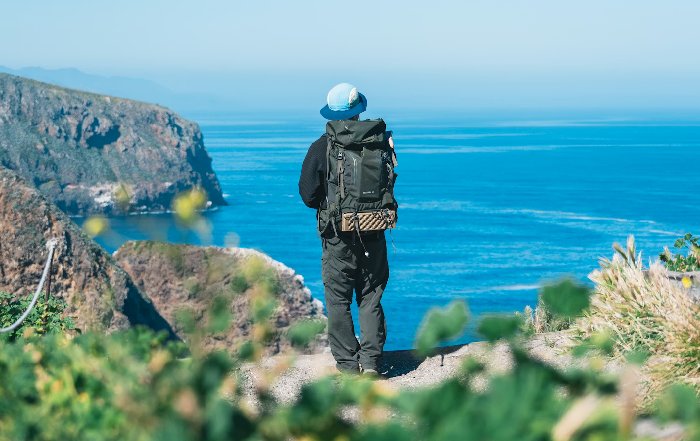
Expedition Travel for Physical and Mental Growth
Expedition Travel as a Catalyst for Whole-Person Development
Expedition travel has moved from a niche pursuit of mountaineers and extreme adventurers into a structured, intentional pathway for personal and professional development, attracting executives, entrepreneurs, remote workers, and wellness seekers from the United States, Europe, Asia, and beyond. Unlike conventional tourism, which often prioritizes comfort and predictability, expedition travel is defined by immersion in challenging environments, purposeful objectives, and reflective practice, blending physical exertion, cultural engagement, and psychological resilience-building into a single integrated experience. For readers of WellNewTime, who are already attuned to the intersections of wellness, performance, and lifestyle design, this evolution of travel represents a powerful vehicle for cultivating strength, clarity, and adaptability in an increasingly volatile global landscape.
Expedition-style journeys, whether trekking in the Himalayas, kayaking along the Norwegian fjords, crossing the Patagonian steppe, or participating in guided desert expeditions in Jordan or Namibia, are increasingly framed not as escapes from real life but as extensions of it, functioning as living laboratories where individuals can experiment with new habits, mindsets, and leadership approaches. As organizations such as National Geographic Expeditions and Intrepid Travel refine their itineraries to emphasize learning outcomes, environmental stewardship, and cultural respect, and as wellness-focused platforms like WellNewTime highlight the deeper benefits of intentional travel, a new paradigm is emerging in which journeys are evaluated not only by the photos they produce but by the physical capacity, emotional intelligence, and mental clarity they help participants to develop.
The Physical Demands and Rewards of Expedition Travel
At its core, expedition travel is a physical undertaking, demanding a level of preparation and conditioning that goes far beyond the average holiday. Multi-day treks, high-altitude routes, long-distance cycling, polar expeditions, and extended sea kayaking journeys require cardiovascular endurance, muscular strength, joint stability, and robust recovery strategies. Organizations such as REI Co-op have documented how structured pre-expedition training plans, combining strength work, mobility, and hiking with load, significantly reduce injury risk and enhance overall enjoyment of demanding trips, and these insights are increasingly being integrated into the planning processes of both adventure companies and individual travelers who view travel as part of their long-term fitness and health strategy.
The physiological benefits of such travel are substantial. Research summarized by the World Health Organization shows that regular moderate to vigorous physical activity lowers the risk of cardiovascular disease, type 2 diabetes, and several forms of cancer, while also improving sleep quality and metabolic health. Expedition travel, by its very nature, embeds sustained physical exertion into daily routines, often in clean natural environments with reduced exposure to urban air pollution, which the European Environment Agency has identified as a major risk factor for chronic illness across Europe. When travelers spend days or weeks moving through mountains, forests, or coastal environments, they are not just burning calories; they are recalibrating their baseline relationship to movement, endurance, and the capabilities of their own bodies.
This shift is particularly relevant for knowledge workers in North America, Western Europe, and Asia-Pacific, who frequently spend long hours in sedentary roles that compromise posture, circulation, and musculoskeletal health. A well-structured expedition can act as an intensive reset, encouraging participants to adopt healthier patterns of walking, stretching, and body awareness that they can maintain upon returning home. By combining expedition experiences with ongoing practices like yoga, strength training, and therapeutic bodywork, which are frequently highlighted in massage and recovery-focused content, individuals can transform a single journey into the foundation of a more resilient physical lifestyle.
Mental Toughness, Cognitive Flexibility, and Emotional Regulation
Beyond the visible physical demands, expedition travel also exerts a profound influence on mental health and cognitive functioning. Prolonged exposure to uncertainty, changing weather conditions, navigation challenges, and group dynamics requires travelers to develop adaptability, patience, and problem-solving skills in real time, often in contexts where digital connectivity is limited and immediate external support is unavailable. Psychologists studying resilience, including researchers at Harvard Medical School and Stanford University, have emphasized that controlled exposure to manageable stressors, followed by successful adaptation, is one of the most effective ways to build psychological robustness and confidence.
On an expedition, such stressors might include managing fatigue during a long ascent, coping with discomfort in a basic mountain hut, navigating language barriers in remote regions of South America or Africa, or coordinating decisions within a diverse team under time pressure. These experiences require individuals to monitor their emotional states, regulate anxiety, and maintain focus on the task at hand, thereby strengthening neural pathways associated with executive function and self-regulation. Over time, this translates into improved performance in professional environments, where complex decisions and interpersonal negotiations often mirror, in metaphorical terms, the challenges encountered on the trail or at sea.
Expedition travel also supports mental health through its alignment with principles of nature-based therapy. Studies referenced by the American Psychological Association and the UK's National Health Service indicate that time spent in natural environments can reduce symptoms of stress, anxiety, and depression, particularly when combined with physical activity and mindful attention. For readers engaged with mindfulness and contemplative practices, expedition travel offers an extended opportunity to deepen presence, as the absence of constant digital distraction and the immediacy of environmental feedback naturally anchor attention in the present moment, whether that is the rhythm of footsteps on a trail, the sound of wind against a tent, or the sight of sunrise over a glacier.
Expedition Travel as an Advanced Form of Wellness Practice
Within the broader wellness economy, which organizations like the Global Wellness Institute estimate to be worth trillions of dollars globally, expedition travel occupies a distinctive position at the intersection of physical training, mental health, and lifestyle design. While wellness retreats often emphasize rest, spa treatments, and guided workshops, expedition travel introduces a more active, challenge-based dimension that appeals to professionals seeking not only relaxation but transformation. For those who regularly engage with health and performance content, the idea of using travel as a structured intervention for both body and mind is increasingly compelling, especially in a post-pandemic world where hybrid work models have blurred boundaries between home, office, and leisure.
This form of travel can be understood as an advanced wellness practice because it requires intentional preparation, clear goal-setting, and post-expedition integration. Participants often work with coaches, physiotherapists, or mental health professionals to prepare for demanding journeys, drawing on evidence-based guidelines from organizations such as the Mayo Clinic for cardiovascular health and from the Centers for Disease Control and Prevention for safe travel practices and altitude adaptation. During the expedition, they may combine physical exertion with journaling, breathwork, or guided reflection, and upon returning, they translate insights into tangible changes in work schedules, sleep routines, or stress management strategies.
In this sense, expedition travel is no longer merely an adventurous break from daily life but a structured module within a broader personal development program. Platforms like WellNewTime are well placed to curate this evolution, connecting readers to resources on recovery, nutrition, and psychological integration that help ensure that the benefits of a demanding journey in Patagonia, Iceland, or New Zealand continue to unfold long after the traveler has returned to the office or home workspace.
Leadership, Team Dynamics, and Business Performance
For business leaders, expedition travel has rapidly become a sophisticated tool for leadership development and team cohesion. Executive expeditions, organized by specialist consultancies and adventure companies, place leadership teams into unfamiliar environments where hierarchy is softened, and success depends on collaboration, clear communication, and mutual support. The Harvard Business Review has examined how experiential learning in high-challenge environments can accelerate leadership growth, particularly in areas such as decision-making under uncertainty, empathy, and cross-cultural competence, all of which are critical for organizations operating across North America, Europe, Asia, and Africa.
On a multi-day expedition, titles and office status offer little advantage when the group must navigate a difficult river crossing, manage dwindling supplies, or adapt to a sudden weather shift. Instead, qualities such as humility, listening skills, and situational awareness become paramount, and hidden leadership potential often emerges from unexpected quarters. These dynamics provide rich material for post-expedition debriefs and coaching sessions, where teams can analyze how their behaviors in the field mirror or diverge from their usual patterns in the boardroom. In this way, expedition travel serves as both a diagnostic tool and a training environment, revealing strengths and blind spots that might remain hidden in conventional corporate settings.
Moreover, as businesses increasingly prioritize employee wellbeing and retention, particularly in competitive labor markets in Germany, Canada, Singapore, and Australia, offering expedition-based development opportunities can act as a powerful differentiator in employer branding. When integrated with broader initiatives such as flexible work policies, mental health support, and ongoing learning programs, expeditions reinforce a company's commitment to holistic employee growth, aligning with evolving expectations among younger professionals who seek meaningful, growth-oriented experiences rather than purely transactional benefits. Readers exploring business and jobs content are likely to see expedition programs increasingly featured as part of progressive talent strategies.
Cultural Intelligence and Global Perspective
Expedition travel also fosters cultural intelligence, a crucial capability in a world where supply chains, customer bases, and talent pools span Asia, Europe, Africa, and the Americas. Unlike short city breaks or resort holidays, expeditions often involve extended time in rural or indigenous communities, with homestays, local guides, and shared projects forming part of the experience. Organizations such as UNESCO and the World Tourism Organization (UNWTO) have emphasized the importance of respectful, community-based tourism models that preserve cultural heritage while providing sustainable economic opportunities, and many expedition operators now design itineraries in alignment with these principles.
For travelers, this means that an expedition in Peru, Bhutan, Kenya, or Greenland becomes an opportunity not only to test physical limits but to deepen understanding of local histories, environmental challenges, and social structures. This immersive exposure builds empathy and nuance, qualities that are increasingly valuable in international negotiations, cross-border partnerships, and global marketing strategies. When an executive has shared meals with Himalayan villagers affected by glacier melt, or listened to coastal communities in Southeast Asia describe the impact of rising sea levels, discussions about sustainability and corporate responsibility in the boardroom acquire a new level of urgency and authenticity.
For readers following world and news developments, the connection between lived experience and global awareness is particularly relevant. Expedition travel can transform abstract headlines about climate change, biodiversity loss, or economic inequality into tangible encounters, strengthening the moral and strategic case for companies and individuals to engage with these issues in a more informed and proactive way.
Environmental Responsibility and Regenerative Expedition Models
The rise of expedition travel inevitably raises questions about environmental impact, particularly in fragile ecosystems such as the Arctic, the Alps, the Himalayas, and coral reef regions in Australia and Southeast Asia. Responsible travelers and operators are increasingly guided by frameworks such as the United Nations Environment Programme's principles for sustainable tourism and the Leave No Trace Center for Outdoor Ethics guidelines, which emphasize minimizing footprint, respecting wildlife, and supporting local conservation initiatives. In 2026, the conversation has evolved beyond mere sustainability toward regenerative models, in which expeditions actively contribute to ecosystem restoration and community resilience.
Some companies now integrate citizen science components into their itineraries, enabling travelers to assist with biodiversity monitoring, glacier measurement, or marine plastic surveys in collaboration with research institutions such as NASA, NOAA, or leading universities. Others direct a portion of expedition fees to local conservation projects, reforestation efforts, or climate adaptation programs, providing transparent reporting on outcomes. This alignment between travel, science, and environmental stewardship resonates strongly with readers who follow environment coverage and are seeking ways to reconcile their desire for exploration with their commitment to planetary health.
For platforms like WellNewTime, which bridge wellness, lifestyle, and innovation, highlighting regenerative expedition models helps readers identify operators and destinations that match their ethical standards. It also reinforces a broader narrative in which personal growth and environmental responsibility are not competing priorities but mutually reinforcing dimensions of a conscious, future-ready lifestyle.
Integrating Expedition Insights into Everyday Life and Work
The true value of expedition travel lies not only in the experiences themselves but in how those experiences are integrated into daily routines, professional practices, and long-term life strategies. Travelers who return from demanding journeys often report increased confidence, a recalibrated sense of what constitutes "stress," and a clearer understanding of their priorities. However, without deliberate integration, these gains can fade as the pressures of email, deadlines, and urban living reassert themselves. This is where structured reflection and ongoing habits become essential, and where platforms that focus on lifestyle, wellness, and innovation can play a guiding role.
Many expedition participants now engage in post-journey coaching, journaling, or peer circles, using frameworks from positive psychology and performance science, such as those popularized by researchers at the University of Pennsylvania and MIT, to translate insights into concrete commitments. These might include redesigning workweeks to allow for regular immersion in local nature, renegotiating boundaries around digital availability, or taking on new leadership responsibilities with a renewed emphasis on empathy and clarity. Others use expedition experiences as catalysts for broader life changes, such as shifting careers, launching purpose-driven ventures, or relocating to regions that better align with their values and preferred lifestyles.
From a business perspective, integrating expedition insights can lead to more resilient organizational cultures. Leaders who have practiced calm decision-making on a stormy ridge in Norway or navigated group tensions on a long trek in South Africa are often better equipped to handle market volatility, internal conflict, or strategic pivots. When companies encourage employees to share expedition learnings in structured forums, they not only validate personal growth but also enrich collective intelligence, embedding adaptability and reflection into the fabric of the organization.
Innovation, Technology, and the Future of Expedition Experiences
Expedition travel in 2026 is also shaped by rapid advances in technology and innovation. Wearable devices from companies like Garmin and Apple allow travelers to monitor heart rate variability, sleep quality, altitude adaptation, and training load in real time, providing data that can be used to optimize performance and recovery both during and after journeys. Satellite communication tools, while used sparingly to preserve the sense of disconnection, enhance safety and enable guided remote support when needed. At the same time, digital platforms such as Strava and Komoot facilitate route planning, community engagement, and long-term tracking of physical progress, turning each expedition into part of a larger narrative of personal evolution.
On the educational side, online courses and virtual reality experiences offered by institutions like Coursera and edX are helping aspiring adventurers acquire foundational skills in navigation, wilderness first aid, and environmental ethics before they set foot on a trail or board a boat. This blended model of digital preparation and analog immersion aligns with the broader trends in innovation and hybrid learning that are reshaping industries worldwide. It also opens expedition travel to a broader demographic, including professionals in China, India, Brazil, and South Africa who may not have grown up with easy access to wilderness environments but now see adventure as a viable component of their personal development plans.
For WellNewTime, which serves an internationally minded audience interested in wellness, business, and future-oriented lifestyles, tracking these innovations is essential. The most impactful expeditions of the coming decade are likely to be those that combine evidence-based training and recovery protocols, thoughtful use of technology, and deep respect for local communities and ecosystems, creating journeys that are not only memorable but measurably beneficial to both participants and host regions.
Positioning Expedition Travel Within a Holistic Life Strategy
As global mobility continues to recover and evolve, expedition travel stands out as a uniquely powerful modality for cultivating physical robustness, mental clarity, emotional resilience, and global awareness. For readers across the United States, United Kingdom, Germany, Canada, Australia, France, Italy, Spain, the Netherlands, Switzerland, Japan, South Korea, Singapore, and beyond, the decision to undertake an expedition is no longer simply a question of seeking adventure; it is a strategic choice about how to invest time, energy, and financial resources in experiences that generate lasting returns in health, performance, and perspective.
By integrating expedition journeys with ongoing practices in fitness, mindfulness, and recovery, drawing on insights from trusted sources such as the World Health Organization, the American College of Sports Medicine, and leading universities, and by aligning travel choices with principles of environmental and social responsibility, individuals can transform adventure into a cornerstone of a well-designed life. Platforms like WellNewTime, with their focus on wellness, health, business, and global lifestyle trends, are ideally positioned to help readers navigate this landscape, connecting them with knowledge, inspiration, and practical tools to turn aspiration into action.
Expedition travel for physical and mental growth is, ultimately, about much more than reaching remote summits or crossing distant deserts. It is about learning to meet challenge with curiosity rather than fear, to inhabit one's body with greater strength and ease, to engage with diverse cultures with humility and respect, and to return home with a clearer sense of how to contribute meaningfully to organizations, communities, and the planet. In an era defined by rapid change and mounting complexity, those who intentionally step into the demanding yet rewarding world of expedition travel may find themselves better equipped not only to navigate external landscapes but to chart a more purposeful course through their own lives.