

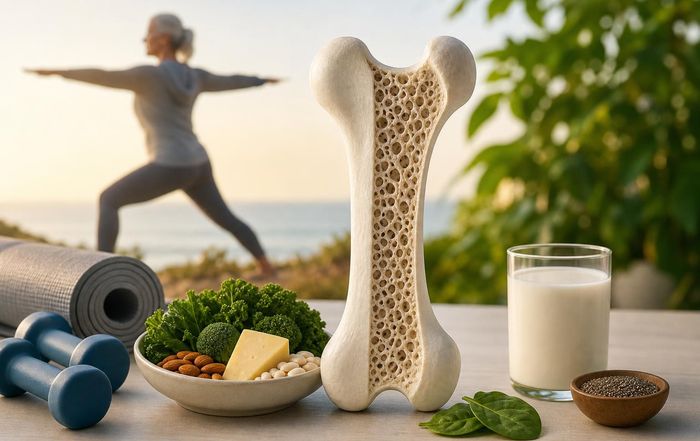
Bone Health After Midlife: Habits That Matter More Than You Think
Bone health is often treated as a niche concern-something to think about only after a fracture or a worrying scan. Yet after about age 40, bone biology quietly shifts for almost everyone. Bone breakdown gradually outpaces bone building, and by midlife the choices made around food, movement, sleep, stress, and medication begin to show up in bone density scans and fracture risk.
For many adults worldwide, especially women after menopause and men over 65, bone health becomes a central part of staying independent, active, and well. Understanding which habits truly move the needle-and which are overhyped-can help people prioritize what matters in everyday life.
This page looks at how bones change after midlife, what the evidence says about nutrition and exercise, the role of hormones and medications, the importance of lifestyle factors like sleep and alcohol, and the habits that are most worth adopting or rethinking.
How Bones Change After 40-and Why It Speeds Up Later
Bone is living tissue. It is constantly remodeled by two types of cells: osteoclasts, which break down old bone, and osteoblasts, which build new bone. In youth, building wins. Peak bone mass is usually reached in the late teens to late 20s. After about 30-35, the balance gradually tilts toward loss.
By midlife, this shift becomes more clinically important. In women, the drop in estrogen around menopause accelerates bone loss, especially in the first 5-10 years after the final menstrual period. The International Osteoporosis Foundation estimates that one in three women and one in five men over 50 will experience an osteoporotic fracture in their lifetime, underscoring how common this issue is globally. Men experience a slower, steadier decline, but age-related decreases in testosterone, lower activity levels, reduced muscle mass, and more chronic conditions all contribute.
Bone density is only part of the story. Bone quality-including microarchitecture and the ability to repair tiny cracks-also changes with age. Certain conditions, such as rheumatoid arthritis, inflammatory bowel disease, celiac disease, chronic kidney disease, and long-term use of glucocorticoids (like prednisone), can accelerate bone loss. So can some cancer therapies, particularly hormonal treatments for breast and prostate cancer.
Because bone loss is "silent" until a fracture occurs, screening is important. Many national guidelines, such as those from the U.S. Preventive Services Task Force and organizations like the National Osteoporosis Foundation, recommend DXA (dual-energy X-ray absorptiometry) scans for women 65 and older and for younger postmenopausal women with risk factors; men often get less systematic screening despite comparable fracture-related disability. For readers interested in broader healthy aging topics, our health and wellness sections explore how bone health fits into overall longevity and function.
Nutrition for Stronger Bones: Beyond Just "Drink More Milk"
Diet is one of the most modifiable influences on bone health after midlife, but it is also an area crowded with myths. Research from bodies such as the World Health Organization (WHO), National Institutes of Health (NIH), and major academic centers points toward a few core nutrients and patterns that consistently matter.
Calcium remains foundational, but more is not always better. Many guidelines suggest around 1,000-1,200 mg per day for adults over 50, ideally from food first. Dairy products, calcium-set tofu, canned fish with bones, and some fortified plant milks and juices are common sources. For those who avoid dairy, a combination of fortified foods, leafy greens, nuts, and seeds can help, though it may take more deliberate planning. Excessive calcium supplementation, particularly in high-dose pills, has raised concerns in some studies about kidney stones and possible cardiovascular risk, so professional groups like the NIH Office of Dietary Supplements often emphasize hitting needs mainly through diet and using supplements to close, not exceed, gaps.
Vitamin D is essential for absorbing calcium and supporting bone remodeling. Many adults, especially in northern latitudes or those who spend little time outdoors, have low vitamin D levels. Organizations such as the Endocrine Society and National Health Service (NHS) note that modest supplementation is often reasonable in midlife and older adults, but the ideal dose depends on baseline levels, skin type, geography, and health status. Testing and individualized advice can be helpful, especially for people with darker skin, limited sun exposure, or malabsorption conditions.
Protein is sometimes overlooked in bone discussions, yet bones are about 50% protein by volume. Adequate protein supports muscle mass, which in turn protects bones by improving balance and cushioning falls. Past concerns that high-protein diets might harm bones have largely been tempered by newer research suggesting that, when calcium intake is adequate, higher protein can actually support bone health. Many guidelines now encourage older adults to aim toward the higher end of protein recommendations, especially if they are physically active.
Magnesium, vitamin K (particularly K2), and trace minerals such as zinc also play roles in bone metabolism. A varied diet rich in vegetables, legumes, nuts, seeds, and whole grains-similar to a Mediterranean-style pattern-has been associated in several observational studies with better bone density and lower fracture risk. While such studies cannot prove cause and effect, they support the idea that a whole-diet approach matters more than any single "bone superfood."
For readers exploring broader food and lifestyle strategies, our lifestyle and fitness coverage regularly examines how nutrition and movement interact, including for bone and muscle health.
Exercise: The Single Most Powerful Everyday Habit for Bones
If there is one behavior repeatedly highlighted by organizations like the International Osteoporosis Foundation, Mayo Clinic, and Harvard T.H. Chan School of Public Health, it is physical activity-particularly weight-bearing and resistance exercise.
Bones respond to load. When muscles pull on bone or when feet strike the ground, microscopic strain signals the body to reinforce those areas. After midlife, the goal shifts from building peak bone mass to slowing loss, preserving structure, and preventing falls. Three broad movement categories are especially valuable:
Weight-bearing impact activities include brisk walking, hiking, stair climbing, dancing, low-impact aerobics, and, for some people, light jogging or racket sports. These activities send loading forces through the hips and spine, regions commonly affected by osteoporosis. Even daily walking, when done at a purposeful pace and with sufficient duration, is associated with better bone density and lower fracture risk in many studies.
Resistance or strength training applies targeted load through muscles and tendons. Lifting weights, using resistance bands, doing body-weight exercises like squats and push-ups, or using weight machines can help maintain or increase bone mass in key sites such as the hip and spine. Strength training also builds muscle, supports joint stability, and improves the ability to catch oneself during a stumble. For many midlife adults, this is the most underused tool for bone protection.
Balance and mobility work, such as tai chi, yoga, and specific balance drills, may not dramatically change bone density, but they significantly reduce fall risk. Several randomized trials, including those summarized by agencies like the U.S. Centers for Disease Control and Prevention (CDC), suggest that multifactorial fall prevention programs-combining strength, balance, and environmental changes-meaningfully cut fracture rates in older adults.
For individuals with existing osteoporosis or prior fractures, exercise needs to be tailored. High-impact moves, deep forward bends, or twisting loads on the spine can be risky, particularly for vertebral fractures. Working with a physiotherapist or exercise professional experienced in bone health can help design a safe, progressive program. Our wellness and mindfulness sections often highlight ways to integrate movement with stress reduction and body awareness, which can further support safe, consistent exercise.
Hormones, Menopause, and Bone Density: What to Know
Hormonal changes are central to bone health after midlife, particularly for women. Estrogen helps maintain bone density by slowing bone resorption. When estrogen levels fall sharply around menopause, bone loss accelerates. Clinical data from groups like the North American Menopause Society and Royal Osteoporosis Society show that women can lose up to 10% of their bone mass in the first few years after menopause, making this a critical window.
Hormone therapy (HT), also called menopausal hormone therapy, can help preserve bone density and reduce fracture risk in appropriate candidates. However, it also carries potential risks, including blood clots, stroke, and certain cancers, depending on age, health history, and formulation. Current guidelines in many countries generally do not recommend starting hormone therapy solely for bone protection if someone is well past the menopausal transition, but they do consider bone health one of the benefits when HT is prescribed primarily for significant menopausal symptoms in younger postmenopausal women.
In men, testosterone levels decline more gradually, but clinically low testosterone (hypogonadism) is linked to lower bone density. Treating confirmed testosterone deficiency can improve bone mass, though it is not a universal solution and must be weighed against cardiovascular and prostate-related risks. Endocrinology societies stress that testosterone therapy should be reserved for men with clear biochemical deficiency and symptoms, not for general aging or performance enhancement.
Thyroid hormones, parathyroid hormone, and cortisol (the main stress hormone) also influence bone turnover. Overactive thyroid, overreplacement of thyroid hormone, elevated parathyroid hormone (as in hyperparathyroidism), and chronic high cortisol (from long-term steroid use or Cushing's syndrome) all increase fracture risk. Managing these conditions with an endocrinologist can be as important for bone health as any supplement.
Medications That Affect Bones: Helpful Treatments and Hidden Risks
Several medications directly strengthen bones and reduce fracture risk, while others unintentionally weaken them. Understanding both sides helps people ask better questions when new prescriptions are proposed.
On the protective side, drugs such as bisphosphonates (like alendronate and risedronate), denosumab, selective estrogen receptor modulators (SERMs), parathyroid hormone analogs, and newer agents like romosozumab are used to treat osteoporosis in high-risk individuals. Large clinical trials, often summarized by organizations like the National Osteoporosis Foundation and Mayo Clinic, show that these treatments can significantly reduce vertebral and hip fractures. They are usually reserved for people with osteoporosis on DXA scanning, prior fragility fractures, or very high predicted fracture risk.
However, these drugs are not without side effects: digestive issues, rare atypical femur fractures, osteonecrosis of the jaw, and rebound bone loss after stopping certain agents are among the concerns. For this reason, treatment decisions typically weigh overall fracture risk against potential harms, and "drug holidays" or transitions may be considered after several years of therapy.
On the risk side, long-term use of glucocorticoids (such as prednisone), certain antiepileptic drugs, aromatase inhibitors used in breast cancer, androgen-deprivation therapy for prostate cancer, some HIV medications, and high-dose thyroid hormone replacement are all associated with reduced bone density. When such medications are medically necessary, clinicians may recommend earlier DXA screening, preventive lifestyle measures, and sometimes prophylactic osteoporosis treatment.
For people navigating complex health conditions and multiple prescriptions, our health and news coverage can be a useful way to follow developments in bone-related therapies, regulatory decisions, and emerging safety data.
Lifestyle Habits That Quietly Undermine-or Protect-Bone Health
Beyond diet, exercise, and formal treatments, a cluster of everyday habits can either erode or support bone strength over time. Some of these are widely known; others are less obvious but increasingly recognized by public health bodies like the World Health Organization and CDC.
Smoking is one of the most consistently documented risk factors for osteoporosis and fractures. Tobacco use reduces blood flow to bone, interferes with osteoblast function, and is linked to earlier menopause. Studies suggest that quitting smoking can partially reverse some of the excess risk, though not completely, making cessation beneficial at any age.
Alcohol has a more complex relationship with bone. Light to moderate drinking appears neutral or even slightly protective in some observational studies, but heavier drinking is clearly associated with lower bone density and higher fracture rates. Chronic heavy alcohol use interferes with vitamin D activation, calcium absorption, and hormone levels, and often coexists with poor diet and falls. Many guidelines suggest that older adults, in particular, should keep alcohol intake modest and avoid binge patterns.
Sleep and circadian rhythms are emerging as important, if less obvious, contributors. Chronic sleep deprivation and frequent night-shift work have been associated in some research with lower bone density, possibly through alterations in cortisol, growth hormone, and inflammatory pathways. While this field is still evolving, prioritizing regular, sufficient sleep aligns with broader wellness goals and may offer additional bone benefits.
Stress management also matters indirectly. Persistent high stress can lead to elevated cortisol, emotional eating, reduced exercise, and higher alcohol or tobacco use-all of which influence bone health. Mind-body practices such as meditation, yoga, and tai chi, which we explore frequently in our mindfulness section, may support healthier habits and better self-care, creating a more favorable environment for bone maintenance.
Finally, the home and community environment shape fall risk. Poor lighting, loose rugs, cluttered walkways, lack of handrails, and slippery bathroom surfaces are common hazards. Many fall-prevention programs, including those highlighted by the CDC, emphasize home safety checks, appropriate footwear, vision care, and, when needed, assistive devices. These practical steps are at least as important as any supplement for preventing fractures in older adults.
Screening, Testing, and When to Seek Professional Advice
Knowing when to move from general prevention to targeted medical evaluation is crucial. Bone health is not just about avoiding osteoporosis; it is about identifying people at high risk of serious fractures and intervening early.
DXA scans remain the standard for measuring bone mineral density at the hip and spine. Results are often reported as T-scores, comparing an individual's bone density to that of a healthy young adult. A T-score of -1.0 to -2.5 is labeled osteopenia (low bone mass), and -2.5 or lower typically indicates osteoporosis. However, fracture risk is not determined by bone density alone. Age, prior fractures, family history, body weight, smoking, alcohol use, certain diseases, and medications all matter.
Tools like FRAX, developed with support from the World Health Organization, estimate a person's 10-year probability of major osteoporotic and hip fractures using multiple risk factors. These tools help clinicians decide when to recommend medication, but they have limitations, especially in people with atypical risk profiles or in regions where the underlying data are less robust.
Blood tests can uncover secondary causes of bone loss: vitamin D deficiency, abnormal calcium or parathyroid hormone levels, thyroid dysfunction, celiac disease, or markers of kidney or liver disease. In younger individuals with unexpected fractures or very low bone density, genetic or metabolic evaluations may be warranted.
People should consider discussing bone health with a clinician if they are a woman over 65 or a man over 70, have gone through early menopause, have had a low-trauma fracture after age 50, take long-term steroids, have chronic inflammatory or endocrine diseases, or have a strong family history of hip fractures. In many countries, national health services such as the NHS and major medical centers provide accessible information on when and how to get assessed.
Integrating Bone Health Into a Broader Wellness Plan
After midlife, bone health cannot be separated from overall wellbeing. The same habits that support bones-nutrient-dense food, regular strength and balance training, adequate sleep, moderate alcohol, no smoking, and thoughtful stress management-also benefit cardiovascular, metabolic, and mental health. In that sense, focusing on bones can be a powerful organizing principle for broader lifestyle change.
For example, building a weekly routine that includes brisk walks, two or three short strength sessions, and a balance-focused class or home practice can simultaneously protect bones, maintain muscle, and support mood. Choosing meals that emphasize vegetables, legumes, whole grains, and quality protein, with adequate calcium and vitamin D, will not only nourish bones but also support gut health and energy levels. Regular time outdoors, mindful movement, and restorative sleep weave together physical and psychological resilience.
Travel, work, caregiving, and other life demands can make consistent habits challenging, especially for those balancing multiple responsibilities in midlife and beyond. Yet even small, repeated changes-taking stairs instead of lifts, doing 10 minutes of strength work at home, or swapping one sugary drink for a calcium-fortified option-can accumulate into meaningful protection over time. Our awesome travel and environment pages often touch on how surroundings and routines influence health behaviors, including those that affect bones.
Ultimately, bone health after midlife is less about a single supplement or test and more about a pattern of living. Understanding which habits truly matter-nutrition that meets key needs, movement that challenges bones and improves balance, careful use of medications, and environments that prevent falls-allows individuals to make practical, informed choices. With that foundation, bones can remain strong enough to support not just longevity, but the freedom to move, explore, and participate fully in life.