

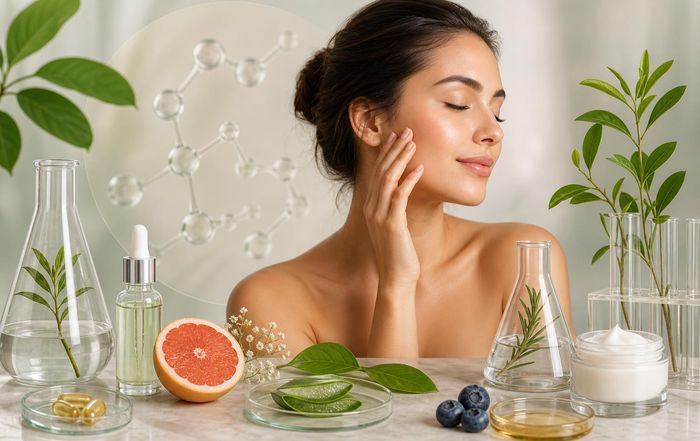
Beauty Habits Backed by Everyday Science: A Global Perspective for 2026
The New Science-Driven Beauty Mindset
By 2026, beauty has evolved far beyond surface-level aesthetics, becoming a multidimensional expression of health, wellbeing, identity and sustainability. Audiences across North America, Europe, Asia, Africa and South America now evaluate beauty routines with the same scrutiny they apply to financial decisions or career planning, demanding evidence, transparency and measurable results. In this environment, WellNewTime has positioned itself as a guide for readers who want routines that are not only effective, but also aligned with long-term wellness, ethical values and environmental responsibility, bridging the gap between personal care and broader lifestyle choices.
This shift has been accelerated by the widespread accessibility of scientific information, the global reach of digital platforms and the convergence of wellness, health and beauty industries. Organizations such as the World Health Organization (WHO) and the U.S. Food and Drug Administration (FDA) have increased public awareness of ingredient safety, while dermatological experts and academic researchers have made complex topics, from skin microbiome dynamics to circadian biology, part of everyday conversation. Readers seeking a deeper understanding of the relationship between appearance and wellbeing increasingly reference resources such as the Harvard T.H. Chan School of Public Health or the Mayo Clinic, and they expect beauty advice to stand up to the same scrutiny.
For wellnewtime.com, whose audience is especially engaged with wellness, health, fitness and lifestyle, this means beauty content must be more than trend commentary; it must translate peer-reviewed insights into realistic habits that people in the United States, the United Kingdom, Germany, Canada, Australia, Singapore, Japan, South Korea and beyond can integrate into their daily routines. Beauty habits backed by everyday science have become the new standard, linking what individuals do in their bathrooms, kitchens, gyms and offices to evidence-based outcomes in skin health, hair resilience, mental wellbeing and long-term vitality.
Skin Health as the Foundation of Modern Beauty
Dermatologists across leading institutions, including American Academy of Dermatology members and researchers at organizations like the British Association of Dermatologists, consistently emphasize that healthy skin is the foundation of enduring beauty. This perspective reframes skincare from a cosmetic indulgence into a health practice that supports the skin barrier, immune function and psychological confidence. In 2026, consumers are increasingly literate in concepts such as transepidermal water loss, pH balance and the role of ceramides and lipids, and they are learning to distinguish marketing language from substantiated claims.
Scientific consensus supports several core habits that are now widely recognized as non-negotiable. Daily use of broad-spectrum sunscreen with adequate SPF, reapplication during prolonged exposure and a preference for formulations that protect against both UVA and UVB radiation are supported by extensive evidence from organizations such as the Skin Cancer Foundation. Gentle cleansing that respects the skin's natural barrier, avoiding harsh surfactants and over-exfoliation, aligns with findings shared by the Cleveland Clinic on irritation, sensitivity and chronic inflammation. Hydration with humectants like glycerin and hyaluronic acid, combined with occlusive and emollient ingredients, reflects a nuanced understanding of how water content and lipid structure influence texture, elasticity and radiance.
At WellNewTime, articles in the beauty and health sections increasingly integrate this dermatological knowledge into accessible guidance, helping readers in climates as diverse as Scandinavia, Southeast Asia and Southern Europe adapt their routines to local humidity, pollution levels and seasonal variations. The emphasis is on building consistent rituals rather than chasing quick fixes, encouraging readers to see skin as a living organ that responds to long-term patterns in sleep, diet, stress and sun exposure rather than isolated products.
The Science of Sleep, Stress and the "Wellness Face"
One of the most significant shifts in the beauty discourse by 2026 is the recognition that the face often reflects the cumulative impact of sleep quality, stress management and mental health. Clinical research, including studies summarized by organizations such as the National Institutes of Health, has demonstrated that chronic sleep deprivation contributes to dullness, fine lines and impaired barrier function, while consistent, high-quality sleep supports collagen maintenance, hormonal balance and repair processes. This has reinforced the idea that "beauty sleep" is not a cliché but a biological reality.
Stress, mediated through cortisol and inflammatory pathways, has been linked to flare-ups of conditions such as acne, eczema and psoriasis, as well as to premature aging. The American Psychological Association and other bodies have highlighted how chronic psychological strain can manifest physically, reinforcing the need for integrated approaches that combine skincare with mindfulness and resilience-building practices. Readers who explore mindfulness resources on WellNewTime increasingly understand that techniques such as breathwork, meditation, yoga and digital detoxes are not only mental health tools but also indirect beauty habits, supporting more balanced skin and a more relaxed appearance.
Around the world, from busy professionals in New York and London to entrepreneurs in Berlin and Singapore and creatives in Seoul and Tokyo, there is a growing recognition that the "wellness face" is less about symmetry or perfection and more about the subtle signs of rest, hydration and emotional regulation. Institutions like the Sleep Foundation have become reference points for individuals who want to optimize their circadian rhythms, adjust light exposure in the evenings and structure routines that support deep, restorative sleep. This convergence of neuroscience, psychology and dermatology has reshaped beauty routines into holistic evening rituals that include not only serums and creams but also screen-time limits, calming practices and sleep-friendly environments.
Nutrition, Gut Health and the Beauty-Health Continuum
As the global audience becomes more informed, the connection between nutrition, gut health and outward appearance has moved from speculative trend to grounded science. Researchers at organizations such as the European Society for Clinical Nutrition and Metabolism and the Academy of Nutrition and Dietetics have contributed to a growing body of evidence that dietary patterns rich in whole foods, fiber, healthy fats and antioxidants support skin elasticity, hair strength and nail integrity, while diets high in ultra-processed foods, added sugars and trans fats can accelerate oxidative stress and inflammation.
The concept of the gut-skin axis, explored in depth by institutions like the National Center for Biotechnology Information, has entered mainstream awareness, especially among readers who follow wellness and environmental topics. Fermented foods, diverse plant fibers and balanced omega-3 intake are now seen as beauty-supportive choices, not only for their impact on digestion and immunity but also for their influence on conditions such as acne and rosacea. In countries such as Japan, South Korea and the Nordic nations, where traditional diets already emphasize fish, seaweed, fermented vegetables and whole grains, these insights reinforce longstanding culinary practices, while in North America, the United Kingdom and parts of Europe, there is a gradual shift toward more Mediterranean-style and plant-forward eating patterns.
For WellNewTime readers navigating busy lifestyles in cities like Toronto, Sydney, Paris or São Paulo, the challenge is often practicality. Articles in the lifestyle and wellness sections increasingly focus on realistic strategies such as preparing nutrient-dense breakfasts, prioritizing hydration throughout the workday and integrating simple, scientifically grounded supplements where appropriate. Authoritative resources like the World Health Organization's nutrition pages and the Harvard Nutrition Source offer frameworks that readers can adapt to their cultural preferences, emphasizing balance, moderation and long-term patterns over restrictive fads.
Movement, Fitness and the Physiology of Radiance
Exercise has long been associated with physical fitness, but by 2026 its role in beauty is discussed with much greater physiological precision. Cardiovascular activity improves circulation, delivering oxygen and nutrients to the skin, while resistance training supports muscle tone that can subtly lift facial contours and improve posture, both of which influence perceived attractiveness and confidence. Research summarized by organizations such as the American College of Sports Medicine and the World Heart Federation underscores how regular movement reduces chronic inflammation, improves insulin sensitivity and supports hormonal equilibrium, all of which have downstream effects on acne, premature aging and hair health.
In cities from Los Angeles and Vancouver to Amsterdam, Stockholm and Melbourne, readers increasingly see their fitness routines as part of their beauty strategy, choosing activities that they can sustain over years rather than short-term, aesthetic-driven extremes. Low-impact options such as walking, Pilates and yoga are recognized for their role in managing stress and supporting joint health, while high-intensity interval training and strength work are valued for metabolic benefits and body composition improvements. The key, supported by evidence from sources like the Centers for Disease Control and Prevention, is consistency and individualization, acknowledging that age, genetics, cultural context and personal preference all shape what an effective routine looks like.
For WellNewTime, which serves readers across continents with different urban infrastructures and cultural attitudes toward exercise, the focus has been on connecting beauty aspirations with realistic movement patterns: active commuting in European cities with strong cycling cultures, home-based routines for busy professionals in major Asian hubs, outdoor activities for residents of New Zealand, Canada and the Nordic countries and inclusive approaches that consider accessibility and different life stages. In this framework, a "beauty habit" may be as simple as a daily brisk walk or as structured as a periodized training program, but in all cases it is grounded in well-documented physiological benefits.
Mindfulness, Emotional Resilience and the Aesthetics of Calm
One of the most profound transformations in global beauty culture is the recognition that emotional state and facial expression are inseparable from perceived attractiveness. Chronic tension, habitual frowning and jaw clenching can contribute not only to discomfort and headaches but also to deepened expression lines and an overall stressed appearance. Neuroscience and psychology research, including work shared by the Greater Good Science Center at UC Berkeley, suggests that practices which cultivate emotional regulation, compassion and self-awareness can subtly influence posture, facial softness and even interpersonal perception.
Mindfulness techniques, once considered niche, have become central to many readers' beauty routines, particularly among professionals in high-pressure environments in financial centers like London, New York, Frankfurt and Singapore, as well as tech hubs in San Francisco, Berlin, Shenzhen and Bangalore. Guided meditations, breathing exercises and short digital breaks are increasingly treated as daily hygiene for the nervous system, just as cleansing and moisturizing are for the skin. The Mindful.org platform and numerous clinical programs in hospitals across Europe, North America and Asia have helped normalize these practices, providing evidence for their impact on stress biomarkers, sleep quality and subjective wellbeing.
On wellnewtime.com, the intersection of mindfulness, beauty and mental health is a recurring theme, emphasizing that self-care is not merely about appearance but about cultivating an internal state that naturally radiates outward. This holistic approach resonates with readers from France to South Africa, Brazil to Norway, who are increasingly skeptical of purely cosmetic solutions and more interested in routines that help them navigate uncertainty, career transitions and global challenges with composure. The aesthetics of calm, grounded presence and authentic expression are becoming as aspirational as any cosmetic trend.
Massage, Touch and the Science of Microcirculation
Touch-based practices, once confined to spas and luxury resorts, are now widely understood as accessible, science-backed beauty tools. Facial massage, lymphatic drainage and bodywork techniques influence microcirculation, lymphatic flow and muscle tension, contributing to reduced puffiness, improved tone and a sense of relaxation that can be visibly reflected in the skin. Studies shared by organizations like the National Center for Complementary and Integrative Health and research published through platforms such as PubMed have examined how manual therapies can modulate stress responses, support pain management and enhance subjective wellbeing.
In beauty hubs from Seoul and Tokyo to Paris, Milan and New York, facial massage tools, gua sha stones and manual techniques have become mainstream, but the most effective practices are those grounded in anatomy and gentle, consistent application. Overly aggressive manipulation can cause irritation or broken capillaries, while thoughtful routines focused on light pressure and upward strokes can support the natural structure of the face. For readers exploring massage-focused content on WellNewTime, the emphasis is on integrating short, regular rituals into existing skincare steps rather than pursuing extreme or unproven methods.
The science of touch extends beyond aesthetics to emotional regulation. Oxytocin release, nervous system modulation and the simple human need for contact are increasingly recognized as part of a comprehensive wellbeing strategy. In cultures where professional massage is widely accessible, such as Thailand, Sweden and parts of the United States, it is more often framed as health maintenance rather than luxury. In other regions, self-massage techniques and simple at-home tools allow individuals to access some of the same benefits, reinforcing the idea that beauty and relaxation are deeply interconnected.
Travel, Environment and Adaptive Beauty Routines
As international travel has resumed and evolved by 2026, beauty habits have had to adapt to changing climates, time zones and environmental conditions. Frequent flyers moving between humid cities like Singapore or Bangkok and drier climates in the United States, the Middle East or Australia must adjust their routines to account for differences in humidity, UV index and pollution levels. Environmental health organizations such as the European Environment Agency and the United Nations Environment Programme have increased awareness of how air quality and climate change affect skin health, from increased oxidative stress to barrier disruption.
Readers who follow travel and environment coverage on wellnewtime.com are particularly attuned to these dynamics, seeking practical, science-based strategies for maintaining skin and hair health while on the move. Hydrating formulas, antioxidant-rich serums, gentle cleansers and diligent sun protection become essential tools for international professionals and leisure travelers alike, whether they are attending conferences in Zurich, exploring coastal regions in Spain or working remotely from Bali or Cape Town. Time-zone shifts and jet lag also intersect with beauty, as circadian disruption can influence cortisol levels, appetite and sleep patterns, all of which have downstream effects on appearance.
The environmental dimension also includes water quality, with hard water in parts of the United Kingdom, Germany and the Netherlands affecting hair texture and skin dryness, and different standards of cosmetic regulation across regions requiring informed product choices. Resources like the European Commission's cosmetics portal and the FDA's cosmetics information help travelers understand regulatory frameworks, while WellNewTime provides contextual guidance for maintaining consistent, evidence-based routines across borders.
Clean Beauty, Sustainability and Corporate Accountability
The rise of "clean beauty" has been one of the defining trends of the last decade, but by 2026 the conversation has matured into a more nuanced discussion about safety, sustainability and evidence. Consumers in markets such as the United States, Canada, the United Kingdom, Germany, France and the Nordic countries increasingly look beyond marketing labels, asking detailed questions about ingredient sourcing, biocompatibility, biodegradability and packaging impact. Organizations like the Environmental Working Group and initiatives such as the UN Global Compact have contributed to broader corporate accountability, encouraging brands to provide transparent, verifiable information about their products and practices.
For readers exploring brands and business content on WellNewTime, the emphasis is on distinguishing between substantiated innovation and greenwashing. Evidence-based beauty habits now include not only choosing products that are effective and safe for personal use, but also considering their broader ecological footprint, from microplastic pollution to palm oil sourcing and energy-intensive manufacturing. Resources such as the Ellen MacArthur Foundation provide insights into circular economy principles that can guide both consumers and companies toward more sustainable models.
In this landscape, trust is built through clear labeling, accessible ingredient explanations and third-party certifications rather than vague promises. Readers from Singapore to New Zealand, South Africa to Brazil increasingly expect brands to align with their values on climate, biodiversity and social responsibility, and they turn to platforms like wellnewtime.com to evaluate how emerging and established companies respond to this demand. Beauty habits backed by everyday science therefore extend beyond the bathroom mirror into purchasing decisions that reflect both personal and planetary wellbeing.
Innovation, Technology and the Future of Personalized Beauty
Technological innovation has transformed beauty routines into data-informed, highly personalized systems. In 2026, AI-driven skin analysis apps, connected devices and teledermatology services allow individuals in remote regions of Asia, Africa and South America to access expertise previously limited to major urban centers in Europe and North America. Research hubs and companies in countries such as South Korea, Japan, the United States and Germany are at the forefront of developing advanced delivery systems, biomimetic ingredients and microbiome-friendly formulations that respond to individual needs and environmental conditions.
At the same time, responsible experts caution against overreliance on unvalidated tools, emphasizing the importance of clinical evidence and professional guidance. Organizations like the American Academy of Dermatology, the British Association of Dermatologists and regulatory bodies worldwide continue to evaluate new technologies, from at-home laser devices to genetic testing for skincare, ensuring that safety and efficacy keep pace with innovation. Readers interested in how science and technology intersect with beauty can explore innovation coverage and news updates on WellNewTime, which contextualize emerging trends within broader health and wellness frameworks.
The future of beauty habits is likely to be increasingly integrated, combining insights from genomics, metabolomics, behavioral science and environmental data. Yet even as tools become more sophisticated, the core principles remain grounded in everyday science: consistent sun protection, gentle cleansing, balanced nutrition, regular movement, restorative sleep, emotional regulation, mindful product selection and a long-term perspective. These foundations are accessible across cultures, income levels and geographies, offering a universal framework that individuals from the United States and Canada to Italy, Spain, China, Thailand, South Africa and beyond can adapt to their unique circumstances.
A Global, Science-Led Beauty Ethos for WellNewTime Readers
As beauty continues to converge with wellness, health, mindfulness, travel and sustainability, WellNewTime serves a readership that is both aspirational and discerning, seeking routines that honor their individuality while aligning with rigorous, evidence-based standards. In 2026, beauty habits backed by everyday science are less about chasing perfection and more about cultivating resilience, clarity and authenticity in a world defined by rapid change and global interconnection.
From the boardrooms of London and New York to the creative districts of Berlin and Seoul, from wellness retreats in Bali and Thailand to urban centers in Johannesburg, São Paulo and Toronto, individuals are redefining beauty as a lived experience that reflects their values, habits and relationships with themselves and the world around them. By integrating insights from dermatology, nutrition, psychology, environmental science and technology, wellnewtime.com offers its global audience a trusted, authoritative compass, helping them build beauty routines that are not only effective today but sustainable, ethical and health-promoting for years to come.