

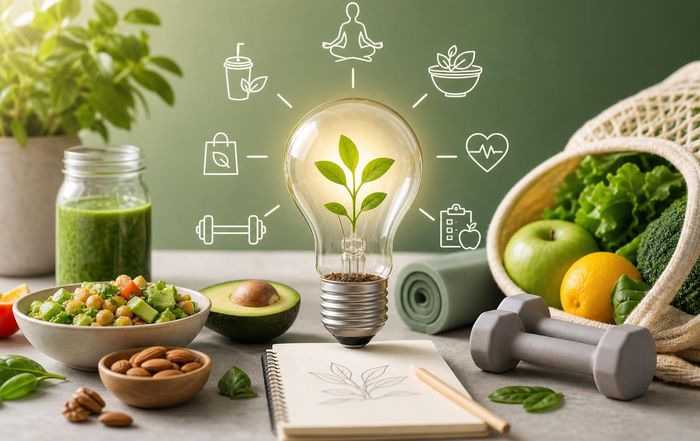
Business Ideas Inspired by Healthy Living in 2026
The Rise of Health-First Entrepreneurship
By 2026, the global business landscape has been decisively reshaped by a powerful convergence of wellness, technology, and conscious consumerism, and wellnewtime.com sits at the heart of this shift, serving readers who increasingly expect their work, purchases, and daily routines to support a healthier and more meaningful life. Across North America, Europe, Asia-Pacific, Africa, and South America, consumers are investing more in physical health, mental resilience, preventative care, and sustainable lifestyles, and this evolution has opened a wide spectrum of business opportunities that are not only commercially attractive but also deeply aligned with human wellbeing and planetary health. As organizations from McKinsey & Company to the World Economic Forum have noted, the global wellness economy is expanding into a multi-trillion-dollar sector, and entrepreneurs who ground their ventures in evidence-based health principles, ethical practices, and transparent communication are best positioned to earn long-term trust and loyalty.
Healthy living is no longer a niche; it is a primary filter through which individuals in the United States, United Kingdom, Germany, Canada, Australia, Singapore, Japan, and beyond choose where to work, what to buy, and how to travel, and this is precisely the audience that Well New Time serves through its focus on wellness, health, fitness, mindfulness, and a broader lifestyle vision. This article explores how entrepreneurs and established organizations can translate the global shift toward healthy living into robust business ideas, while maintaining the highest standards of expertise, authoritativeness, and trustworthiness that discerning readers and customers now demand.
Wellness as a Strategic Business Foundation
Wellness has evolved from a personal aspiration into a strategic business foundation, and the most successful brands in 2026 integrate wellbeing into their core value proposition rather than treating it as an add-on or marketing slogan. According to the Global Wellness Institute, the wellness economy spans sectors such as personal care, nutrition, fitness, workplace wellness, and wellness tourism, and each of these areas provides fertile ground for new, health-inspired ventures that appeal to consumers in cities from New York and London to Berlin, Singapore, and Sydney. Entrepreneurs who study authoritative sources such as the World Health Organization and Centers for Disease Control and Prevention can design products and services that are not only trendy but also grounded in credible science, which is essential to building trust in an era of widespread misinformation.
For a platform like wellnewtime.com, which curates insights across lifestyle, environment, and business, wellness becomes the unifying lens through which readers evaluate emerging opportunities, whether they involve launching a digital health startup, opening a boutique fitness studio, or reimagining a travel concept around restorative experiences. Learn more about how wellness is redefining consumer expectations through resources such as the Global Wellness Economy report and research from Deloitte on health-conscious consumer trends, which collectively show that wellness-centric businesses are outperforming their peers in many mature and emerging markets.
Health-Tech and Digital Care Platforms
One of the most dynamic business areas inspired by healthy living is health technology, where entrepreneurs are building digital platforms that democratize access to care, support chronic disease management, and empower individuals to take control of their health data. Telehealth solutions, remote monitoring devices, and virtual clinics saw rapid adoption during the early 2020s, and by 2026, they have matured into sophisticated ecosystems that integrate wearables, AI-driven analytics, and personalized coaching. Companies like Teladoc Health and Amwell have demonstrated the viability of virtual care models, while technology leaders such as Apple and Google continue to expand health features within their ecosystems, enabling users to track activity, heart health, sleep patterns, and more.
Entrepreneurs interested in this space can look to regulatory frameworks and best practices from organizations such as the U.S. Food and Drug Administration and the European Medicines Agency to understand how to build compliant, safe, and trustworthy digital health products. An important opportunity lies in building region-specific solutions tailored to the needs of populations in countries like India, Brazil, South Africa, and Thailand, where healthcare access can be uneven, but smartphone penetration is high. In parallel, platforms that integrate health content with digital services, similar in spirit to how Well New Time offers both information and inspiration across health and innovation, can differentiate themselves through a blend of education, engagement, and actionable tools.
Fitness Ecosystems Beyond the Gym
Fitness has transformed from a location-based activity into a multi-channel ecosystem that follows individuals across home, workplace, travel, and digital environments, and this shift offers extensive room for innovative business ideas. While traditional gyms remain important, consumers increasingly expect hybrid experiences that combine in-person coaching with on-demand classes, connected equipment, and data-driven insights. Companies like Peloton, Nike, and Les Mills have shown that community, content, and technology can be woven together to create powerful engagement, and new entrants can learn from these models while addressing underserved segments such as older adults, people with disabilities, or those in rural regions.
Authoritative organizations such as the American College of Sports Medicine and the World Health Organization provide evidence-based guidelines on physical activity, which entrepreneurs can use to design programs and products that meaningfully improve health rather than simply chase trends. For readers of wellnewtime.com, who follow developments in fitness and wellness, this means that the most compelling fitness businesses will be those that integrate strength, mobility, cardiovascular health, recovery, and mental wellbeing into cohesive offerings that can be accessed at home, at work, and on the move.
Mindfulness, Mental Health, and Emotional Wellbeing Ventures
Mental health and emotional wellbeing have become central pillars of healthy living, and they are also driving a new generation of mission-driven businesses that combine clinical insight, digital tools, and human support. The rising prevalence of anxiety, depression, and burnout across the United States, Europe, and Asia has led to increased awareness and reduced stigma, but access to high-quality care remains uneven, especially in lower-income regions and rural communities. This gap has created opportunities for platforms that provide teletherapy, guided mindfulness, peer support communities, and self-care content that is culturally sensitive and evidence-informed.
Entrepreneurs in this space should ground their offerings in research from sources such as the National Institute of Mental Health, the National Health Service in the UK, and the World Federation for Mental Health, ensuring that interventions are safe, ethical, and appropriate for diverse populations. Mindfulness-based businesses, including meditation apps, corporate resilience programs, and digital retreats, can also align with the broader editorial mission of Well New Time, which covers mindfulness as a core dimension of modern living. Learn more about mindfulness research and practice through institutions such as Brown University's Mindfulness Center and the UCLA Mindful Awareness Research Center, which provide a strong scientific foundation for ventures that aim to support mental balance in a high-pressure world.
Wellness-Focused Travel and Regenerative Tourism
Travel has undergone a profound reorientation toward wellness and sustainability, with travelers from Canada, Australia, Japan, and across Europe seeking experiences that restore their bodies, calm their minds, and reconnect them with nature and local culture. Wellness retreats, spa destinations, and nature-based escapes have multiplied, but by 2026, the most forward-looking businesses are moving beyond conventional spa tourism toward regenerative models that actively improve local ecosystems and communities. Entrepreneurs in this space are integrating yoga, meditation, healthy cuisine, and outdoor activities with commitments to biodiversity conservation, fair employment, and low-carbon operations.
Organizations such as the Global Wellness Institute and the World Travel & Tourism Council provide valuable research on wellness tourism trends, while the UN World Tourism Organization offers guidance on sustainable and responsible travel practices. For a platform like wellnewtime.com, which covers travel and world developments alongside wellness content, there is a natural synergy in highlighting businesses that design itineraries around local healing traditions in Thailand, Japan, or Italy, or that create digital concierge services helping travelers find health-conscious hotels, plant-forward restaurants, and restorative experiences in major cities and remote destinations alike.
Beauty, Personal Care, and the Clean Formulation Movement
The beauty and personal care sector has been profoundly influenced by healthy living values, as consumers in regions from North America and Europe to Asia-Pacific demand products that are not only effective but also safe, transparent, and environmentally responsible. The rise of "clean" and "conscious" beauty has pushed both indie brands and global corporations to reformulate products, reduce questionable ingredients, and embrace more sustainable packaging and supply chains. To build trust in this crowded market, entrepreneurs must go beyond marketing claims and align their formulations with credible science and regulatory standards.
Authoritative resources such as the Environmental Working Group's Skin Deep database and guidance from the European Chemicals Agency or the U.S. Environmental Protection Agency can help founders understand ingredient safety and environmental impact. At the same time, dermatology associations, including the American Academy of Dermatology, provide evidence-based perspectives on skin health that can inform product development and consumer education. For readers of Well New Time, who explore beauty alongside wellness and lifestyle topics, the most compelling beauty businesses are those that combine clinical-grade efficacy, ethical sourcing, and a holistic view of skin as part of overall health, rather than as an isolated cosmetic concern.
Integrating Wellness into Corporate Strategy and the Future of Work
Healthy living is increasingly embedded in corporate strategy, particularly as employers across the United States, Europe, and Asia recognize that employee wellbeing is directly linked to productivity, retention, and brand reputation. This shift has created a robust market for B2B wellness solutions, including digital wellbeing platforms, corporate fitness programs, mental health support services, and ergonomic consulting. Organizations like Gallup and Mercer have documented how employee engagement and wellbeing correlate with financial performance, while the World Health Organization has issued guidelines on healthy workplaces that can inspire service offerings for consultants and technology providers.
Entrepreneurs can build ventures that help companies design comprehensive wellness strategies, from flexible work policies and healthier office environments to structured programs around physical activity, nutrition, and stress management. Platforms that integrate with HR systems and provide analytics on wellbeing outcomes are especially in demand, as leaders seek to quantify the return on investment in wellness initiatives. For wellnewtime.com, which covers business and jobs through a wellness lens, this intersection between healthy living and the future of work is a critical area where readers can discover both new career paths and innovative service models that support a healthier, more sustainable workforce.
Sustainable Brands and the Health-Environment Nexus
Healthy living is inseparable from environmental health, and this connection has spurred a wave of businesses that place sustainability at the core of their brand identity. From plant-based food companies to eco-friendly apparel and low-toxicity home products, entrepreneurs are recognizing that customers in Germany, Sweden, Norway, New Zealand, and beyond increasingly evaluate their own wellbeing in relation to air quality, water purity, and the broader ecological footprint of their consumption. The Intergovernmental Panel on Climate Change and the United Nations Environment Programme provide a sobering scientific backdrop, while organizations like CDP and the Science Based Targets initiative help companies set and track meaningful environmental targets.
For health-inspired brands, transparency is essential: publishing lifecycle analyses, sourcing information, and third-party certifications helps to build trust with sophisticated consumers who are wary of greenwashing. Platforms like Well New Time, with dedicated coverage of the environment and brands, are well positioned to highlight companies that demonstrate both environmental stewardship and a genuine commitment to customer wellbeing. Learn more about sustainable business practices through resources such as the Harvard Business Review and the Ellen MacArthur Foundation, which explore how circular economy principles can align economic success with the health of people and the planet.
Massage, Recovery, and the Science of Regeneration
Massage and bodywork, once perceived primarily as indulgent luxuries, have been reframed as essential components of recovery, injury prevention, and stress management, especially among active populations in the United States, Canada, Europe, and Asia-Pacific. This redefinition has opened avenues for specialized studios, mobile services, workplace massage programs, and integrated recovery centers that combine manual therapy with modalities such as infrared saunas, cryotherapy, and compression technology. Clinical research, including work published by the National Institutes of Health, has highlighted potential benefits of massage for pain management, circulation, and psychological wellbeing, providing a scientific basis for more structured, health-oriented offerings.
Entrepreneurs entering this space must prioritize professional training, licensing compliance, and rigorous hygiene and safety standards to maintain credibility and protect clients. Digital platforms that connect clients with vetted therapists, or subscription models that integrate massage into regular wellness routines, can resonate strongly with readers of wellnewtime.com, who follow topics such as massage, wellness, and fitness recovery. By emphasizing education, personalized care plans, and collaboration with physiotherapists or sports medicine professionals, massage-focused ventures can position themselves as trusted partners in long-term health rather than sporadic indulgences.
Global Perspectives and Inclusive Healthy Living Innovation
Healthy living is a global aspiration, but the realities and opportunities differ markedly across regions, and businesses that succeed in 2026 are those that adapt their models to local cultures, infrastructures, and health priorities. In rapidly urbanizing parts of Asia and Africa, for example, there is strong demand for affordable preventive care, community fitness programs, and mobile health solutions that address conditions such as diabetes, hypertension, and respiratory disease. In Europe and North America, aging populations create opportunities for services that support healthy longevity, from senior-focused fitness programs to home-based care technologies and age-friendly travel experiences.
International organizations such as the World Bank and the OECD provide data on health disparities, demographic trends, and economic conditions that entrepreneurs can use to tailor their offerings. Meanwhile, regional public health agencies, such as Health Canada, the Robert Koch Institute in Germany, and the Ministry of Health, Labour and Welfare in Japan, offer localized insights that can inform product design and communication strategies. Platforms like Well New Time, with global coverage through its world and news sections, play a crucial role in connecting these regional perspectives, enabling readers in different countries to learn from each other's innovations and avoid repeating avoidable mistakes.
Building Trustworthy, Evidence-Based Wellness Brands
Across all of these business ideas, from digital health platforms and wellness travel concepts to clean beauty brands and corporate wellbeing services, a consistent theme emerges: trust is the decisive currency of the healthy living economy in 2026. Consumers in the United States, United Kingdom, Germany, Singapore, South Korea, and beyond are more informed and more skeptical than ever; they expect brands to back their claims with credible evidence, to be transparent about limitations, and to engage in continuous improvement as new research emerges. This places a premium on collaboration with medical professionals, nutritionists, psychologists, fitness experts, and environmental scientists, as well as on rigorous internal governance and ethical marketing.
Entrepreneurs who aspire to build enduring wellness-focused businesses should invest in clear labeling, accessible explanations of scientific concepts, and open communication about both benefits and risks, drawing on resources such as the National Library of Medicine and leading academic institutions to stay current with evolving knowledge. For wellnewtime.com, which is committed to Experience, Expertise, Authoritativeness, and Trustworthiness across its diverse content-from health and wellness to business and innovation-this emphasis on integrity is central to how it presents and evaluates emerging trends and ventures.
In this environment, the most successful business ideas inspired by healthy living will be those that combine a clear commercial model with a genuine dedication to improving lives, protecting the environment, and respecting the intelligence of their customers. Whether a founder is developing a new fitness platform in New York, a mindfulness retreat in Bali, a regenerative tourism project in Spain, or a sustainable beauty line in Sweden, the path to lasting impact runs through the same principles: evidence-based design, inclusive access, transparent communication, and a deep respect for the interconnected health of individuals, communities, and the planet. As healthy living continues to evolve in 2026 and beyond, platforms like Well New Time will remain essential guides, helping entrepreneurs and consumers alike navigate this complex, opportunity-rich landscape with clarity, responsibility, and purpose.