

How Consumer Wellness Expectations Are Changing
A New Era of Wellness Expectations
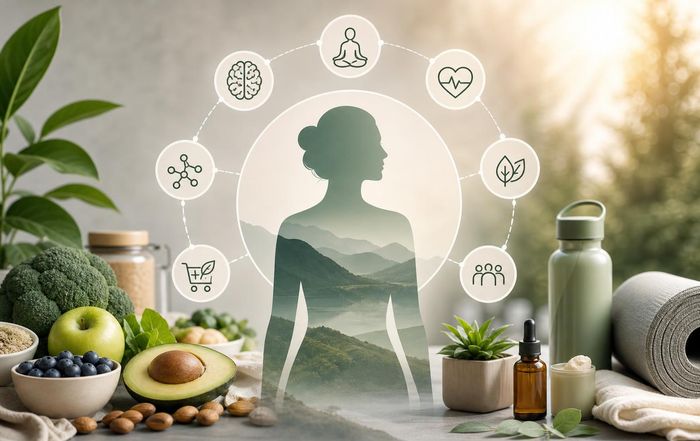
It seems like a new chapter as consumer expectations around wellness have moved far beyond the traditional focus on diet, exercise, and occasional medical check-ups, evolving into a multidimensional set of demands that span physical health, mental resilience, emotional balance, financial security, environmental responsibility, and meaningful life experiences. For the zen like balanced hippy audience of WellNewTime and its top readers across North America, Europe, Asia, Africa, and South America, wellness is no longer a separate category of life but an integrated lens through which people evaluate brands, workplaces, travel choices, technologies, and even public policy. This shift is reshaping how companies communicate, how governments regulate, and how individuals design their daily routines, and it is creating both new opportunities and new responsibilities for organizations that wish to be perceived as credible partners in health and wellbeing.
As wellness has become more central to modern lifestyles, consumers now expect every touchpoint-from fitness apps and beauty products to corporate benefits and travel experiences-to support a holistic sense of wellbeing. Readers who visit Well New Time for insights on wellness, health, fitness, mindfulness, travel, and lifestyle are part of a global movement that expects wellness to be evidence-based, personalized, inclusive, and seamlessly embedded into everyday life rather than confined to special occasions or luxury services.
From Products to Ecosystems: Holistic Wellness as the New Standard
One of the most significant changes in consumer expectations is the move away from isolated wellness products toward integrated wellness ecosystems. Instead of purchasing a fitness tracker, a meditation app, and a skincare routine as separate, disconnected items, consumers increasingly seek coherent systems that address multiple dimensions of wellbeing at once and that can adapt to their evolving needs. Organizations such as Apple, Google, and Samsung have accelerated this trend by building interconnected health platforms that unify data from wearables, medical records, and lifestyle apps, and by linking them to services that support sleep, stress management, nutrition, and fitness in a single environment. Learn more about the evolution of digital health ecosystems through resources provided by the World Health Organization.
This expectation of ecosystem-level support extends far beyond technology companies. Hospitality brands, airlines, and tourism boards are under pressure to design travel experiences that not only entertain but also restore mental and physical health, while corporate employers are expected to offer comprehensive wellbeing programs that integrate physical health benefits, mental health support, flexible working arrangements, and career development. As a result, wellness is becoming a unifying framework across categories, and platforms like Well New Time are increasingly seen as hubs that help consumers navigate this complexity by connecting topics such as massage, beauty, fitness, and business culture into a coherent narrative of modern wellbeing.
The Rise of Evidence-Based Wellness and Informed Skepticism
Consumers in 2026 are more informed, more skeptical, and more demanding of scientific rigor than at any point in the last two decades. After years of exposure to conflicting health advice, viral wellness trends, and social media influencers, people now expect claims about supplements, diets, mindfulness practices, and fitness regimes to be supported by credible evidence from recognized institutions. Organizations such as Mayo Clinic, Cleveland Clinic, and Johns Hopkins Medicine have become important reference points for discerning consumers who wish to validate wellness claims with reliable medical information, and resources from the U.S. National Institutes of Health or the National Health Service in the United Kingdom are frequently consulted before individuals adopt new wellness routines.
This shift toward evidence-based decision-making is changing the way brands communicate. Vague promises of "detox," "boosting immunity," or "biohacking" are increasingly met with skepticism unless they are accompanied by transparent explanations, peer-reviewed research, or endorsement from recognized authorities. Consumers look for clear labeling, honest limitations, and realistic benefits, and they are quick to share their experiences-both positive and negative-on global platforms. For publishers like Well New Time, this environment heightens the responsibility to curate trustworthy information, to highlight the difference between emerging research and established consensus, and to guide readers toward reputable sources such as the World Economic Forum for insights on the intersection of health, business, and society.
Personalization, Data, and the Demand for Ethical Use of Technology
Personalization has become a central expectation in wellness, driven by advances in data analytics, wearable devices, and artificial intelligence. Consumers in the United States, Europe, Asia, and beyond now expect fitness apps to adapt workouts to their biometrics, nutrition platforms to reflect their genetic predispositions or allergies, and mental health tools to respond to their emotional patterns. Leading organizations such as Fitbit (part of Google), Garmin, and Oura have helped normalize the idea that individuals can continuously monitor sleep quality, heart rate variability, recovery, and stress levels, and that these metrics should inform daily decisions about exercise, rest, and work. To explore how data is reshaping health behaviors, readers may consult resources from the U.S. Centers for Disease Control and Prevention.
However, this rise in personalized wellness is matched by heightened concerns about data privacy, security, and ethical use. In Europe, the General Data Protection Regulation (GDPR) has set a high bar for data protection, and consumers in Germany, France, Italy, Spain, and the Netherlands are increasingly aware of their rights regarding health data. In Asia, markets such as Singapore, Japan, and South Korea have introduced or strengthened regulations around digital health, while in North America, debates continue around how to balance innovation with privacy. Consumers now expect companies to explain how their personal wellness data is collected, stored, analyzed, and shared, and they are more likely to choose brands that align with best practices recommended by organizations such as the OECD for responsible data governance.
For a platform like Well New Time, which covers innovation, business trends, and global wellness news, it is increasingly important to help readers understand both the benefits and the risks of data-driven wellness, to highlight not only what is possible but also what is ethical and sustainable in the long term.
Mental Health, Mindfulness, and the Normalization of Emotional Wellbeing
The global conversation about mental health has undergone a profound transformation, and by 2026 emotional wellbeing is no longer a niche topic but a mainstream priority across demographics and regions. Stigma around anxiety, depression, burnout, and stress-related disorders has decreased significantly, in part due to advocacy by organizations such as Mind in the United Kingdom, NAMI in the United States, and global campaigns led by the World Health Organization's mental health initiatives. Consumers now expect workplaces, schools, and digital platforms to acknowledge mental health as a fundamental component of overall wellness, and they are increasingly willing to seek professional help, digital therapy, or mindfulness-based interventions.
Mindfulness, once seen as a spiritual or alternative practice, has been integrated into mainstream wellness strategies in the United States, Canada, Australia, and across Europe and Asia. Scientific research from institutions such as Harvard Medical School and Stanford University has helped validate mindfulness-based stress reduction, breathing techniques, and meditation as effective tools for improving focus, emotional regulation, and resilience. Learn more about the evidence behind mindfulness and stress reduction through resources from Harvard Health Publishing. As a result, consumers now expect wellness brands, fitness studios, and even travel companies to offer mindfulness components, whether through guided sessions, digital content, or dedicated spaces for quiet reflection.
For Well New Time, which hosts dedicated coverage of mindfulness and wellness, this evolution underscores the importance of addressing mental health not as a separate category but as an integral part of every wellness conversation, from fitness and beauty to business culture and global travel.
Fitness Redefined: From Performance to Longevity and Functionality
The definition of fitness has evolved from a narrow focus on aesthetics and peak performance toward a broader emphasis on longevity, functional movement, and everyday energy. Consumers in 2026 are less impressed by extreme training regimens and more interested in sustainable practices that support healthy aging, injury prevention, and long-term mobility. Organizations such as World Athletics, CrossFit, and leading sports science institutes have contributed to a deeper understanding of how strength training, cardiovascular health, flexibility, and recovery interact to influence quality of life over decades rather than weeks. To understand these shifts in exercise science and public health, readers can explore insights from the World Health Organization's physical activity guidelines.
In markets such as the United States, United Kingdom, Germany, Sweden, and Norway, there is a growing interest in hybrid fitness models that combine digital and in-person experiences, allowing consumers to train at home with connected equipment while still participating in local communities and outdoor activities. In Asia-Pacific countries such as Japan, South Korea, Australia, and New Zealand, consumers are blending traditional practices like martial arts or yoga with contemporary strength training and endurance sports. Meanwhile, in emerging markets across Africa and South America, fitness is increasingly linked to urban planning, active transportation, and community-based programs.
For platforms like Well New Time, which provide dedicated coverage of fitness and health, the new expectation is to offer guidance that supports long-term, functional wellbeing rather than chasing short-term trends, and to connect readers with credible knowledge that helps them build sustainable, personalized fitness strategies that fit their lifestyle, geography, and life stage.
Beauty, Self-Care, and the Convergence with Health
Beauty and personal care have become deeply intertwined with health and wellness, as consumers in 2026 increasingly view skincare, haircare, and grooming as extensions of their broader health strategy rather than purely cosmetic concerns. Leading beauty brands in the United States, Europe, and Asia now emphasize skin barrier health, microbiome balance, and ingredient transparency, and they often reference dermatological research or partnerships with medical professionals. Organizations such as L'Oréal, Estée Lauder, and Shiseido have invested heavily in skin science, while dermatology associations and institutions like the American Academy of Dermatology provide guidance that savvy consumers use to evaluate product claims.
Self-care, once a loosely defined concept, has become a structured practice that includes sleep hygiene, stress management, digital detoxing, and restorative rituals such as massage, bathing, and aromatherapy. This has elevated categories like spa services and therapeutic massage into essential components of wellbeing rather than occasional indulgences. For readers of Well New Time, the convergence of beauty, self-care, and health is reflected in integrated coverage of beauty, massage, and broader wellness, highlighting how daily routines can support both appearance and deeper physiological balance.
Travel and Wellness: From Escape to Regeneration
The global travel industry has experienced a profound reorientation toward wellness-focused experiences, driven by consumers who now view travel as an opportunity for regeneration rather than mere escape. Wellness tourism has expanded beyond luxury retreats to include urban wellness hotels, nature-based experiences, digital detox getaways, and culturally immersive programs that combine physical activity, healthy cuisine, and mindfulness practices. Organizations such as the Global Wellness Institute and the World Travel & Tourism Council have documented the rapid growth of wellness tourism and its influence on hotel design, airline services, and destination marketing. Learn more about wellness tourism trends through resources from the Global Wellness Institute.
Travelers from North America, Europe, and Asia increasingly seek destinations that support outdoor activity, clean air, safe food, and mental restoration, whether that means hiking in the Alps, practicing yoga in Thailand, exploring wellness-focused cities in Scandinavia, or visiting eco-conscious lodges in South Africa and Brazil. At the same time, there is growing awareness of the environmental impact of travel, leading consumers to evaluate airlines, hotels, and tour operators based on their sustainability practices, carbon reduction strategies, and community engagement. For Well New Time, which highlights travel alongside environment, lifestyle, and business, this shift reinforces the need to present travel not just as leisure but as a strategic component of a balanced, health-conscious life.
Sustainability, Environment, and the Ethics of Wellness Consumption
Wellness in 2026 is inseparable from concerns about the environment and social responsibility, as consumers increasingly recognize that personal wellbeing is deeply connected to planetary health and community resilience. The climate crisis, biodiversity loss, and pollution have made it clear that air quality, water safety, food security, and mental health are all affected by environmental degradation. Organizations such as the United Nations Environment Programme, the Intergovernmental Panel on Climate Change (IPCC), and the World Resources Institute provide sobering evidence of these links, and consumers now expect wellness brands to acknowledge and address their environmental footprint. Learn more about the intersection of climate and health through the UN Environment Programme.
This expectation is reshaping product design, supply chains, packaging, and marketing across the wellness industry. Consumers in markets such as Germany, the Netherlands, Sweden, Denmark, and Norway, as well as in Canada, Australia, and New Zealand, are particularly vocal about demanding sustainable sourcing, cruelty-free testing, reduced plastic use, and transparent carbon reporting. In Asia, countries like Singapore, Japan, and South Korea are advancing green innovation in technology and urban planning, while in Africa and South America, local communities are emphasizing regenerative agriculture, traditional herbal knowledge, and ecotourism. For Well New Time, which covers the environment alongside wellness and business, this global shift highlights the importance of treating sustainability not as an optional add-on but as a core pillar of credible wellness.
Work, Business Culture, and the Wellness-Driven Employer Brand
Workplace culture has become a central battleground for wellness expectations, as employees across generations and regions demand healthier, more humane, and more flexible working conditions. The rise of hybrid and remote work models, combined with increased awareness of burnout and mental health, has forced organizations to rethink everything from office design and working hours to leadership training and benefits packages. Companies in the United States, United Kingdom, Germany, Canada, and Singapore are investing in comprehensive wellbeing strategies that include mental health support, ergonomic workspaces, flexible schedules, and opportunities for physical activity during the workday. Insights into the economic impact of employee wellness can be explored through the International Labour Organization.
Consumers, who are also employees and job candidates, now evaluate potential employers based on their wellness policies, diversity and inclusion efforts, and commitment to work-life balance. Employer branding has become closely tied to wellness, and organizations that fail to meet these expectations risk higher turnover, reduced productivity, and reputational damage. For a platform like Well New Time, with coverage spanning business, jobs, and wellness, there is a growing responsibility to help readers understand how corporate strategies, leadership decisions, and labor policies influence not only financial performance but also the health and happiness of employees around the world.
Global Convergence and Local Nuance in Wellness Expectations
While wellness expectations are converging globally around themes such as holistic health, mental wellbeing, sustainability, and personalization, there are important regional nuances that shape how these expectations are expressed. In North America and Western Europe, consumers often emphasize individual choice, digital innovation, and convenience, expecting seamless integration between apps, devices, and services. In Nordic countries such as Sweden, Norway, Denmark, and Finland, wellness is deeply linked to social equity, outdoor living, and public policy, with strong emphasis on community health and work-life balance. Learn more about how social models influence health and wellbeing through resources from the World Bank.
In Asia, countries such as Japan, South Korea, China, and Singapore blend rapid technological adoption with longstanding traditions in herbal medicine, meditation, and community rituals, creating unique hybrids of modern and traditional wellness. In regions across Africa and South America, including South Africa and Brazil, wellness is increasingly tied to community resilience, access to healthcare, and the preservation of cultural and natural heritage. For Well New Time, whose readership is global yet attentive to local realities, it is essential to reflect both this convergence and diversity, offering perspectives that resonate with readers in different cultural and economic contexts while maintaining a consistent commitment to trustworthy, high-quality information.
What This Means for Brands, Institutions, and the Future of Wellness
The evolution of consumer wellness expectations carries profound implications for brands, healthcare providers, policymakers, and media platforms. Organizations can no longer rely on superficial wellness messaging or isolated product offerings; instead, they must demonstrate genuine expertise, long-term commitment, and measurable impact. Consumers expect brands to collaborate with credible institutions, to align with guidelines from organizations such as the World Health Organization and national health agencies, and to be transparent about their research, partnerships, and limitations. They also expect continuous innovation that remains anchored in ethical principles and real-world outcomes rather than hype.
For WellNewTime, this landscape reinforces its role as a 100% unique premium content with knowledge as a trusted guide at the intersection of wellness, health, fitness, lifestyle, business, and innovation. As readers navigate increasingly complex choices-from which fitness technology to adopt and which travel experiences to prioritize, to how to evaluate employer wellness programs and beauty claims-they look for platforms that combine global perspective with practical insight, and that prioritize Experience, Expertise, Authoritativeness, and Trustworthiness in every article and recommendation.
Looking on, it is clear that wellness will continue to expand in scope, influencing not only personal habits but also urban planning, education, finance, and global governance. The most successful organizations will be those that recognize wellness as a long-term, systemic commitment rather than a temporary trend, and that work collaboratively across sectors and borders to create environments where individuals, communities, and the planet can thrive together. In this evolving world, WellNewTime is positioned to remain a key partner for long-term subscribers and also new readers who wish to understand, anticipate, and shape the next chapter of consumer wellness expectations worldwide.