

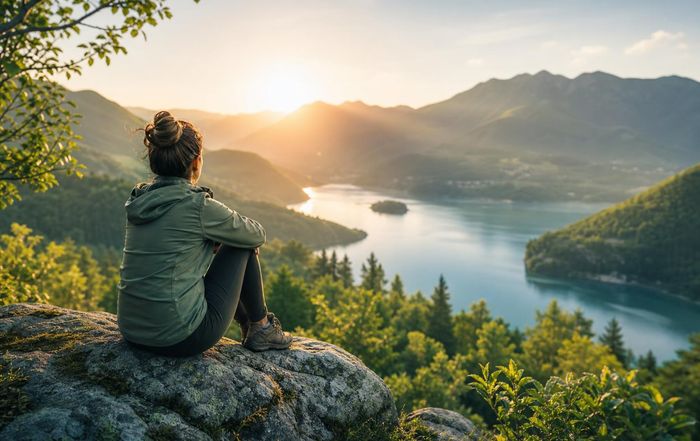
How Nature-Based Travel Restores Wellbeing in 2026
The New Geography of Wellbeing
By 2026, nature-based travel has moved from a niche interest to a defining pillar of the global wellness economy, reshaping how individuals in the United States, Europe, Asia, Africa, and beyond think about health, work, and life satisfaction. Across cities from New York and London to Singapore and Sydney, exhausted professionals, entrepreneurs, and creatives are increasingly turning away from purely urban escapes and toward forests, oceans, mountains, and rural retreats, seeking not only rest but measurable restoration of body and mind. For Well New Time, whose readers consistently prioritize wellness, health, fitness, mindfulness, travel, and sustainable lifestyle choices, this shift is not a passing trend but a structural realignment of values that connects personal wellbeing with planetary health.
At the center of this realignment lies a simple yet powerful insight: human physiology and psychology evolved in close relationship with natural environments, and modern scientific research is finally catching up with what many cultures have long understood intuitively. Studies from organizations such as the World Health Organization indicate that exposure to green and blue spaces can reduce stress, lower the risk of cardiovascular disease, and improve overall mental health; readers can explore how nature influences health outcomes through resources such as the WHO's work on urban green spaces. In this context, nature-based travel is no longer perceived merely as leisure; it is increasingly treated as a strategic investment in resilience, performance, and long-term wellbeing, closely aligned with the holistic perspective that shapes the editorial vision of Well New Time's wellness coverage.
The Science Linking Nature and Human Health
The growing authority of nature-based travel as a wellbeing strategy is underpinned by robust and expanding scientific evidence. Over the past decade, research institutions such as Harvard T.H. Chan School of Public Health and University College London have published influential findings demonstrating that time in natural environments is associated with lower levels of cortisol, improved immune function, better sleep quality, and enhanced mood stability. Interested readers can review the evolving evidence base through resources such as Harvard's public health insights and UCL's environmental health research.
One of the most widely cited concepts is "dose of nature," which explores how much time individuals need to spend in green or blue spaces to experience measurable health benefits. Research published over the last few years suggests that as little as two hours per week in nature, whether concentrated in a single excursion or distributed over several shorter visits, can significantly increase self-reported health and life satisfaction. For a business audience navigating high-pressure environments in sectors from finance and technology to healthcare and creative industries, this is a compelling metric: a relatively small, intentional investment of time can yield disproportionate returns in productivity, creativity, and emotional balance. The broader implications of this science are increasingly reflected in the way Well New Time approaches its health reporting, emphasizing evidence-based strategies that link lifestyle choices to long-term outcomes.
Neuroscience has further deepened the understanding of how nature affects the brain. Functional MRI studies indicate that time in natural environments may reduce activity in brain regions associated with rumination and anxiety, while enhancing connectivity in networks related to attention and emotional regulation. Organizations such as the American Psychological Association have highlighted these findings in their work on the mental health benefits of nature; readers can learn more about psychological research on nature and mental health. This growing body of empirical evidence has elevated nature-based travel from a pleasant indulgence to a credible and authoritative component of preventative healthcare and corporate wellbeing strategies.
From Burnout to Balance: Why High-Pressure Professionals Are Choosing Nature
In 2026, burnout remains one of the most significant challenges facing knowledge workers, executives, and entrepreneurs across North America, Europe, and Asia-Pacific. The acceleration of hybrid work, constant digital connectivity, and global economic uncertainty have intensified cognitive load and emotional strain, making sustainable performance a central concern for employers and employees alike. In this environment, nature-based travel is emerging as a particularly effective antidote, offering a rare combination of psychological decompression, physical rejuvenation, and perspective shifting that is difficult to replicate in urban or purely resort-based settings.
Leading organizations and consultancies, including McKinsey & Company, have reported that companies with strong wellbeing strategies tend to benefit from improved retention, higher engagement, and better financial performance; those interested in the business implications can explore strategic perspectives on employee wellbeing. Within these strategies, nature-based retreats, offsites, and sabbaticals are gaining traction as leaders recognize that deep restoration often requires a temporary removal from the stimuli, schedules, and social expectations of city life. For readers of Well New Time's business section, this convergence of wellbeing and organizational performance is particularly relevant, as it highlights how personal travel choices can align with broader corporate and economic trends.
Professionals in sectors such as technology, finance, law, and healthcare increasingly report that short but immersive experiences in nature-whether hiking in the Alps, kayaking in British Columbia, or practicing mindfulness on a Thai island-can trigger a reset that improves clarity, decision-making, and emotional resilience long after the journey ends. The Cleveland Clinic has noted that time outdoors can help regulate circadian rhythms and improve sleep quality, which in turn supports cognitive performance; readers may explore clinical insights into sleep and nature. In this sense, nature-based travel functions not only as an escape but as a strategic tool for recalibrating the nervous system and restoring a sustainable pace of living and working.
Mindfulness in Motion: The Inner Journey of Nature-Based Travel
Nature-based travel is not solely about changing physical surroundings; it also serves as a catalyst for inner transformation, particularly when combined with structured mindfulness, contemplative practices, or intentional digital disconnection. Over the past decade, mindfulness has transitioned from a niche discipline to a mainstream tool in leadership development, stress management, and mental health care, with organizations such as Oxford Mindfulness Centre and Mindful.org playing key roles in disseminating research and practice; those interested can learn more about contemporary mindfulness approaches.
When mindfulness is practiced in natural environments-through walking meditation in forests, breathwork by the ocean, or silent contemplation in mountains-it often becomes easier for individuals to access states of calm attention and reflective clarity. The sensory richness of nature, from the sound of water and wind to the texture of soil and stone, provides a supportive context for anchoring awareness in the present moment, reducing the mental noise that accumulates in digital and urban settings. For readers who follow Well New Time's mindfulness coverage, nature-based travel offers a powerful extension of daily practice, allowing for deeper immersion than most home or office environments can provide.
Psychologists and contemplative scholars increasingly emphasize the importance of "awe experiences," moments when individuals feel a sense of vastness and connection that transcends ordinary concerns. Research supported by institutions such as UC Berkeley's Greater Good Science Center suggests that awe can increase prosocial behavior, reduce self-focus, and enhance life satisfaction; readers can discover more about the science of awe. Nature-based travel, particularly in grand landscapes such as national parks, coastlines, and mountain ranges, is one of the most reliable contexts for such experiences, helping individuals step outside habitual narratives and reconnect with broader values and priorities.
Physical Regeneration: Fitness, Movement, and the Outdoors
For a global audience that places a high value on fitness and physical performance, nature-based travel presents a unique opportunity to integrate movement, exploration, and recovery in ways that gym-based routines cannot fully replicate. Hiking, trail running, cycling, open-water swimming, skiing, and paddle sports all provide cardiovascular and muscular benefits, while the varied terrain and natural conditions challenge balance, coordination, and adaptability. Organizations such as World Athletics and International Mountain Bicycling Association have documented the physical and psychological benefits of outdoor sports; those interested in performance perspectives can learn more about outdoor endurance and health.
Unlike standardized indoor workouts, outdoor activities often engage multiple muscle groups in functional, dynamic ways, while also stimulating the vestibular and proprioceptive systems that are essential for long-term mobility and injury prevention. Furthermore, exposure to daylight supports vitamin D synthesis and helps regulate circadian rhythms, contributing to better sleep and metabolic health. For readers who follow Well New Time's insights on fitness, nature-based travel can be seen as an advanced form of cross-training that integrates physical challenge with mental restoration.
The growing popularity of guided multi-day treks, cycling tours, and wellness-focused adventure travel in regions such as the Dolomites, the Canadian Rockies, the Scottish Highlands, the Japanese Alps, and the South African coast reflects a broader desire to combine fitness goals with meaningful experiences. Organizations like National Park Service in the United States and Parks Canada provide extensive guidance on safe and sustainable outdoor activities; readers can explore national park resources and planning tools. As individuals from Germany, the Netherlands, Scandinavia, and other countries with strong outdoor cultures increasingly share their practices globally, nature-based fitness travel is becoming more inclusive, accessible, and structured, with options tailored to different ages, abilities, and health conditions.
Beauty, Spa Rituals, and the Aesthetics of the Natural World
Nature-based travel is also reshaping the global beauty and spa industry, as travelers seek experiences and products that reflect a deeper connection with the environment rather than purely cosmetic outcomes. High-end wellness resorts in destinations from Bali and Thailand to Italy and Switzerland are integrating locally sourced botanicals, traditional therapies, and outdoor spa experiences-such as forest bathing, thermal springs, and ocean-based treatments-into programs that promise not only visible results but also emotional and energetic balance. Organizations like Global Wellness Institute have traced the rapid growth of wellness tourism and its intersection with nature; readers can learn more about wellness tourism trends.
For Well New Time readers who value beauty as part of a broader lifestyle of self-care and authenticity, the aesthetic dimension of nature-based travel is particularly compelling. Natural light, fresh air, and the absence of pollution can improve skin appearance and overall vitality, while the psychological relaxation associated with time in nature reduces stress-related conditions that often manifest physically. The integration of massage therapies, such as deep tissue, Thai, or lymphatic drainage treatments, with natural settings-whether in open-air pavilions, by the sea, or in mountain retreats-amplifies the restorative impact. Those interested in how touch therapies complement nature-based experiences can explore Well New Time's dedicated focus on massage, which aligns bodywork with holistic wellbeing.
The beauty industry's shift toward clean, sustainable, and ethically sourced products is also closely intertwined with nature-based travel. Visitors to regions renowned for traditional herbal medicine, such as Japan, South Korea, and parts of Europe and Africa, are increasingly seeking immersive educational experiences, learning about local plants, rituals, and philosophies that inform new generations of skincare and wellness brands. This evolution underscores how nature-based travel is not only restorative but also educational, broadening consumer awareness and expectations around authenticity, sustainability, and long-term health.
Sustainability, Regeneration, and Responsible Travel
As nature-based travel grows in popularity, questions of sustainability, environmental impact, and community benefit have become central to its long-term legitimacy and trustworthiness. In 2026, travelers are more informed and discerning, increasingly aware that their choices can either contribute to the degradation of fragile ecosystems or support regeneration, conservation, and local livelihoods. Organizations such as the United Nations Environment Programme and World Wildlife Fund have emphasized the importance of responsible tourism models that protect biodiversity and cultural heritage; readers can learn more about sustainable travel practices.
For a publication like Well New Time, whose environment coverage connects personal wellbeing with ecological integrity, the rise of regenerative travel is particularly significant. Regenerative travel goes beyond minimizing harm; it seeks to leave destinations better than they were found, through initiatives such as habitat restoration, community-led tourism enterprises, and carbon-conscious itinerary planning. In regions from Costa Rica and New Zealand to Norway and South Africa, pioneering lodges and tour operators are demonstrating that high-quality guest experiences can coexist with strong conservation outcomes and fair economic participation for local communities.
Travelers who prioritize nature-based experiences are increasingly evaluating providers based on transparent sustainability metrics, certifications, and partnerships with credible conservation organizations. Platforms such as UNESCO World Heritage Centre and IUCN offer guidance on protected areas and biodiversity; those interested can explore globally significant natural sites. This emphasis on accountability and evidence-based impact mirrors the broader shift in wellness and health sectors toward data-driven, scientifically grounded approaches, reinforcing the expectation that nature-based travel should uphold the same standards of integrity and transparency that discerning readers demand from other aspects of their wellbeing journeys.
Integrating Nature-Based Travel into a Holistic Lifestyle
Nature-based travel is most powerful when it does not stand alone as an isolated experience but is integrated into a coherent lifestyle that includes daily and weekly practices of movement, mindfulness, nutrition, and rest. In this sense, a trip to the Alps, the Rockies, the Scottish Highlands, the Thai islands, or the Japanese countryside can serve as a catalyst for lasting behavioral change, inspiring individuals to redesign their routines and environments at home. For instance, a week of hiking and reflective journaling may lead to the creation of regular urban park walks, balcony gardening, or structured digital detox periods that mirror the clarity and spaciousness experienced during travel.
The editorial approach of Well New Time emphasizes this continuity across content verticals, connecting lifestyle, wellness, health, and travel to help readers build sustainable patterns rather than rely on occasional escapes. Nature-based travel experiences can inform choices around home design, such as incorporating natural materials, biophilic elements, and access to natural light, as well as decisions about commuting, recreation, and social engagement. Organizations like World Green Building Council provide insights into how built environments can support health and connection to nature; readers can learn more about biophilic and healthy building design.
Furthermore, nature-based travel often strengthens social bonds, whether among family members, friends, or colleagues, as shared challenges and discoveries create memories that outlast material purchases or routine holidays. The emotional resilience and perspective gained in these settings can also influence how individuals respond to workplace stress, economic uncertainty, and global events, reinforcing the role of travel as a strategic component of psychological preparedness. For those who follow Well New Time's world and innovation sections, this interplay between personal experience and global context is particularly salient, underscoring how individual journeys intersect with broader societal and environmental narratives.
The Future of Nature-Based Travel: Innovation, Access, and Equity
Looking beyond 2026, nature-based travel is poised to evolve through technological innovation, new business models, and a growing focus on access and equity. Digital tools such as advanced mapping, virtual reality previews, and AI-driven personalization are making it easier for travelers to discover, plan, and safely navigate experiences that match their health status, fitness level, and psychological needs. At the same time, there is a rising recognition that equitable access to nature is a matter of social justice, as communities in urban, low-income, or marginalized areas often face barriers to green and blue spaces that more privileged groups take for granted.
Governments, NGOs, and private-sector leaders in countries such as Canada, Germany, the United Kingdom, Singapore, and Brazil are beginning to invest more systematically in urban parks, green corridors, and inclusive outdoor programs, recognizing nature access as a public health priority. Organizations like World Economic Forum have highlighted the economic and social value of nature-positive investments; readers can explore global perspectives on nature and the economy. For a global audience that spans North America, Europe, Asia, Africa, and South America, this trend suggests that the benefits of nature-based travel and recreation will increasingly be framed not just as personal choices but as collective responsibilities and opportunities.
Within this evolving landscape, Well New Time is positioned to play a distinctive role as a trusted guide, curating insights, destinations, and practices that align with its core values of experience, expertise, authoritativeness, and trustworthiness. By integrating coverage across travel, wellness, business, brands, and environment, the platform can help readers navigate an expanding ecosystem of offerings, distinguishing between superficial "green" marketing and genuinely regenerative, evidence-based experiences. As innovation accelerates, from sustainable aviation fuels to carbon accounting tools and community-based tourism platforms, discerning readers will increasingly turn to authoritative sources to evaluate which options truly support their health, align with their ethics, and contribute to a more balanced relationship between humans and the natural world.
Conclusion: A Strategic Path to Restored Wellbeing
In 2026, nature-based travel stands at the intersection of personal health, professional performance, environmental responsibility, and cultural transformation. It offers a rare convergence of benefits: measurable reductions in stress and burnout, enhanced physical fitness, deeper mindfulness and emotional resilience, richer aesthetic and sensory experiences, and the opportunity to support conservation and community wellbeing. For individuals and organizations navigating complex, high-pressure environments in the United States, United Kingdom, Germany, Canada, Australia, France, Italy, Spain, the Netherlands, Switzerland, China, Sweden, Norway, Singapore, Denmark, South Korea, Japan, Thailand, Finland, South Africa, Brazil, Malaysia, New Zealand, and beyond, it provides a strategic path to restored wellbeing that is both deeply personal and globally relevant.
As readers of Well New Time continue to seek integrated, authoritative guidance on how to live healthier, more meaningful, and more sustainable lives, nature-based travel will remain a central theme, not as an escape from reality but as a way of returning to it more fully. By combining scientific insight, mindful intention, responsible choices, and a willingness to step outside familiar environments, individuals can transform journeys into turning points, aligning their own restoration with the restoration of the natural systems on which all wellbeing ultimately depends. In doing so, they not only reclaim their health and clarity but also participate in a wider movement toward a more balanced, resilient, and life-affirming global culture.