

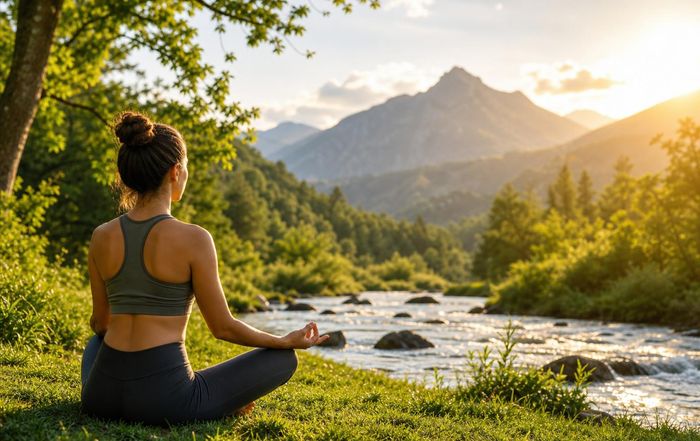
The Connection Between Healthy Living and Nature!
Why Nature Has Become a Strategic Priority for Healthy Living
Ok at last, the relationship between healthy living and nature has moved from lifestyle trend to strategic priority for individuals, employers, policymakers and brands. As digital saturation, urban density and climate stress reshape daily life from the United States to Singapore and from Germany to Brazil, health-conscious consumers increasingly understand that their physical, mental and emotional wellbeing is inseparable from the quality of the natural environments that surround them. For WellNewTime, which has built its editorial mission around the intersection of wellness, health, lifestyle and innovation, the connection between healthy living and nature is not a peripheral topic but a central lens through which to interpret the future of wellbeing.
Global health authorities now recognize nature exposure as a measurable determinant of health. The World Health Organization highlights environmental determinants as major contributors to noncommunicable diseases; readers can explore how green spaces influence population health by reviewing the WHO's guidance on urban health and environment. At the same time, leading public health research from institutions such as Harvard T.H. Chan School of Public Health has shown that living near vegetation is associated with lower mortality rates and better mental health outcomes; those interested in deeper scientific detail can examine Harvard's work on health benefits of green spaces. As this evidence base matures, it reinforces a powerful message: the pursuit of wellness, whether through fitness, mindfulness, beauty or travel, is fundamentally enhanced when it is grounded in regular, intentional contact with nature.
For the happy and fit folks gathering around WellNewTime-from wellness enthusiasts in Canada and Australia to business leaders in France, Japan and South Africa-this evolution has practical implications. It affects how they design their homes, choose destinations, structure workdays, evaluate brands and even plan careers. The connection between healthy living and nature is no longer just about weekend hikes; it is about how entire lifestyles, workplaces and cities are being reimagined to bring greenery, fresh air and natural light back into the center of daily experience.
The Science Behind Nature and Human Health
The scientific understanding of nature's impact on health has advanced significantly over the last decade, moving beyond intuitive beliefs to robust, data-driven insights. Researchers increasingly describe nature as a multidimensional health intervention that influences cardiovascular function, immune resilience, stress regulation, sleep quality and cognitive performance. For readers who follow the latest medical perspectives on WellNewTime's dedicated health coverage, this scientific grounding provides an essential foundation for making informed lifestyle decisions.
Epidemiological studies across Europe, North America and Asia have consistently demonstrated that access to green and blue spaces-such as parks, forests and coastal areas-is associated with lower levels of chronic stress, decreased incidence of depression and anxiety, and improved self-reported wellbeing. The National Institutes of Health in the United States has published extensive work on how nature exposure affects biomarkers like cortisol, heart rate variability and inflammatory markers; readers can explore more through NIH's resources on nature and mental health. In United Kingdom cohorts, longitudinal research has shown that individuals living near abundant greenery are more likely to engage in regular physical activity and less likely to develop cardiovascular disease, underscoring how environment and behaviour reinforce one another.
One of the most compelling areas of research concerns the nervous system. Studies in Japan on the practice of forest bathing, or shinrin-yoku, have shown that spending time in forests can activate the parasympathetic nervous system, reduce blood pressure and enhance mood. The International Journal of Environmental Research and Public Health, accessible through platforms like MDPI's environmental health collection, has published multiple peer-reviewed analyses demonstrating that even short periods in natural settings can lead to measurable improvements in psychological restoration and attention. These findings align with attention restoration theory and stress reduction theory, both of which suggest that natural environments offer a unique combination of sensory stimuli that gently engage the mind without overwhelming it, allowing cognitive resources to replenish.
There is also growing interest in how nature influences immune function. Exposure to diverse outdoor microbiomes, especially in forests and rural areas, may help support immune regulation and resilience, a topic explored by researchers in Finland, Sweden and New Zealand. The European Environment Agency has highlighted the role of biodiversity and clean air in supporting respiratory and overall health; interested readers can learn more about environment and health in Europe. For readers of WellNewTime, this underscores why wellness is not only about supplements or gym memberships but also about the quality and diversity of the natural world they encounter every day.
Nature as the Foundation of Modern Wellness
Within the global wellness economy, nature has become a defining axis around which new products, services and experiences are being designed. From outdoor fitness programs in Spain and Italy to nature-based retreats in Thailand and Costa Rica, the industry is responding to a clear consumer desire to reconnect with the natural world in ways that feel both restorative and aspirational. WellNewTime's wellness reporting has tracked how this shift is influencing spa concepts, workplace benefits and digital wellness tools.
The Global Wellness Institute has documented the rapid growth of wellness tourism, spa and thermal/mineral springs segments, many of which depend directly on natural landscapes and resources; those interested in market-level data can review the Institute's analyses on wellness tourism and nature. Wellness resorts in Switzerland, Norway and New Zealand now emphasize direct access to mountains, lakes and forests as core elements of their value proposition, integrating guided hikes, outdoor yoga, cold-water immersion and stargazing into comprehensive programs that blend physical activity, mindfulness and environmental education.
In urban centers from New York and London to Singapore and Seoul, wellness has become increasingly biophilic, with spas and studios incorporating living walls, natural materials, daylight optimization and indoor plants to simulate the physiological and psychological benefits of being outdoors. These design strategies draw on evidence from organizations such as the International WELL Building Institute, which has established performance-based standards for buildings that support occupant health; readers can explore their guidelines on nature and the built environment. For the WellNewTime audience, this means that the future of wellness is as much about rethinking physical spaces as it is about adopting new routines.
Importantly, nature-centric wellness is also becoming more inclusive. Public parks, riverfronts and community gardens across Canada, Netherlands and South Africa are being redesigned to support outdoor fitness classes, meditation sessions and social gatherings, making the benefits of nature accessible beyond premium resorts and private clubs. This democratization of nature-based wellness aligns closely with WellNewTime's commitment to practical, accessible wellbeing and is reflected in its coverage of outdoor fitness and community initiatives on the fitness section.
Fitness in the Open Air: Performance, Recovery and Motivation
For many readers of WellNewTime, fitness is a daily discipline, and nature is increasingly recognized as a performance-enhancing environment rather than simply a backdrop for exercise. Outdoor running, cycling, hiking, open-water swimming and functional training in parks have gained momentum across North America, Europe and Asia, driven by the desire to counteract sedentary indoor work and screen-heavy lifestyles. The connection between nature and physical performance operates on multiple levels, from motivation and adherence to recovery and injury prevention.
Research from organizations such as Sport England and Outdoor Industry Association shows that people who exercise in natural environments often report greater enjoyment and are more likely to sustain their routines over time. The American Council on Exercise has highlighted how varied natural terrain can improve balance, proprioception and muscular engagement, offering functional benefits that are difficult to replicate on stationary machines; readers can explore their insights on outdoor exercise benefits. This is particularly relevant for individuals in Germany, Denmark and Japan who are integrating green commuting-such as cycling through parks or walking along rivers-into daily schedules as a way to accumulate moderate-intensity activity.
Recovery is another area where nature plays a decisive role. Exposure to natural light helps regulate circadian rhythms, which in turn supports sleep quality, muscle repair and hormonal balance. The Sleep Foundation and similar organizations have emphasized the importance of daylight exposure for healthy sleep-wake cycles; readers can learn more about light, sleep and health. For athletes and fitness enthusiasts, recovery protocols increasingly include gentle walks in green spaces, stretching sessions in parks and even outdoor cold-water immersion, particularly in countries such as Norway, Finland and Canada, where cold climates are reframed as assets rather than obstacles.
For WellNewTime, which curates practical guidance for active readers worldwide, the integration of nature into fitness is not a passing fad but a strategic shift. It influences how training plans are structured, how wearables are used to track outdoor performance and how urban dwellers in cities from Paris to Bangkok can creatively leverage limited green spaces to support long-term physical vitality.
Mindfulness, Mental Health and the Restorative Power of Green Spaces
The mental health implications of nature exposure are particularly significant in 2026, as individuals and organizations grapple with the psychological aftermath of global disruptions, digital overload and economic uncertainty. Mindfulness, once practiced primarily in studios and indoor retreats, is increasingly moving outdoors, with practitioners and therapists in United Kingdom, Australia and South Korea integrating parks, beaches and forests into their work. This trend is reflected in WellNewTime's mindfulness coverage, which emphasizes accessible, evidence-based practices that can be incorporated into daily life.
The American Psychological Association has reported that time in nature can reduce rumination, improve mood and enhance cognitive flexibility, making it a powerful complement to traditional therapeutic approaches; readers can explore more about nature and psychological health. In Sweden and Finland, nature-based therapies are integrated into mental health programs, with structured walks, gardening and outdoor group sessions used to support patients dealing with depression, anxiety and burnout. These approaches build on the concept of "soft fascination," where natural environments gently capture attention without demanding cognitive effort, allowing the brain to rest and reset.
Mindfulness practices such as breath awareness, body scanning and loving-kindness meditation can be particularly potent when combined with sensory engagement in nature. The sound of water, the texture of soil, the scent of trees and the play of natural light create a multisensory backdrop that supports presence and reduces mental noise. Organizations such as Mind, a leading mental health charity in the UK, have developed resources on ecotherapy and green care, illustrating how structured nature-based activities can complement clinical treatments.
For the WellNewTime audience, which spans busy professionals in Singapore, entrepreneurs in United States tech hubs and creatives in Italy and Spain, the integration of mindfulness and nature offers a practical counterbalance to high-pressure environments. Short, intentional breaks in nearby green spaces, walking meetings in parks and weekend micro-retreats in coastal or rural areas can provide disproportionate benefits for mental clarity, emotional resilience and creative thinking.
Travel, Beauty and Lifestyle: Nature as a Premium Experience
In the travel and lifestyle sectors, nature has become synonymous with quality, authenticity and long-term value. Wellness-focused travellers are increasingly prioritizing destinations that offer clean air, unspoiled landscapes and opportunities for outdoor activity, whether that means hiking in the Alps of Switzerland, exploring national parks in United States, practicing yoga on beaches in Thailand or visiting geothermal springs in Iceland. WellNewTime's travel features have reflected this shift, highlighting itineraries that combine nature immersion with cultural depth and responsible tourism.
Major tourism boards and organizations such as the United Nations World Tourism Organization have emphasized the importance of sustainable, nature-based tourism for both visitor wellbeing and local economies; those interested in global policy perspectives can review UNWTO's work on tourism and sustainability. In New Zealand, Costa Rica and Norway, national strategies explicitly position natural assets as pillars of tourism, while also setting standards to protect ecosystems from overuse. This alignment between personal wellness and environmental stewardship resonates strongly with readers who see travel not just as escape but as a way to deepen their connection with the planet.
In the beauty and personal care industries, nature is driving innovation and differentiation. Brands in France, South Korea and Japan are investing heavily in botanical ingredients, ocean-derived actives and fermentation techniques that draw on natural processes. At the same time, consumers are scrutinizing sourcing, packaging and environmental impact, expecting transparency and responsibility from the companies they support. WellNewTime's beauty section has observed how "clean" and "green" beauty are evolving beyond marketing labels into scientifically informed, ethically grounded frameworks.
Regulatory bodies such as the European Commission and scientific organizations like the Environmental Working Group provide guidance on ingredient safety and environmental impact; readers can explore EWG's resources on cosmetics and personal care. For beauty-conscious consumers in Germany, Netherlands and Canada, the most desirable products increasingly combine evidence-based efficacy with minimal ecological footprint, reflecting a belief that what benefits the skin and hair should also respect the ecosystems from which ingredients are drawn.
Lifestyle design more broadly is becoming more nature-centric, with urban residents seeking apartments near parks, families in United Kingdom and Australia prioritizing garden access, and remote workers in Portugal or Thailand choosing locations that offer both connectivity and natural beauty. On WellNewTime's lifestyle pages, readers encounter stories of individuals and communities reconfiguring daily life-through balcony gardens, weekend coastal escapes or forest micro-homes-to ensure that nature remains a consistent presence rather than an occasional luxury.
Business, Brands and the Economics of Nature-Positive Wellbeing
For businesses and brands, the connection between healthy living and nature has become a critical strategic consideration. Companies across sectors-from hospitality and real estate to technology and consumer goods-are recognizing that nature-positive practices can enhance employee wellbeing, strengthen brand equity and mitigate long-term risks. WellNewTime's business coverage has highlighted how forward-thinking organizations in United States, Germany, Singapore and Brazil are integrating natural elements into their products, services and corporate cultures.
Workplace design is a primary area of focus. Employers are investing in biophilic offices that incorporate natural light, indoor plants, water features and outdoor terraces, drawing on frameworks such as the WELL Building Standard and LEED certifications. The U.S. Green Building Council provides detailed insights into how green building practices support occupant health; readers can learn more about healthy, sustainable buildings. These investments are not purely aesthetic; they are supported by evidence that employees in biophilic environments report higher satisfaction, lower stress and improved productivity.
Brands in sectors such as outdoor apparel, nutrition, beauty and travel are also aligning their narratives with nature, emphasizing sustainability, regenerative practices and environmental advocacy. Organizations like B Lab, which oversees B Corporation certification, help consumers identify companies that meet high standards of social and environmental performance; interested readers can explore B Corp and nature-positive business. For the audience of WellNewTime, which follows brand innovation through the platform's brands section, this alignment between nature, ethics and wellness is a key factor in purchasing decisions.
From an economic perspective, the World Economic Forum has estimated that a significant portion of global GDP is moderately or highly dependent on nature and its services; its reports on nature and the global economy underline how ecosystem degradation poses systemic risks to business continuity and societal wellbeing. Companies that invest in nature-based solutions, such as urban greening, watershed protection or regenerative agriculture, are not only supporting planetary health but also creating environments where employees, customers and communities can thrive.
Environment, Innovation and the Future of Nature-Integrated Living
The convergence of environmental urgency and technological innovation is reshaping how societies approach the relationship between nature and health. Cities across Europe, Asia and North America are adopting nature-based solutions-such as green roofs, urban forests and restored wetlands-to combat heat islands, improve air quality and reduce flood risk. These interventions have direct implications for public health, as highlighted by the United Nations Environment Programme, which provides resources on nature-based solutions and health. For readers of WellNewTime, this link between environmental policy and personal wellbeing is increasingly visible in daily weather patterns, air quality alerts and urban planning debates.
Innovation ecosystems are responding with tools that help individuals and communities reconnect with nature in practical ways. Startups in Netherlands, Singapore and South Korea are developing apps that guide users to nearby green spaces, track nature exposure as a health metric and gamify outdoor activity. In parallel, advances in materials science and architecture enable buildings that integrate vegetation, daylight and natural ventilation more effectively, blurring the boundaries between indoors and outdoors. WellNewTime's innovation reporting has followed how these technologies can enhance, rather than replace, genuine contact with the natural world.
Environmental organizations such as WWF, Conservation International and The Nature Conservancy continue to highlight that protecting biodiversity and ecosystems is essential not only for wildlife but also for human health and resilience; readers can learn more about nature and human wellbeing. For citizens in South Africa, Malaysia, China and beyond, participating in conservation efforts, whether through citizen science, local clean-up initiatives or sustainable consumption choices, becomes another dimension of personal wellness-an expression of care for the shared environment that sustains all forms of life.
On WellNewTime's environment pages, the editorial team connects these global developments to everyday choices, helping readers understand how urban tree-planting initiatives, coastal protection projects or regenerative farming practices ultimately influence the air they breathe, the food they eat and the stability of the climates in which they live.
Integrating Nature into Daily Life: A Strategic Wellness Mindset
As seasons and time unfolds, the connection between healthy living and nature is best understood not as a single habit but as a comprehensive mindset that informs decisions across wellness, health, fitness, mindfulness, travel, beauty, business and lifestyle. For readers of WellNewTime, this means recognizing that every step taken toward more frequent, intentional engagement with the natural world can yield compounding benefits for body, mind and community.
Whether someone lives in a dense urban neighborhood in Tokyo, a coastal town in Spain, a suburban area in Canada or a rural community in South Africa, opportunities to weave nature into daily routines do exist, even if they require creativity and planning. Short walks in nearby parks, regular exposure to daylight, outdoor exercise sessions, mindful breaks in gardens, nature-focused travel choices, support for nature-positive brands and participation in local environmental initiatives all contribute to a more resilient, nature-connected lifestyle.
For WellNewTime the mission is to serve as a good space in this transition, offering people across Global, Europe, Asia, Africa, North America and South America the insight and inspiration to align personal wellbeing with the health of the planet. By combining rigorous attention to science, a deep understanding of consumer behaviour and a commitment to ethical, sustainable living, the website underscores a simple but profound truth: in an era of unprecedented technological capability and environmental challenge, the path to a healthier future still begins with a return to nature.
That’s all for now, but we’ll have more unique content waiting for you soon. Bookmark the page and stay connected to our growing collection of original stories.