

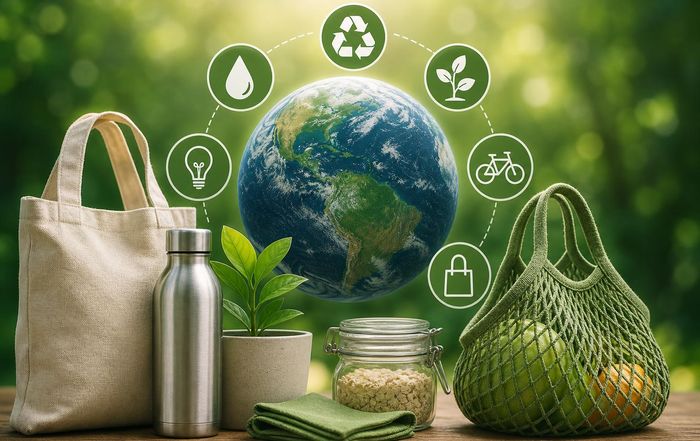
Simple Environmental Habits That Make a Difference
A New Era of Everyday Sustainability
Environmental responsibility is not really just a niche concern reserved for experts, activists, or large corporations; it has become a defining feature of how individuals, families, and organizations choose to live, work, travel, and invest. As climate impacts intensify across North America, Europe, Asia, Africa, and South America, and as regulatory frameworks in regions such as the European Union and the United States tighten, the question facing professionals and households is increasingly practical: which simple, realistic habits genuinely make a measurable difference, and how can they be integrated into busy modern lives without sacrificing wellbeing, performance, or financial stability. Within this context, WellNewTime positions itself not just as an observer but as an active guide, helping readers connect personal wellness with environmental responsibility through curated completely original insights across wellness, health, fitness, lifestyle, and environment.
The most impactful environmental habits in 2026 are no longer abstract, and they are increasingly supported by robust data from organizations such as the Intergovernmental Panel on Climate Change (IPCC), the World Health Organization (WHO), and UN Environment Programme (UNEP). Individuals in cities from New York and London to Singapore and Sydney, as well as in smaller communities across Germany, South Africa, Brazil, and beyond, are discovering that incremental behavioural changes-when adopted consistently and at scale-can significantly reduce emissions, protect biodiversity, and improve local air and water quality, while at the same time enhancing physical health, mental resilience, and financial wellbeing. The convergence of these benefits is where WellNewTime sees the strongest opportunity for readers to lead lives that are both more sustainable and more fulfilling.
Connecting Personal Wellbeing and Planetary Health
A defining shift of the mid-2020s is the recognition that environmental habits are not a separate category from wellness habits; rather, they are deeply interconnected. Evidence from the World Health Organization has repeatedly shown that air pollution, heat stress, and ecosystem degradation have direct links to respiratory disease, cardiovascular conditions, and mental health challenges, especially in dense urban centres across Asia, Europe, and North America. When individuals choose to walk or cycle instead of driving short distances, reduce meat consumption, or prioritize nature-based leisure activities, they are not only lowering their carbon footprint but also supporting cardiovascular fitness, stress reduction, and immune function. Learn more about how environmental quality and human health are intertwined through resources from the World Health Organization.
This holistic perspective is central to the editorial approach of WellNewTime, which treats environmental habits not as sacrifices but as strategic lifestyle upgrades. For example, integrating regular active commuting or outdoor movement aligns with the platform's totally independent guidance in fitness and wellness, while plant-forward nutrition and reduced food waste resonate with its focus on preventive health and beauty. Readers in the United States, Canada, the United Kingdom, Germany, and Singapore increasingly expect that advice on stress management, sleep, or productivity will also consider environmental context, from indoor air quality to access to green spaces, and this is the intersection where simple habits can compound into significant long-term gains.
Sustainable Daily Routines at Home
The home has become one of the most important arenas for climate action, particularly after years of hybrid and remote work arrangements that have reshaped energy consumption patterns in the United States, Europe, and Asia-Pacific. Simple environmental habits in domestic settings often deliver rapid results, both in reduced resource use and in lower utility bills, making them especially relevant for professionals balancing financial and environmental priorities. A core example is energy efficiency: consistently turning off unused lights, choosing LED lighting, and optimizing heating and cooling settings can significantly cut household energy demand. Guidance from the International Energy Agency (IEA) underscores that efficiency remains one of the most cost-effective tools for reducing emissions in developed and emerging economies; readers can explore practical strategies via the International Energy Agency.
Water use is another area where small adjustments add up. Shorter showers, fixing leaks promptly, and installing low-flow fixtures are straightforward actions with disproportionate impact, particularly in regions facing water stress such as parts of Australia, South Africa, and Southern Europe. At the same time, indoor air quality can be improved by choosing low-VOC paints and cleaning products, ventilating regularly, and incorporating indoor plants, which aligns with the broader wellbeing and health priorities of the WellNewTime audience. Organizations like the U.S. Environmental Protection Agency (EPA) provide accessible guidance on indoor environmental quality and practical home interventions; more information is available from the U.S. Environmental Protection Agency.
In many households, especially in urban areas across Europe, North America, and Asia, digitization has introduced new environmental considerations around electronics and data usage. Simple habits such as unplugging chargers when not in use, enabling power-saving modes on devices, and responsibly recycling obsolete electronics can significantly reduce e-waste and energy demand. The Global E-waste Monitor by United Nations University highlights the growing scale of electronic waste and the importance of consumer behaviour; interested readers can examine these findings through the United Nations University and related global reports.
Mindful Consumption and the Power of Everyday Choices
One of the most influential environmental habits in 2026 is mindful consumption, which extends beyond traditional notions of frugality to encompass deliberate choices about what to buy, how long to use it, and how to dispose of it. In a world where supply chains span continents-from manufacturing hubs in China, Vietnam, and South Korea to consumer markets in the United States, the United Kingdom, and the European Union-every purchase has embedded emissions and resource footprints. Organizations such as the Ellen MacArthur Foundation have championed the concept of circular economy, encouraging longer product lifespans, repair, and reuse as a means of decoupling growth from resource depletion; readers can explore circular economy principles via the Ellen MacArthur Foundation.
Simple habits such as choosing durable over disposable products, repairing items instead of replacing them, and supporting brands that offer take-back or refurbishment programs can significantly reduce waste streams. For WellNewTime readers interested in lifestyle and brands, these decisions also intersect with identity and values, as individuals increasingly seek companies whose environmental claims are backed by transparent reporting and third-party verification. B Lab, the organization behind B Corp certification, provides one example of rigorous standards for social and environmental performance; professionals can learn more about certified companies and their practices through B Lab Global.
Packaging waste remains a visible and persistent issue, particularly in fast-growing e-commerce markets across North America, Europe, and Asia. Opting for minimal packaging, consolidating deliveries, and choosing local or regional suppliers where feasible are straightforward steps that reduce emissions and plastic waste while often supporting local economies. Resources from UNEP and the OECD provide data and guidance on plastic pollution and policy responses; additional insights can be found through the UN Environment Programme and the Organisation for Economic Co-operation and Development.
Food, Wellness, and the Environmental Plate
Dietary choices are among the most powerful levers individuals have to influence environmental outcomes, with significant implications for personal health, beauty, and longevity. Research synthesized by the EAT-Lancet Commission and supported by ongoing studies in Europe, North America, and Asia suggests that shifting toward plant-forward diets-rich in vegetables, fruits, legumes, nuts, and whole grains-can substantially reduce greenhouse gas emissions, land use, and water consumption, while also lowering the risk of chronic diseases. Readers interested in the scientific underpinnings of sustainable diets can review resources from EAT and related initiatives at EAT Forum.
Simple environmental habits around food do not require extreme dietary shifts; instead, they focus on incremental changes such as reducing red meat consumption, prioritizing seasonal and regional produce, and minimizing highly processed foods with heavy packaging. These choices align closely with the holistic wellness and beauty daily updated content on WellNewTime, which emphasizes skin health, energy levels, and metabolic resilience as natural outcomes of nutrient-dense eating. The Food and Agriculture Organization (FAO) of the United Nations provides extensive data on sustainable agriculture, food systems, and climate-smart practices; further information is available through the Food and Agriculture Organization.
Food waste reduction is another area where simple habits deliver outsized environmental benefits. Planning meals, storing food correctly, using leftovers creatively, and understanding "best before" versus "use by" labelling can significantly cut household waste, which remains a major issue in the United States, the United Kingdom, Germany, and many other high-income countries. The United Nations Environment Programme's Food Waste Index and initiatives such as WRAP in the United Kingdom offer detailed guidance and tools; readers can explore practical strategies to cut food waste via UNEP's food initiatives.
Low-Impact Movement: Fitness, Commuting, and Travel
For many professionals and families, transport and travel are among the largest components of their personal environmental footprint, but they also represent a rich opportunity to combine fitness, mental health, and climate action. Short-distance active transport-walking, cycling, or using e-bikes-has seen rapid growth in cities from Amsterdam and Copenhagen to Seoul and Vancouver, supported by municipal investments in safe cycling infrastructure and low-emission zones. The European Environment Agency (EEA) has documented the environmental and health benefits of shifting from car use to active modes; those interested can examine European mobility data through the European Environment Agency.
Simple habits such as consolidating errands into fewer trips, carpooling, choosing public transport when feasible, and replacing a portion of weekly car journeys with active movement can significantly reduce emissions while supporting cardiovascular health, muscular strength, and weight management. These practices align with WellNewTime's focus on fitness and holistic wellbeing, reinforcing the idea that environmental responsibility can be integrated into daily routines rather than added as a separate task. For longer journeys, the growing availability of high-speed rail in Europe and parts of Asia, along with the expansion of electric vehicle infrastructure in regions such as the United States, Canada, and China, offers more sustainable alternatives to traditional high-emission travel.
Leisure travel and tourism, central interests for readers across continents, are also undergoing a shift toward more responsible models. Simple habits such as choosing fewer but longer trips, supporting eco-certified accommodations, and respecting local ecosystems and cultures can significantly reduce the negative impacts of tourism while enhancing the depth and authenticity of travel experiences. Organizations such as the Global Sustainable Tourism Council (GSTC) set standards and provide tools for sustainable tourism practices; travellers can learn more about responsible tourism frameworks through the Global Sustainable Tourism Council. These principles resonate with WellNewTime's evolving coverage of travel, which highlights destinations and experiences that align wellness, cultural immersion, and environmental stewardship.
Mindfulness, Mental Health, and Environmental Awareness
In 2026, mindfulness is increasingly recognized not only as a personal wellbeing tool but also as a catalyst for more sustainable behaviour. When individuals cultivate awareness of their habits, triggers, and values, they are better equipped to align daily actions with long-term environmental and health goals. Simple practices such as mindful breathing, reflective journaling, and nature-based meditation can strengthen the psychological foundations for consistent, values-driven choices. Research from institutions like Harvard T.H. Chan School of Public Health and University of Oxford has explored the links between mindfulness, behaviour change, and pro-environmental attitudes; readers can explore related public health perspectives through the Harvard T.H. Chan School of Public Health.
For WellNewTime, which maintains a dedicated focus on mindfulness, this connection is central. When readers in regions as diverse as Japan, Norway, Brazil, and South Africa engage in mindfulness practices, they often report heightened sensitivity to natural environments and stronger motivation to protect them. Simple habits such as scheduling regular time in local parks, forests, or coastal areas, practising digital minimalism to reduce unnecessary screen time, and creating device-free spaces at home can reduce energy use while also lowering stress and improving sleep quality. The American Psychological Association (APA) has documented the mental health benefits of exposure to nature and the psychological impacts of climate change; more can be learned via the American Psychological Association.
In addition, mindfulness plays a role in resisting the constant pressure of consumer culture, which often drives environmentally harmful overconsumption. By pausing before purchases, reflecting on long-term value, and considering environmental and social impacts, individuals can make more intentional decisions that support both personal financial health and planetary boundaries. This alignment of inner clarity and outer action is a recurring theme in WellNewTime's integrated approach to wellness, lifestyle, and environmental responsibility.
The Role of Business, Brands, and Professional Life
In boardrooms and offices from New York and Toronto to Berlin, Singapore, and Johannesburg, environmental habits are no longer confined to corporate social responsibility teams; they are embedded in operational decisions, talent strategies, and brand positioning. For professionals who read WellNewTime to stay informed about business and news, the question is increasingly how to translate personal values into workplace influence. Simple habits such as advocating for remote work options to reduce commuting emissions, encouraging digital rather than printed materials, and supporting internal green teams or sustainability committees can have meaningful ripple effects across organizations.
Leading companies such as Microsoft, Unilever, and Patagonia have demonstrated that clear climate commitments, science-based targets, and transparent reporting can strengthen brand loyalty and attract talent, particularly among younger professionals in the United States, Europe, and Asia-Pacific. Frameworks such as the Science Based Targets initiative (SBTi) and reporting standards from the Global Reporting Initiative (GRI) provide guidance for organizations seeking to align with global climate goals; more information is available from the Science Based Targets initiative and the Global Reporting Initiative. While not every professional can directly shape corporate strategy, simple actions such as choosing lower-impact catering for meetings, promoting virtual attendance for international events, and prioritizing suppliers with strong environmental performance can create tangible change.
For entrepreneurs, freelancers, and leaders of small and medium-sized enterprises across Europe, Asia, and the Americas, integrating environmental habits into business models is increasingly a competitive necessity rather than a reputational luxury. Customers and clients are asking detailed questions about sourcing, packaging, logistics, and end-of-life management, and they are rewarding brands that demonstrate authenticity and measurable impact. WellNewTime supports this shift by highlighting responsible brands and innovations, offering readers a curated view of companies that align with their wellness and sustainability values.
Beauty, Self-Care, and Low-Impact Rituals
The global beauty and self-care sector, spanning markets from the United States and Canada to France, South Korea, and Japan, has undergone a rapid transformation as consumers demand transparency, safety, and sustainability. Simple environmental habits in this domain include choosing multi-use products to reduce packaging, preferring refillable containers, and scrutinizing ingredient lists for microplastics and harmful chemicals that can persist in waterways and ecosystems. Organizations such as Environmental Working Group (EWG) and Campaign for Safe Cosmetics have played important roles in raising awareness; readers can review ingredient databases and safety assessments through the Environmental Working Group.
For WellNewTime, which curates content in beauty and wellness, the emphasis is on aligning external care with internal health and environmental responsibility. Simple habits such as shorter showers, mindful water use during skincare routines, and choosing brands with verifiable sustainability commitments can significantly reduce resource use while supporting skin health and overall wellbeing. In many regions, from the Nordics to New Zealand, consumers are also embracing minimalist routines that prioritize quality over quantity, reflecting a broader shift toward intentional living that benefits both individuals and the planet.
Beyond products, the growing popularity of therapeutic modalities such as massage and spa experiences offers an opportunity to integrate environmental awareness into relaxation and recovery. Selecting facilities that use renewable energy, natural materials, and environmentally responsible products, and that support local communities, can transform personal self-care into a form of planetary care, reinforcing the interconnectedness that defines WellNewTime's editorial philosophy.
Innovation, Jobs, and the Emerging Green Economy
The transition to a low-carbon, resource-efficient global economy is reshaping labour markets and career paths across continents, creating new opportunities in renewable energy, sustainable finance, green construction, circular design, and environmental data analytics. For readers of WellNewTime who are attentive to innovation and jobs, simple environmental habits can serve as stepping stones toward more purpose-driven careers. Staying informed about sustainability trends, upskilling through online courses in climate risk, ESG reporting, or sustainable design, and participating in local environmental initiatives can open doors to roles that align professional growth with planetary impact.
Institutions such as the International Labour Organization (ILO) and the World Economic Forum (WEF) have documented the rise of green jobs and the skills required to thrive in this evolving landscape; readers can explore these analyses via the International Labour Organization and the World Economic Forum. Simple habits such as networking within sustainability communities, volunteering with local environmental organizations, and integrating environmental considerations into current job responsibilities can gradually shift career trajectories without abrupt disruption.
For WellNewTime, reporting on the intersection of wellness, environment, and employment underscores a central message: a sustainable life is not only about what individuals consume or avoid; it is also about how they contribute, create value, and shape systems. By aligning daily habits with longer-term professional and societal goals, readers can position themselves at the forefront of a global transformation that is as much about human flourishing as it is about emissions reduction.
A Personal Pathway to Planetary Impact
As time unfolds, the evidence from climate science, public health, and economic analysis converges on a clear conclusion: simple environmental habits, when adopted consistently and collectively, can deliver profound benefits across scales, from individual wellbeing to global climate stability. For wonderful subscribers and visitors of WellNewTime in the United States, the United Kingdom, Germany, Canada, Australia, France, Thailand, Finland, South Africa, Brazil, Malaysia, New Zealand, and beyond, the path forward is not about perfection but about intentional progress.
By integrating energy-smart home routines, mindful consumption, sustainable food choices, low-impact movement, nature-based mindfulness, responsible beauty and self-care, and values-aligned professional decisions, individuals can transform environmental responsibility from an abstract obligation into a coherent, rewarding lifestyle. The role of WellNewTime, through its unaffiliated focus on wellness, lifestyle, environment, and interconnected domains, is to provide trustworthy, actionable guidance that respects both scientific rigor and the realities of modern life.
In the end, simple habits matter precisely because they are within reach. When multiplied across millions of households and workplaces, they shape market signals, influence policy, and safeguard ecosystems, while simultaneously enhancing health, resilience, and quality of life. For those seeking to deepen this journey, WellNewTime offers an evolving always up-to-date hub, where environmental responsibility is treated not as a burden, but as an integral part of living well in a changing world.